 SoMa Bowling Group Night Planner to Welcome New Hires
Sports Social
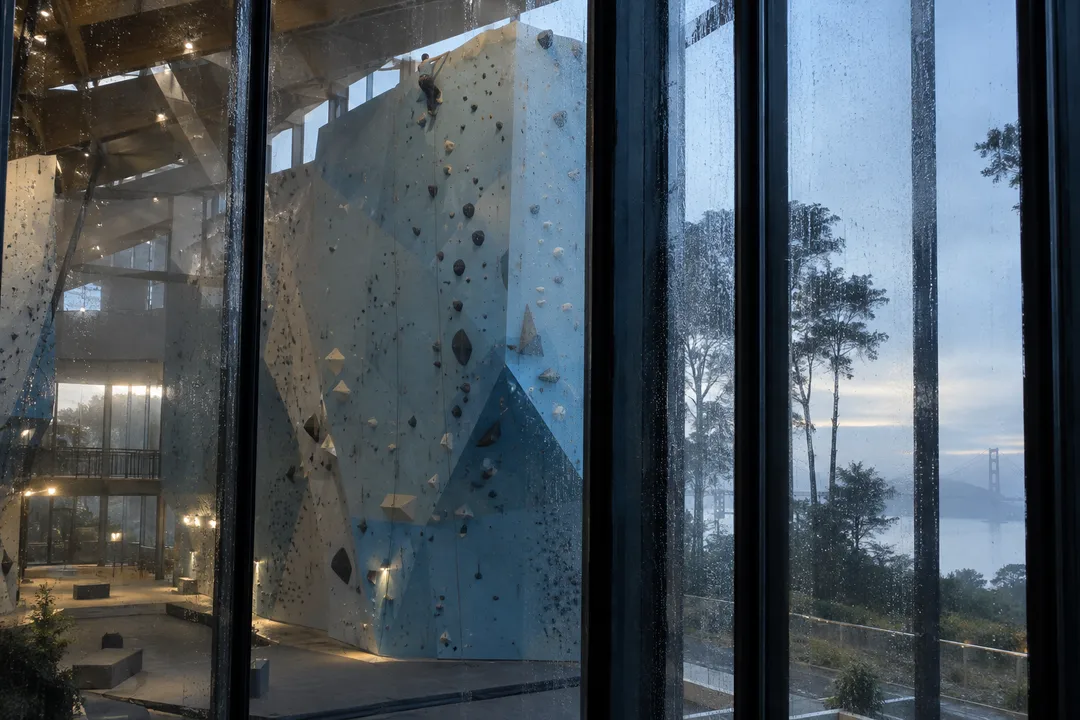
Movement SF Indoor Rock Climbing: 25,000 Sq Ft
Movement San Francisco at 924 Mason Street combines 25,000 square feet of climbing with yoga and fitness, plus a $33 day pass. Start here in the Presidio.
Movement San Francisco answers an indoor rock climbing search with a broad, multi-use facility rather than a wall-only room. The gym is at 924 Mason Street in the Presidio, near the Golden Gate Bridge, and its official page lists 25,000 square feet of climbing, a full fitness and cardio area, two yoga studios, and top-out bouldering. Hours are Monday through Friday, 6:00 am–11:00 pm, Saturday, 8:00 am–8:00 pm, and Sunday, 8:00 am–6:00 pm. A day pass is $33; the site also lists a $24 child day pass, a $29 student day pass Monday through Friday before 5:00 pm with ID, and a $210 seven-visit pass. That makes the first decision less about whether the gym has enough to do and more about which part of the facility should lead the visit.
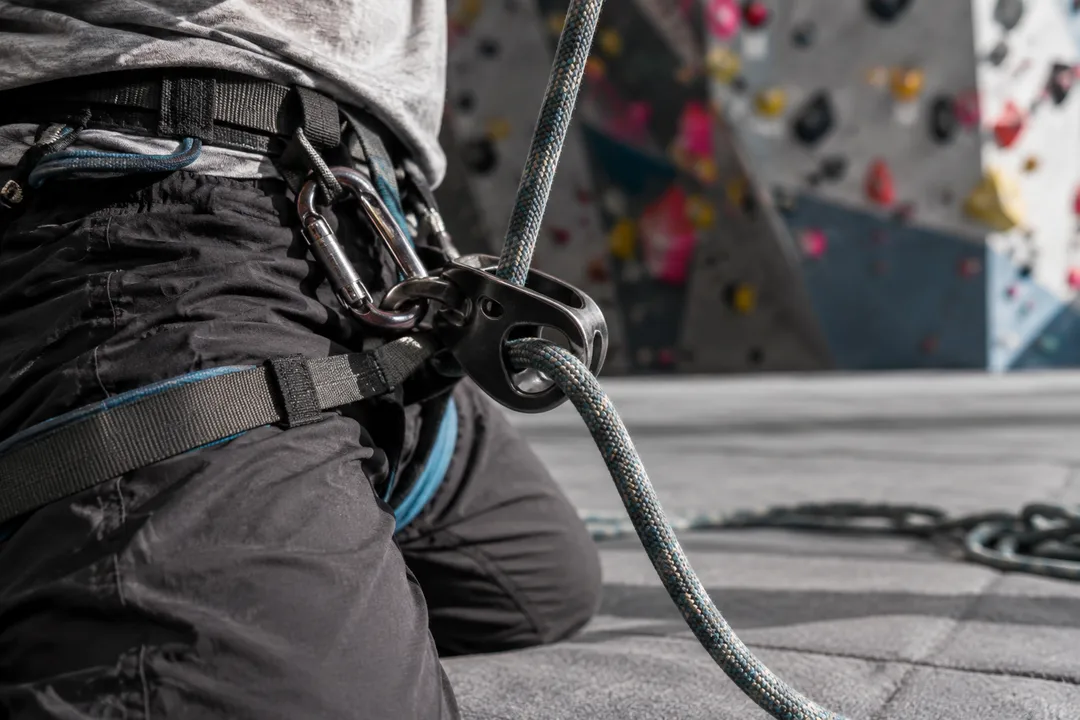
Movement’s scale can be helpful or distracting. If you arrive expecting a single climbing room, the yoga and fitness areas may make the first visit feel like a campus. Solve that by choosing one primary activity before you enter. A rope-climbing introduction belongs at the front of the plan for a beginner. A strong boulderer can use the top-out terrain as the destination. Someone returning after work may want a short wall session and a stretch rather than trying to use every amenity. The gym’s official hours leave a generous weekday window, but the best experience still comes from deciding what a successful two-hour visit means before you buy a pass.
Choose Your Version of Movement
The Presidio setting changes the emotional temperature of the workout. Movement’s official description points to the Golden Gate Bridge and combines climbing with yoga and fitness, so the venue feels designed for people who want an active routine rather than a single isolated climb. Expect a mix of users: a person in work clothes taking a lunch-hour class, a rope learner checking knots with an instructor, a regular moving through a familiar bouldering circuit, and a member using the cardio floor before the evening commute. The social rule is to keep those streams legible. Ask questions at the desk, not in the middle of a belay lane, and give top-out climbers space when they return to the floor.
Start with a ten-minute walk-through and a gentle warm-up. If rope climbing is new, use the scheduled introduction or front-desk guidance before treating the wall as self-explanatory. If you are bouldering, begin on easier angles and use the top-out option only when the landing and exit are clear. The $33 day pass covers the basic decision; rentals are separately listed as $6 for climbing shoes, $5 for a harness, $2 for a chalk bag, $3 for liquid chalk, or $8 for a package of shoes, harness, and chalk. Those prices make it possible to arrive without a full kit. The best first session has enough time for gear fitting and a rest, not just climbing.
The official site’s numbers are useful because they describe how the building can be used. Twenty-five thousand square feet of climbing means a visitor can change terrain instead of waiting for a single popular problem. Two yoga studios and a full cardio area mean the facility can support a broader training day, but that does not mean every part belongs in one visit. A $210 seven-visit pass makes repeat climbing cheaper than buying seven day passes, while the student price applies Monday through Friday before 5:00 pm with current ID. Keep the budget precise: day pass $33, child $24, student $29, rentals $6–$8 depending on the package. There is no need to pad the plan with unsupported prices.
The broadest weekday opening is 6:00 am–11:00 pm, which helps both early risers and late commuters. A morning arrival is useful when you want to understand the floor before classes and after-work groups change the rhythm. A late visit should focus on a smaller number of routes, especially if the following day begins early. If a popular rope line is busy, move to bouldering or use the fitness and yoga schedule rather than waiting beside an active wall. That flexibility is the point of choosing a large facility. Movement works best when the visitor treats each area as an option, not as a checklist that must be completed.
A First Session With a Clear Order
The location makes a cooldown walk unusually easy. Movement San Francisco sits in the Presidio, so the post-climb plan can use the surrounding paths, open spaces, and views without adding another commercial stop. Keep the route short if your forearms are tired; a few minutes of flat walking and fresh air may do more than a second intense activity. If you came for a rope class, the quiet outdoor transition helps separate learning from commuting. If you arrived by transit or bike, the official page’s emphasis on the Presidio location is a reminder to leave enough time for the return trip. The neighborhood is part of the visit, but it should restore energy rather than consume it.
Movement San Francisco is at 924 Mason Street, San Francisco, CA 94129. Hours are Monday through Friday, 6:00 am–11:00 pm; Saturday, 8:00 am–8:00 pm; Sunday, 8:00 am–6:00 pm. The official site lists a $33 day pass, $24 child pass, $29 student pass before 5:00 pm Monday through Friday, and $210 seven-visit pass. Gear rentals are $6 shoes, $5 harness, $2 chalk bag, $3 liquid chalk, or $8 for the three-item package. Wear clothes that work for both stretching and climbing, bring a photo ID if using the student rate, and complete any required agreement before the session. The listed activities include climbing, yoga, and fitness, so check the day’s class schedule if you want a structured add-on.
Movement SF is the most versatile option in this group. That is a strength for mixed groups and a possible distraction for someone who only wants a quiet bouldering hour. The $33 day pass is straightforward, the weekday hours run from 6:00 am to 11:00 pm, and the rental package makes a spontaneous visit realistic. Pick one anchor: a rope introduction, a top-out bouldering session, or a climbing-and-stretch evening. Do not arrive with a vague plan to sample every amenity. The Presidio setting and the size of the facility already give the visit enough range. A focused session leaves the building feeling expansive instead of exhausting.
What the Numbers Tell You
The gear list makes a first visit easy to stage. Shoes and chalk are enough for a bouldering-focused session; a rope visitor should budget for the harness and understand the gym’s first-visit requirements before choosing a line. The point is not to carry every possible item. It is to arrive ready for the one activity you selected.
A mixed group can divide the visit without separating completely. One person can take a rope class while another uses bouldering terrain, then everyone can meet in the fitness or lounge area for a short break. Agree on a meeting point before people scatter through the 25,000-square-foot facility, especially if someone is new to the Presidio building.
When to Arrive and When to Switch Plans
Do not mistake a long closing time for permission to train through pain. Movement’s weekday 11:00 pm close is useful for flexibility, but the best late session has a defined final route and a stretch afterward. Leaving with energy is the clearest sign that the facility supported your routine rather than replacing it.
Ask Karpo for more information.
Keep reading
- SoMa Bowling Group Night Planner to Welcome New Hires
 Lower Haight Bowling Group Night Planner for Kitchen Crews
 Bernal Heights Bowling Group Night Planner for Parents Out