 SoMa Bowling Group Night Planner to Welcome New Hires
Sports Social
Dogpatch Boulders Indoor Rock Climbing: 300 Problems Tonight
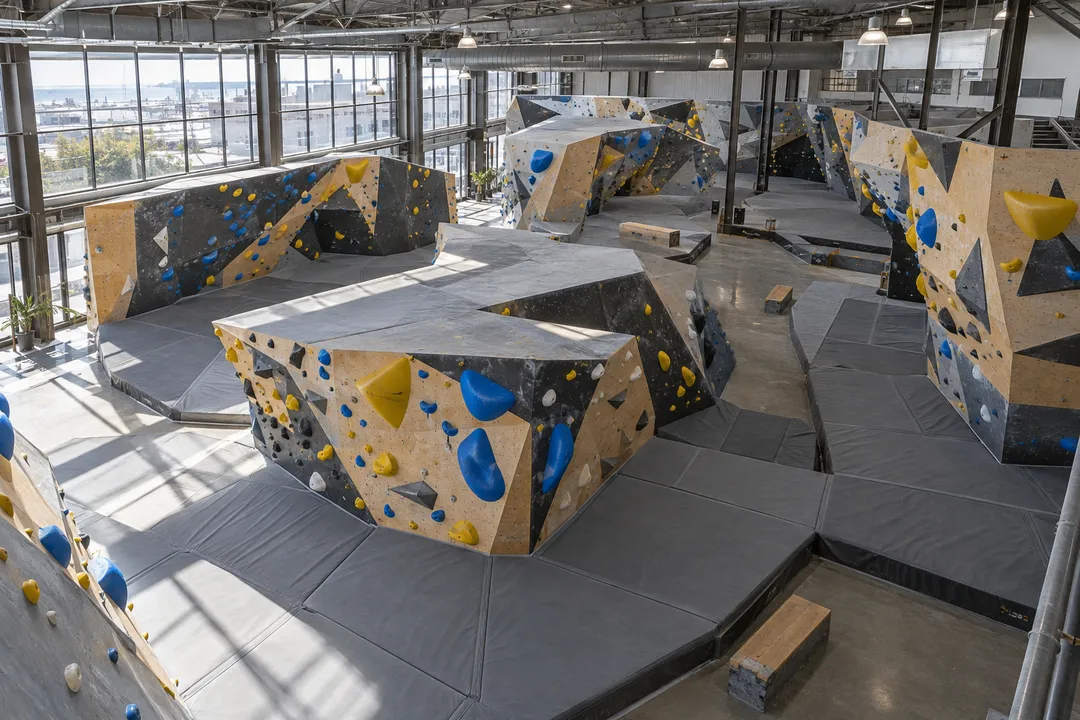
Dogpatch Boulders at 2573 3rd Street offers 20,500 square feet, 17-foot walls, and 300-plus bouldering problems. This guide maps a first session.
Dogpatch Boulders is the San Francisco indoor rock climbing pick for climbers who want a large bouldering floor without ropes or harness transitions. The Touchstone facility sits at 2573 3rd Street in Dogpatch and describes itself as a bouldering-only destination with 20,500 square feet of climbing terrain, 17-foot walls, and more than 300 bouldering problems. Its posted schedule is Monday, Wednesday, and Friday, 7:00 am–10:00 pm; Tuesday and Thursday, 7:00 am–11:00 pm; and Saturday and Sunday, 10:00 am–7:00 pm, with members-only access on Saturday and Sunday from 9:00 am–10:00 am. Touchstone’s standard day pass is $30 before 3:00 pm on weekdays and $35 after 3:00 pm, so the smartest first visit starts with a clear goal rather than an open-ended attempt to climb everything.
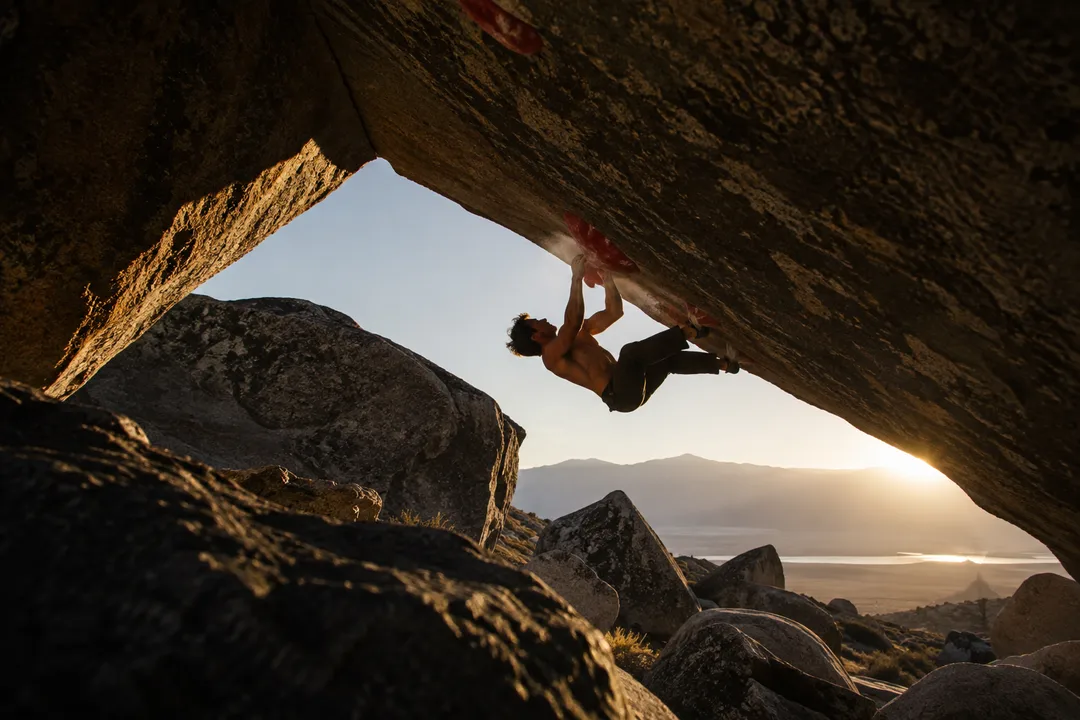
A 300-problem gym can create the wrong kind of excitement. New visitors often begin by scanning for the hardest-looking wall, then spend the first half-hour moving around without learning how the room is organized. Dogpatch works better when you choose one zone, identify a few problems at a comfortable level, and notice the landing surface before you climb. The 17-foot height is enough to make a fall feel consequential even though the gym is bouldering-only. Keep bags and water bottles away from the pads, walk around active fall zones rather than through them, and wait until the climber has landed before crossing. Those small choices are the difference between a big gym feeling generous and feeling chaotic.
Start With a Map, Not a Grade
The venue’s own description gives the useful story: Dogpatch Boulders is Northern California’s premier bouldering destination and Touchstone’s largest bouldering-only facility. That is not a promise that every problem will suit every climber. It is a clue about the intended experience. Regulars come for route-setting variety, frequent resets, and a training floor that can hold very different projects at once. A beginner may spend the evening repeating a simple slab. A strong climber may work a steep sequence with a small audience. Families and pairs often need the edges of the room, where they can discuss beta without blocking a landing line. The room rewards awareness more than volume.
Build a first visit around four phases. Spend ten minutes warming up, choose three problems that feel comfortably repeatable, take a longer rest, and then try one problem that asks for a different movement style. On a big floor, the challenge is often selection, not availability. If your fingers feel tired after several attempts, change the angle rather than adding more effort to the same hold. The day-pass timing also suggests two distinct experiences: a weekday arrival before 3:00 pm costs $30, while the after-3:00 pm price is $35. Tuesday and Thursday remain open until 11:00 pm, which makes them useful for a late session, but late does not mean limitless; stop while landings and foot placement are still precise.
Dogpatch’s most obvious signature is scale. The official site calls out 17-foot bouldering walls, 20,500 square feet of climbing terrain, and 300-plus problems. Those numbers give a visitor a practical way to compare the gym with smaller studios: there is enough room to move to another angle when a zone is crowded or a style does not suit you. Touchstone also publishes a $300 ten-visit pass valid at all locations for one year, alongside the $30/$35 weekday day-pass structure. If you are visiting once, the day pass keeps the decision simple. If you already use Touchstone facilities, the ten-visit option is the more relevant comparison.
The queue at a bouldering gym is rarely a formal line. It forms when several climbers hover around the same problem, when a popular set has just been reset, or when a group gathers beside the best landing space. Do not add to that pressure by standing directly under a wall while discussing a move. Step back, watch one attempt, and let the active climber clear the mat. If a problem is busy, mark it mentally and take a different angle. Dogpatch’s size makes this possible; use the abundance as a courtesy tool. The quietest experience is usually the one in which you keep moving without making other people move around you.
An Evening Circuit That Actually Fits
The neighborhood is useful because it offers a clean transition from padded-floor intensity to an ordinary city walk. From 3rd Street, you can move through Dogpatch’s former industrial blocks, public art, cafés, and waterfront-facing streets without planning an ambitious sightseeing route. Give your hands a few minutes before opening a difficult food container or carrying a heavy bag. A short walk toward the Bay or around the neighborhood’s warehouse façades works better than immediately sitting down for a long meal if you still have chalk on your skin. The best post-climb plan is deliberately modest: water, food, and one loop that lets your breathing return to normal.
Dogpatch Boulders is at 2573 3rd Street, San Francisco, CA 94107. Hours are Monday, Wednesday, and Friday, 7:00 am–10:00 pm; Tuesday and Thursday, 7:00 am–11:00 pm; Saturday and Sunday, 10:00 am–7:00 pm; members-only Saturday and Sunday, 9:00 am–10:00 am. The Touchstone page also lists the standard $30 weekday pre-3:00 pm day pass and $35 after 3:00 pm. Wear flexible clothes, bring water, and read the safety information before your first attempt. The no-rope format does not remove the need to watch the landing area. If you are bringing a child or a friend who has never bouldered, make the first goal learning how to fall safely, not reaching the highest hold.
Dogpatch Boulders is the best fit when variety, volume, and bouldering-specific movement are the point. It is not a substitute for a rope gym if your goal is belay practice or long vertical routes. The 300-plus-problem promise is valuable only if you use it to distribute your attention: three thoughtful attempts in different zones beat twenty rushed falls on one crowded wall. Choose Tuesday or Thursday for the latest posted close, or come before 3:00 pm on a weekday for the lower day-pass price. Then let the Dogpatch walk do the quiet work after the session. The gym is large enough to support an ambitious workout, but the smartest visit is still the one that ends before your technique disappears.
Where the Queue Actually Forms
Because Dogpatch is bouldering-only, shoes and floor awareness do more of the teaching than a rope system would. Keep your hips close to the wall, look at the landing before committing, and treat a controlled downclimb as a successful finish. The most useful beginner habit is to leave the wall on purpose rather than waiting until fatigue chooses the exit.
The largest room is not always the fastest room. On a crowded night, use the distance between zones as recovery time. Watch one attempt, breathe, and decide whether the problem still deserves your next try. This gives stronger climbers space and helps newer climbers avoid copying a sequence before they understand its balance point.
A Dogpatch Cooldown
If the evening includes dinner, choose the neighborhood stop after the session rather than before it. Chalk, sweat, and a heavy meal do not make a good pre-climb combination. A small snack and water before entering, followed by a proper meal on the walk out, keeps the 300-problem room from becoming a test of willpower.
Ask Karpo for more information.
Keep reading
- SoMa Bowling Group Night Planner to Welcome New Hires
 Lower Haight Bowling Group Night Planner for Kitchen Crews
 Bernal Heights Bowling Group Night Planner for Parents Out