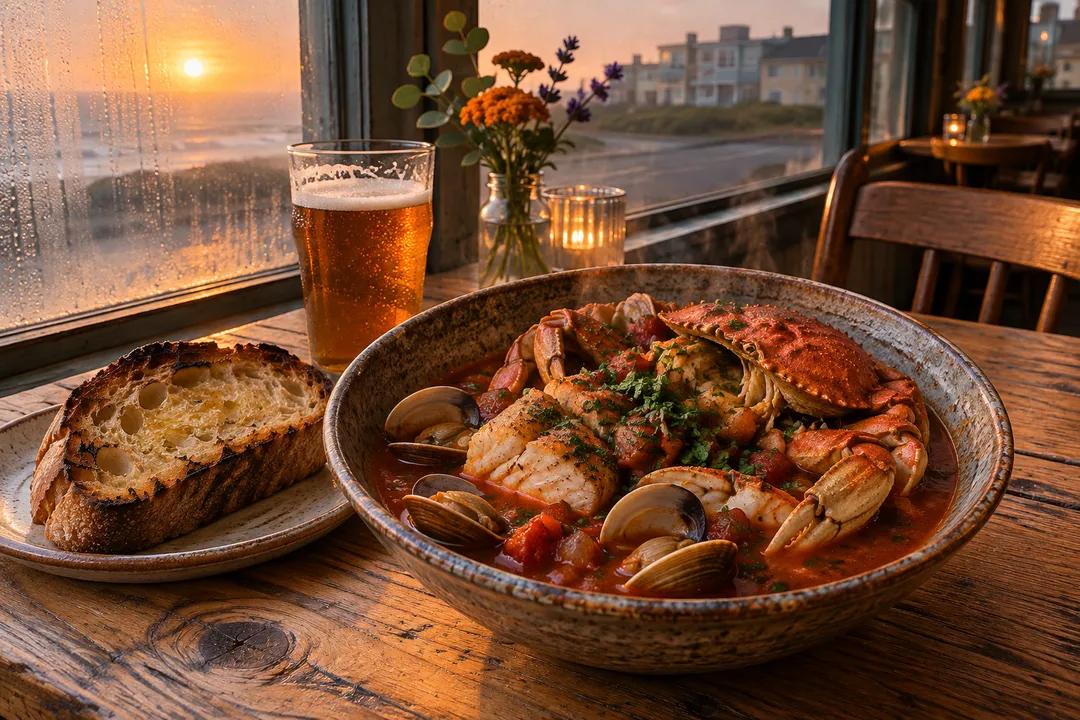
 Outer Sunset Cioppino Dinner Picker: Pots by Ocean Beach
Restaurants
Indian Restaurant Near Me: Pakwan for a Mission Dinner
A practical Mission District guide to Pakwan, with Pakistani comfort food, generous plates, and an easy neighborhood dinner plan.
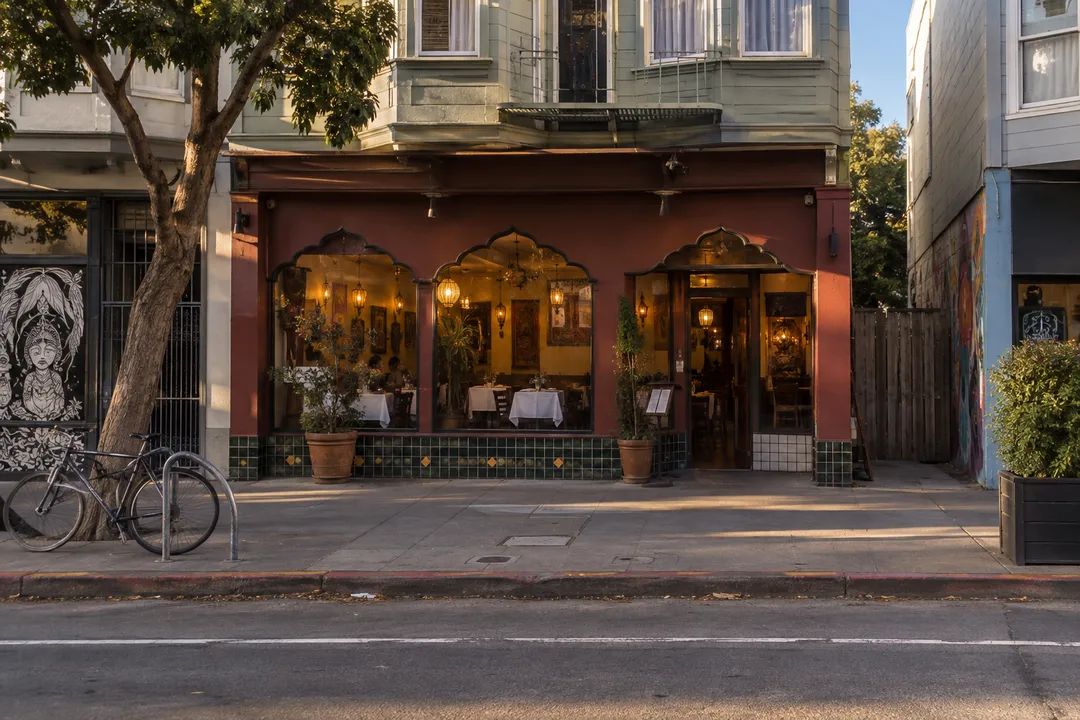
A search for an indian restaurant near me in San Francisco often ends in the Mission, where Pakwan has been a dependable answer for hungry diners since the late 1990s. The Mission location sits at 3180-82 16th Street, close enough to the 16th Street BART station for an easy pre-dinner walk. Its Pakistani and North Indian menu is intentionally unprecious: curries arrive hot, naan is built for tearing, and the room rewards people who came ready to eat.
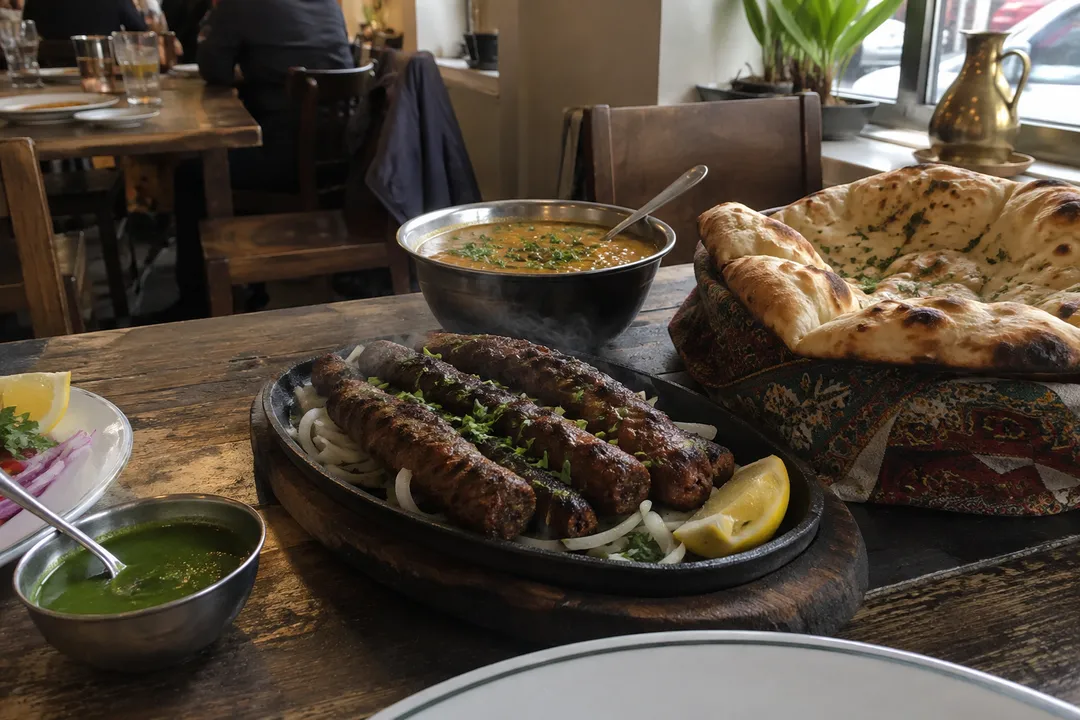
The useful Pakwan story is its staying power. This is the kind of restaurant that serves a student after a late class, a family splitting several curries, and a regular picking up kebabs on the way home. The menu is broad, but the kitchen's personality shows most clearly in grilled meats, aromatic rice, and breads that make sauce the center of the meal. A first visit works best when you order for contrast rather than collecting five versions of the same curry.
Arriving is straightforward by transit. Use the 16th Street BART station, then walk east toward the restaurant, or take the J Church, 14, 22, or 33 lines and allow a few extra minutes for the Mission's evening foot traffic. Drivers should expect a real street-parking search instead of assuming a space will appear at the door. The storefront is on a busy stretch, so save the address in your map before leaving and bring the whole group together outside.
Start with samosas or seekh kebab, which gives the table crisp pastry or smoky minced meat before the saucier courses land. A plate of samosas is about $8, and seekh kebab usually sits near $13. The point is not to fill up early. Use the starter to decide how much heat the group wants, and ask for chutney on the side if some diners prefer to build spice gradually rather than take the kitchen's full setting.
Achar gosht is the order for diners who want something more distinctive than the familiar butter chicken route. The lamb carries a bright pickled tang alongside warm spices, and a portion is roughly $18. It needs plain rice or naan to give the sauce room. Pakwan's best plates are not shy, so taste the curry on its own first, then add bread. That sequence makes the sourness and chili easier to read.
Chicken tikka masala is the friendly anchor at around $17, especially for a mixed table. It brings grilled edges and a creamy tomato base without turning the meal into a one-note red-sauce order. Pair it with garlic naan at about $4 and let the bread do the practical work. If the table is larger than four, add rice after the starters rather than ordering every main at once; Pakwan portions are made for sharing.
Vegetarian diners have enough substance to build an entire meal without treating vegetables as an afterthought. Chana masala, aloo palak, and a rotating vegetable curry usually land around $12 to $14. Dal is the quiet bridge between charred dishes and richer meat curries. Tell the server whether dairy, ghee, or stock matters to your order, since a clear question at the beginning is more useful than trying to decode every sauce after it arrives.
Biryani is the course that gives the table a second rhythm. Chicken or lamb biryani is commonly about $18, with fragrant rice carrying saffron, spice, and the juices from the meat. It is filling, so treat it as a shared main rather than an extra side. A spoonful beside achar gosht tastes very different from a spoonful beside tikka masala, which is why rice can make a two-dish order feel much larger.
Keep the drink simple. Mango lassi, salted lassi, chai, soda, and water are the natural companions for a meal built around chili, smoke, and bread. A lassi generally costs around $6, while chai is an inexpensive finish. Order the drink after choosing the food so it can cool or brighten the meal instead of dictating it. The Mission has plenty of bars later; Pakwan is strongest when the plate remains the focus.
Peak dinner can be busy, but the practical trick is to arrive before the main wave and have the table ready to order. Small groups can often find a seat with patience, while a larger party should call ahead and accept that the room is casual rather than ceremonial. If you have a show, train, or hard stop, say so when you arrive. Fast service helps, but it cannot erase a late group member or a long parking hunt.
Inside, expect a no-frills dining room where the menu does the decorating. Tables are best used family-style, with naan in the middle and rice arriving only after the curries are chosen. Pakwan is not a place for a delicate one-course tasting plan. It suits diners who like to pass plates, compare heat levels, and keep the meal moving. Ask about portion size before adding another entree, especially if you already ordered biryani.
Build the neighborhood walk around the meal. Before dinner, start on Valencia Street or pause at Mission Dolores Park, then head toward 16th Street as the appetite arrives. Afterward, continue toward the 24th Street corridor for pan dulce, bookstores, or a second look at the Mission's evening energy. Check the second stop's hours before you set out. The restaurant works best as one chapter in a walkable district, not as an isolated destination.
Practical notes are simple: budget about $35 to $60 per person before drinks and tip, wear comfortable shoes for the transit-and-walk version, and keep allergy questions specific. The room is casual, but a busy service can make a detailed request easier when stated before ordering. Confirm today's hours and prices because menus change. Pakwan is a strong fit for families, students, spice fans, and anyone who wants a satisfying meal without ceremony.
The best first order is one grilled item, one curry, one vegetable dish, and enough naan for the table. That formula lets Pakwan show its range without turning dinner into an inventory exercise. Note which chutney worked, how much heat felt right, and whether the 16th Street timing was comfortable. Those small observations are more useful than chasing a universal bestseller, because the restaurant's strength is how easily it becomes a repeat neighborhood meal.
Ask Karpo for more information.
Keep reading
- Outer Sunset Cioppino Dinner Picker: Pots by Ocean Beach
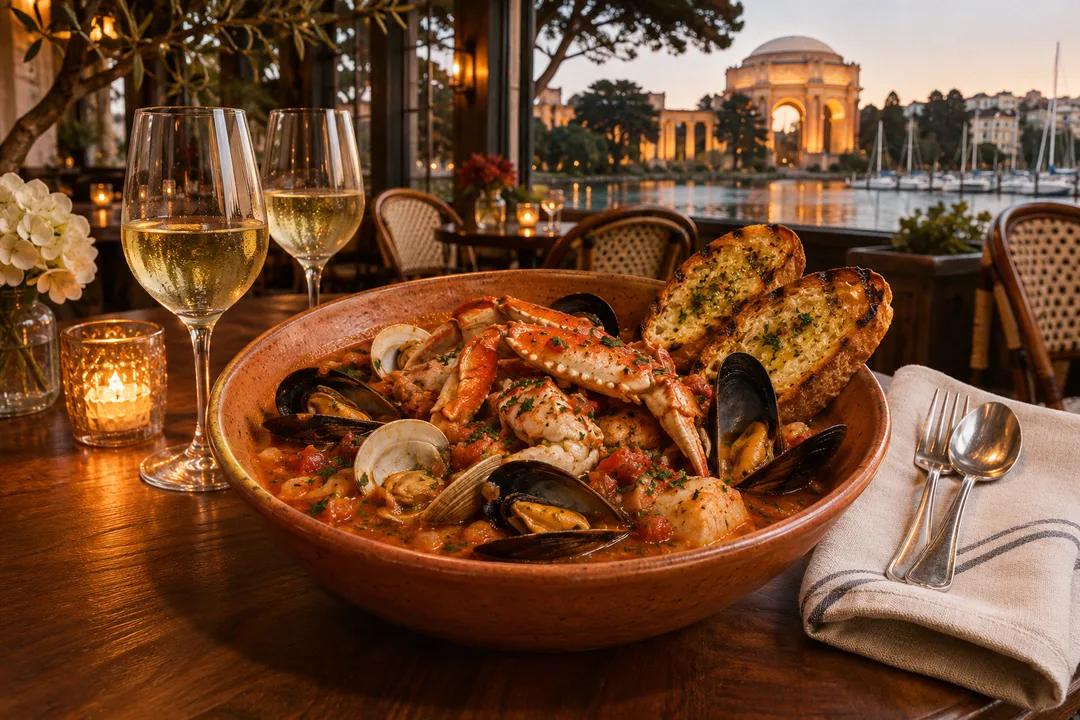 Marina Cioppino Dinner Picker: Bistros After Bay Walks
 Embarcadero Cioppino Dinner Picker: Pots by the Bridge