 Outer Sunset Cioppino Dinner Picker: Pots by Ocean Beach
Restaurants
Japantown Hot Pot Group Dinner Picker: Shabu or Sukiyaki
Shabu-shabu, sukiyaki or Chinese-style hot pot in Japantown? Match the style to your group, eat in the covered malls on a rainy night and finish at the Pagoda.
San Francisco's Japantown is one of only a few remaining Japantowns in the United States, a compact grid of shops, restaurants and covered malls around the Peace Pagoda. When the fog turns to drizzle, it is one of the coziest places in the city to gather a group around a simmering pot. The catch is that hot pot here comes in several styles, and a group of six often argues about which one to choose. This picker compares shabu-shabu, sukiyaki and Chinese-style hot pot for groups, so you can match the meal to your friends before you walk in.
Shabu-Shabu: Clean, Light and Precise
Shabu-shabu takes its name from the swishing sound of thin meat being swirled through broth. The broth is usually a light kombu dashi, nearly clear, and the focus is on the quality of the beef or pork. Each slice is dipped for a few seconds, then dunked into ponzu or sesame sauce. Many shabu-shabu rooms serve individual pots at a counter or small table, which suits groups with different diets since everyone cooks their own.
Shabu-shabu is the pick for groups who care about ingredients and want a lighter meal. It works well for a mix of health-conscious friends and anyone who finds heavy, spicy broths overwhelming. The downside for big groups is that counter seating can split the table into a row, which makes conversation harder.
Sukiyaki: Sweet, Rich and Shared
Sukiyaki is a richer, sweeter style cooked in a shallow iron pan with a soy, sugar and mirin sauce. Beef, tofu, onions, mushrooms and greens simmer together, and diners often dip each bite into a beaten raw egg, which coats the meat in a silky layer. It is traditionally a shared, celebratory dish, and it creates a warm, family-style atmosphere at the table.
Sukiyaki suits smaller groups who want an indulgent, comforting meal. The sweet, savory flavor wins over many first-timers. Some guests find the raw egg dip strange at first, so give them the option to skip it. Because the pan is shallow and shared, sukiyaki works best for tables of four to six rather than a big party.
Sukiyaki is also a good teaching dish. One person usually tends the pan, adding sauce and arranging ingredients, while others watch and learn. That shared ritual gives a small group a natural focus for conversation, and it is a lovely way to introduce friends to a Japanese home-cooking tradition.
Chinese-Style Hot Pot: Bold and Social
Chinese-style hot pot uses a deep pot of broth, often split into spicy and mild sides, with a wide range of meats, seafood, tofu, vegetables and noodles. A sauce station lets everyone build their own dip. It is loud, social and endlessly customizable, which makes it ideal for larger groups and anyone who loves chili heat.
If your group includes spice fans, adventurous eaters or people who want to try many ingredients, Chinese-style hot pot is the most flexible option. It handles big tables well, since several pots can share one long table. The trade-off is intensity. A table full of numbing broth and steaming plates is not always the relaxed meal some guests had in mind.

Matching the Style to Your Group
Use a simple test. If the group wants a calm, refined dinner with great meat, go for shabu-shabu. If the group wants a cozy, rich meal to share, go for sukiyaki. If the group wants energy, variety and spice, go for Chinese-style hot pot. Mixed groups can compromise with shabu-shabu rooms that offer a spicy broth option, which gives heat fans a little fire while keeping the clean style.
Ask Karpo APP to show hot pot, shabu-shabu and sukiyaki spots around Japantown that can seat your group, then share the shortlist with a note explaining the three styles. Most groups decide in a few minutes once they understand the difference.
Rainy Nights and the Covered Malls
Japantown's covered malls are a gift on wet San Francisco evenings. The group can meet inside, browse bookstores, stationery shops and snack stores, and walk to dinner without crossing a soggy street. That makes Japantown one of the easiest neighborhoods for a group dinner in the rainy season, especially if some guests are coming by bus and arriving at different times.
Plan to meet at a fixed spot inside the malls, such as near a well-known shop or the bridge between buildings, then walk to the restaurant together. It keeps the group from scattering and avoids a damp wait outside.
Rainy evenings also change the mood of the meal. A light shabu-shabu broth feels restorative after a cold walk from the bus, while a bubbling sukiyaki pan turns a damp night into something festive. Groups that arrive soaked often linger longer, ordering a second plate of greens and another pot of tea, so leave a little slack in the evening rather than rushing to the next plan.
Ordering Tips for Each Style
For shabu-shabu, choose one premium cut to share and a standard cut for the rest. Add a vegetable plate with napa cabbage, shungiku greens, tofu and mushrooms, and finish with udon or rice cooked in the leftover broth. For sukiyaki, add extra tofu and shirataki noodles, which soak up the sweet sauce. For Chinese-style hot pot, order in rounds and leave noodles for the end.
One honest tip. Skip mixing too many styles in one evening. A group that orders sukiyaki and then a spicy hot pot side often ends up with clashing flavors and too much food. Pick one style and enjoy it fully, then come back another night for the next one.
After Dinner at the Pagoda
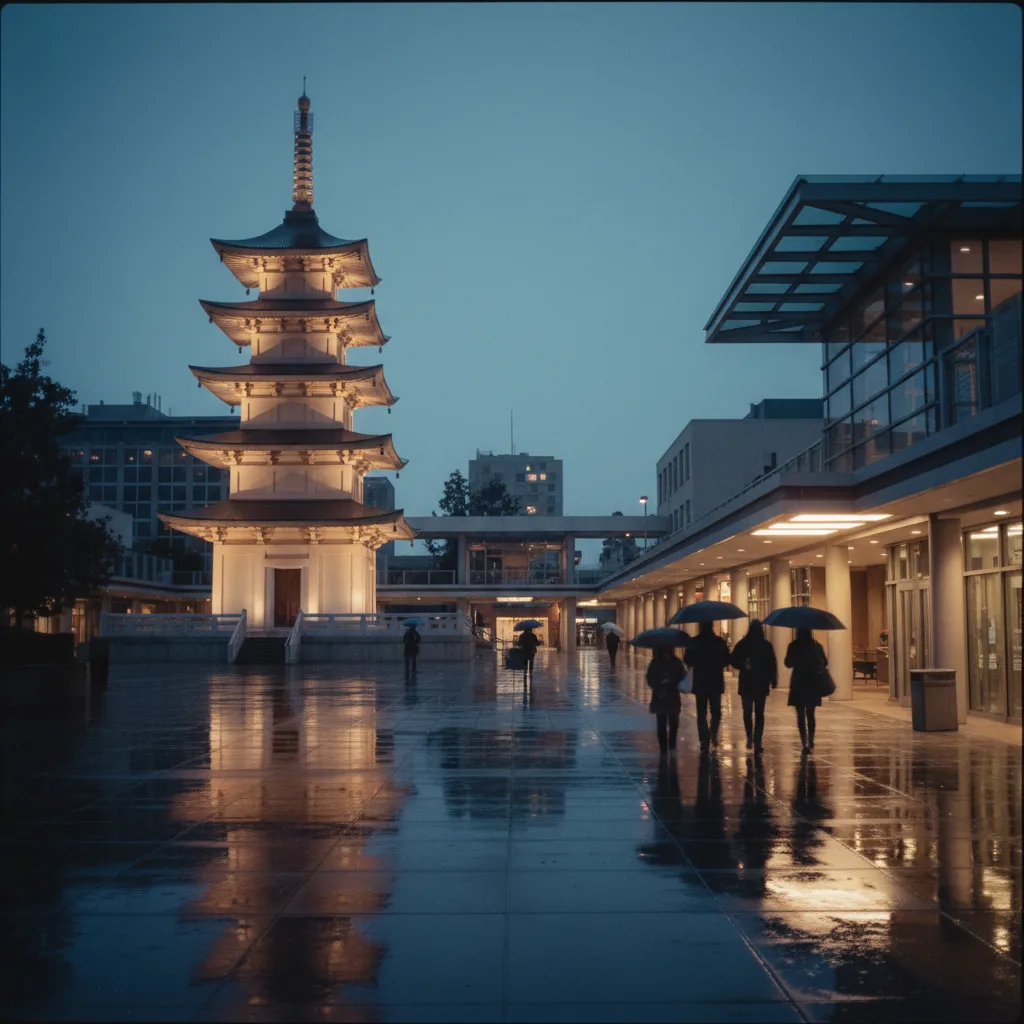
When the rain lifts, step outside to the Peace Plaza, where the five-tiered Peace Pagoda glows softly at night. It is a calm place to stand and talk after a steamy dinner. Japantown's dessert shops offer mochi, taiyaki and soft-serve, and a sweet bite is a nice finish after savory broth. Some groups browse the late-evening shops for snacks or small gifts before heading home.
If the group wants to keep going, Karpo APP can point you to a nearby karaoke room or dessert café that suits a group, which makes the night feel complete without leaving the neighborhood.
Practical Notes for Japantown Hot Pot
Decide the style first: shabu-shabu for clean and light, sukiyaki for rich and shared, Chinese-style for bold and social. Meet inside the covered malls on rainy nights. Share one premium cut and fill out with vegetables and noodles. Offer the raw egg dip as optional. Stick to one style per dinner. Finish with a walk to the Peace Pagoda and a mochi or taiyaki stop.
Ask Karpo for more information.
Keep reading
- Outer Sunset Cioppino Dinner Picker: Pots by Ocean Beach
 Marina Cioppino Dinner Picker: Bistros After Bay Walks
 Embarcadero Cioppino Dinner Picker: Pots by the Bridge