 Inner Sunset Irish Coffee Bar Night Picker for New Parents
Bars & Nights Out
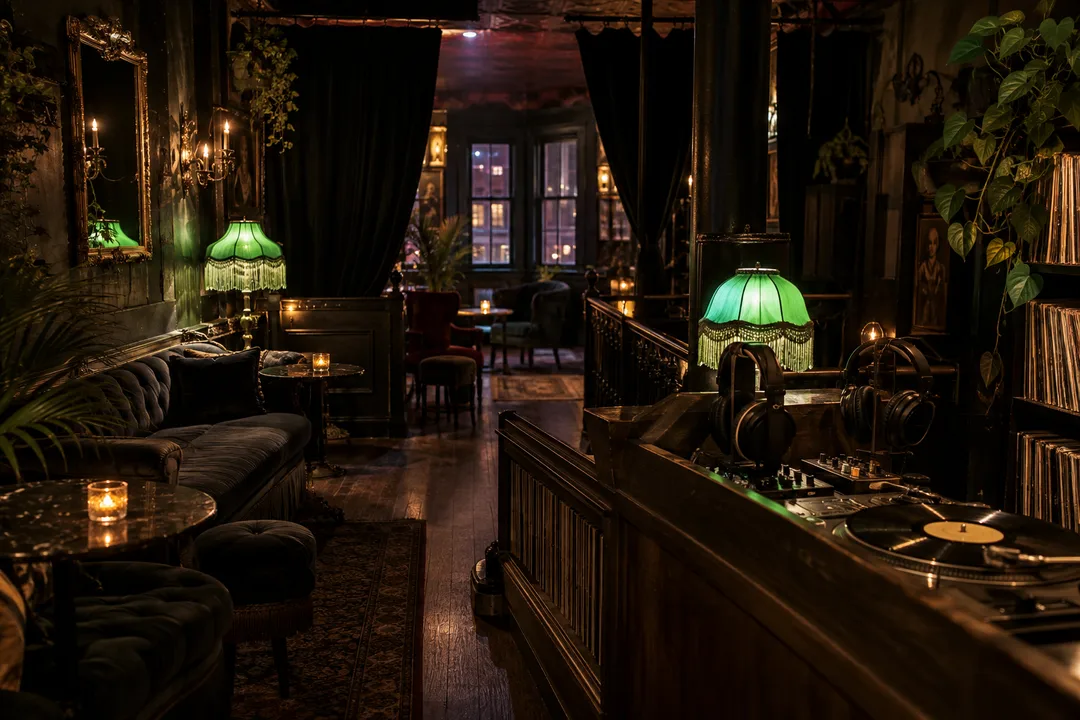
North Beach Goth Club: Find the Right Room for Your Sound
Plan a North Beach goth club night with Karpo APP: match dark music to your available time, choose a comfortable route, and keep a practical backup.
North Beach gives a goth club search a different shape: compact streets, late-night food, and rooms where a DJ set can sit close to conversation. Start by describing your desired sound and social pace, then add the time you have. Karpo APP can work from mood, schedule, or music, which makes it easier to build a night around a feeling instead of a generic label. Use the neighborhood as a useful frame while reading every event on its own terms.
Choose an audio reference
A single word such as goth covers many textures. Add two musical references, the kind of floor you want, and whether you prefer a live performance or a DJ-led night. If you want a room that allows talking, say it plainly. Those details help a North Beach search distinguish a focused dance set from an ornate event that only borrows the look.
Set a route radius you can explain
Define nearby by walking distance, one connection, or a willingness to cross the city for a special bill. Write the exception into the request so the planner understands your priorities. North Beach can be the anchor for the evening even when one candidate sits outside it. Keep the event’s stated location separate from your chosen starting point, and let that difference guide the comparison.
Ask what happens before midnight
Doors, opening sets, and the later dance portion may each have a different feel. If you want to talk first, ask for a sequence that gives you time before the room gets busy. If you want movement from the start, make that your main filter. A clear time shape prevents a promising title from turning into a night that starts too late for you.
Use a compact North Beach brief
Try: “Plan a North Beach goth club night for Thursday with coldwave and guitar, a small room, and an easy exit before the last transit window.” Replace the day and limit with your own. The example states a task for the Karpo APP; it does not promise a ticket, a performer, or a door outcome. A real brief gives the conversation something concrete to optimize.
Let follow-ups sharpen the room
If the suggestion feels too theatrical, ask for a more dance-forward option. If it is musically close but socially wrong, request a quieter threshold or a place with room to talk. Karpo’s mood and schedule language supports this kind of refinement. Keep the edit narrow so you learn which preference changed the result, rather than receiving another broad list with no explanation.
Record the reason behind each candidate
For every option, note the sound evidence, event format, date, start time, and route. Add the one unresolved detail you need to read on the source page. Then write a short reason to choose it and a reason to pass. This makes the decision visible and keeps a dramatic name from doing all the work. Return the strongest unresolved point to the conversation.
Make the first stop match your energy
North Beach can be a place for food, a slow walk, or a quick arrival before music. Tell the planner which opening feels best and whether you need a seat or a lower-volume start. A deliberate first stop makes the transition into a dark room smoother. Avoid stacking too many stops; the route should protect attention for the music you asked for.
Carry a second option nearby
A practical backup changes one variable without discarding the mood. Save an earlier event, a quieter room, or a shorter trip home, and decide how long you will wait before switching. A same-area fallback means one crowded entrance does not rewrite the whole evening. Note the reason for the backup in plain language so it is easy to use.
Take a short atmospheric walk
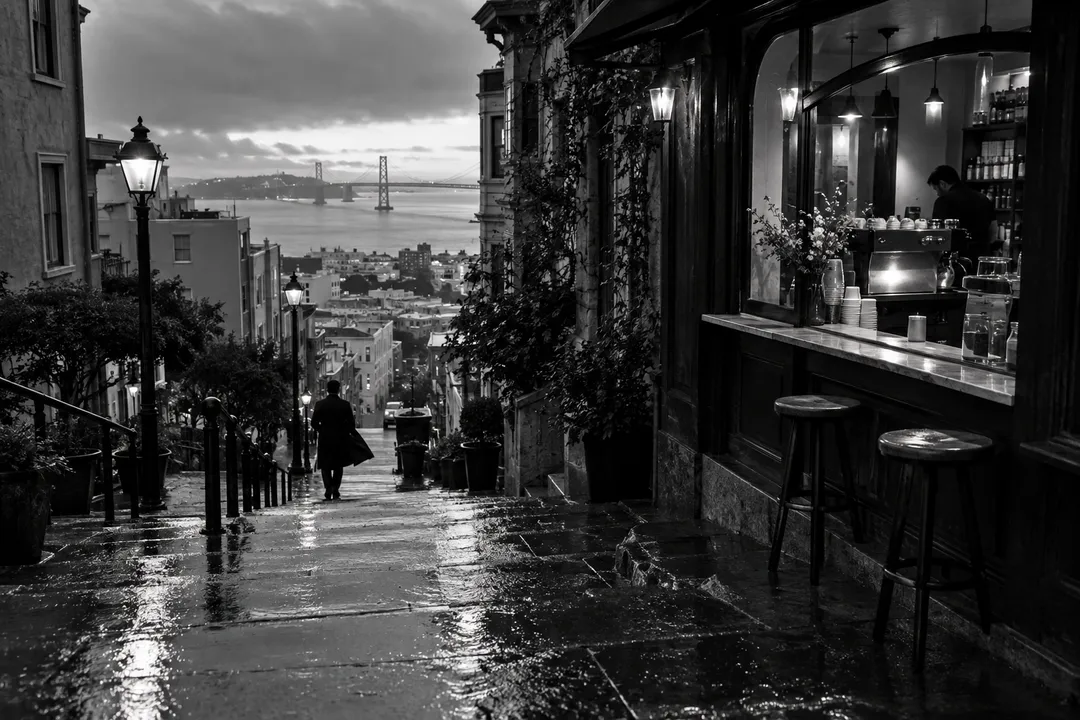
Choose one route detail you want to notice, such as old façades, a coffee counter, or the glow of a late storefront. Give that walk a clear endpoint and keep it short enough to protect the doors. In your request, say whether the stroll is essential or optional. Karpo can then treat it as part of the experience instead of an unspoken detour.
Write the exit before you enter
Set a departure time and leave a buffer for the queue, coat, and conversation at the end. If you might stay later, record a separate pickup or transit plan. The room can be mysterious while the route home remains clear. A goth-club plan should support your comfort after the final song, not ask you to solve logistics on the sidewalk. Name your music, room style, arrival time, and exit boundary. Read the event details for format and entry language, save a concise comparison, and keep a nearby alternative. Karpo APP can turn a mood-led request into a route you can actually follow. When two options feel equally atmospheric, use a human question to break the tie: which one gives you the kind of attention you want to bring home? A focused dance set may suit a night when you want movement; a smaller listening room may suit a night when you want detail and conversation. Tell the planner that preference directly. If someone is joining, agree on whether you leave together or simply meet at the first stop. Those decisions prevent a beautiful route from becoming a social puzzle. Keep the final note short enough to read on the way out: sound, doors, route, budget boundary, and backup. North Beach can supply the texture, while your brief supplies the shape. A final comparison should feel like a decision, not a vote between identical moods. Explain the winning tradeoff in one line so the route remains easy to follow. That line is also useful when you tell a friend why this night suits both of you. Keep that summary available before you step into the room. It lets you enjoy the first track instead of reconstructing the itinerary from scattered messages. A brief note can carry the whole evening. If the best match has a different start than expected, decide whether the sound or the timing is the fixed point. Say that choice out loud in the brief so the planner can make a useful tradeoff instead of guessing. Keep the final choice understandable to anyone joining the plan. A clear final line makes the route easier to share. Use the final comparison to ask what kind of memory you want to carry home. If you want uninterrupted dancing, prioritize format and first-hour timing. If you want to notice the room and talk between songs, prioritize a smaller social pace. Write that intention in the request so a visually similar event does not win by accident. When candidates arrive, read the source description for the facts you care about and keep your own note beside it. Agree on where the group meets, when the route changes, and how late each person wants to stay. North Beach supplies texture on the walk, but the brief gives the night its shape. If a late detail changes, update the event line rather than throwing away the whole plan. Save the revised choice and the reason it still works, then enjoy the street, the espresso pause, and the music without re-litigating logistics.
Ask Karpo for more information.
Keep reading
- Inner Sunset Irish Coffee Bar Night Picker for New Parents
 Mission Irish Coffee Bar Night Picker for a Sober Friend
 Richmond District Irish Coffee Bar Night Picker for Fiddlers