 Inner Sunset Irish Coffee Bar Night Picker for New Parents
Bars & Nights Out

Dogpatch Goth Club Darkwave Night Event Planner
Plan a Dogpatch goth club night with Karpo APP: match dark music to your available time, choose a comfortable route, and keep a practical backup.
Dogpatch can make a goth club search feel spacious and industrial, but the useful plan still begins with your own constraints. Decide whether you want a DJ-led floor, a live performance, or a room that leaves space for conversation. Karpo APP can start from mood, schedule, or music. Use Dogpatch as the setting for the request, then let each event’s details determine whether it belongs in your evening.
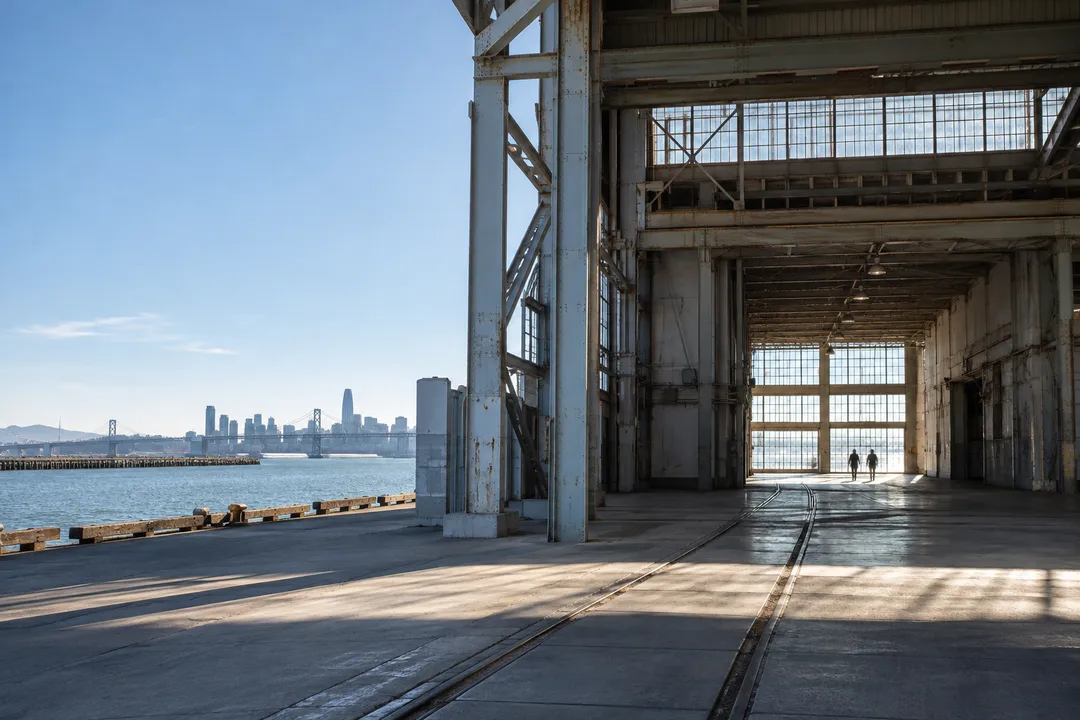
Describe the atmosphere in sound
Industrial architecture does not guarantee industrial music. Name the actual texture you want, such as low synths, pounding EBM, cold guitars, or a slower set with room to breathe. Add an artist reference and a social preference. That combination helps a Dogpatch search separate a dark visual backdrop from the musical experience you are seeking.
Set a boundary that respects distance
Say whether you want to stay close to Dogpatch, accept one connection, or travel for an unusually good match. Include the reason: a short night, a group arriving from different areas, or a willingness to trade distance for sound. The planner can weigh that boundary when comparing events. A neighborhood name is a preference, not a guarantee about a venue or lineup.
Choose the right arrival rhythm
Read doors, first set, and late programming as separate moments. If you need time to eat or settle, put that before the music in the request. If you want the floor immediately, make early energy the filter. Dogpatch routes can feel longer when the sequence is vague, so a clear arrival rhythm protects the time you actually have.
Make a Dogpatch brief
Try: “Plan a Dogpatch goth club evening for Friday with industrial dance music, a straightforward arrival, and a route home before midnight.” Substitute the real date and boundary. This is a product-flow example for Karpo APP, not a claim about a current event or ticket. A focused brief gives the planner a task instead of a loose aesthetic.
Ask one useful follow-up
If the first answer favors a concert but you want dancing, say so directly. If the music fits but the room sounds too intense, request a calmer opening or a shorter stay. Mood, schedule, and music are the handles named on Karpo’s public site; use one handle per follow-up. A narrow revision teaches the conversation more than a completely new search.
Keep an industrial-night scorecard
Write the event date, sound evidence, format, door time, route, and one uncertainty for every candidate. Then add a choose reason and a pass reason. The scorecard lets the atmosphere stay exciting without hiding a timing problem. Keep links with the note and return the unresolved item to the planner when you want another comparison.
Stage the first hour
Decide if your opening is a meal, a waterfront breath, or a direct move toward the room. Mention whether you need a seat, a lower-volume start, or an easy place to regroup. Dogpatch’s character can be part of the transition, but the first hour should serve the music brief. A shorter sequence often feels more intentional than a crowded itinerary.
Hold a route-safe backup
Select a second option that changes one quality while keeping the industrial mood: earlier doors, a shorter walk, or a quieter side of the night. Set a line-wait limit and write the fallback beside the first choice. If the door changes, you can switch without crossing the city or losing the reason you went out.
Make the neighborhood walk purposeful
Pick a single visual cue and an endpoint before the music. You might want brick, rail, water, or a coffee stop, but keep the walk short enough to protect the start time. Tell Karpo whether this transition is required or optional. A defined walk adds texture to the outing without turning route planning into another source of stress.
Plan the last mile
Write your departure boundary, preferred transit, and a buffer for the queue and coat. If you may stay for a later set, add a separate pickup plan. The most atmospheric room cannot solve a rushed exit, so make the last mile part of the initial question. That keeps the search useful after the final track, when logistics matter most. Name the industrial sound you want, give the real date and arrival window, and state your exit plan. Read each event’s format, keep a small scorecard, and save a same-area backup. Ask Karpo APP for a mood-led route that fits the night you can actually make. For a group, add arrival roles to the brief. One person can hold the event link, another can choose the meeting point, and everyone can state a departure boundary. That division reduces the chance that one late message changes the whole night. If you are alone, write the same information for yourself in a compact note. The industrial setting may invite exploration, but a clear first stop and a known last mile keep the outing comfortable. Ask for alternatives by the quality you would trade, such as a shorter walk for a slightly less exact sound match. A good Dogpatch plan leaves enough openness for atmosphere while keeping the important decisions visible. Revisit the brief on the day and update only the date or event details that actually changed. If weather or transit changes the route, preserve the meeting cue and the departure rule first. Then adjust the walk or the event preference. This order keeps a small disruption from becoming a total reset. Write the revised plan in the same short note so every person is looking at one version. The best practical detail is the one that remains readable when the room is loud and the group is moving. Keep the summary visible to everyone, especially when the venue is loud. One shared route and one clear fallback are more useful than a dozen unranked links. This small discipline preserves the atmosphere while the route changes. Put the departure cue beside the meeting cue so nobody has to search for it. Keep an alternate route in reserve for a late change, but do not add unranked choices. The point of the brief is to make the next action obvious, even when the atmosphere is deliberately open-ended. That final note keeps the atmosphere open while preserving the decisions that make the night comfortable. Keep that line next to the departure cue. The most helpful Dogpatch request names both the desired intensity and the effort you can spend reaching it. A wide industrial room may be worth a longer route on a free night; a short weekday outing may need the closest workable option. Put that distinction in your own words and ask for a comparison that explains the compromise. If several friends are involved, agree on one meeting cue and one departure cue, and give each person a way to join or leave without restarting the search. A bright waterfront walk can be part of the experience, but it should not hide a late start or uncertain return. If conditions change, move the walk first, then revisit the event preference, and keep the exit rule intact. The final note can be brief: sound, arrival, meeting point, departure, and fallback. Those fields let the industrial atmosphere stay open-ended while the practical part remains easy to follow.
Ask Karpo for more information.
Keep reading
- Inner Sunset Irish Coffee Bar Night Picker for New Parents
 Mission Irish Coffee Bar Night Picker for a Sober Friend
 Richmond District Irish Coffee Bar Night Picker for Fiddlers