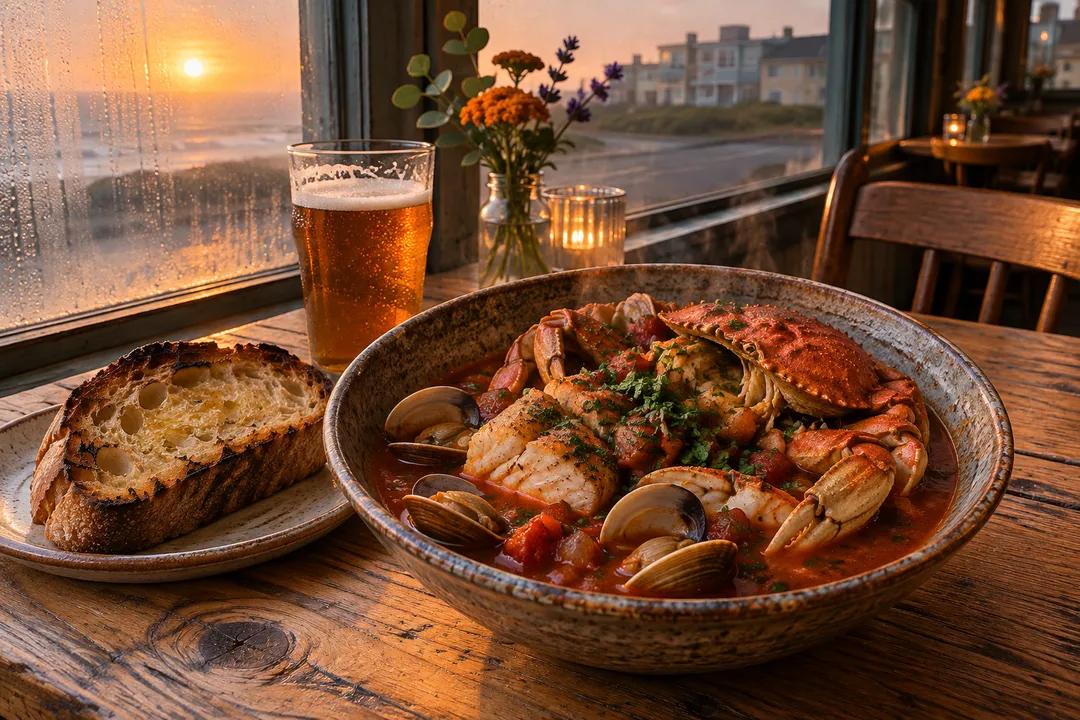
 Outer Sunset Cioppino Dinner Picker: Pots by Ocean Beach
Restaurants
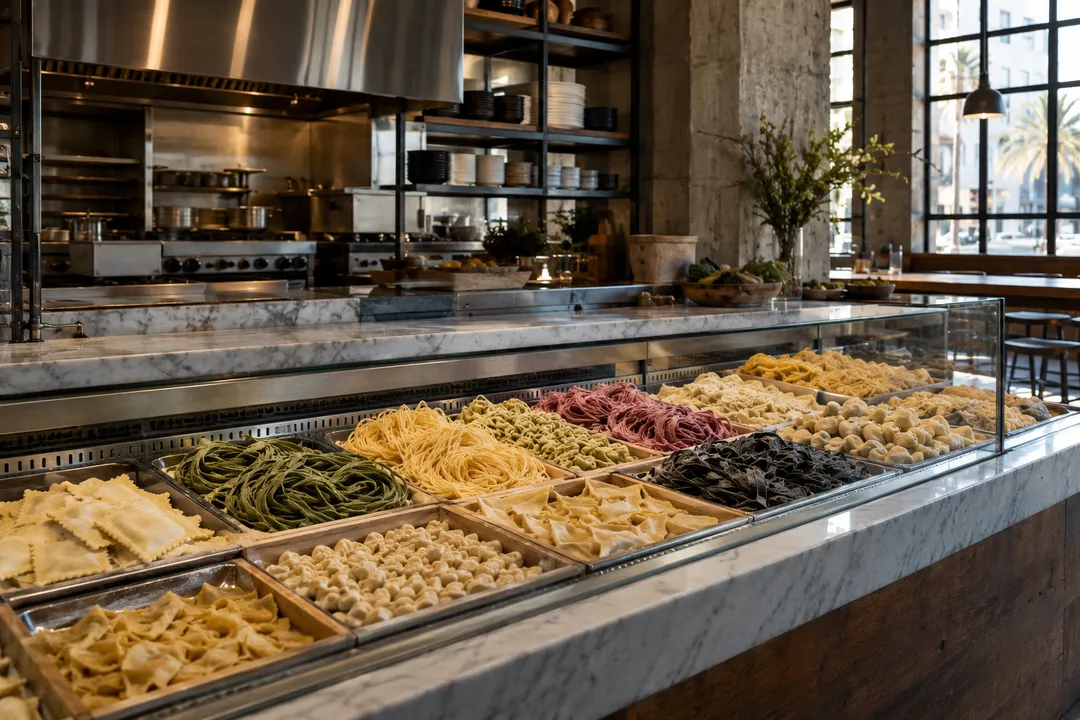
Flour + Water Fresh Pasta Shop: Choose Your Dinner Shape
Flour + Water Pasta Shop at 3000 20th Street is a Mission fresh pasta shop for handmade shapes, quick sauce decisions, and a focused take-home dinner.
Flour + Water Pasta Shop at 3000 20th St places fresh pasta inside a Mission itinerary that can be as focused or as leisurely as you make it. The right way to visit is to choose a cooking purpose before the display starts making every shape look necessary. This is a shop for a person who wants the texture of handmade pasta but still needs a practical weeknight answer. Buy with the sauce, travel time, and number of diners already in mind.
Pick the Shape, Not the Hype
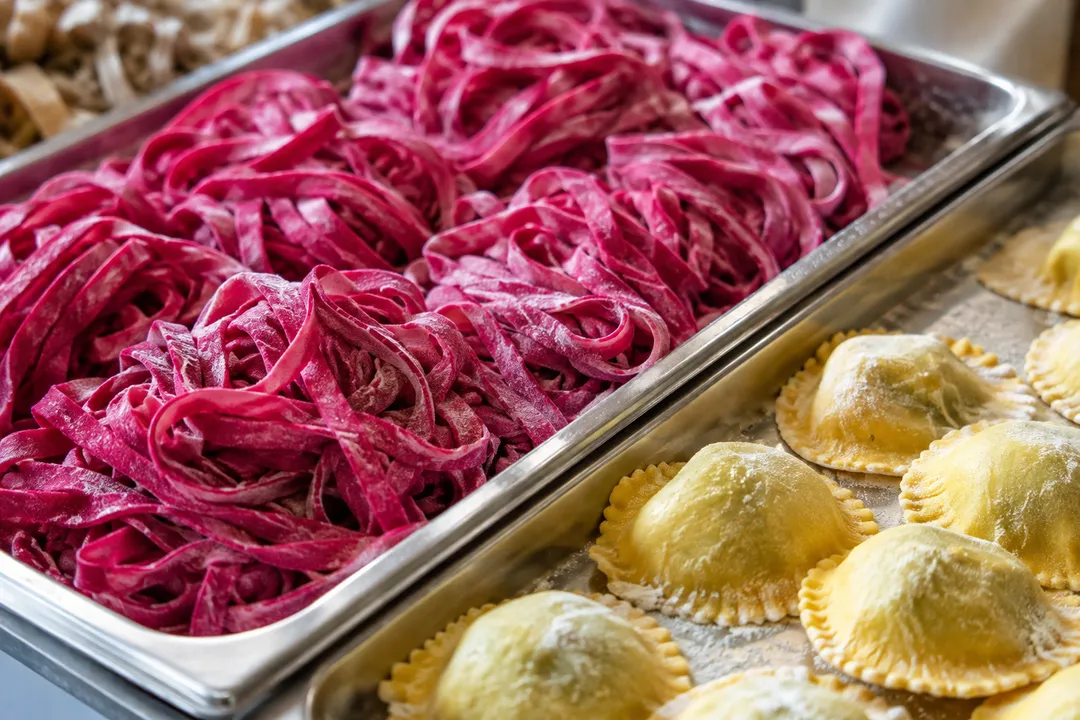
Start with a filled shape when you want one package to carry the meal. Ravioli or tortellini can take a simple finish, and the filling gives dinner character before you add many ingredients. Look for a shape that matches your timing, not a complicated recipe you will abandon after work. A restrained sauce keeps the handmade texture clear and lets the filling remain the center of the plate.
Broad ribbons are useful when you have a sauce with enough body to cling. Tagliatelle and pappardelle make a pantry tomato sauce, ragù, or cream-based finish feel complete without a long list of toppings. Put the sauce together first, then cook the pasta because the fresh dough will not wait patiently in the colander. This order of operations prevents an exciting purchase from becoming a rushed dinner.
The shop is especially helpful for a small gathering where everyone wants something different. Choose one filled option, one long cut, and a simple vegetable or salad rather than buying a separate entrée for every person. Ask a clear question about quantity or storage and then step aside so the next cook can browse. The counter works best when curiosity is paired with an actual plan.
A Mission Pasta Counter With a Point of View
Flour + Water’s story matters because the shop connects a restaurant-minded pasta tradition to a format people can take home. The result is more useful than a novelty counter: you can learn how the dough behaves and then repeat the meal in your own kitchen. Treat the display as a set of cooking invitations. A shape is worth buying when you can name the sauce and the evening it belongs to.
Mission crowds reward a little preparation. Review the available choices before you reach the counter, decide whether the pasta is for tonight or tomorrow, and keep your questions specific. If several people are shopping together, appoint one person to make the pasta choice while another handles cheese or vegetables. That division keeps the stop efficient without making it feel hurried.
Fresh dough travels best when it is protected from heat and pressure. Put it in a flat tote, keep heavier groceries away from the package, and make it the final perishable purchase. At home, refrigerate it promptly and read the cooking guidance before heating the water. Fresh pasta has a short window, but that is part of its appeal: dinner can happen soon.
Walk the Block Without Losing Dinner
Solo cooks can make the shop work by buying exactly what they can finish. One package, one sauce, and one green vegetable are enough for a satisfying plate. Avoid treating the shop like a pantry you need to conquer in one visit. The better habit is to return when a specific shape fits a planned meal, which keeps the ingredient fresh and the cooking relaxed.
For mixed dietary preferences, ask about fillings, sauces, and possible cross-contact in direct language. A vegetarian choice is useful only when it fits the rest of the meal and the kitchen’s handling practices. Keep sauces separate if diners want different levels of richness. Clear questions at the counter are more useful than trying to infer every detail from the shape alone.
After shopping, keep the Mission walk short. A coffee, a quick look at nearby storefronts, or a direct transit connection can complement the pasta stop. A long detour is less appealing when the bag contains a delicate fresh ingredient. Let the neighborhood provide context, then head home while the meal is still easy to time. The best route is the one that protects the cooking plan.
Practical Notes for Your Bag
For navigation, use 3000 20th St, San Francisco, CA 94110, and check the official Flour + Water site for the current shop details before visiting. Carry a flat bag and leave space for the pasta to lie level. If you are buying for a dinner party, label each package at home so different fillings do not become a guessing game once the water is boiling.
Selection is seasonal and practical. The display may change, so do not build a rigid menu around a shape you have not seen that day. Instead, carry two sauce ideas: one light and one robust. That small backup gives you flexibility without encouraging overbuying. The best fresh pasta shop visit feels responsive because you can adapt the dinner while keeping its main structure intact.
When cooking, salt the water thoughtfully, reserve a cup before draining, and finish the pasta in its sauce. Fresh dough needs a gentler hand than dried pasta, particularly when the pieces are filled. Taste before adding more cheese or salt. A short cooking time is not a shortcut; it is the ingredient telling you how to proceed.
Karpo APP can help extend the visit by finding a nearby coffee, market, or short walk from the 20th Street address while keeping the radius practical. Say that you are carrying fresh pasta and want to be home soon. The app is most useful after the shop has solved the hard part: deciding what dinner will be. That balance between craft and convenience is what makes this Mission stop worth repeating. For a first visit, photograph the package label before leaving if you are buying more than one shape. That small record keeps cooking directions attached to the right pasta once the groceries are unpacked. It also makes the next visit more efficient because you can remember which cut suited your sauce and which one needed to be cooked immediately. A specialist shop becomes more useful when each purchase teaches you something specific about your own kitchen. The Mission location is best approached with a defined exit time. Fresh pasta does not need a complicated itinerary after purchase, and a direct route protects both texture and dinner timing. If plans change, refrigerate the package as soon as possible rather than leaving it in a tote while the day expands. Good planning here is not fussy; it is the simplest way to make handmade pasta feel easy.
Ask Karpo for more information.
Keep reading
- Outer Sunset Cioppino Dinner Picker: Pots by Ocean Beach
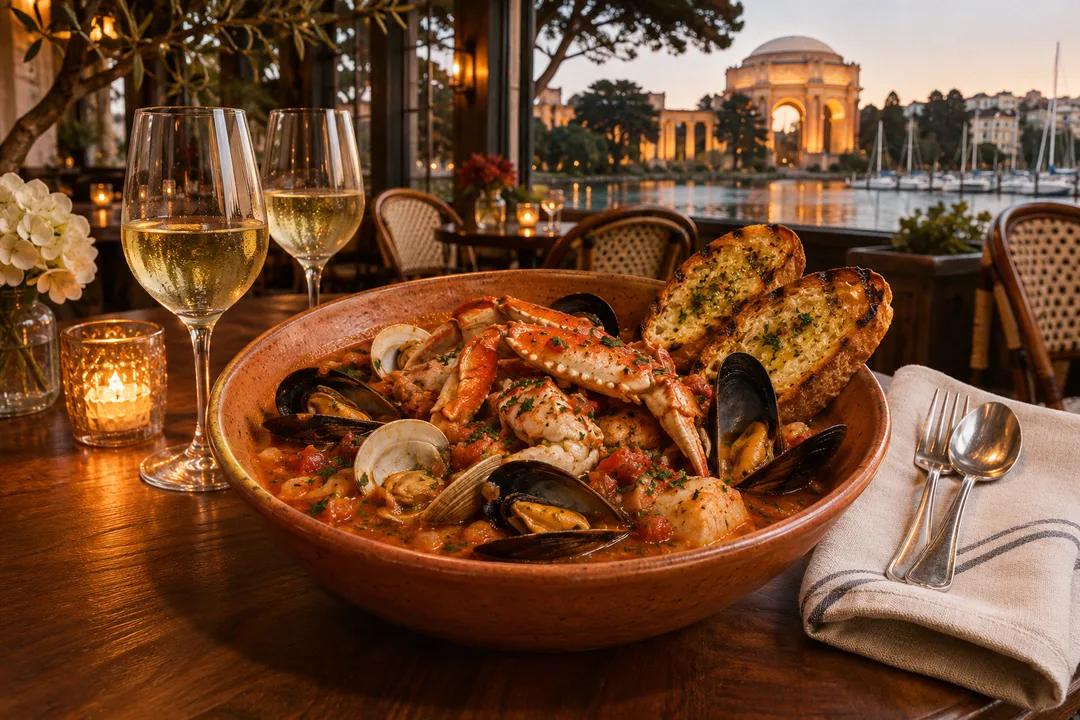 Marina Cioppino Dinner Picker: Bistros After Bay Walks
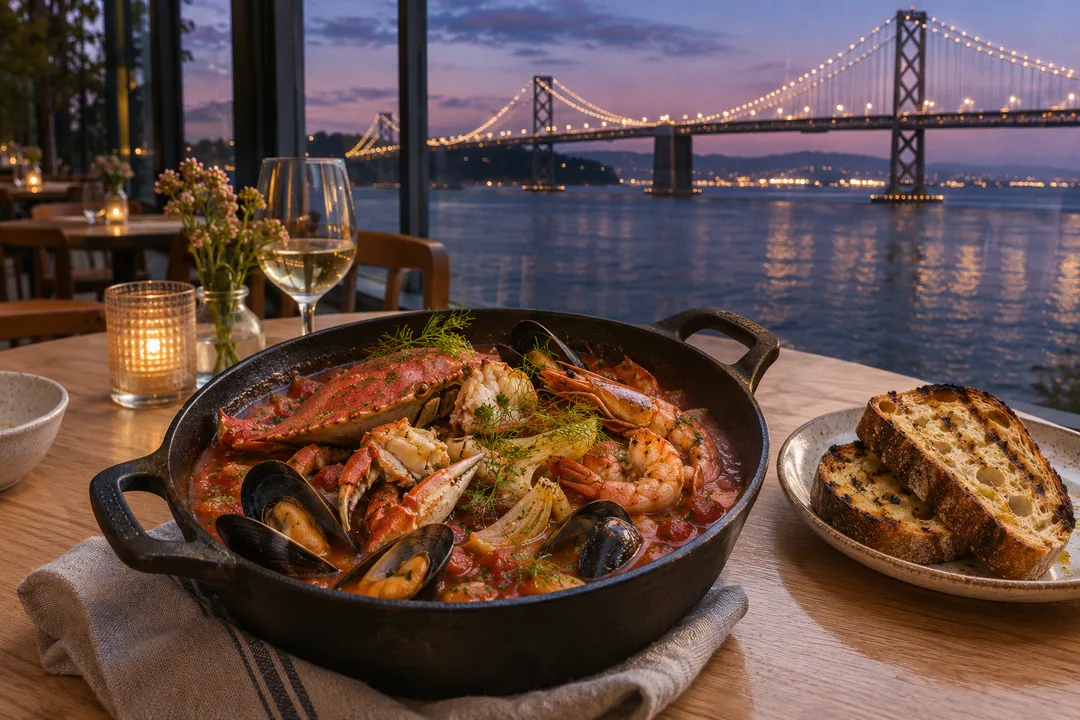 Embarcadero Cioppino Dinner Picker: Pots by the Bridge