San Francisco's museum-admission calculus shifts after dark on certain weeknights, when a handful of Mission institutions swing open their doors without charge. Late May 2026 brings the double gift of longer twilight and the district's full roster of free evenings—enough to plan a month of Thursday and Friday nights around art, history, and the kind of meal that costs less than a museum ticket would have. The strategy is simple: time your visit to catch golden hour on the walk between gallery and table, and let the neighborhood's deeply rooted food culture finish what the curator started.
The free-night landscape
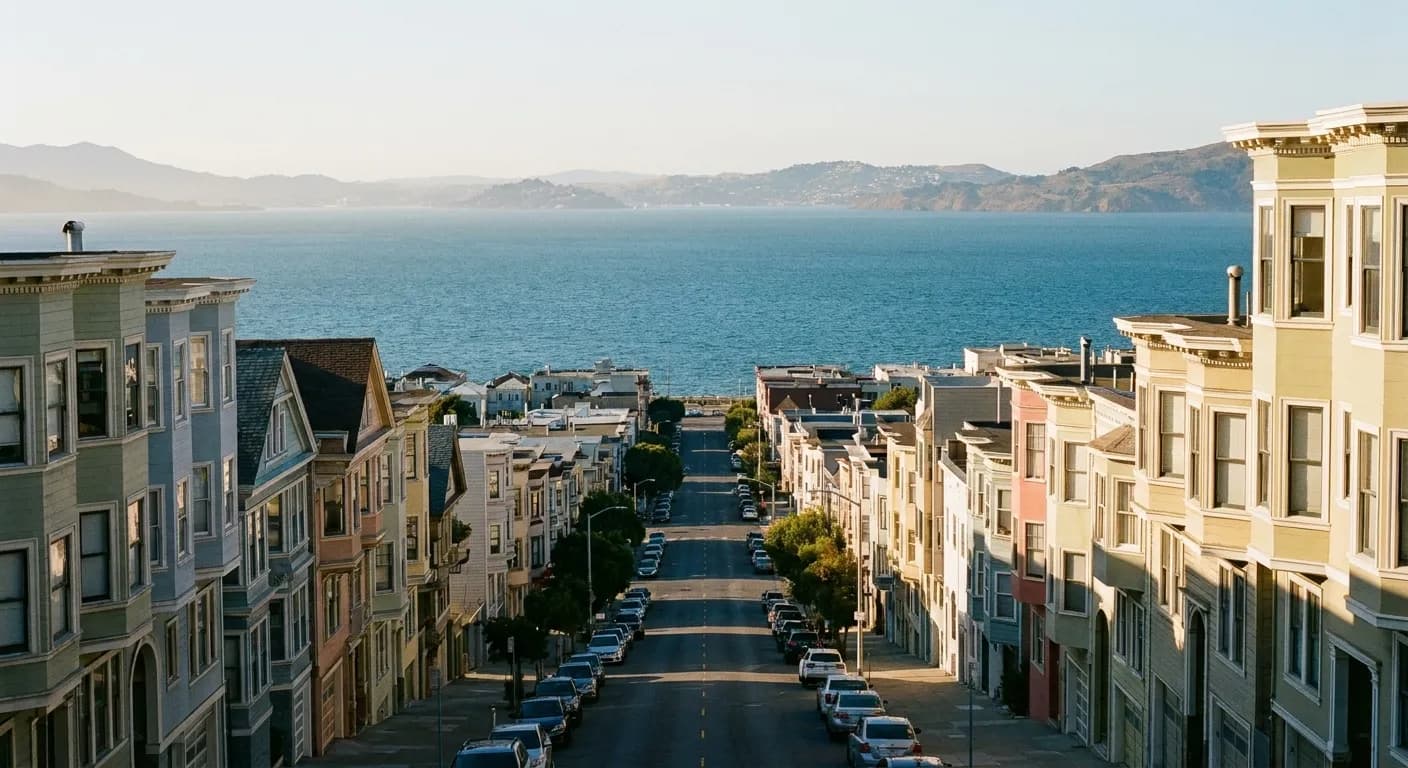
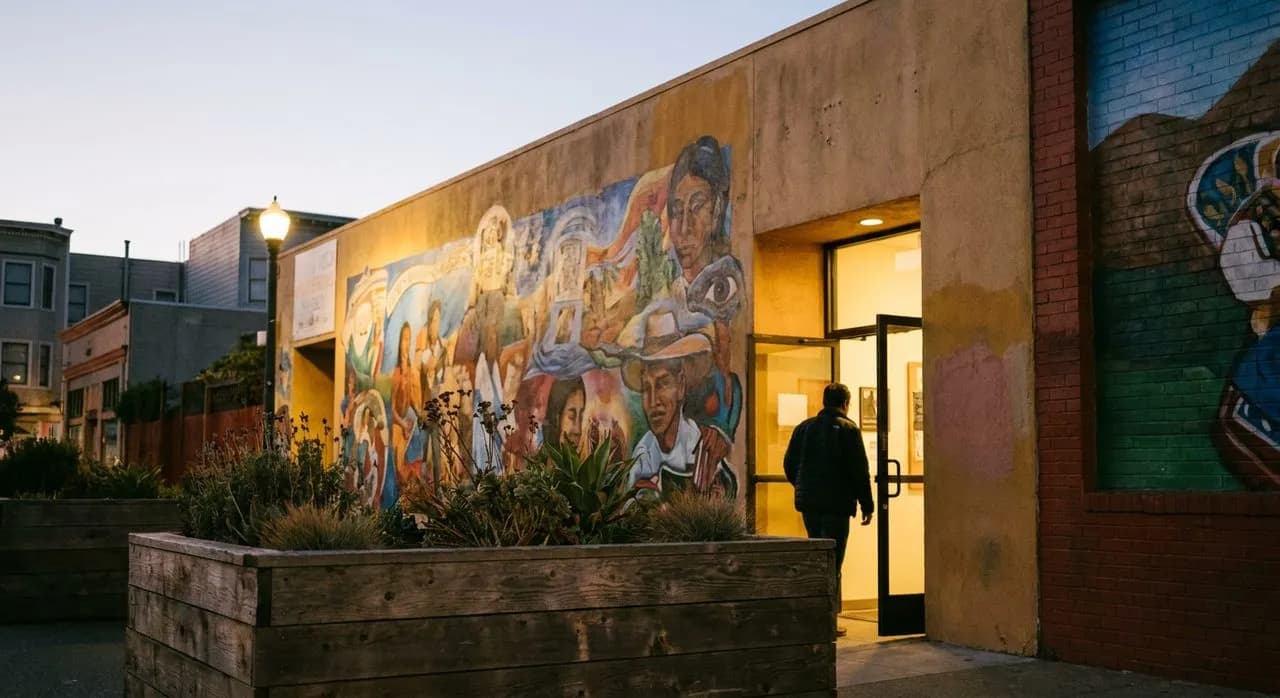
Several San Francisco museums offer free admission on select days or nights, but schedules vary by institution and should be verified directly, with most institutions offering a three- to four-hour window starting between 5 and 6 p.m. Late May means you're walking out into daylight that stretches past eight o'clock, the kind of warm, slanting California gold that makes the murals along Balmy Alley and Clarion Alley glow like stained glass.
These aren't hurried, compromised experiences. Galleries are quieter than weekend afternoons but livelier than early weekday mornings. You'll share the rooms with a cross-section of the city: design students sketching in notebooks, couples on budget date nights, parents with school-aged children learning to look slowly. The staff seems to relax a bit, too, once the pressure of paid admission lifts.
Pairing strategy: north Mission
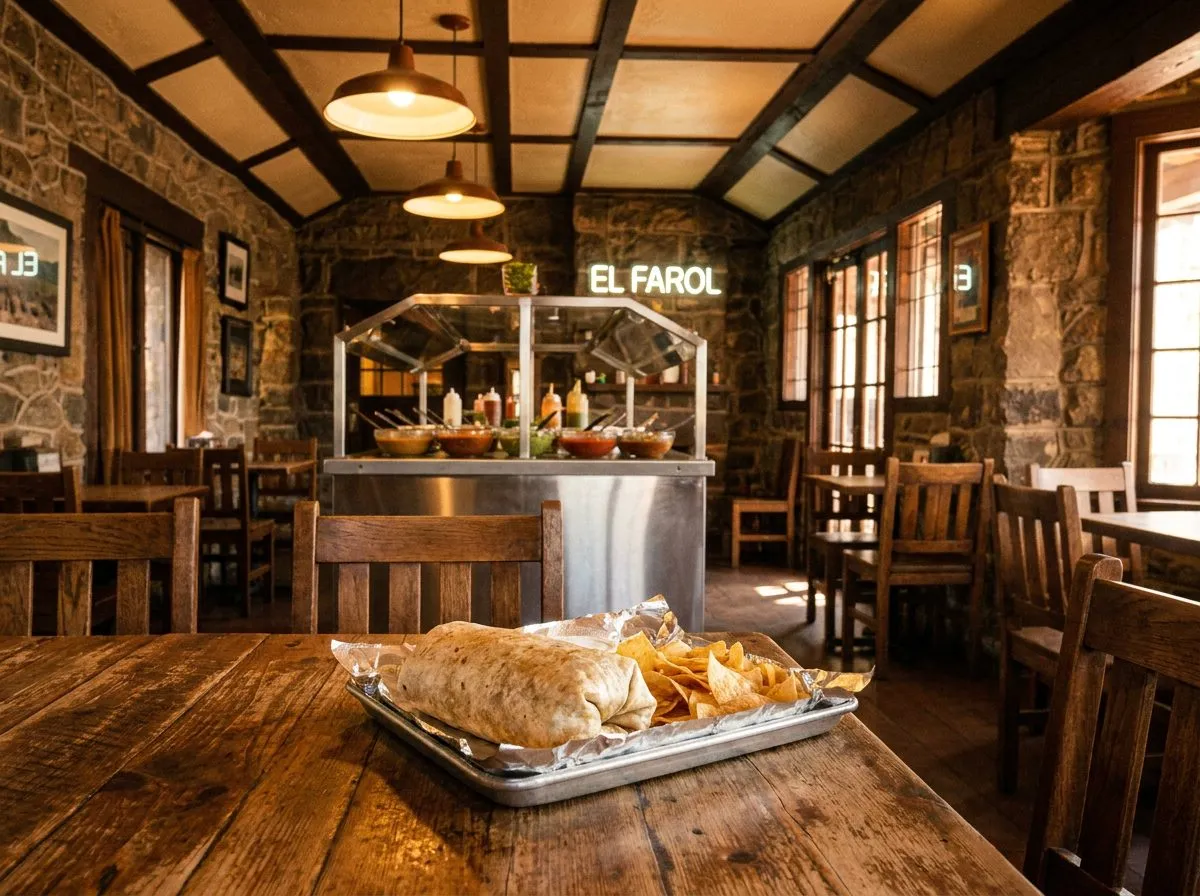
Start at one of the 16th Street corridor institutions, then walk south toward 18th or east toward Valencia. This part of the neighborhood holds the highest density of taquerias, pupuserias, and counter-service spots that have anchored their blocks for decades. You're looking for places where the menu is laminated or handwritten on posterboard, where the line at 7 p.m. includes construction workers still in boots and freelancers tapping laptops between bites.
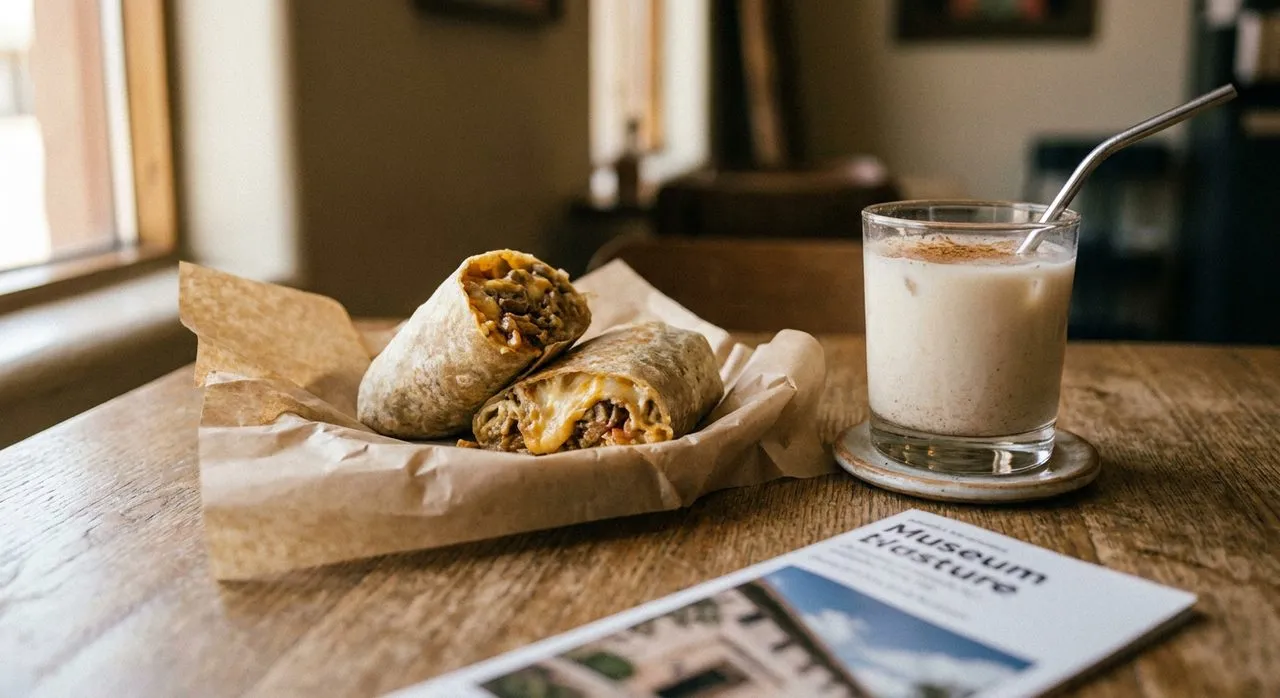
A classic move: museum until 7:30, then a Mission-style burrito—rice, beans, meat or vegetables, cheese, crema, salsa fresca, avocado if you're willing to pay the upcharge—wrapped in foil thick enough to insulate your hands. Eat it on a bench in Dolores Park if the fog hasn't rolled in yet, or claim a plastic chair inside and watch the kitchen's salsa-station choreography. The whole evening, including a horchata or Jamaica, runs under fifteen dollars before tip.
Pupuserias and the art of the griddle
The Mission's Salvadoran restaurants deserve equal billing. Pupusas—thick corn-masa rounds stuffed with cheese, beans, chicharrón, or loroco—come off cast-iron griddles with crisp, golden edges and molten centers. They arrive in twos or threes on oval plates, sided with tangy curtido slaw and a thin, rust-colored salsa that's more tomato than heat. It's food that rewards a slow museum wander; you'll be hungry enough to appreciate the heft, awake enough to notice the nutty char on the masa.
Look for the restaurants along 24th Street and Mission Street proper, where hand-painted signs advertise pupusas by the half-dozen. Many of these kitchens keep a second menu of Salvadoran specialties—yuca frita, platanos fritos, tamales wrapped in banana leaf—but the pupusa is the house anthem. Order an assortment, add a tamarindo drink, and you're out the door for twelve dollars, ready to catch the last light fading over the Valencia Street bike lane.
BYOB wild card
Some restaurants in the Mission allow BYOB or charge corkage, but policies vary and should be confirmed with the restaurant and offering the kind of sprawling, family-style menu that pairs as well with a cold lager as with a funky orange wine. The space is plain—white walls, fluorescent light, laminate tables—but the kitchen's pho and shaking beef have earned the loyalty of regulators who treat it as a neighborhood fixture. Grab a bottle from one of the nearby wine shops or corner markets, settle in, and stretch a thirty-five-dollar dinner for two into a two-hour evening that feels both extravagant and thrifty.
This maneuver works best on Fridays, when the museum crowds thin out earlier and you're not rushing to beat a weeknight bedtime. The restaurant fills reliably by 7:30, so aim for an early table or embrace the wait with a walk around the block. Late May's extended dusk turns the in-between time into a gift rather than dead air.
South Mission anchors
The museum-free nights cluster north of 20th Street, but the eating opportunities deepen as you head toward 24th Street BART. This stretch holds some of the district's oldest family-run taquerias and fruit-cart vendors who park on the same corners every evening, selling mango spears dusted with chili powder and lime. The walk from museum to meal becomes part of the architecture of the night—ten or fifteen minutes on foot, enough to reset from looking at art to thinking about dinner without the jolt of a car or rideshare.
If you've spent an hour among paintings or artifacts, the sensory shift to a busy taqueria is nearly as bracing as the food itself. Steam from a pot of beans, the rhythmic slap of tortillas on the comal, cumbia or norteño music from a kitchen radio, the bright astringency of cilantro and lime—every surface of the experience wakes you up. It's the kind of value that has nothing to do with price, though the price remains absurdly generous.
Mapping your month
Eight venue combinations is enough to fill a month of late-spring weeknights without repeating yourself. Pair the northernmost museum with a pupuseria on 24th. Match the mid-Mission gallery with a burrito counter on 16th. Save the BYOB option for a Friday when you want to slow everything down. The formula is flexible enough to absorb mood, weather, and which friend you've convinced to join you—the one who likes contemporary art needs a different museum than the history obsessive, but both will agree on the carnitas.
Late May 2026 is the moment to commit. Daylight lasts long enough to make the walk feel safe and unhurried. The fog typically holds off until well after nine. And the particular economic alchemy of free admission plus seven-dollar meals creates an evening that feels carefully curated without requiring a reservation, a car, or a second mortgage.
Practical notes
Most Mission District museums are accessible via the 16th Street Mission or 24th Street Mission BART stops Street parking is competitive but possible along residential blocks east of Mission Street; the neighborhood is flat and highly walkable. Free-night schedules shift seasonally—verify hours directly with each institution before heading out. Most venues are wheelchair accessible, though older taquerias may have narrow aisles or counter-only seating. Bring a light jacket; the Mission microclimate stays warmer than the rest of the city, but late-spring evenings can cool quickly once the sun drops. Cash is helpful at smaller restaurants, though most now accept cards. If you're planning the BYOB option, remember that California wine shops close by 9 or 10 p.m.
Tags: #SanFrancisco #MissionDistrict #FreeAndFine #SFMuseums #CheapEatsSF #SFfoodie #MissionEats #BudgetTravel #SFNights #SpringInSF #BayAreaCulture #MissionMurals #PupusaSF #SFTacos #KarposFinds
Please drink responsibly. Must be of legal drinking age.
Sources consulted: Mission District · San Francisco Travel · SF Recreation and Parks · Time Out San Francisco · SF Museums
All trademarks are the property of their respective owners.