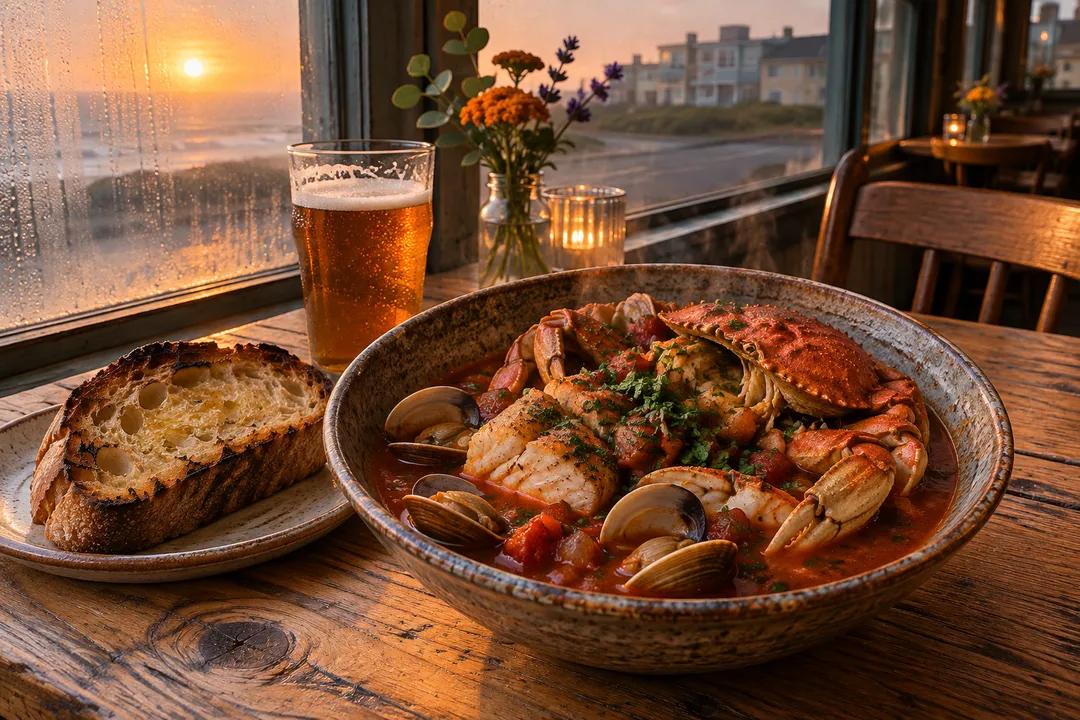
 Outer Sunset Cioppino Dinner Picker: Pots by Ocean Beach
Restaurants
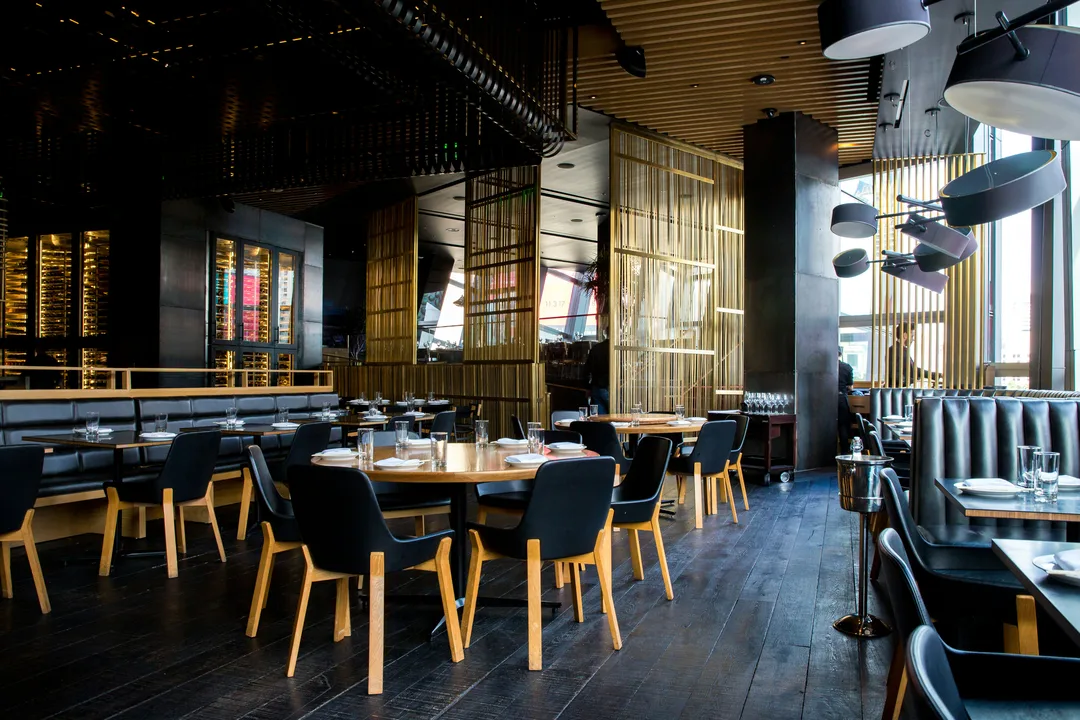
Swan Oyster Depot Fishmonger: 8am Counter Strategy Guide
Swan Oyster Depot at 1517 Polk St opens at 8am Monday through Saturday. Arrive early for oysters, crab, and a calm seat at the narrow counter.
Swan Oyster Depot is easiest to understand at 8am, when 1517 Polk St feels like a working seafood counter instead of a famous queue. The stools are limited, the staff works within arm’s reach, and oysters, crab, shrimp, smoked fish, and chowder occupy more attention than decoration. Searchers looking for a San Francisco fishmonger should treat the place as an early market ritual with lunch attached, not a leisurely restaurant reservation.
Why 8am changes everything
The advantage of opening time is not merely a shorter wait. Early light reveals the display, staff have room to answer a concise question, and the room has not yet filled with people photographing every plate. Sit only when you are ready to order. If you need ten minutes to discuss choices, step outside first and let diners who know their order take the next stool.
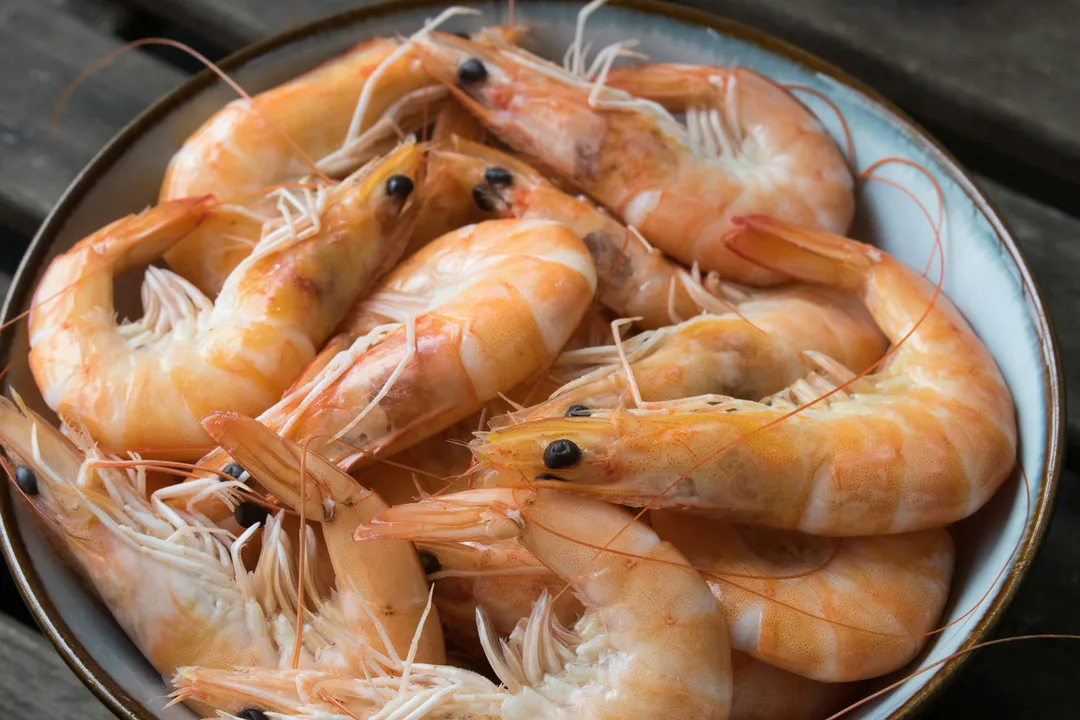
Begin with the cold side of the menu because it expresses what the depot does differently. Oysters are opened in front of you, cracked crab arrives without theatrical garnish, and shrimp cocktails emphasize texture and temperature. Those preparations leave little room for a kitchen to hide weak seafood. A first visit is better with two or three simple items than with a broad order that blurs each product.
Read the counter before ordering
The counter team controls the pace through eye contact and memory. State the number of people, choose raw or cooked, and mention any allergy immediately. A specific question such as whether crab or oysters are stronger that morning is useful. A request for a complete tour of everything available while others wait is not. The room rewards clarity more than sophistication.
Swan has operated as a family seafood institution for generations, and the old-fashioned format is part of the appeal. The narrow marble counter, paper napkins, and visible preparation create accountability: customers can see the seafood and the hands working with it. That intimacy also means every hesitation affects the whole line. Respect for the room is mostly respect for shared time.
The cold seafood advantage
For a fishmonger-style purchase, ask what travels well. Smoked fish, a carefully packed cold item, or a modest crab portion can survive a short ride better than an elaborate open platter. Bring an insulated tote if the food is leaving Polk Street. The staff can pack the order, but San Francisco hills and a warm bus still become your responsibility after the door closes.
Skip the temptation to order every celebrated item on one visit. The counter is too tight for a sprawling tasting, and seafood loses its edge as plates accumulate. Choose one shellfish, one prepared specialty, and perhaps chowder if the morning is cold. That sequence gives each item a clear role and leaves a reason to return.
How regulars keep it moving
The unspoken seating rule is simple: stools belong to active diners. Finish the food, settle the bill, and release the seat rather than lingering over neighborhood plans. Solo visitors often fit more easily than groups because one opening appears before three. Parties should agree in advance whether to split up or wait for adjacent places.
Afterward, walk south on Polk rather than carrying raw seafood across half the city. The corridor offers coffee, small shops, and a gradual transition toward Civic Center. If the purchase needs refrigeration, reverse that idea: make Swan the final stop, head home directly, and save the longer walk for a day when you ate everything at the counter.
Build a short Polk Street walk
A sensible cutoff protects the morning. If the line extends far enough that the wait looks longer than thirty minutes and your only goal is breakfast, choose a nearby cafe and return on another weekday at opening. Swan is distinctive, but no plate improves because you spent an hour becoming impatient on the sidewalk.
Rain changes the decision because the queue is exposed. Carry a compact umbrella, avoid blocking neighboring storefronts, and do not open a packed seafood order outdoors just to inspect it. A wet paper bag and a windy Polk Street corner are poor conditions for delicate food. Eat inside or keep the package closed until reaching a dry table.
Know when to abandon the line
Practical notes: Swan Oyster Depot is at 1517 Polk St, San Francisco, CA 94109, and the telephone is (415) 673-2757. Published hours are Monday through Saturday, 8:00am to 5:30pm, with Sunday closed. There are no reservations, so opening time is the most reliable strategy for controlling the wait.
People arrive for different reasons: neighborhood regulars who want the same crab salad, travelers following a classic San Francisco list, and seafood devotees comparing oysters. The counter works because those motives share one narrow space. Watch the staff, keep bags close to your stool, and avoid treating the aisle like a waiting lounge.
Practical notes for Swan
The most honest judgment is that Swan suits decisive seafood eaters better than large social groups. Conversation is possible, but the architecture keeps attention on the plate and the line. If your group wants a two-hour brunch, pick another room. If you want direct seafood handling and a historic counter, the constraints become advantages.
Use Karpo APP after the meal for a nearby walk or backup breakfast rather than searching while occupying a stool. The local context matters: early morning, Polk Gulch, and whether you ate at the counter or are carrying food home. Planning after you exit is both more courteous and more useful.
Why the old counter endures
A return visit should focus on what changed. Ask about that morning’s oysters or crab instead of automatically repeating a famous order. Seasonal variation is the reason a fish counter remains interesting. The address stays fixed, but the best choice can move with weather, supply, and what was delivered.
Swan Oyster Depot succeeds because it preserves a compact exchange between seafood, staff, and customer. Arrive early, order narrowly, eat promptly, and leave the stool for the next person. Those habits turn a potentially frustrating line into one of the city’s clearest lessons in how a traditional fishmonger counter can still work. The Polk Gulch test is simple: name the order, the seat, and the way home. That plan keeps the Polk counter useful whether you are a regular or a first-time visitor.
A final check before paying
The swan oyster depot detail at Swan Oyster Depot is not a universal ranking. The useful answer comes from matching the Polk order to your seat and schedule. That discipline preserves the Polk Gulch counter’s pace.
Keep the route shorter than the story
At Polk Gulch, finish the walk before taking seafood away. Once Swan Oyster Depot is in the bag, the best route is usually the direct one. The swan oyster depot quality of the meal depends on that small act of timing.
The next visit
Return to Swan with one observation about the morning’s shellfish or service. Swan Oyster Depot becomes more valuable when each visit removes one uncertainty.
A calm purchase beats a crowded haul. At Swan Oyster Depot, order narrowly and let the next visit answer the next question.
That is what makes a Polk seafood stop worth the early start.
Leave with a plan you can actually cook.
Ask Karpo for more information.
Keep reading
- Outer Sunset Cioppino Dinner Picker: Pots by Ocean Beach
 Marina Cioppino Dinner Picker: Bistros After Bay Walks
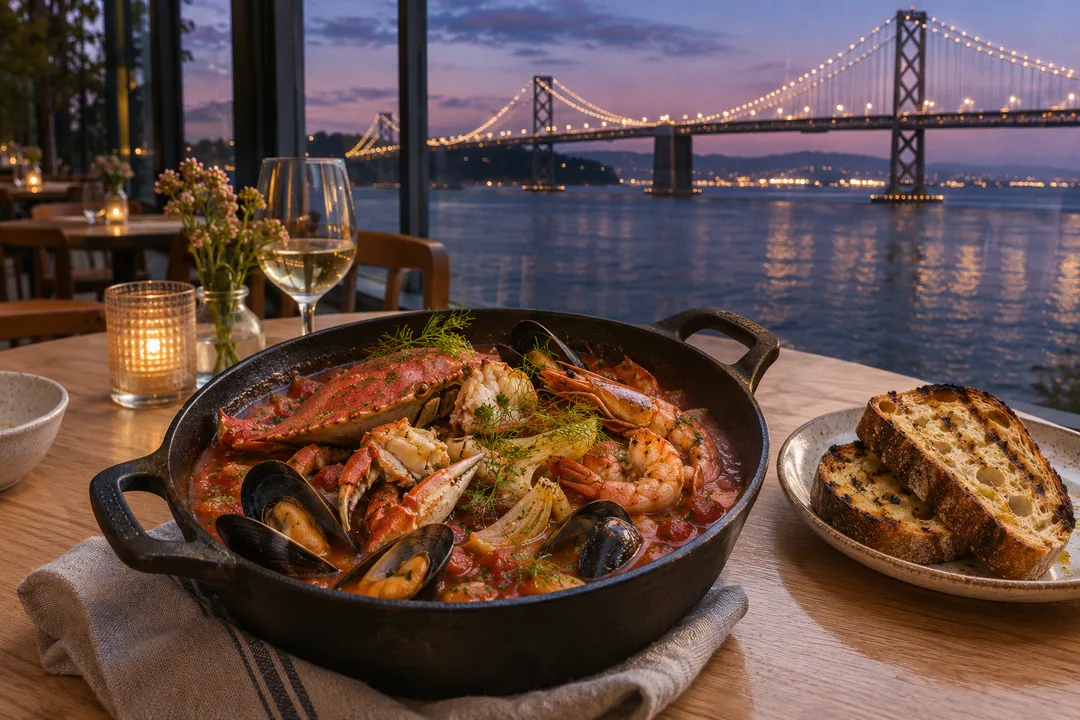 Embarcadero Cioppino Dinner Picker: Pots by the Bridge