 Outer Sunset Cioppino Dinner Picker: Pots by Ocean Beach
Restaurants

Japantown Seafood Picks: Nijiya SF Fishmonger Tonight Guide
Nijiya Market at 1737 Post St #333 is a Japantown fishmonger for Japanese seafood and groceries. Choose a small dinner portion, then keep the walk brief.
Nijiya Market’s San Francisco seafood counter sits at 1737 Post St #333 inside Japantown, where a fishmonger search becomes a full Japanese dinner errand. The case may include sliced fish, whole seafood, roe, shellfish, and prepared foods, while nearby aisles supply rice, miso, seaweed, pickles, and seasonings. The abundance works best when the shopper arrives with one meal in mind.
Begin with tonight, not someday
Start by choosing whether tonight calls for raw, grilled, simmered, or prepared seafood. Each path leads to a different section and a different timing requirement. Do not assume every attractive tray is intended for raw consumption. Read the label, look for explicit preparation guidance, and ask staff when the intended use is unclear.
A compact portion is often the smartest introduction. Japanese seafood displays make variety easy to overbuy, especially when several small packages seem manageable. Pick one central protein and one supporting item, such as roe, seaweed, or a prepared side. The goal is a coherent table, not a refrigerator crowded with unrelated specialties.
Read Japanese seafood labels carefully
Label details deserve attention because cut, treatment, and intended use can differ. Match the package to the recipe rather than relying on visual familiarity. If a product name is unfamiliar, photograph the label only after stepping away from the counter, then research without blocking other shoppers. Return with a specific question if needed.
Nijiya serves commuters collecting dinner, families restocking Japanese staples, and visitors exploring the mall. Carts, baskets, and narrow aisles create their own etiquette. Keep the seafood selection close, avoid leaving chilled packages in a basket while browsing every pantry shelf, and move efficiently once raw fish has joined the trip.
Pair the fish with a simple pantry
The pantry is an advantage when used selectively. Rice, ponzu, miso, shiso, daikon, and nori can complete a meal, but they should support the fish rather than overwhelm it. Choose one seasoning direction. A simple grilled fillet needs different groceries from sashimi, and a hot pot requires a separate set of vegetables and broth components.
Prepared seafood belongs to an immediate timeline. Eat it soon or refrigerate it promptly, and keep it physically separate from uncooked packages. A bento or ready-to-eat side can solve dinner when there is no kitchen time. Buying prepared food plus raw fish only makes sense if tomorrow’s cooking plan is already certain.
Keep prepared and raw items separate
The market’s daily schedule encourages smaller trips. There is little reason to buy several days of delicate seafood when another visit is possible. One dinner portion protects quality and reduces waste. It also creates space to notice how the case changes across weekdays and seasons. A small notebook or phone note can record the date, species, portion, and cooking result without turning the visit into a research project. Those details become useful when the same product returns.
Japantown invites browsing, so complete the mall walk before entering Nijiya. Visit the bookstore, tea shops, and public spaces first. Make seafood the final transaction. If you bought only a prepared meal, a short plaza stop is reasonable. If the bag contains raw fish, the next meaningful destination should be home.
A Japantown route in the right order
An insulated tote matters even on a cool San Francisco day. Indoor malls, buses, and parked cars can be warmer than the street. Keep the package level, avoid crushing soft trays with bottles, and minimize transfers between bags. Careful handling preserves the precise textures that motivated the purchase.
Skip specialty items whose preparation you cannot explain. Uni, roe, whole squid, or unfamiliar shellfish may look compelling, but uncertainty is a poor dinner plan. Begin with something that fits existing skills, then learn one new product at a time. The market will still offer discovery on the next visit.
What not to buy without a plan
Do not build a raw seafood meal for a group unless the cold chain and serving time are controlled. Carrying multiple trays through a long Japantown afternoon creates risk and stress. For social plans, shop close to the meal and have refrigerator space ready before leaving home.
Practical notes: Nijiya Market San Francisco is at 1737 Post St #333, San Francisco, CA 94115. The official store listing gives (415) 563-1901 and daily hours from 10:00am to 8:00pm. Holiday schedules can differ, so use the published store page when planning a special-date visit.
Practical notes for Nijiya
The counter is especially useful for learning portion scale. A small tray shows exactly how much fish two people may need, while larger whole items demand more judgment. Record what was sufficient, what remained, and which condiment pairing worked. That memory improves the next purchase more than chasing a universal recommendation.
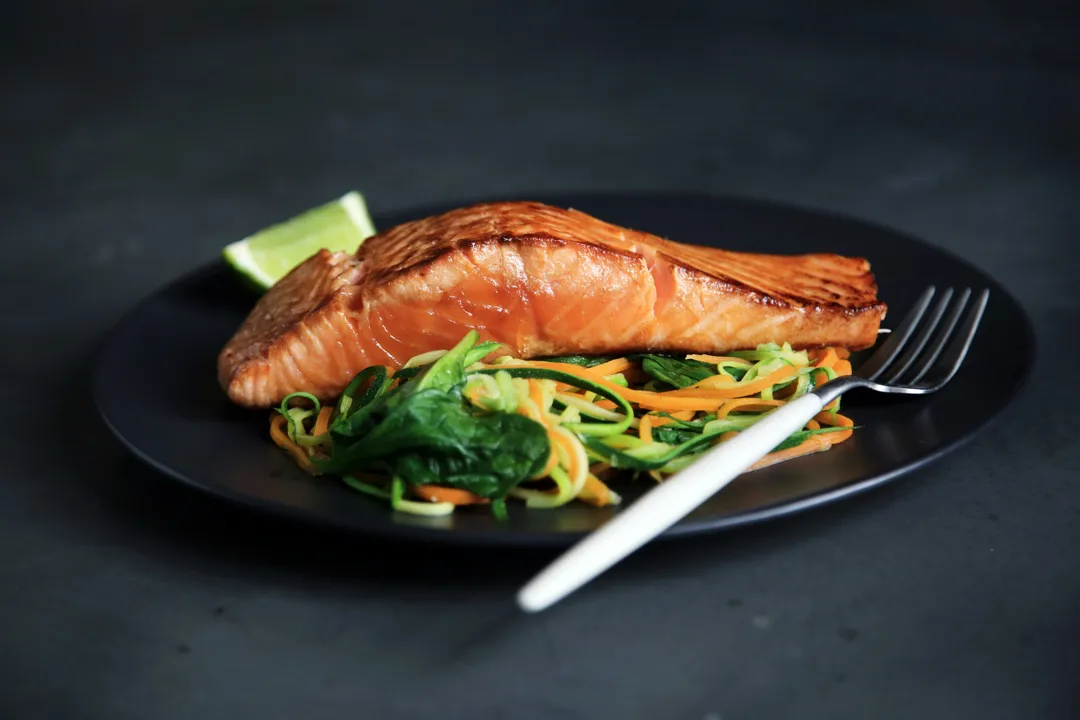
If a desired item is gone, redesign the meal within the store. Switch from raw fish to grilled salmon, from shellfish to a prepared bento, or from seafood to tofu and vegetables. Nijiya’s strength is the ability to pivot without crossing the city. Flexibility is better than forcing a substitution that does not fit the recipe.
Make the counter a repeat resource
Karpo APP can organize a Japantown visit that ends at the grocery. Ask for a bookstore, dessert stop, or brief cultural walk first, then place Nijiya last in the sequence. The timing advice is as important as the venue recommendation because seafood quality depends on what happens after checkout.
Nijiya works as a fishmonger resource when the shopper uses labels, portion control, and the surrounding pantry intelligently. Decide the cooking method before the aisle, buy for one immediate meal, and shorten the journey home. Those habits turn a dazzling case into a dependable neighborhood dinner tool. The Japantown test is simple: name the package, the pairing, and the first bite. That plan keeps Nijiya useful for a prepared meal or a carefully planned dinner.
A final check before paying
The nijiya market detail at Nijiya Market is not a universal ranking. The useful answer comes from matching the Japantown package to tonight’s meal. That order makes Japantown’s selection easier to navigate.
Keep the route shorter than the story
In Japantown, make Nijiya the final stop before heading home. Once Nijiya Market is in the bag, the best route is usually the direct one. The nijiya market quality of the meal depends on that small act of timing.
The next visit
Return to Nijiya with one label, pairing, or portion detail to repeat. Nijiya Market becomes more valuable when each visit removes one uncertainty.
A calm purchase beats a crowded haul. At Nijiya Market, one focused purchase is more useful than a crowded haul.
That is how Japantown’s market becomes part of an ordinary meal.
Leave with a plan you can actually cook.
Ask Karpo for more information.
Keep reading
- Outer Sunset Cioppino Dinner Picker: Pots by Ocean Beach
 Marina Cioppino Dinner Picker: Bistros After Bay Walks
 Embarcadero Cioppino Dinner Picker: Pots by the Bridge