 Outer Sunset Cioppino Dinner Picker: Pots by Ocean Beach
Restaurants
Filipino Restaurant Near Me at Fisherman's Wharf: Abaca Dining Guide
A Fisherman's Wharf guide to Abaca at Hotel Nikko, where Filipino classics, ube waffles, and polished service make a convenient downtown meal.
Travelers searching for a Filipino restaurant near me around San Francisco's tourist core often find Abaca, the restaurant at Hotel Nikko near Union Square and Fisherman's Wharf routes. It is polished enough for a hotel dinner but still anchored in Filipino flavors: adobo, sisig, lumpia, calamansi, and ube. The useful thing about Abaca is convenience without a generic menu. You can bring visitors here and still give them a distinctly Filipino meal.
The restaurant is at 222 Mason Street, near Powell Street BART and Muni connections. From the Wharf, a cable car or short ride reaches the hotel, while downtown visitors can walk through Union Square. This is not a tiny neighborhood counter, so the arrival is easier for groups, luggage, and a planned dinner. Reserve if you are traveling on a busy weekend, especially when the hotel is hosting conferences or events.
Abaca's identity comes from translating Filipino comfort food into a full-service hotel setting. The room is composed, the staff can explain unfamiliar ingredients, and the plates are designed to be shared without feeling casual. That makes it a good bridge for diners who want to learn the food but prefer a little structure. The kitchen still depends on sharp citrus, garlic, vinegar, and sweet-savory marinades to keep the menu lively.
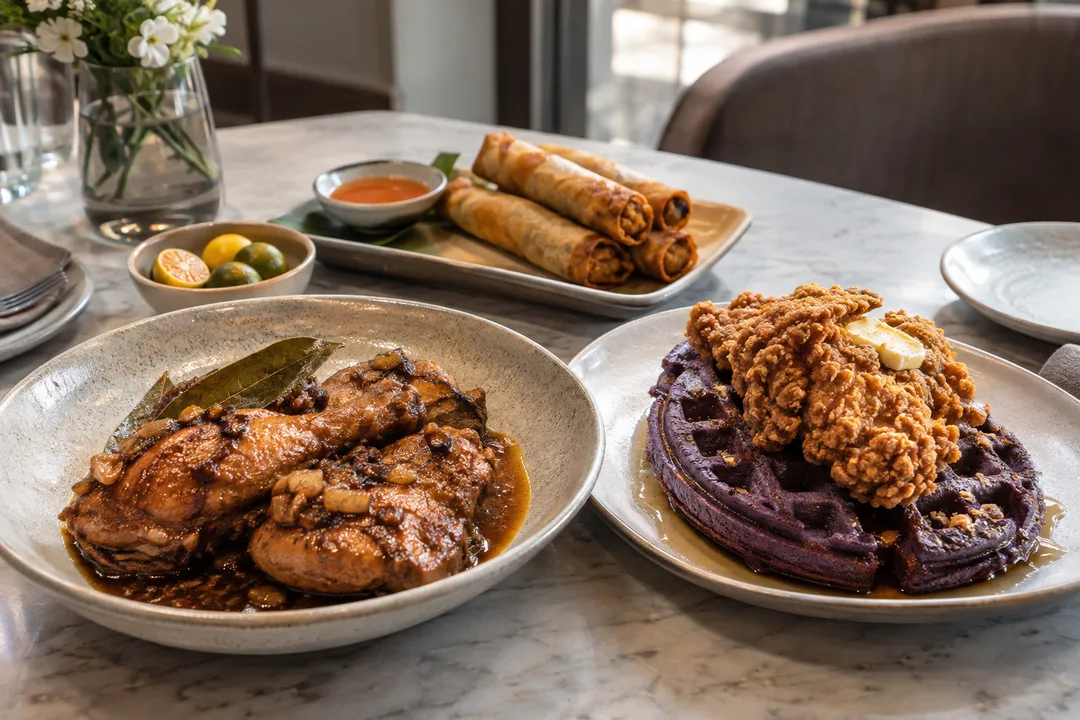
Lumpia is the sensible opening, usually around $16. The rolls arrive crisp and are easy to divide across the table, especially with a bright dipping sauce. Chicken or pork sisig often sits near $19, with a hot, savory texture that benefits from rice or a soft egg. Ask whether the current preparation is served on a sizzling plate or as a composed dish; the format changes how quickly you should eat it.
Chicken adobo is a reliable main at roughly $29 to $32, and the sauce is more satisfying with an extra serving of rice. The dish is rich but not supposed to be flat, so look for vinegar and pepper underneath the soy. If you want a seafood order, ask about the day's catch and how the kitchen is treating it. Abaca's menu can move seasonally, and the server is a better guide than an old screenshot.
Breakfast and brunch are part of Abaca's particular appeal. Ube waffles with fried chicken, often around $24, give the dining room a playful signature without losing the purple yam's floral sweetness. The plate is rich, so share it with something acidic or a bitter coffee. A table that comes for brunch can split the waffles, add lumpia, and still have enough room to try a savory rice or egg dish.
Drinks are a natural part of the hotel setting. Calamansi-based cocktails, Filipino beer, and nonalcoholic tropical drinks let the table stay in the restaurant's flavor world without making every course heavy. Dessert may include an ube or coconut preparation in the $12 to $15 range. Ask for coffee if you want to soften the sweetness. The best order treats dessert as a final accent, not another oversized course.
Abaca is busiest at dinner and during hotel event periods. A reservation is the safest approach for a group, while solo diners can often find a bar or counter seat at off-peak times. Arriving just before the dinner rush gives the kitchen more room to explain the menu and pace the meal. If you are staying nearby, ask the hotel team about current hours because service can change with private bookings.
The room follows full-service etiquette: let the staff pace shared plates, tell them about allergies before ordering, and ask for separate checks at the beginning if the group needs them. Filipino meals are often communal, but the restaurant can also support an individual entree. The practical move is to order one shared starter, two contrasting mains, rice, and one vegetable or salad for every three diners.
The design is contemporary and calm, with warm wood, clean lines, and enough space to feel different from a crowded Chinatown table. That atmosphere makes Abaca useful for a business dinner, a family celebration, or a traveler who wants a comfortable introduction. It can feel less spontaneous than a small neighborhood restaurant, but the trade is predictable service and a menu that is easy to navigate.
Abaca's story is about Filipino food entering a hospitality setting without surrendering its pantry. The name references the banana plant, a material and ingredient connected to the Philippines, and the menu uses that cultural frame lightly. What matters at the table is the way familiar dishes are plated for visitors while keeping their garlic, citrus, smoke, and fermented depth visible.
After dinner, walk toward Union Square, Chinatown, or the cable-car route down Powell Street. If you eat brunch, continue to the nearby galleries and shops before the crowds build. A waterfront afternoon can pair well with a later Abaca reservation, especially if you take the scenic route rather than jumping directly between tourist stops. The restaurant works as an anchor between the city's visitor districts.
Practical notes: hotel accessibility is generally strong, but confirm the exact table and restroom route if mobility matters. Ask about shellfish, soy, fish sauce, and gluten because several sauces are layered. Prices are higher than a Filipino cafeteria, reflecting the setting and service. Cards are standard. Public transit is convenient, and rideshare pickup is easier at the hotel entrance than curbside parking.
Abaca is best for visitors, celebrations, and diners who want Filipino flavors in a polished room. Start with lumpia, sisig, adobo, rice, and either ube waffles at brunch or a calamansi drink at dinner. People who prefer a loud, informal neighborhood meal may enjoy a different San Francisco stop, but Abaca is a strong first recommendation when comfort, access, and explanation all matter. The hotel setting also makes Abaca useful for a mixed-age group. Grandparents can settle into a comfortable room, children can share a crisp starter, and adventurous diners can explore vinegar, ube, or fermented flavors without the group splitting into separate restaurants. That broad accessibility is a real part of the restaurant's value, especially on a trip where everyone wants to eat together.
Ask Karpo for more information.
Keep reading
- Outer Sunset Cioppino Dinner Picker: Pots by Ocean Beach
 Marina Cioppino Dinner Picker: Bistros After Bay Walks
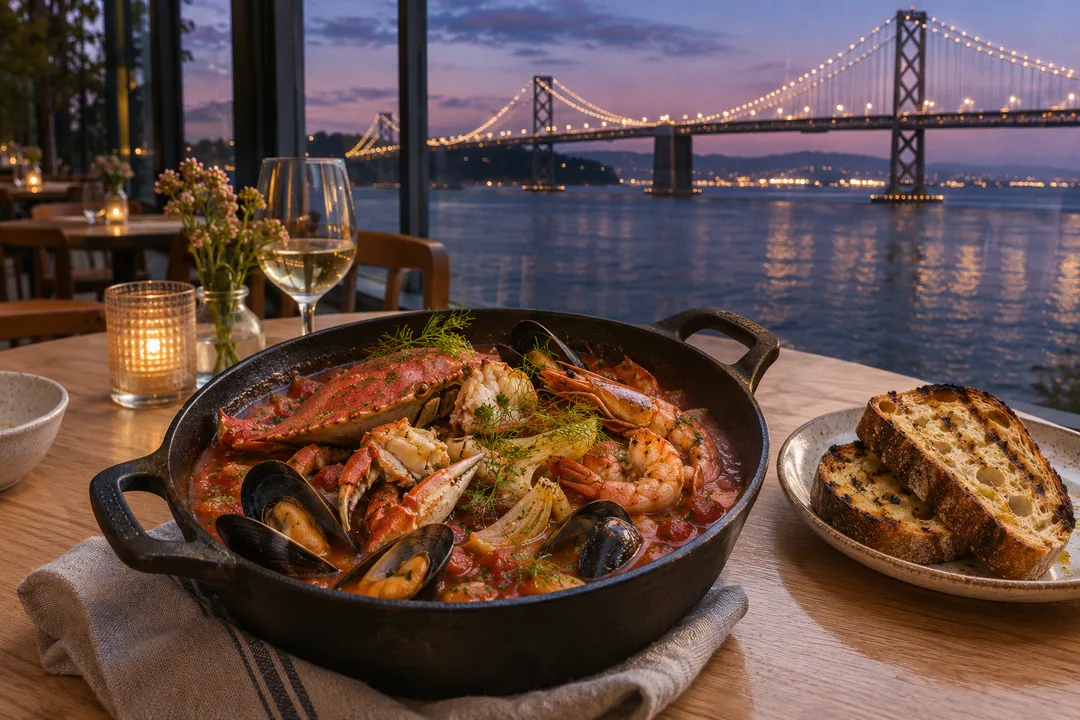 Embarcadero Cioppino Dinner Picker: Pots by the Bridge