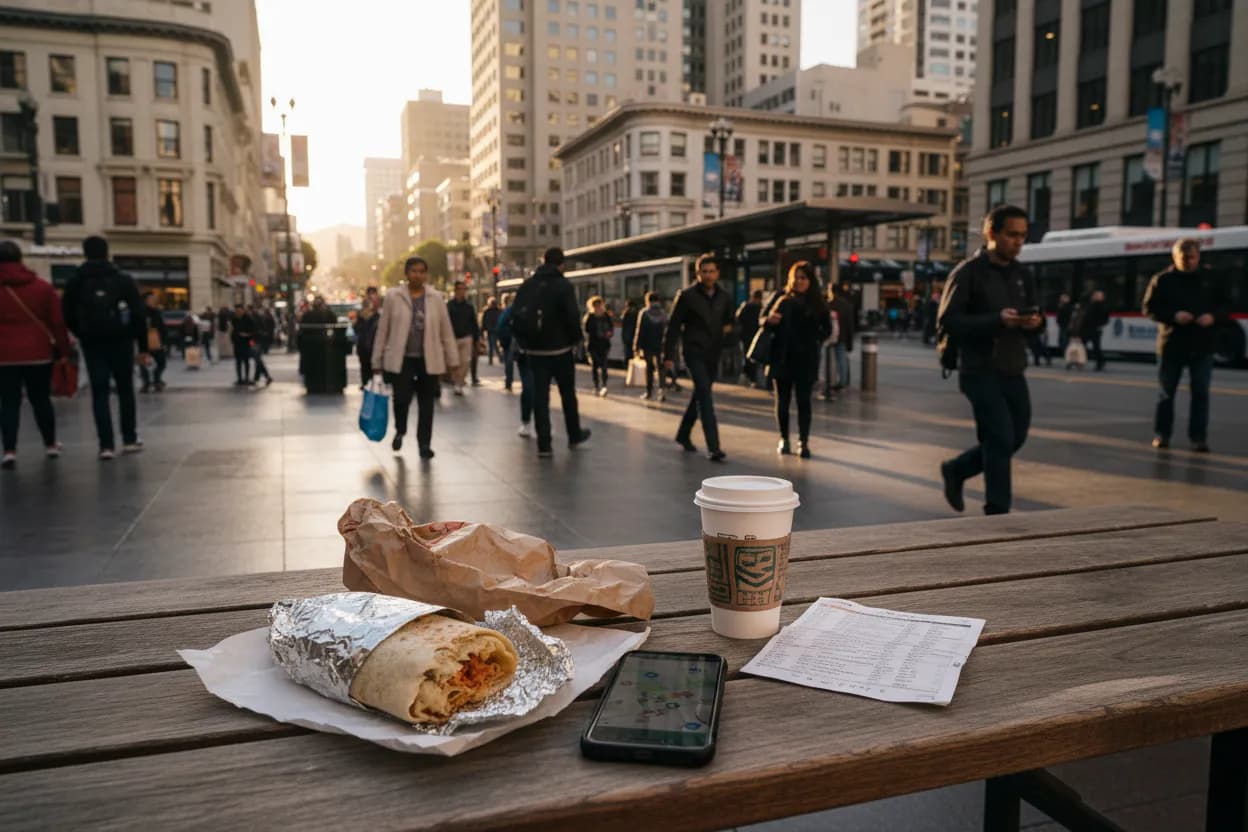
Searching SF Fast Food Near Me Around Transit Stops sounds simple until the plan has to work in real life: a short lunch, a transfer window, a late coffee, or a snack before crossing town. San Francisco rewards flexible routing, but it also punishes assumptions. A place that looks close on a map may sit on the wrong side of a hill, a route may be rerouting, and a menu item you wanted may not be posted the same way today. Use SFMTA first for the movement piece, then check each restaurant’s official page for the food piece. That order keeps the search practical instead of turning fast food near me into guesswork.
Want a quick route-and-bite sanity check before you commit? Text Karpo with your stop, time window, and whether you need coffee, dessert, seating, or a true grab-and-go meal.

Name The Break You Actually Need
Before choosing a stop, decide what kind of break you are buying yourself. “Fast” can mean five different things in San Francisco: a coffee while walking, a dessert stop after dinner, a counter-service meal before a train, a place to sit down with a friend, or food you can carry onto the next leg. Those are not interchangeable. If you are near a Muni stop with only a narrow transfer window, prioritize the least fragile plan: a simple order, no special customization, and a destination you can abandon without ruining the day.
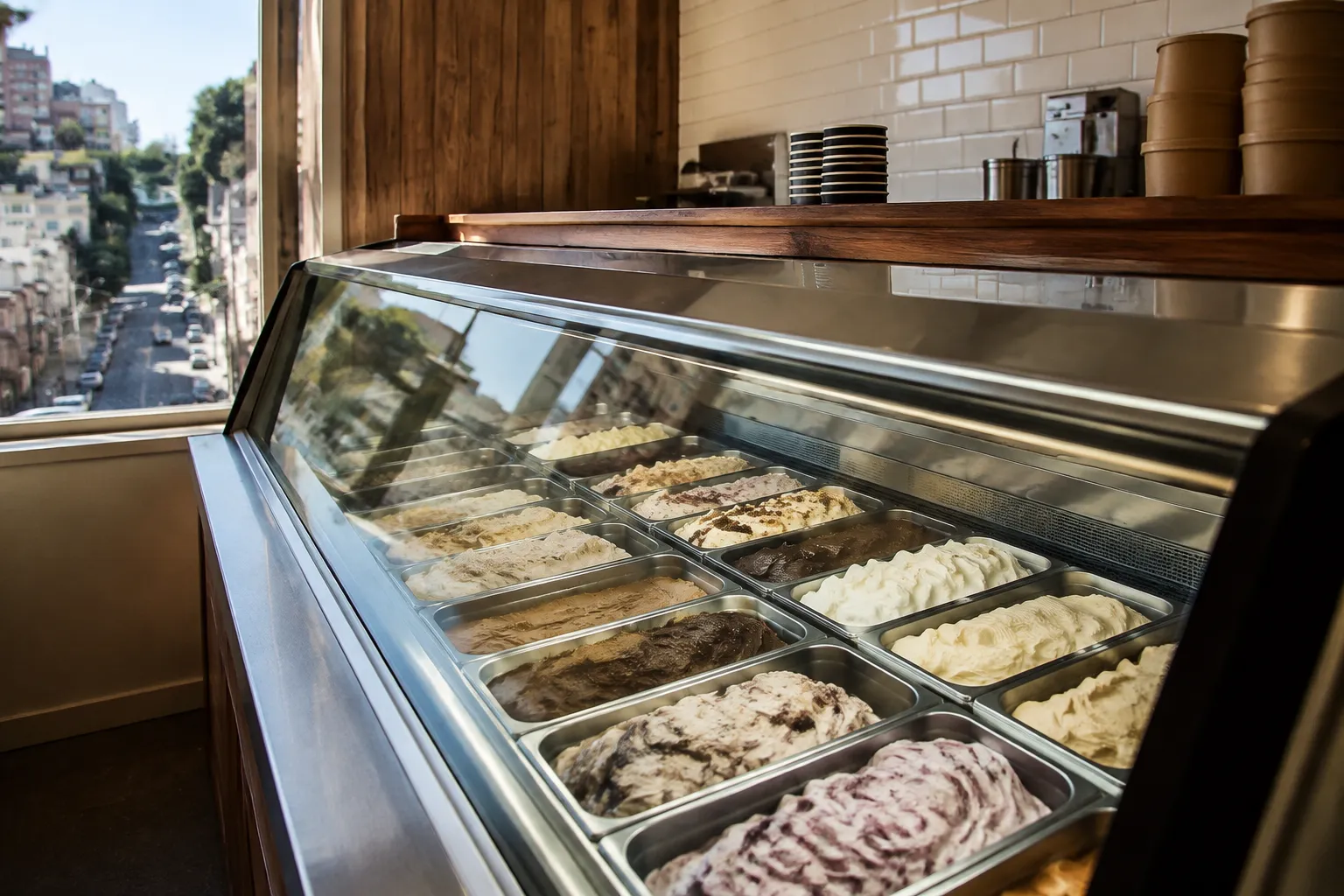
For a coffee_dessert run, be extra skeptical of photos and old posts. Pastry cases, seasonal drinks, and dessert items can change quickly. The safer move is to use your map to identify candidates near the transit stop, then verify the current menu, ordering options, and location details on the business’s official page before you go. If you need seating, do not infer it from a photo. Confirm it directly where the business publishes current customer information.
Match Seating To The Moment
A transit-stop food plan works best when the seating expectation matches the occasion. If you are eating alone between errands, a standing counter or quick pickup may be enough. If you are meeting someone, the plan needs more margin: a clear intersection, a station or stop both people can reach, and a second nearby option if the first choice is crowded, closed, or not serving what you expected. The point is not to overplan; it is to avoid making your meal depend on one unverified detail.
SFMTA’s site presents practical getting-around tools, including a Trip Planner with travel choices such as Muni, bike, walk, drive, and parking-related options. Use that before you judge the restaurant. A highly rated place is less useful if it creates a bad transfer, a long walk, or a confusing meeting point. For San Francisco, the best quick-food choice is often the one that fits the route cleanly, not the one that wins a screenshot debate.
Use Timing Before Ratings
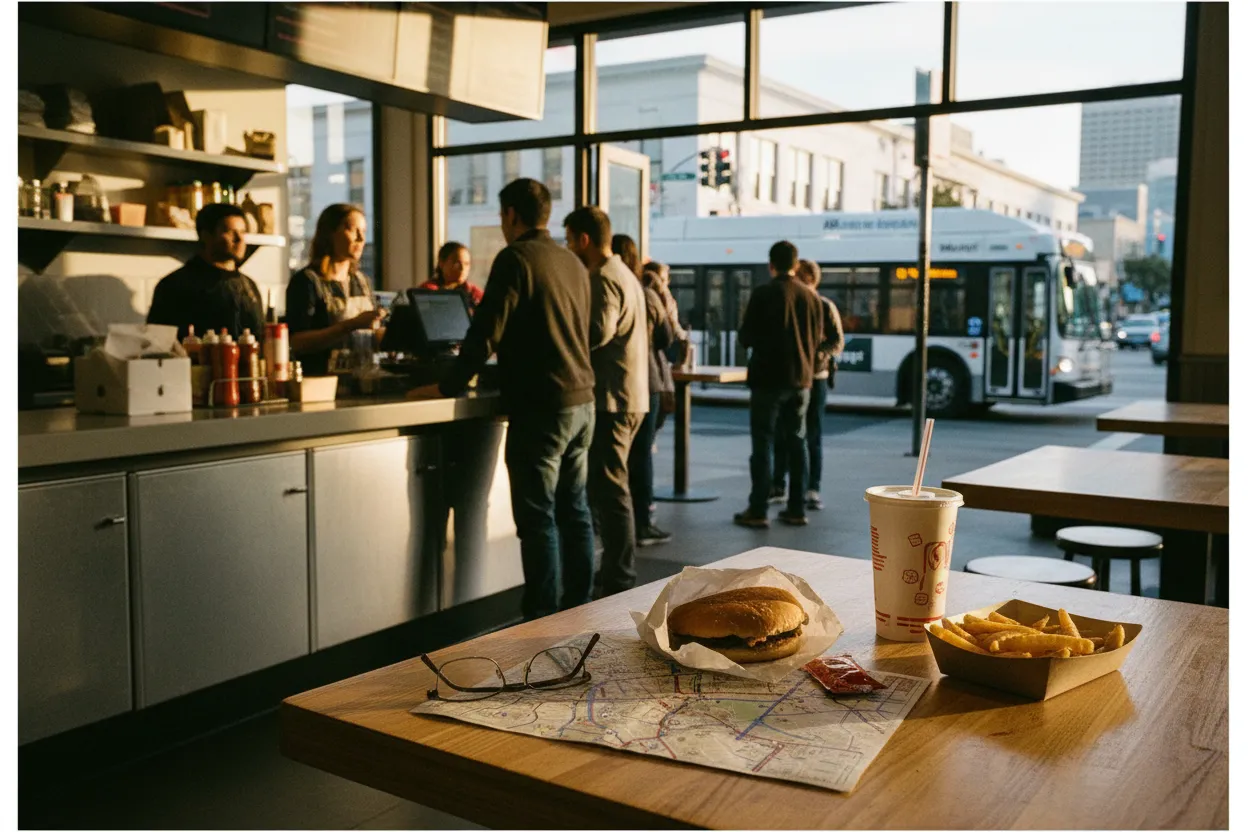
Ratings can help you filter, but timing decides whether the plan survives. Start with your actual clock: when you can leave, when you must arrive, and how much time you can spend off-route. Then check SFMTA for the transit side. The official SFMTA homepage includes alerts and travel and transit updates, and it points riders toward Muni routes, stops, transit maps, and guides. Those are the details that can turn a convenient-looking food stop into a missed connection.
Do not treat a search result for fast food near me as a promise. It is a lead. Open the official business page and verify the current address, posted hours, ordering method, menu, pickup instructions, and any location-specific notes. If the page sends you to an app or ordering platform, confirm you are looking at the exact San Francisco location you plan to visit. Chains, kiosks, cafes, and dessert counters can differ by site.
Keep A Nearby Second Option
A good transit food plan has a backup within the same walking pocket. That does not mean building a spreadsheet. It means picking a primary option and one fallback before you leave. Your fallback should solve the same need: coffee if coffee is the goal, dessert if dessert is the goal, or a simple meal if you need something filling. A backup across town is not a backup; it is a new trip.
Use the stop area as your boundary. If the first place is too busy, not open, or not offering what you expected, you should be able to pivot without reopening the whole day. This is especially useful around transfer-heavy moments, after appointments, before shows or gatherings, or when traveling with someone who has a lower tolerance for wandering. Keep the second option boring and reliable-looking, then verify it the same way: official page first, assumptions last.
Verify The Details That Can Shift
The details most likely to break your plan are also the easiest to check. Before going, verify the business’s current hours, exact address, menu, ordering options, pickup or dine-in information, accessibility notes, and any location-specific instructions on its official page. For the trip itself, check SFMTA for route, stop, alert, map, guide, and elevator-status information where relevant. If you are relying on a transfer, look for current service notices rather than assuming yesterday’s route is still clean.
Avoid building the plan around prices, limited items, special promotions, delivery coverage, event schedules, or reservation availability unless the official page confirms them today. Those facts change too often to treat casually. If you are sharing the plan with friends, send the stop, the food option, the backup, and the official links. That makes the plan easier to follow and easier to revise if one piece changes.
Turn The Stop Into A Small Route
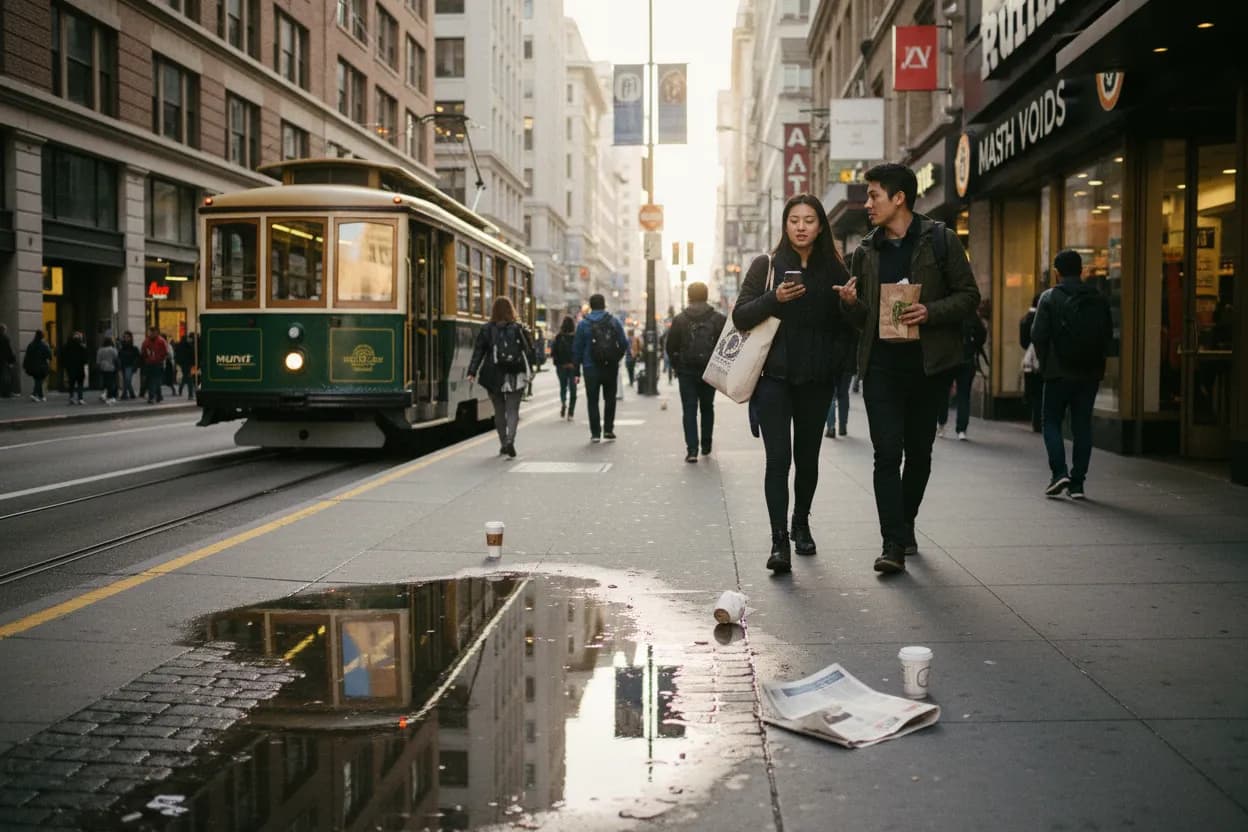
The strongest San Francisco quick-food plans feel like small routes, not isolated cravings. Pick a starting point, choose the transit stop that keeps the trip simple, identify one food or coffee_dessert target, add a nearby fallback, and decide where you will rejoin Muni, walk, bike, or continue by another mode. SFMTA’s Trip Planner is built around starting and ending locations and travel modes, so use it to frame the movement before choosing the meal.
This approach works for visitors and locals because it respects the city’s actual friction: transfers, hills, crowded corridors, construction, service changes, and the basic uncertainty of food businesses. It also keeps the decision shareable. Instead of saying, “Let’s find something,” you can say, “Let’s meet near this stop, check this official page, and use this backup if needed.” That is how a casual snack becomes a plan that people can actually follow.
Tags: #AskKarpo #BeforeYouGo #SanFrancisco #SFFood #FastFoodNearMe #Muni #TransitStops #CoffeeDessert #QuickBites #LocalGuide #SFTransit #FoodPlanning #CityRoutes #GrabAndGo
Sources consulted: San Francisco Travel · SFMTA
All trademarks are the property of their respective owners.
Ask Karpo first
Ask Karpo first when the stop matters as much as the snack. Send your starting point, destination, time window, and whether you want coffee, dessert, seating, or the fastest meal nearby. Karpo can help turn a vague craving into a practical San Francisco route.