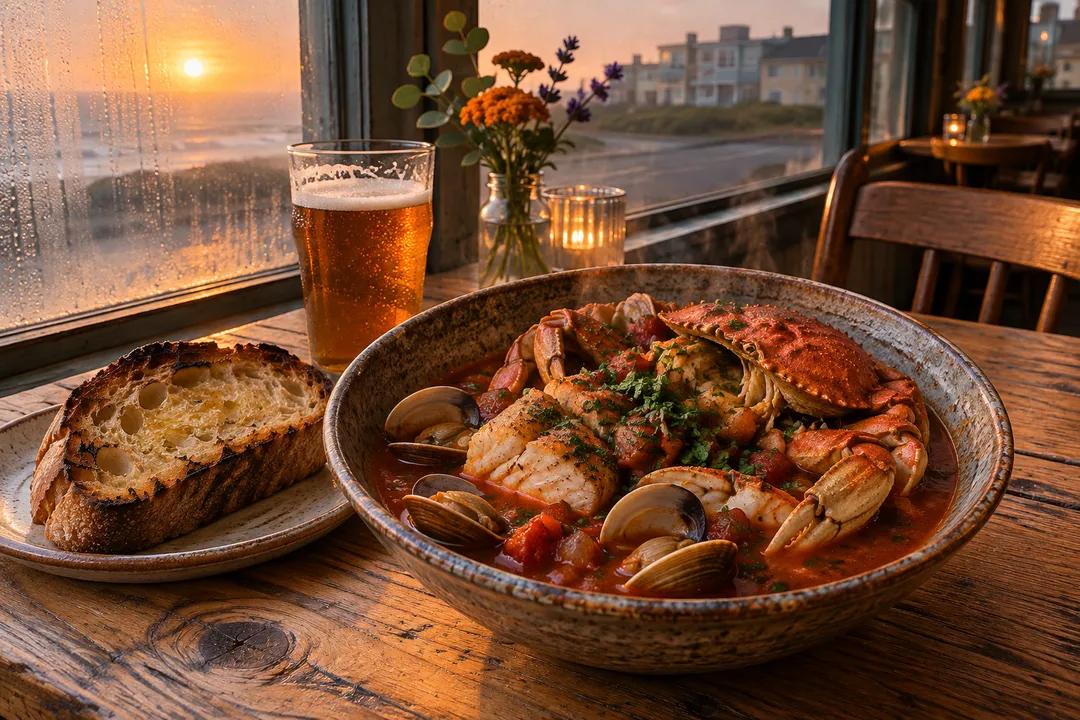
 Outer Sunset Cioppino Dinner Picker: Pots by Ocean Beach
Restaurants
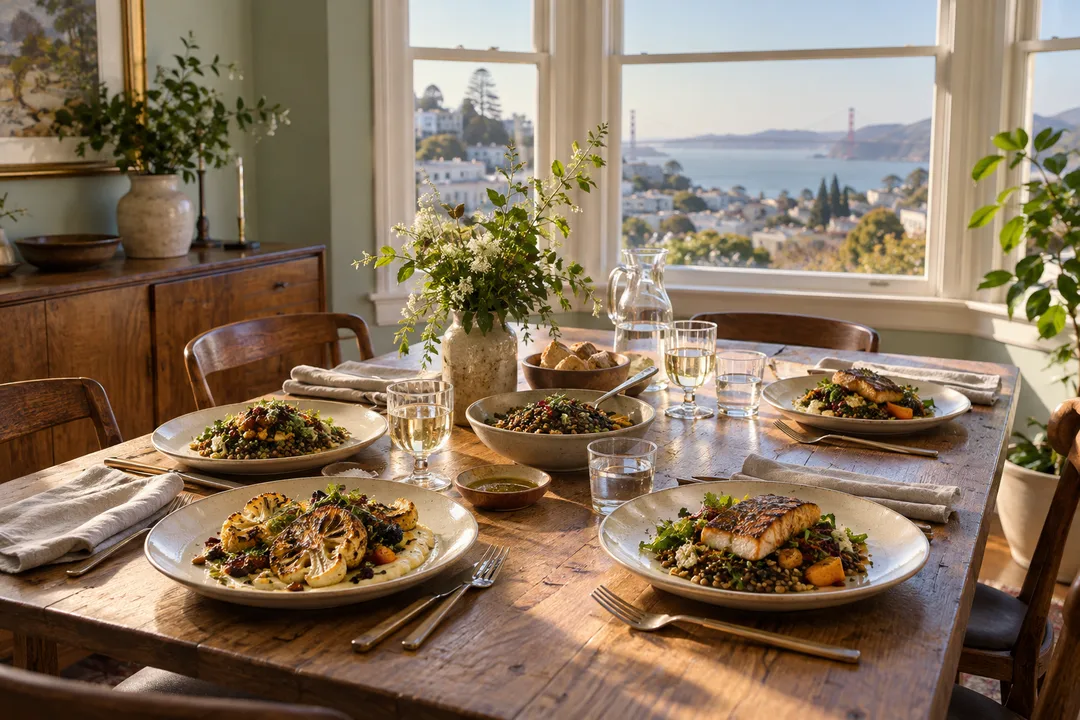
SF Dinner Shortlist Builder: Feed Four Different Appetites
Build a San Francisco dinner shortlist around mixed diets, individual orders and travel needs, with clear questions for the restaurant before choosing a table.
A dinner shortlist builder is most useful when four people mean four different things by a good meal. One wants vegetables to be the main event, another avoids dairy, a third wants something substantial after work, and the fourth dislikes sharing plates. For a San Francisco dinner, begin with those differences rather than a favorite cuisine. Open Karpo APP and describe the table you are trying to feed. The following method turns that description into a brief you can use to request a manageable set of choices.
Put the strictest requirement into plain language
Separate a preference from an ingredient that someone cannot eat. A guest who enjoys plant-based meals might welcome several cuisines, while a guest with a dairy allergy needs a different conversation with a restaurant. Ask each person to state their own requirement. Avoid translating vegan, vegetarian, gluten-free and allergy-related requests into a single label such as healthy. Those terms answer different questions, and combining them can leave the person with the narrowest choice carrying all the research.
Write the restriction as a sentence that describes an actual meal. For example, someone might need a complete vegan main course rather than several sides, or a dish whose sauce can be served separately. These are proposed selection criteria, not claims about any kitchen. If cross-contact matters, leave a clear question for the restaurant to answer directly. A planning conversation can organize that question, but the kitchen must speak for its own ingredients and preparation practices.
Look for a full dinner for every person
Picture what each guest would order before deciding that a place belongs on your list. A menu with one vegetable side does not automatically give a vegetarian diner an equivalent dinner. Conversely, a vegetarian restaurant might suit an omnivore who is happy with a filling meal. The useful comparison is whether each person has an appealing path through dinner, including the amount of food they want and whether they expect a starter, a main or dessert.
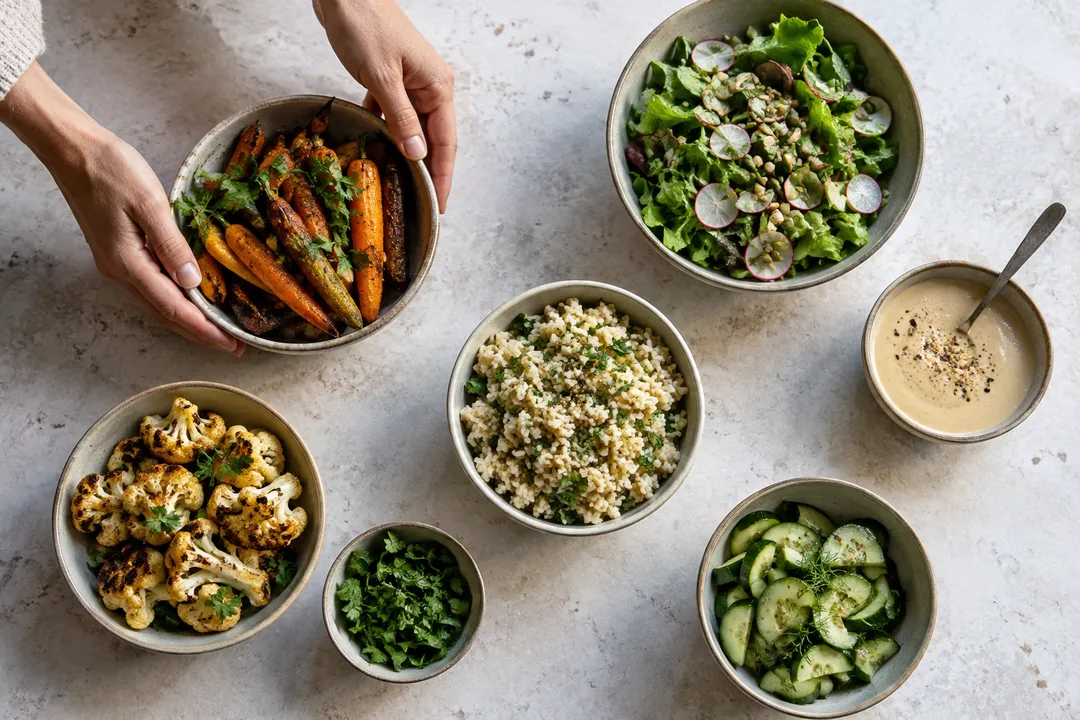
Keep separate ordering and sharing as different possibilities. Shared dishes work only when people understand what they contain and are comfortable with how they are served. Individual plates can make dietary boundaries easier to discuss without turning the entire evening into a negotiation over every platter. If the group likes sharing, look for a common dish everyone wants and let the rest of the meal remain individual. This gives the table something social without requiring identical appetites.
Add a location that everyone can actually reach
Choose a meeting area by considering where people will begin their journeys. A friend arriving from work downtown and another leaving home in the Richmond may value a different compromise from two people already in the Mission. Name those starting neighborhoods in your request and state your preferred travel method. You do not need to share home addresses. A nearby landmark or broad neighborhood can communicate the planning problem while keeping the brief comfortable to share.
Accessibility belongs alongside food preferences, not in a note added after a winner emerges. Describe any need for step-free access, a particular seating arrangement or a shorter walk. Treat unanswered access details as questions attached to a candidate. Do not let a pleasant photograph stand in for evidence about a doorway or restroom. The person who needs an accommodation should be able to review the relevant information without explaining their needs repeatedly to the whole group.
Ask for choices with different reasons to choose them
A practical first request might read: Four adults want dinner in San Francisco. We would prefer the Inner Sunset or a nearby area. One person needs a vegan main, one avoids dairy, and two eat broadly. We want individual orders and a comfortable conversation. Suggest three possibilities and explain which requirement each appears to meet. Keep unresolved dietary details visible. These are example preferences for a conversation, not a tested search filter or a promise of a particular result.
Use the response as a starting point for comparing tradeoffs. Ask yourself whether the choices differ in a meaningful way: one might prioritize the shortest journeys, another the broadest apparent food selection, and another a quieter style of evening. Three nearly identical suggestions are harder to assess than three clearly explained alternatives. If you receive options that do not address the strictest requirement, restate that requirement before discussing ambience or adding more neighborhoods to the search.
Read menus with the whole table in mind
Review each candidate's published menu and write down a plausible order for each diner. Mark any ingredient or preparation question that the menu does not answer. A dish name alone can leave important details unstated, particularly for sauces, broths and garnishes. This step is about gathering specific questions, not guessing recipes. When a restaurant answers, record the answer in ordinary language so the guest affected can decide whether it meets their needs.
Keep the proposed orders modest enough to compare fairly. Do not evaluate one candidate using a main course and another using several courses unless that difference is intentional. If a guest needs more food than the others, account for it openly. A shortlist that looks balanced on cuisine alone can still fail at the table when one person expects a light bite and someone else expects the evening's main meal. Food quantity is a preference worth stating.
Give the narrowest choice the first review
Share the small list with the people whose requirements are hardest to satisfy before asking everyone to rank the atmosphere. They can identify a problem that a broader group vote might overlook. Invite a simple response: workable, needs an answer, or unsuitable. This is an editorial decision method you can use with friends, rather than a feature that requires everyone to join an app. It keeps the review focused and avoids making someone defend a medical or ethical requirement.
After that review, choose one leading option and retain one alternative for a clearly defined reason. The alternative might be easier to reach or offer a different ordering format. Avoid keeping a long reserve list that sends everyone back to browsing. If the leading restaurant cannot answer an essential dietary question, move to the alternative because the requirement remains unmet. A popular choice does not become suitable simply because the rest of the group has already become enthusiastic about it.
Practical notes for a calmer meal
Keep the final message brief: meeting area, intended dinner time, selected restaurant, individual ordering plan and any question still awaiting a direct answer. Complete any reservation through the restaurant's stated process. A suggestion in a conversation is not a held table, and a dietary note in your planning brief is not a kitchen acknowledgment. Once those separate steps are complete, the group can arrive with the practical decisions settled and spend dinner talking about something more interesting than the shortlist.
Ask Karpo for more information.
Keep reading
- Outer Sunset Cioppino Dinner Picker: Pots by Ocean Beach
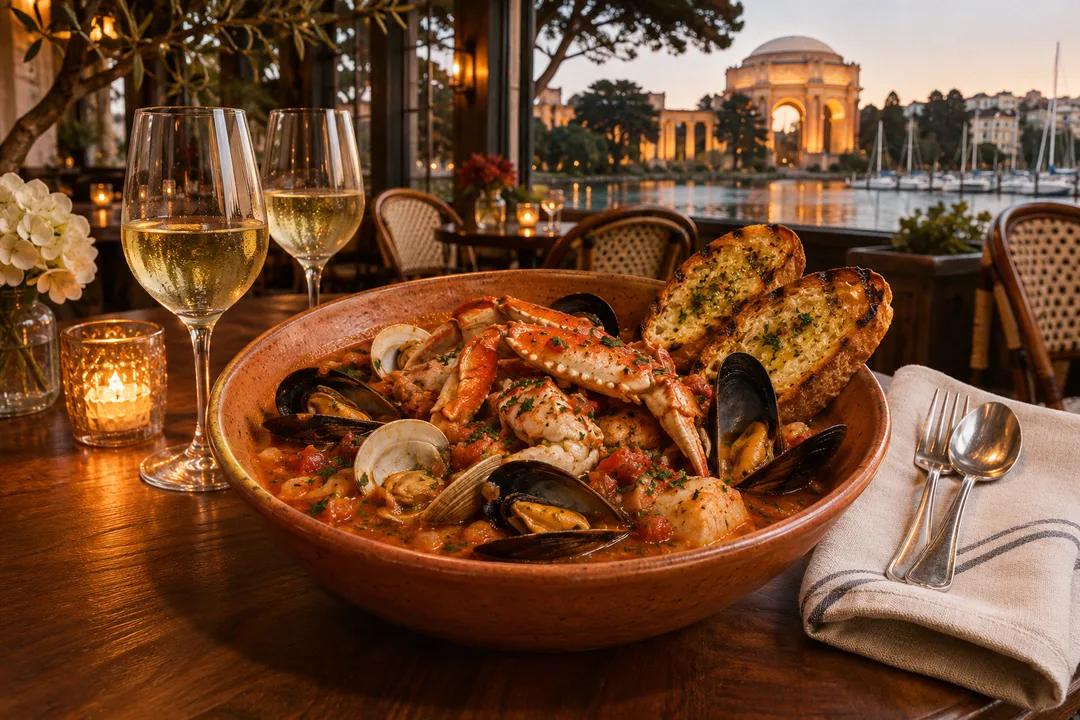 Marina Cioppino Dinner Picker: Bistros After Bay Walks
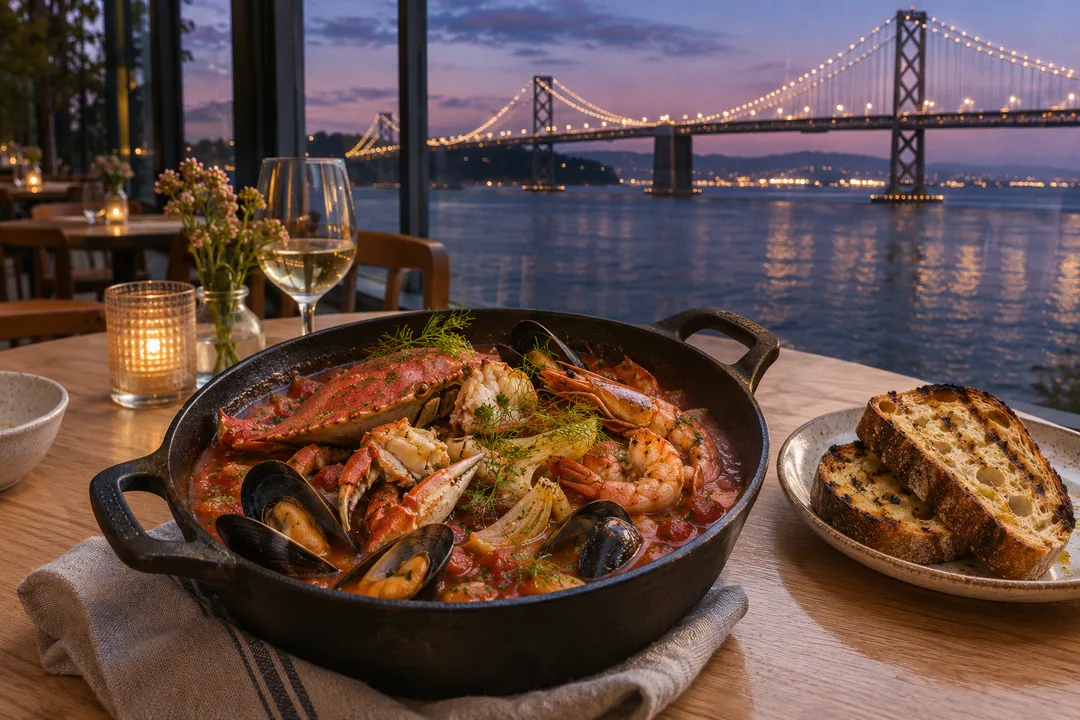 Embarcadero Cioppino Dinner Picker: Pots by the Bridge