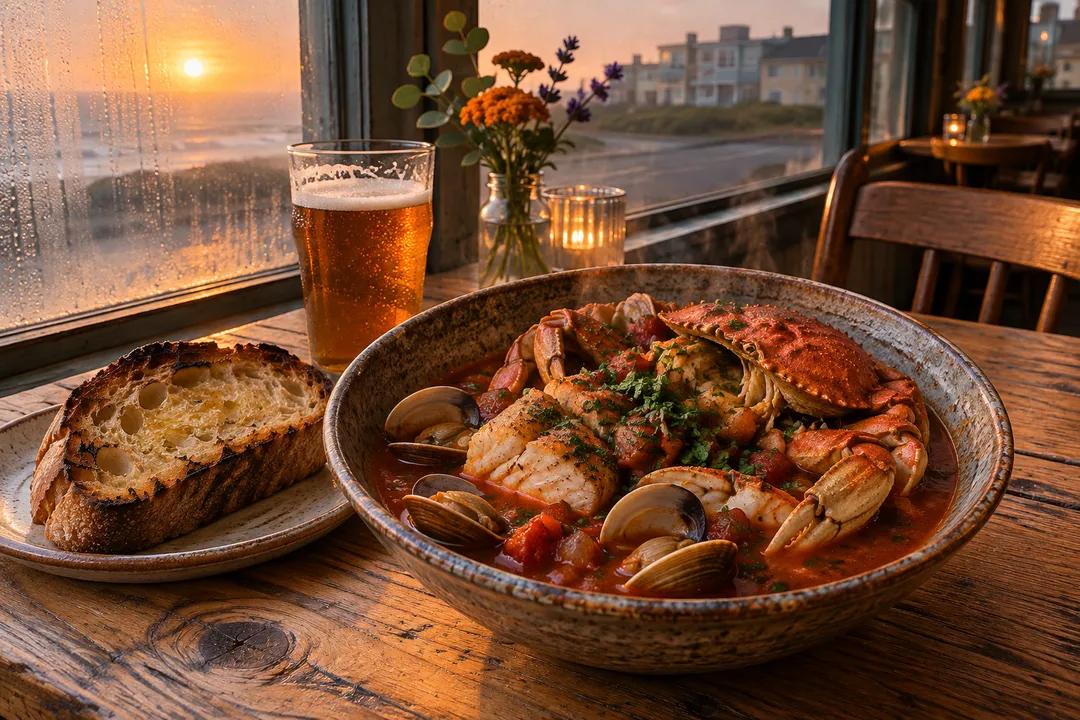
 Outer Sunset Cioppino Dinner Picker: Pots by Ocean Beach
Restaurants

SF Dinner Shortlist Builder: Give Six Friends One Decision
Turn six different dinner preferences into a San Francisco shortlist with a clear decision owner, a response deadline and a fair way to handle objections.
Six friends can agree to dinner and still disagree about almost everything that follows. One wants a lively room, one wants a short journey, and another answers every suggestion with a new suggestion. For this situation, a San Francisco dinner shortlist builder needs a decision process as much as a restaurant list. Gather a small brief, bring it to Karpo APP when asking for ideas, and decide how the group will choose before the conversation fills with links nobody has time to compare.
Appoint someone to close the decision
A decision owner does not need to pick their own favorite. Their job is to collect the essential preferences, prepare a small comparison and communicate the outcome. Choose a person who is willing to finish those steps and give them a clear scope. They might decide after hearing objections, or present a final pair for a vote. Agreeing on that responsibility prevents everyone from assuming somebody else will eventually organize the reservation.
Set a response deadline that fits the group's actual plans. Explain what happens when someone does not reply: perhaps the organizer proceeds using the preferences already supplied. Do not interpret silence as permission to ignore a known restriction. A deadline is useful because it creates a point for moving forward, while the food and access requirements remain part of the brief. This arrangement can happen in whatever conversation the group already uses and does not require a special polling feature.
Collect one must-have from each person
Ask every guest for a requirement, a preference and a practical limit. The requirement makes a meal unsuitable if it is unmet. The preference makes it more enjoyable. The limit could concern spending, travel or how late someone wants the evening to run. Keeping these separate gives the organizer something more useful than six favorite cuisines. It also makes room for someone who has no culinary preference but cannot comfortably manage a long journey after dinner.
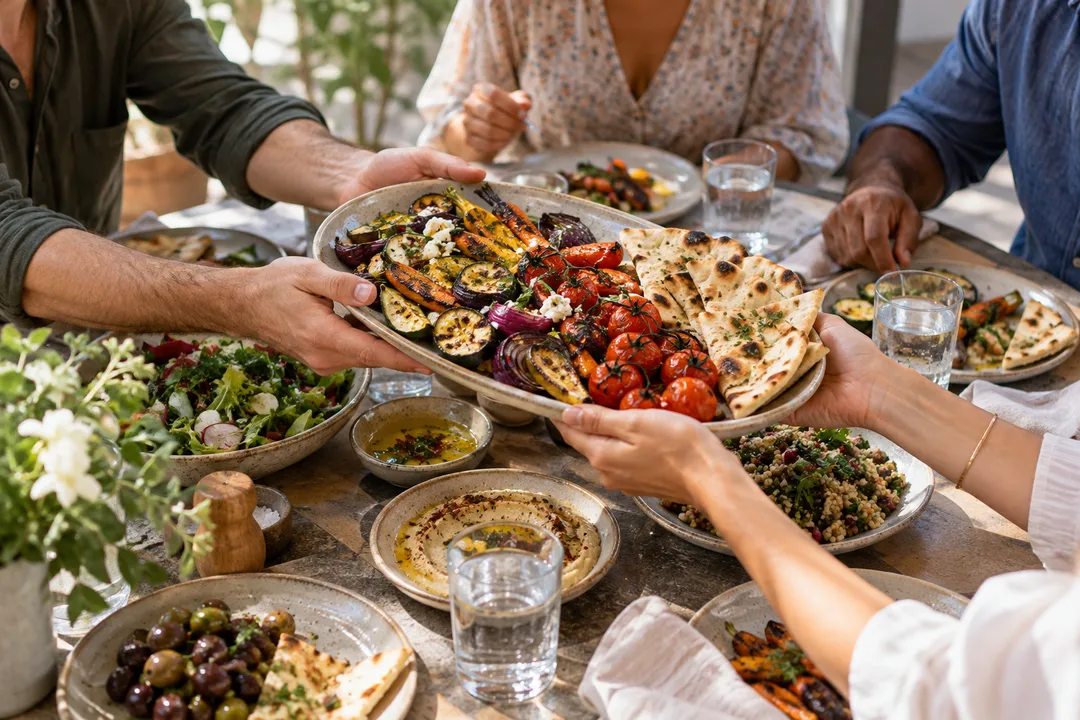
Avoid requiring personal explanations. A person can state that they need a particular dietary accommodation or seating arrangement without sharing medical details with the group. Put only the information needed for selecting a suitable place into the common brief. If a question needs a private conversation with a restaurant, let the affected guest lead it. Good coordination reduces repeated explanations and keeps the group focused on whether an option works rather than why a person needs it.
Establish the meeting area before the mood debate
Look at the group's starting points and choose an area most people can reasonably reach. For a San Francisco example, friends leaving offices downtown and homes elsewhere in the city might prefer a central meeting area or a location near the next activity. Those are planning choices, not assumptions about anyone's commute. Ask people for their preferred maximum journey rather than demanding exact addresses, and use that information when comparing suggested locations.
Then name the social purpose of the meal. A reunion that depends on conversation needs a different brief from a dinner before dancing. Phrases such as lively but still conversational are a useful beginning, but describe the behavior you want: talking across the table, lingering over dessert or finishing in time for another plan. Those details help the group evaluate a suggestion without debating abstract labels like cool, casual or special for the rest of the afternoon.
Request a shortlist with visible tradeoffs
A sample request could say: Six friends want dinner in San Francisco. We have chosen a meeting area and a spending approach. One guest needs a vegetarian main, and we want a table arrangement that supports conversation. Suggest a few places to investigate and explain the main compromise for each. I will provide our timing and any access needs. This wording asks for help organizing possibilities. It does not imply that Karpo has reserved seating for six or checked a restaurant's capacity.
When ideas arrive, turn each into a compact comparison with the same headings: why it fits, what the group gives up, and what remains unanswered. An organizer can write those notes manually. One option may prioritize the meeting location while another better matches the food preferences. Keep the reason for including each place specific. If the only difference is a description of the decor, the list may not yet reflect the needs the group actually supplied.
Let objections identify problems rather than add links
Ask people to distinguish an obstacle from a preference for something else. An obstacle might be that the proposed meal leaves a guest without a suitable main course. A preference might be that someone would enjoy another cuisine more. Both deserve a hearing, but they call for different responses. Resolve obstacles first. Once the remaining choices meet the essential needs, a group can make a fair decision without requiring every person to be equally enthusiastic about the same restaurant.
Use a simple voting rule only after that review. For example, each person might name one workable favorite from the final pair. Decide in advance how a tie will be handled, perhaps by asking the organizer to choose the more convenient journey. These are suggested coordination methods, not built-in app controls. The point is to avoid changing the rules after seeing which option wins, which can make an ordinary dinner choice feel unnecessarily personal.
Settle the bill arrangement before the table is booked
State whether the group expects individual spending or an even split, and explain how shared food and drinks will be handled. This matters most when some people want alcohol or several courses and others do not. The organizer does not need to calculate every person's exact order. A broad agreement about who pays for optional extras gives guests enough information to decide whether the evening fits their plans without an awkward conversation at the end of the meal.
Assign the booking step to a named person and make the commitment clear before that person pays any deposit. Read the restaurant's own group terms and cancellation conditions for the arrangement you choose. A shortlist and a group vote are preparatory steps, not evidence of a confirmed table. If the business cannot accommodate the plan, return to the remaining suitable candidate and explain the specific reason for changing direction instead of reopening the entire preference discussion.
Practical notes for the final group message
Send one finished message with the selected venue, meeting time, booking holder and agreed payment approach. Include any arrival instruction that comes from the restaurant and leave optional after-dinner plans separate. The organizer can keep one fallback privately if useful, but the whole group needs a clear destination. Karpo's public positioning supports starting with a mood and asking for a plan. Your group's decision rule turns that planning conversation into a dinner everyone knows how to join.
Ask Karpo for more information.
Keep reading
- Outer Sunset Cioppino Dinner Picker: Pots by Ocean Beach
 Marina Cioppino Dinner Picker: Bistros After Bay Walks
 Embarcadero Cioppino Dinner Picker: Pots by the Bridge