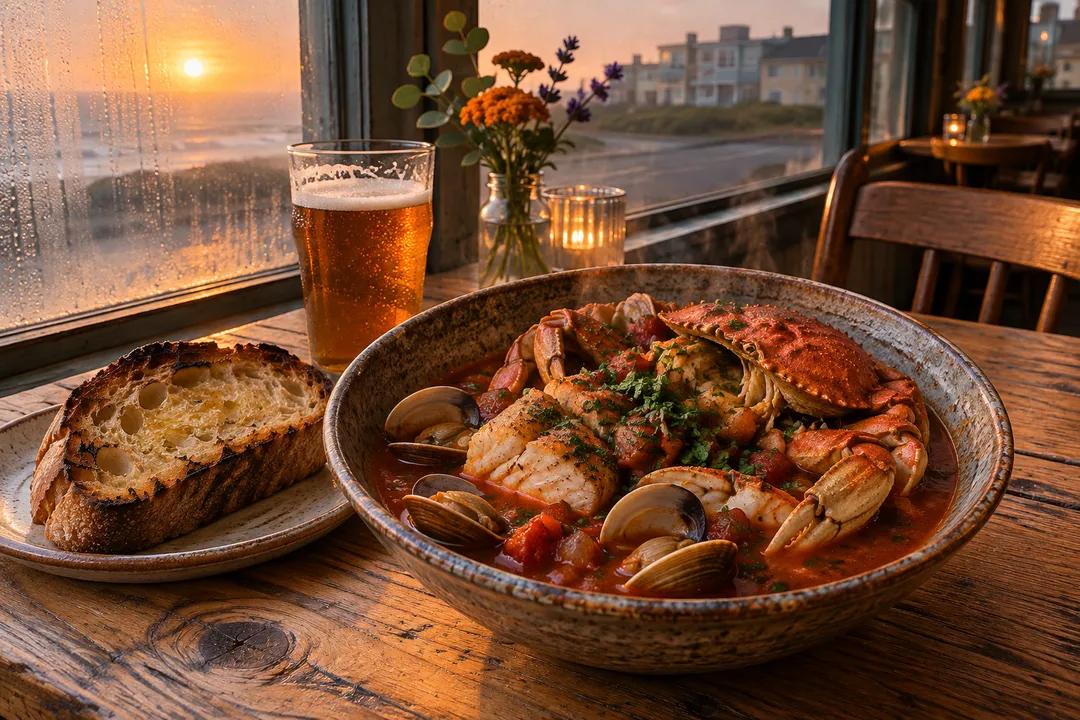
 Outer Sunset Cioppino Dinner Picker: Pots by Ocean Beach
Restaurants
SF Dinner Shortlist Builder: Make One Budget Work Harder
Set a San Francisco dinner spending limit that includes the whole meal, then compare a few realistic options without confusing menu prices with your total.
A spending limit only helps if everyone means the same thing by it. A San Francisco dinner shortlist builder can begin with a number, but the useful work is deciding what that number includes. Is the plan a main course and water, a shared starter, or an evening with drinks and dessert? Before asking Karpo APP for dinner ideas, write a complete spending brief. That makes the resulting conversation easier to evaluate and keeps a tempting menu from quietly expanding the whole night's cost.
Define the amount you want to protect
Start with the amount you are comfortable spending for the complete outing and identify who will pay. A solo diner can make one decision, while a couple splitting evenly or friends paying individually need a shared definition. Treat the limit as a personal constraint rather than an estimate of what restaurants charge. You can give it privately in your request without turning it into a public claim about the cost of dining in a particular neighborhood.
Distinguish a firm ceiling from a target. A target leaves room for a deliberate extra, while a ceiling means another expense must shrink before the meal grows. Say which one you mean in the brief. If dinner is part of a larger evening, reserve money for transport or another activity before considering food. This is especially useful when an attractive restaurant would require a journey that the original meal budget did not include.
Compare the basket you intend to order
Create a simple meal basket for comparison: perhaps one main and a nonalcoholic drink for each person, with an optional shared starter. A basket is a proposed order, not a fixed package sold by a restaurant. Use the same assumptions across candidates so you are comparing equivalent dinners. A lower-priced main can become the more expensive choice when the expected meal also requires several sides, while a larger dish might satisfy the same appetite on its own.
Read the restaurant's own published charges alongside the dishes. Taxes, service charges, gratuity decisions and delivery or booking fees can affect what leaves your account, but do not invent a universal percentage or assume that a service charge has a particular meaning. Use the terms actually presented for that candidate. Keep any unknown amount visible in your own calculation instead of silently treating it as zero. A menu subtotal and a final payment are different figures.
Give drinks and sharing their own decisions
Drinks deserve an explicit place in the brief because people can have very different expectations about them. One guest may want tap water, another a soft drink, and someone else a cocktail. Rather than hiding those choices inside an average per-person estimate, decide whether each person pays for their own drinks. That conversation can preserve a modest dinner plan without asking someone to justify opting out of an expensive round.
Shared food raises a similar question. Agree whether a shared starter is part of the plan or something people may choose after arriving. If the latter, allow the people who want it to discuss how they will divide its cost. Avoid assuming that everyone will share every plate, especially when appetites and dietary needs differ. A concise agreement before dinner is kinder than a complicated discussion over the bill while the table is trying to leave.
Build a brief around the experience you want
A useful example request is: I want an informal dinner for two in San Francisco, preferably around the Mission. My stated limit is for the full meal rather than just the mains. We would like individual dishes, no alcohol, and enough time to talk. Please suggest a small number of places to explore, explaining any cost information you use and leaving unsupported amounts unstated. Add your own spending figure. The wording describes a request you can make, not a guarantee of exact accounting by an app.
Karpo's public site invites people to begin with their mood and ask for a plan. For this task, the mood should be specific enough to guide a choice: relaxed counter service, a comfortable sit-down meal, or a quick dinner before going home. Budget alone cannot distinguish those experiences. Adding the desired pace helps you notice when a suggestion technically appears affordable but would produce a different evening from the one you wanted.
Decide what can flex before adding candidates
Rank the parts of dinner you care about most. You might protect a satisfying main course and a convenient neighborhood while treating dessert as optional. Someone else may prefer a smaller meal with a special drink. Neither approach is inherently more sensible. What matters is choosing the tradeoff deliberately, before reading descriptions that encourage you to want everything. Limit the flexible dimensions to one or two so the shortlist remains a decision aid rather than another open-ended search.
Consider timing as a preference without assuming a discount exists. You can ask about an earlier meal or a different weekday, but any special offer needs its own published terms. Look at eligible days, required purchases and whether the offer applies to the way you plan to dine. An offer is only useful when it fits the actual outing. A headline price that requires extra purchases can undermine the limit you were trying to protect.
Separate attractive options from affordable options
Give each candidate a short note with three parts: the meal you would order, the charges you have evidence for, and the unresolved cost questions. Then decide whether it belongs below the ceiling, needs more information, or should leave the list. These are categories for your own review. They prevent a beautifully photographed option from staying near the top simply because you have not completed its calculation, while more modest choices get judged against a complete total.
When a candidate exceeds the limit, change one assumption at a time. Removing a drink, choosing a different main or changing the neighborhood are different decisions with different effects on the evening. Do not keep trimming food until the proposed dinner no longer matches your appetite. If the only workable order is something nobody really wants, a different venue is a more honest alternative than pretending the original plan has become affordable.
Practical notes before committing the money
Once you have a leading choice, keep the spending brief with the intended order and use the restaurant's stated booking or ordering process. Discuss any deposit or cancellation obligation before paying it. A suggested restaurant is not a reservation, and a price mentioned in a planning conversation is not a promise from the business. The finished shortlist should leave you with a meal you want, a payment plan everyone understands, and a clear reason to stop comparing options and make the evening happen.
Ask Karpo for more information.
Keep reading
- Outer Sunset Cioppino Dinner Picker: Pots by Ocean Beach
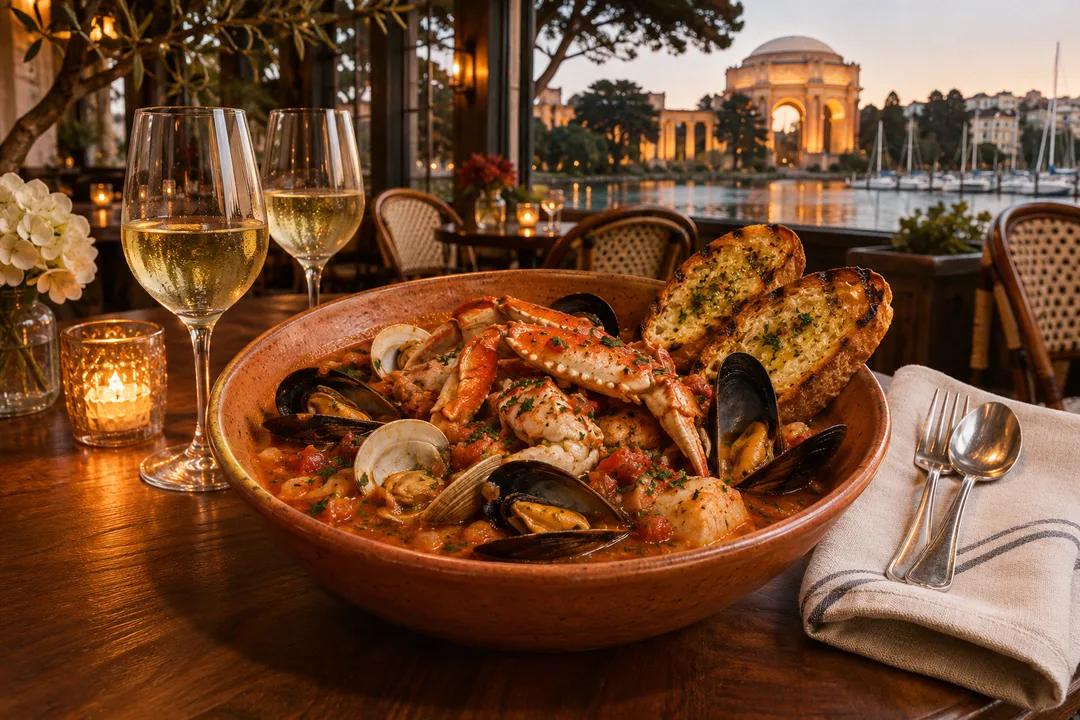 Marina Cioppino Dinner Picker: Bistros After Bay Walks
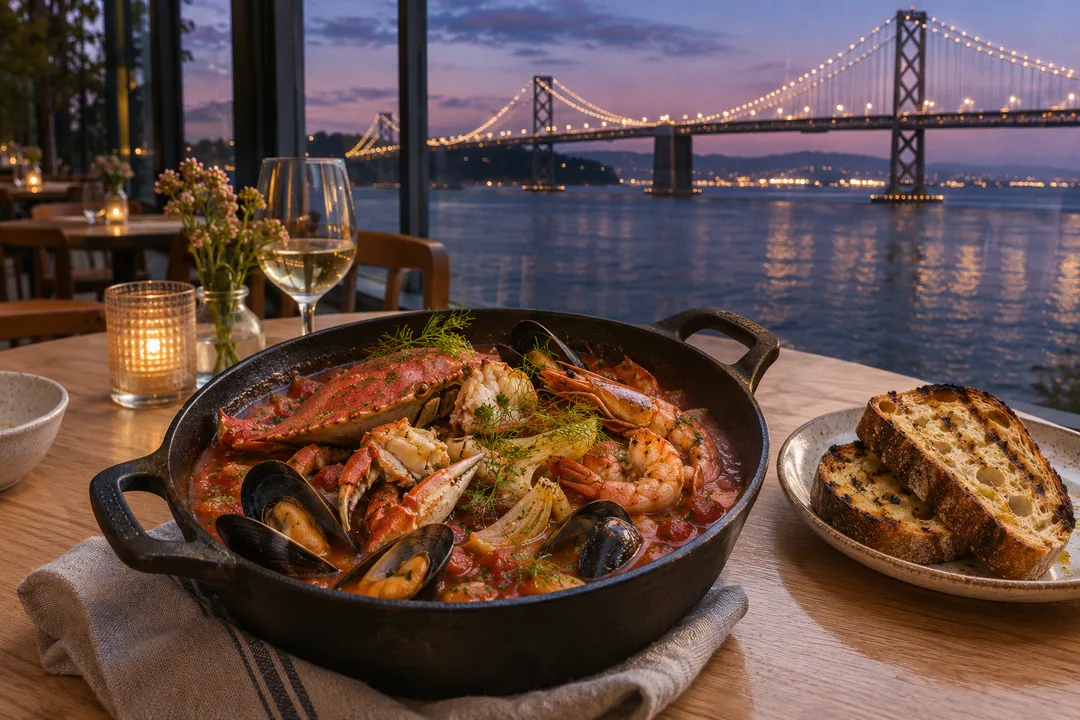 Embarcadero Cioppino Dinner Picker: Pots by the Bridge