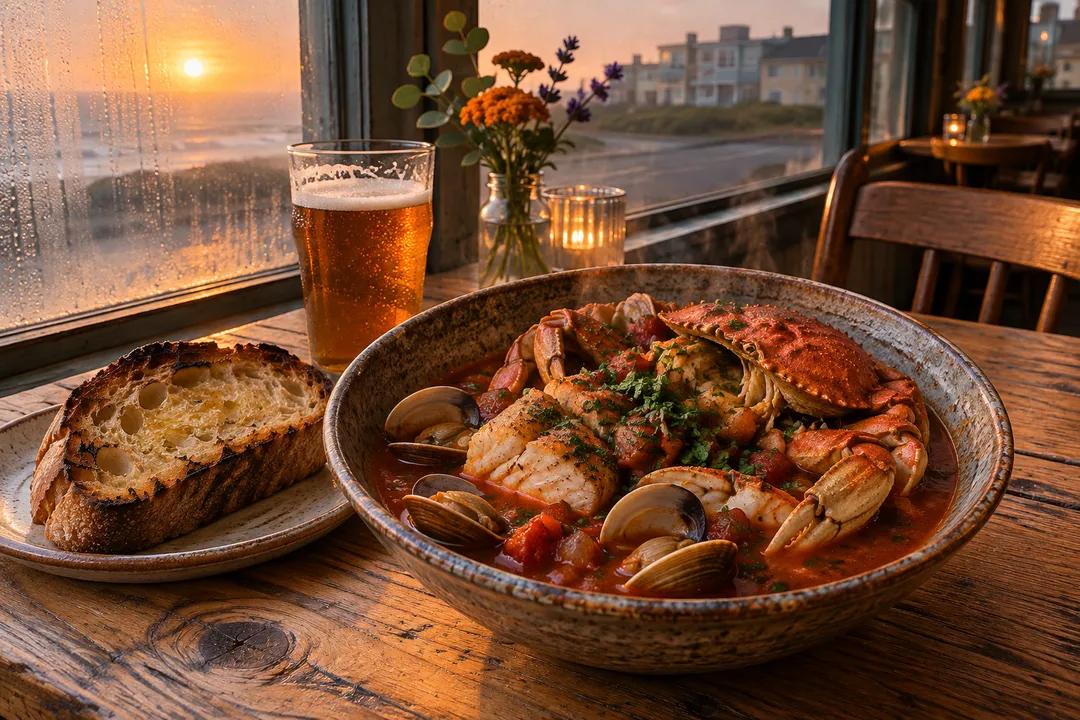
 Outer Sunset Cioppino Dinner Picker: Pots by Ocean Beach
Restaurants
Sunset Dinner Reservation Finder: A Family Meal for Five
Build a Sunset family dinner plan with a dinner reservation finder that considers dietary needs, shared dishes and seating comfort before the booking step.
A family dinner in the Sunset starts with several people wanting different things from the same meal. Someone wants familiar food, someone hopes to share dishes and another diner needs ingredients handled in a particular way. A dinner reservation finder is useful when those differences become a clear request. Open the Karpo APP with the party size, meeting area and dietary needs, then ask for a small comparison of suitable meal formats. Use the shortlist to choose what to investigate next, with the restaurant answering kitchen and seating questions before you commit to a booking.
Count people and needs separately
Begin with every person who needs a seat, including children who will not order a full meal. Then describe the practical needs of the group without reducing everyone to an age label. One adult may need a regular chair rather than a booth, while a child may be perfectly comfortable at an ordinary table. If you are bringing a stroller, say whether it needs to stay beside the table or can be folded. These details affect the arrangement you should ask about, rather than merely the number entered in a search.
Give each diner a chance to name one important preference before you send the prompt. For five people, a short set of priorities is easier to act on than an extended group chat filled with restaurant links. You might protect a vegetarian main, a meal without excessive spice and a table where everyone can hear one another. Let less important preferences remain flexible. Tell Karpo which conditions are essential so the comparison does not trade away a real need in exchange for a cuisine that only one member of the family suggested.
Separate food preferences from kitchen requirements
Describe dietary restrictions precisely. A preference to avoid dairy is different from an allergy requiring a conversation about ingredients and preparation. A vegetarian diner may need a satisfying main rather than a list of side dishes. Ask Karpo to use published menu information when it is available, and to distinguish a promising menu from a kitchen's ability to accommodate a particular person. A dish name can help you form a question. It cannot settle questions about stock, sauces, preparation surfaces or ingredient substitutions for your meal.
For an allergy or another essential dietary requirement, communicate directly with the restaurant before accepting the plan. Explain the requirement in plain language and ask the questions that apply to the diner. Keep the answer associated with that venue rather than assuming the same cuisine works everywhere. The discovery conversation can reduce the number of kitchens you need to contact, but it should not turn a broad label into a safety assurance. If the response leaves a necessary condition unresolved, choose an alternative whose actual offer your family can use with confidence.
Decide how the table will order
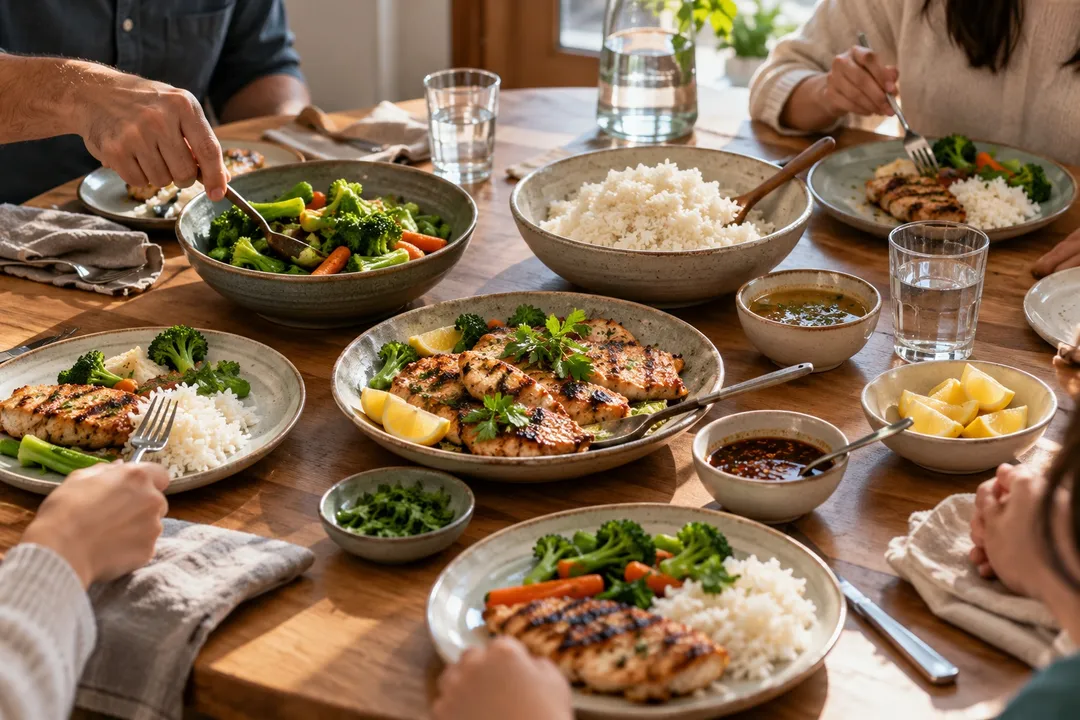
Sharing can be convenient, but only when everyone is comfortable with the arrangement. A family-style meal may become awkward if several dishes are unsuitable for one diner. Decide whether you want separate mains, a mixture of shared plates and individual dishes or an entirely shared spread. Tell Karpo which format you prefer and why. Ask it to compare menus on that basis when sources support the distinction, rather than presume a neighborhood restaurant will be flexible simply because the setting appears relaxed or the cuisine is often associated with sharing.
Think through the practical serving questions before you arrive. Separate serving utensils, sauces on the side and an individual plate for a restricted diner might matter to your group. Ask the restaurant about requests that affect preparation or service. Avoid promising children a particular dish until you have seen the actual menu being offered. For a family with varied appetites, the strongest choice may be a restaurant with straightforward individual orders rather than the most extensive selection. The goal is for each person to eat comfortably without turning the table into a negotiation over every plate.
Look for comfort in the whole arrangement
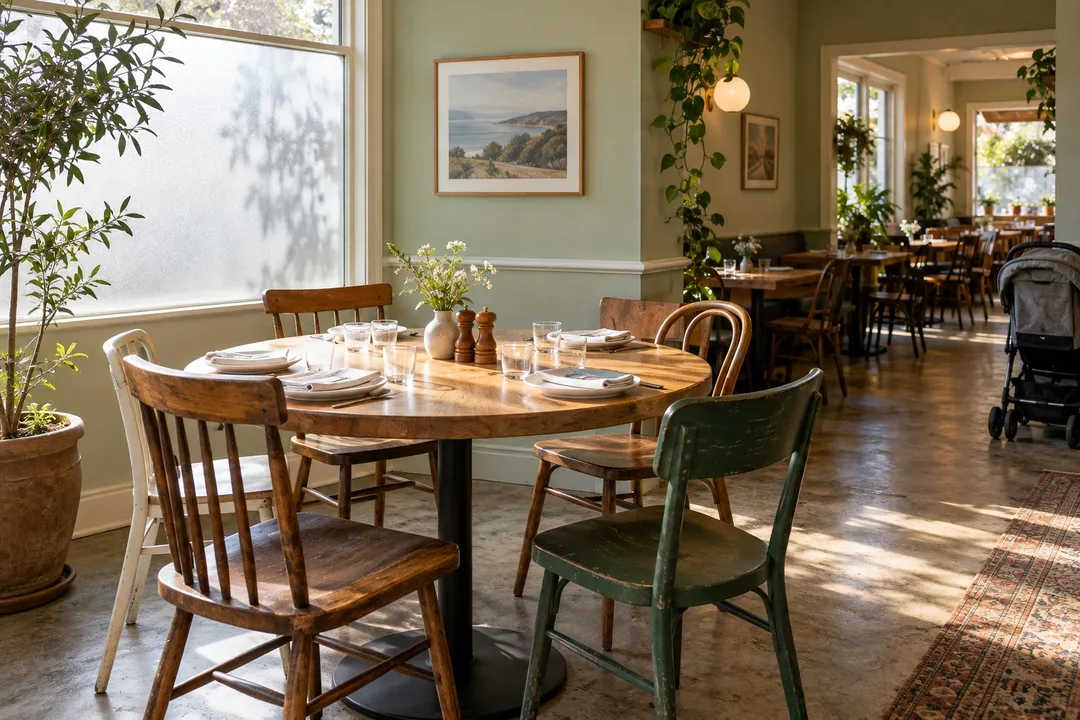
A booth is not automatically the easiest family seat. It can make it difficult for the person on the inside to get up, and a fixed bench may not suit every diner. A round table can support shared conversation, while a long table may give someone more room near the aisle. Describe how your family uses the space. Ask for seating information where it exists and keep the actual arrangement open until the restaurant responds. An attractive room photograph provides clues about furniture, not a confirmed layout for your party.
Noise also needs a practical definition. You may want conversation without raising your voice, rather than silence throughout dinner. Mention whether the group prefers to avoid a bar area, loud music or a busy service passage. Ask for evidence-based descriptions when available, without treating them as a measured sound level. If a family member has a particular hearing or sensory need, carry that detail into the direct seating conversation. A specific question about the relevant dining area helps more than a broad request for the quietest restaurant in a neighborhood.
Give five people one manageable plan
Choose a meeting area that reflects where the family is coming from. If people arrive separately, a convenient place for one household may create a difficult trip for another. Tell Karpo your starting areas and acceptable travel effort, then compare a compact set of options. Keep a walk or extra stop optional. A relaxed neighborhood dinner does not need a complete evening itinerary, particularly when someone has already traveled a long distance or needs to take children home soon after the meal.
Spending expectations are easier to discuss before choosing a restaurant. Say whether your intended limit includes drinks, several shared dishes or dessert, and who is organizing payment. Ask for source-based menu comparisons if the relevant information is available. Do not invent a family total from a price label. A meal with five different ordering patterns can cost differently from a fixed group package. If a deposit or cancellation condition appears in the actual booking flow, include it in the family's decision before someone becomes responsible for accepting those terms.
Turn the shortlist into a clear next action
Ask for two or three candidates with a short explanation of menu fit, seating considerations and the main unanswered question. Share that comparison with the family, then select one person to handle the next step. Use the restaurant's own reservation route to assess the offered time and party size. Send any essential dietary or access questions through the appropriate channel. A recommendation in Karpo is the beginning of that decision, while the reservation confirmation and direct venue responses establish what has actually been arranged for dinner.
Keep one fallback based on a flexible preference. A different cuisine or meal time might preserve the family's dietary needs and comfortable seating. Do not relax an essential requirement merely to keep a particular restaurant on the list. Once the booking is settled, send a short message with the meeting time, venue and relevant instructions. Return to the Karpo APP if a specific constraint changes. The result should be an ordinary, enjoyable family supper in which the planning has already made room for the differences between the five people sharing the table.
Ask Karpo for more information.
Keep reading
- Outer Sunset Cioppino Dinner Picker: Pots by Ocean Beach
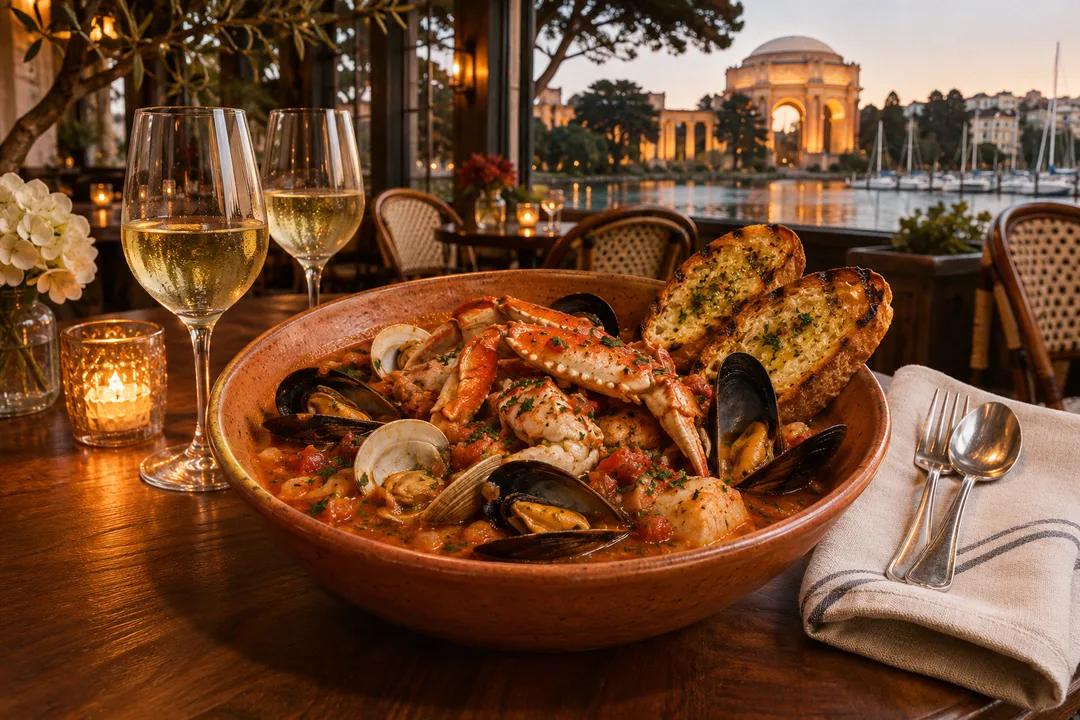 Marina Cioppino Dinner Picker: Bistros After Bay Walks
 Embarcadero Cioppino Dinner Picker: Pots by the Bridge