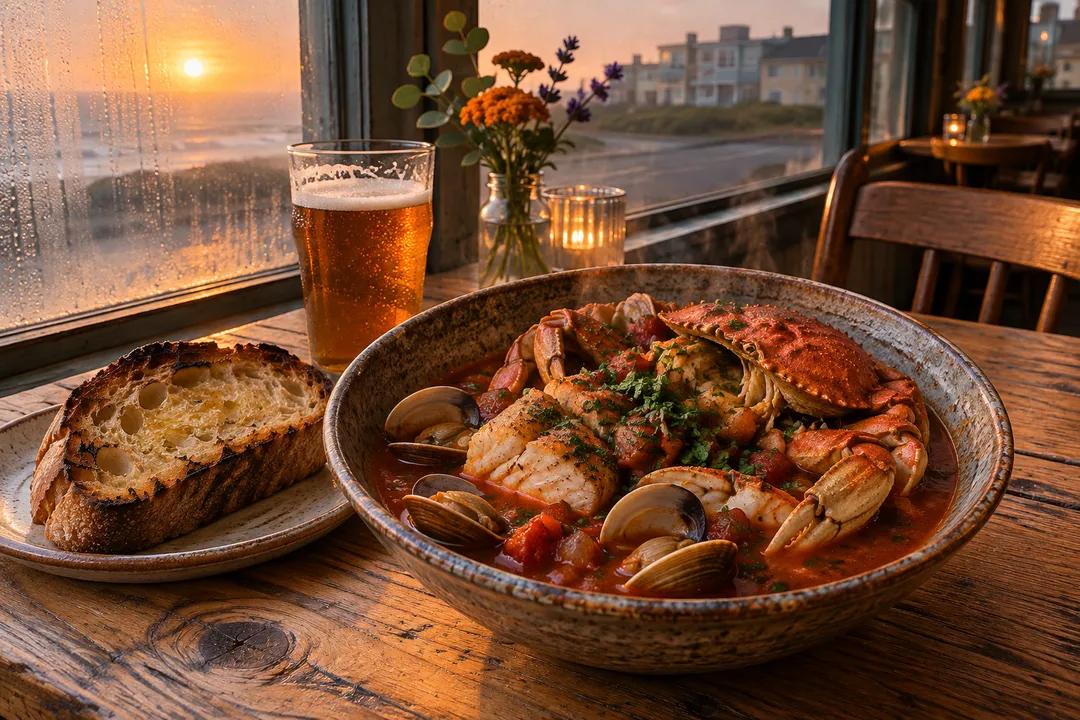
 Outer Sunset Cioppino Dinner Picker: Pots by Ocean Beach
Restaurants
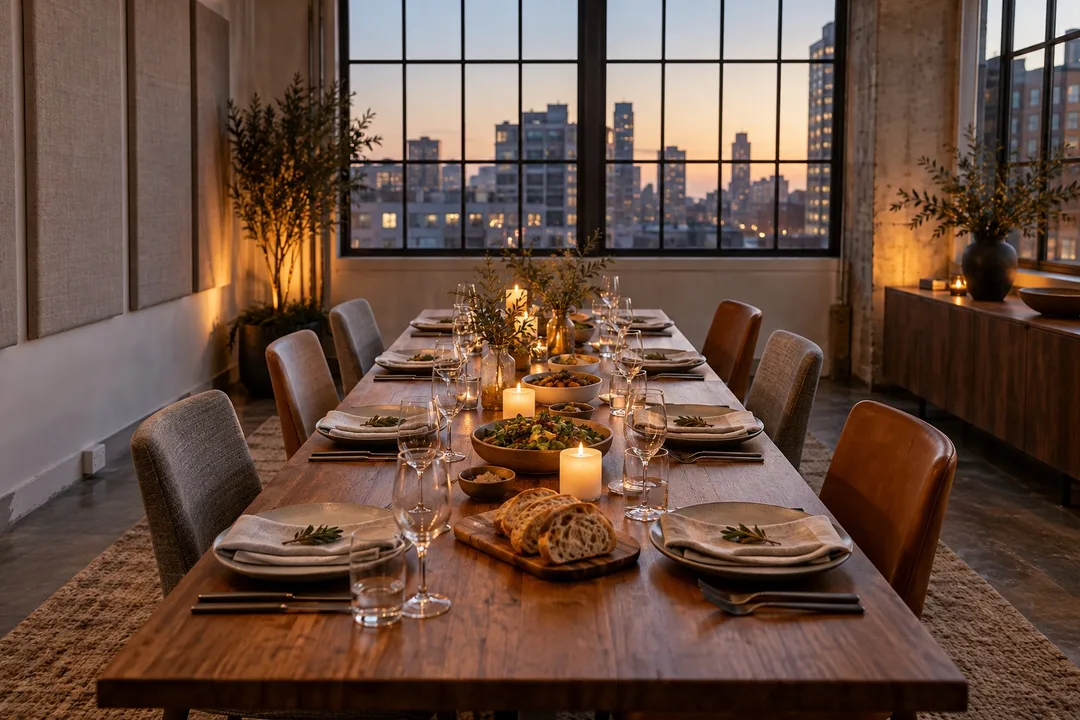
SoMa Dinner Reservation Finder: A Team Meal for Eight
Plan a SoMa team meal with a dinner reservation finder that compares shared tables, menu choices and payment arrangements for eight colleagues in the Karpo APP.
For an eight-person team dinner in SoMa, finding a table is only part of the job. You also need a meal people can join comfortably, a way to handle different diets and an arrangement that leaves nobody guessing about payment. Use a dinner reservation finder to turn those requirements into a short comparison. Tell the Karpo APP who is coming, the date and the kind of gathering you want. Ask for relevant options and practical tradeoffs, then carry the chosen plan into the restaurant's actual group inquiry or reservation channel.
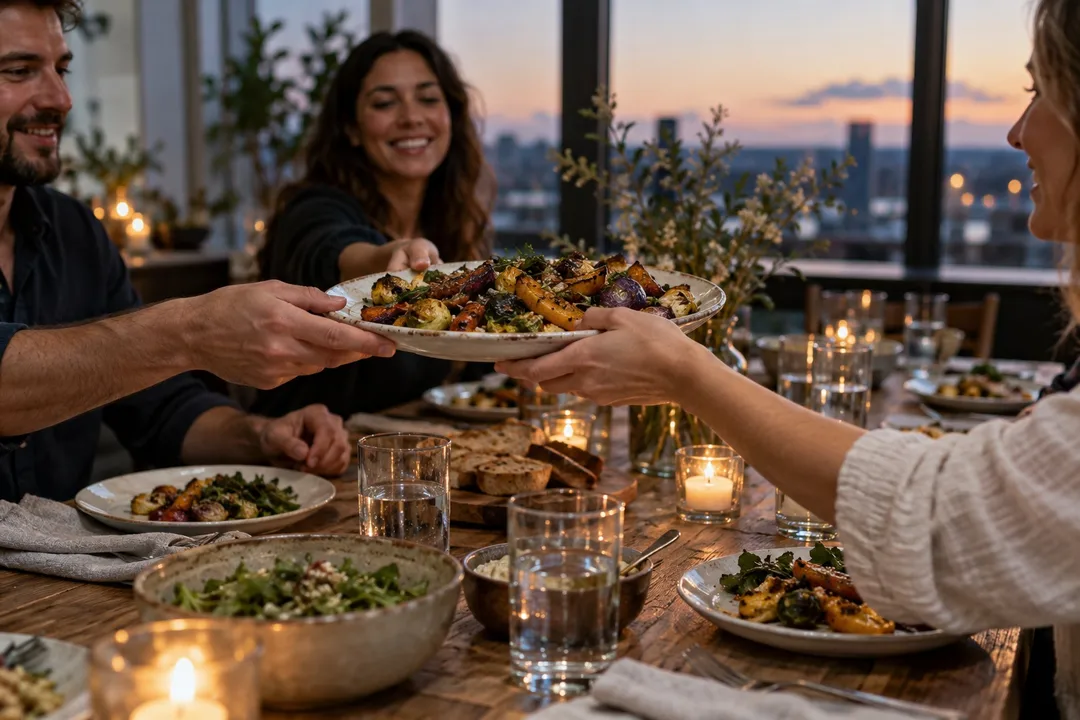
Give the dinner a purpose people understand
A celebration after a project can be informal, while a meal welcoming a new colleague may benefit from easier conversation and a gentler pace. Decide what the gathering is meant to accomplish before searching for a room. Tell Karpo whether the team wants a full sit-down dinner, shared plates or a meal with room for people to leave at different times. The same eight diners can need very different arrangements depending on whether they expect a brief toast, a relaxed catch-up or an extended evening together.
Participation should be clear as well. Tell colleagues whether dinner is optional, whether guests are included and how long the planned meal is intended to last. Give the discovery request the confirmed party size, rather than a hopeful headcount that may change substantially. If attendance remains uncertain, identify the point at which the organizer needs a final answer. That is an internal planning decision. The restaurant's own terms determine how changes to a booking or a group package are handled once you accept an actual offer.
Define privacy without overpromising it
Semi-private can describe a screened corner, a separate section of a larger room or a space shared with other groups. Decide which of those would serve the dinner. If the team only wants to hear one another, a fully separate room may be unnecessary. If the conversation includes confidential work, a lively public dining area may be unsuitable regardless of how secluded it appears in photographs. Put the real requirement into the prompt, so an appealing interior does not stand in for an answer about how the space functions.
Ask Karpo to distinguish a long shared table from a private dining offer when evidence is available. A photograph of an eight-seat table does not establish that it can be reserved for your group, and a note requesting a quiet corner does not secure exclusive use. Take specific questions about separation, nearby tables and room conditions to the venue. If privacy is essential, assess the written group offer on its own terms. If it is simply a preference, keep a comfortable shared dining room in the comparison instead of narrowing the search unnecessarily.
Collect dietary needs discreetly
Give colleagues a simple way to share dietary requirements with the organizer without asking them to explain personal circumstances to the whole team. Combine only the details needed to evaluate menus. A vegetarian main, a meal without alcohol and a serious allergy involve different questions. Ask Karpo to compare the available menu information against those needs, with sources where possible. Avoid assuming that a broad cuisine category guarantees suitable dishes or preparation. The purpose is to identify promising candidates before contacting kitchens about essential requirements.
For a group menu, consider whether each diner chooses a main or everyone receives the same dishes. A shared spread can feel sociable yet leave someone with very little to eat. Ask the venue how the actual group format handles the restrictions you have collected, including any preparation questions that require a kitchen response. Keep that answer attached to the specific offer. Do not tell colleagues that their needs are accommodated merely because a menu photograph includes vegetables or the restaurant describes itself as flexible about groups.
Make conversation work around the table
An eight-person table can split into separate conversations. Decide whether that is welcome or whether the organizer hopes everyone can take part in the same discussion. A very long table may work well for a casual celebration but less well for introductions across the whole group. Describe the seating pattern you prefer, including any need for ordinary chairs rather than stools. Ask for available information about furniture and layout, while leaving the final arrangement to the restaurant's response and the reservation or group terms you accept.
A comfortable meal also needs room for arrivals, coats and movement. If someone uses a mobility aid or needs an accessible route, ask about the actual entrance and approach to the proposed table. Do not turn that person into the sole source of planning work. The organizer can gather the relevant requirement privately and carry it to the venue. For atmosphere, explain whether music or a bar area would interfere with the purpose of the meal. A practical question about the proposed space is more useful than asking for a universally quiet restaurant.
Put budget and payment in the same conversation
State what the team or company is covering before comparing options. A spending ceiling could include food only or extend to drinks and all disclosed charges. Those are different briefs. Ask Karpo to use sourced menu or group-offer information when available, without inventing a per-person total from the decor or reputation of a restaurant. If colleagues might pay for extras themselves, make that clear before dinner. People should be able to participate without discovering an unexpected personal expense after they have already accepted the invitation.
Choose who is authorized to accept a deposit, minimum spend or cancellation condition if one appears in the actual offer. Decide how the receipt needs to be handled and whether one bill is preferable for your organization. Ask the restaurant about billing arrangements that affect the booking, rather than assume eight separate payments will be easy. A useful shortlist makes these administrative differences visible early. The most appealing menu may be a less practical choice if its payment structure conflicts with the budget approval or expense process the organizer must follow.
Close the loop with the team
Compare a small set of candidates using the purpose of the dinner as your decision rule. Ask for a short account of menu suitability, conversation setting, travel effort and the main condition still requiring an answer. Give colleagues a clear deadline to flag a serious problem rather than an open-ended vote across many links. Once a preferred venue emerges, use its stated booking or group inquiry route. The Karpo APP helps organize the choice, while the restaurant or provider supplies the actual availability, offer and confirmation.
Send the final invitation only with the details you know: venue, arrival time, booking name, the meal arrangement and what payment includes. Mark an optional continuation afterward as optional, so leaving after dinner feels straightforward. Keep a fallback that changes a flexible preference while preserving essential dietary and access needs. If attendance or budget changes, return to Karpo with that specific obstacle for a revised comparison. A well-planned SoMa team dinner gives eight colleagues a shared evening with enough clarity that the organizer can sit down and enjoy it too.
Ask Karpo for more information.
Keep reading
- Outer Sunset Cioppino Dinner Picker: Pots by Ocean Beach
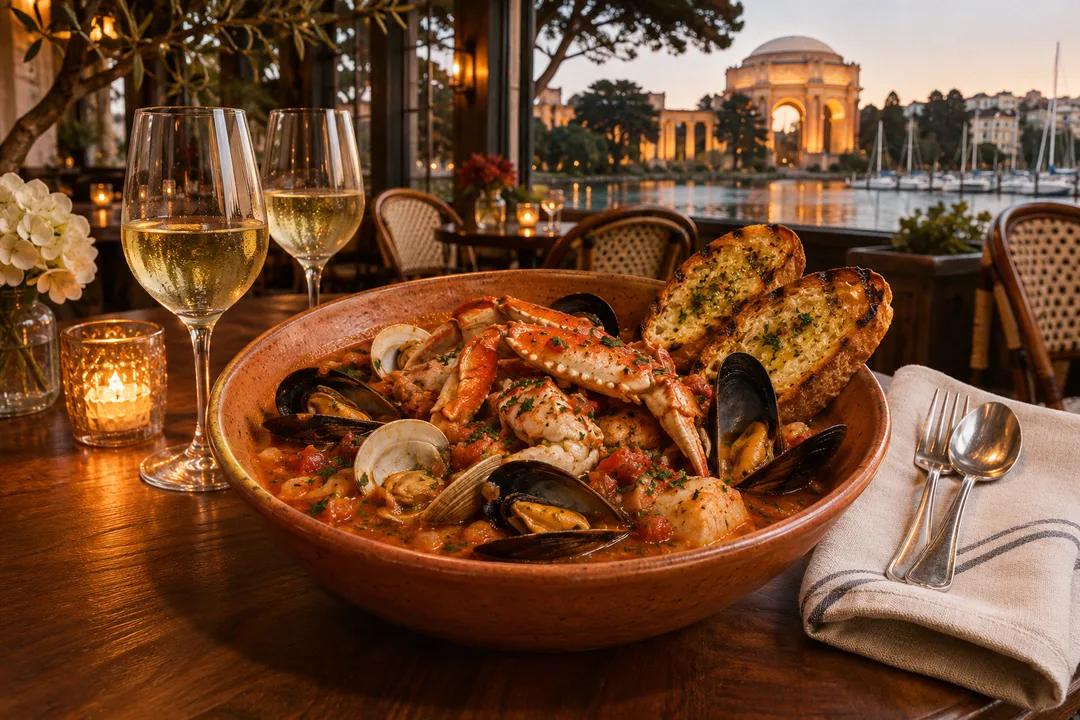 Marina Cioppino Dinner Picker: Bistros After Bay Walks
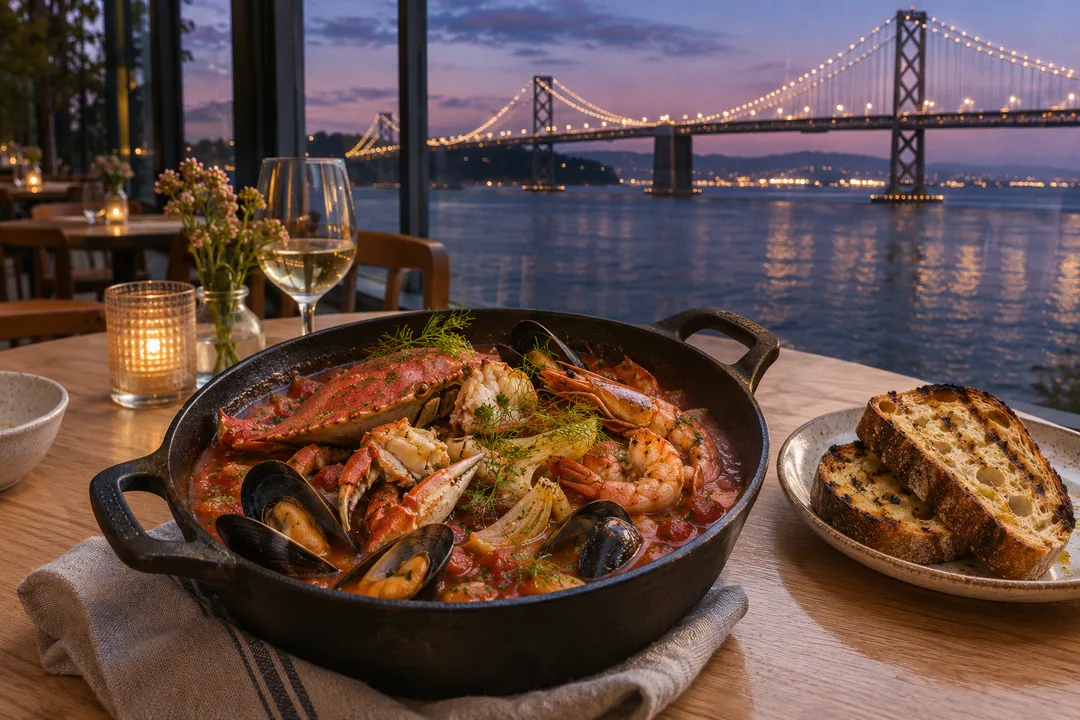 Embarcadero Cioppino Dinner Picker: Pots by the Bridge