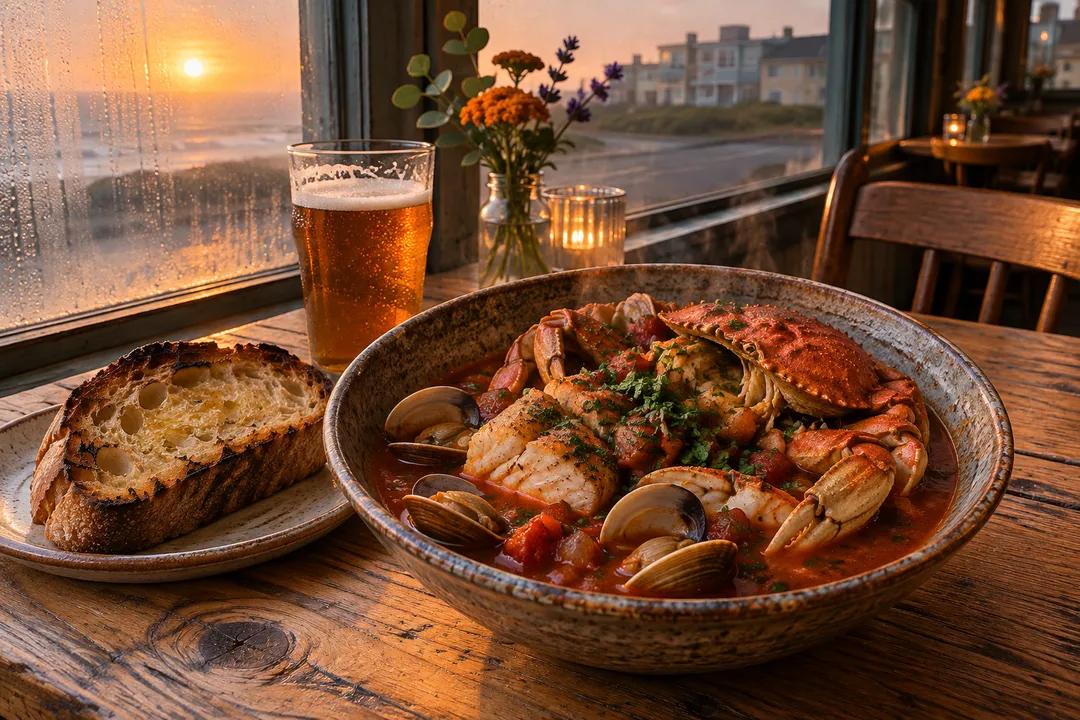
 Outer Sunset Cioppino Dinner Picker: Pots by Ocean Beach
Restaurants
Embarcadero Dinner Reservation Finder: Bay Views for Two
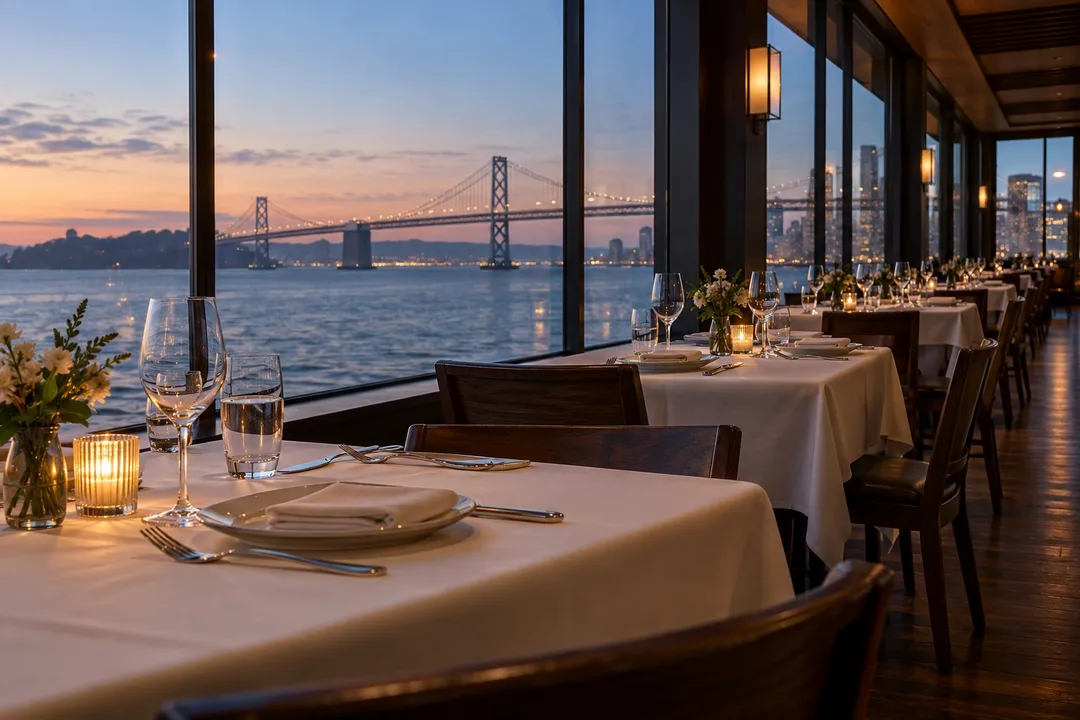
Plan an Embarcadero dinner for two with a dinner reservation finder that weighs bay views, comfortable seating and a practical booking step in the Karpo APP.
An Embarcadero dinner reservation finder works better when you explain what you hope to see from your seat. A dining room beside the water can offer a very different evening from a table facing the bay. For two people planning a scenic dinner, start a conversation in the Karpo APP about the date, preferred meal time and importance of the view. Ask for a few options whose location and dining style suit the plan. The result should help you choose what to pursue, while actual seating and reservation terms come from the restaurant's booking channel.
Decide whether dinner or the view leads
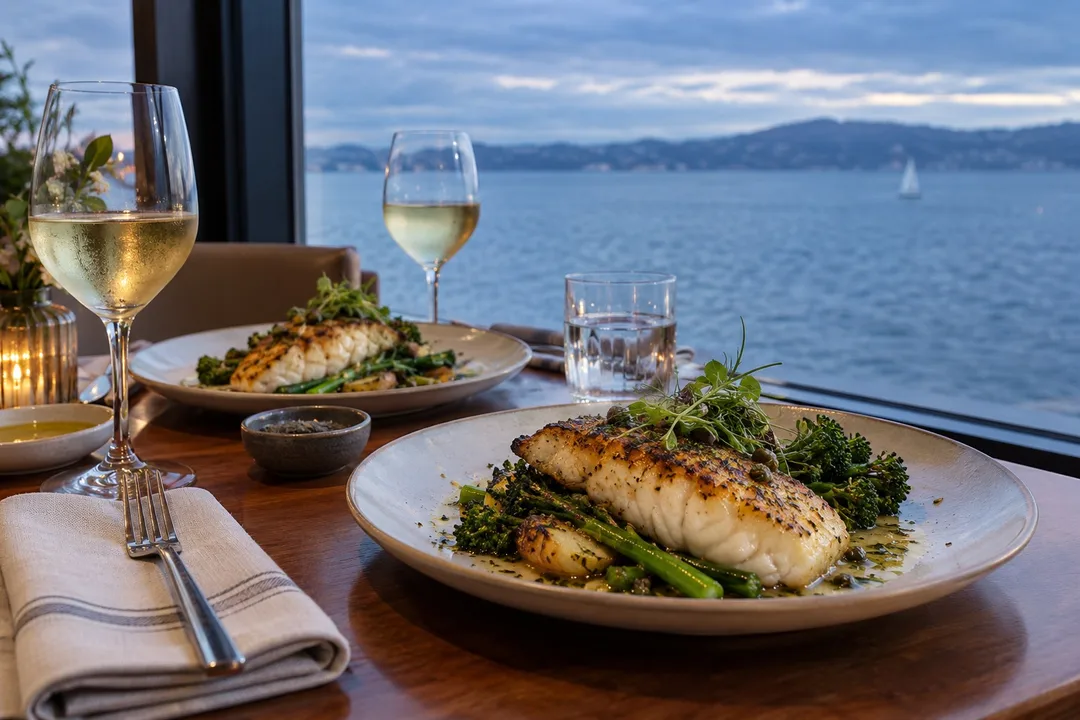
Imagine the evening without the photograph you have in mind. Would you enjoy the same restaurant at an interior table, or would that defeat the reason for going? That answer changes the search. If the meal comes first, a waterfront walk can carry the scenic part of the night. If seeing the bay throughout dinner is essential, seating position becomes a condition that needs a direct answer. Tell Karpo which version describes you, so a broad waterfront suggestion does not quietly replace your actual preference.
Give the request a clear shape: dinner for two along the Embarcadero, a relaxed meal with regular dining chairs, and a preference for an unobstructed bay outlook. Add whether the Bay Bridge matters specifically, rather than any stretch of water. Ask for the reasoning behind each candidate and for gaps in the available seating information to stay visible. A restaurant's waterside address supports its location. It does not establish the direction every table faces, how high the windows are or what you will see once seated.
Read dining photographs as clues
Look at the room from several angles when images are available. A wide window in a promotional photograph may sit behind a row of interior tables. A terrace can face the waterfront while its most sheltered seats look inward. Reflections after dark can also change the experience of looking through glass. Use these observations to form a precise seating question, rather than treat a picture as a promise. Ask about the arrangement you actually need: two diners beside a window, a clear seated sightline and ordinary-height chairs.
Distinguish a request attached to a reservation from a seating category sold in the booking flow. If the available booking says only dining room, adding a note about the view leaves that preference unresolved. A venue may describe a particular area or offer a separate category, in which case its own terms determine what is included. Keep that distinction in your comparison. It is easier to accept an interior table deliberately than to discover on arrival that an appealing photograph shaped expectations no one at the restaurant had agreed to meet.
Make room for weather and comfort
An outdoor table deserves more detail than a single patio filter. Describe whether you are happy with a breezy meal, prefer shelter from the wind or need an indoor alternative. A terrace image cannot establish the conditions on your dinner date. If being outside would make one diner uncomfortable, give comfort a higher priority than an uninterrupted horizon. You can ask Karpo to compare an indoor waterside meal with a more exposed setting, then decide which experience fits both people rather than the more dramatic photograph.
Consider the practical details that determine whether you can linger. Backed chairs, room for a coat and an easy route to the table can matter more than being one row closer to the window. Mention mobility needs plainly instead of relying on a broad accessibility label. Ask the restaurant about the relevant entrance, changes in level and the route to the seating area you are considering. Keep those questions tied to the actual space. A general description of a building cannot answer how a particular table will work for your party.
Compare the meal as carefully as the outlook
A view is only one part of dinner. Tell Karpo whether you want a full multi-course evening, a main course with dessert or a lighter shared meal. Include dietary needs and a spending ceiling that accounts for the way you intend to order. Request menu-based comparisons when current source material is available, with the source made clear. Avoid assigning a total cost from the look of the room. The ordering format, drinks, service charges and booking conditions all affect the decision you will eventually make.
For a useful shortlist, ask for three distinct choices and one tradeoff for each. One could emphasize the setting, another the menu and another an easier journey home. Do not let every candidate become a vague scenic recommendation. Write a simple decision rule with your companion: choose the strongest meal if the view cannot be secured, or choose another evening if a specific seating arrangement is essential. That agreement saves you from repeatedly expanding the search while leaving the central question about the purpose of dinner unanswered.
Give the waterfront walk its own place
You can separate the scenery from the reservation. Ask for a short waterside walk before or after the meal, starting from the restaurant you actually choose. Specify how far both people are comfortable walking and whether darkness changes that preference. A walk before dinner keeps the view independent of service pace. A walk afterward leaves the meal unhurried but depends on energy and conditions at the time. Treat either as an optional extension, with a simple route back to your chosen transport rather than a second tightly timed appointment.
Getting there also belongs in the plan. Share your starting area and whether you expect to walk, use transit or arrive by car. Ask for a realistic comparison of the effort involved, without inventing a precise journey duration. If one person is meeting you separately, choose a clear meeting point associated with the final restaurant rather than a loose instruction to meet somewhere on the waterfront. The best scenic plan still needs an ordinary arrival message, especially when a dining room and its entrance face different directions.
Finish with a reservation you understand
Once a candidate fits, open its stated booking route and assess the offered date, time and seating description. Read any payment or cancellation conditions before accepting. A Karpo recommendation organizes the choice; the booking provider supplies the actual offer and confirmation. If no suitable option appears, revise one preference at a time. Try another meal time, an indoor table or a dinner followed by a walk, while protecting whichever part of the evening you agreed matters most.
Your final plan should say what is booked, what seating has been accepted and which scenic element remains optional. Share those details with your companion in a short message, then keep the confirmation where you can find it. Return to the Karpo APP if you need to compare a specific alternative or adjust the walk. The aim is a comfortable evening by the bay with expectations that match the reservation, leaving both diners free to enjoy the setting instead of negotiating the view at the table.
Ask Karpo for more information.
Keep reading
- Outer Sunset Cioppino Dinner Picker: Pots by Ocean Beach
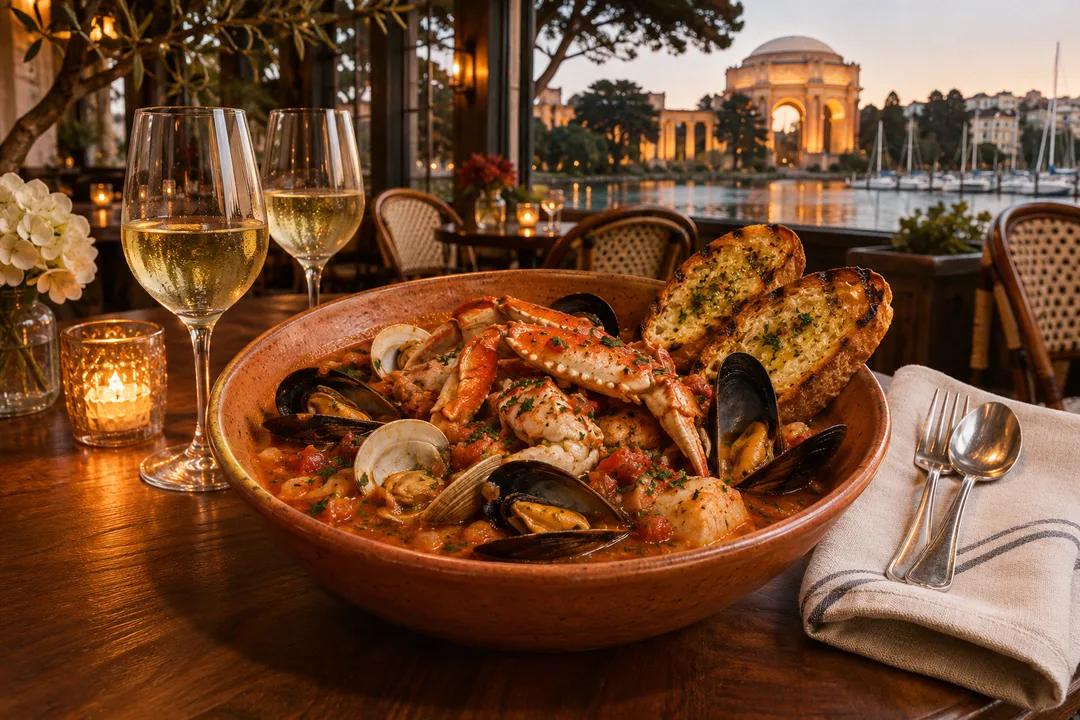 Marina Cioppino Dinner Picker: Bistros After Bay Walks
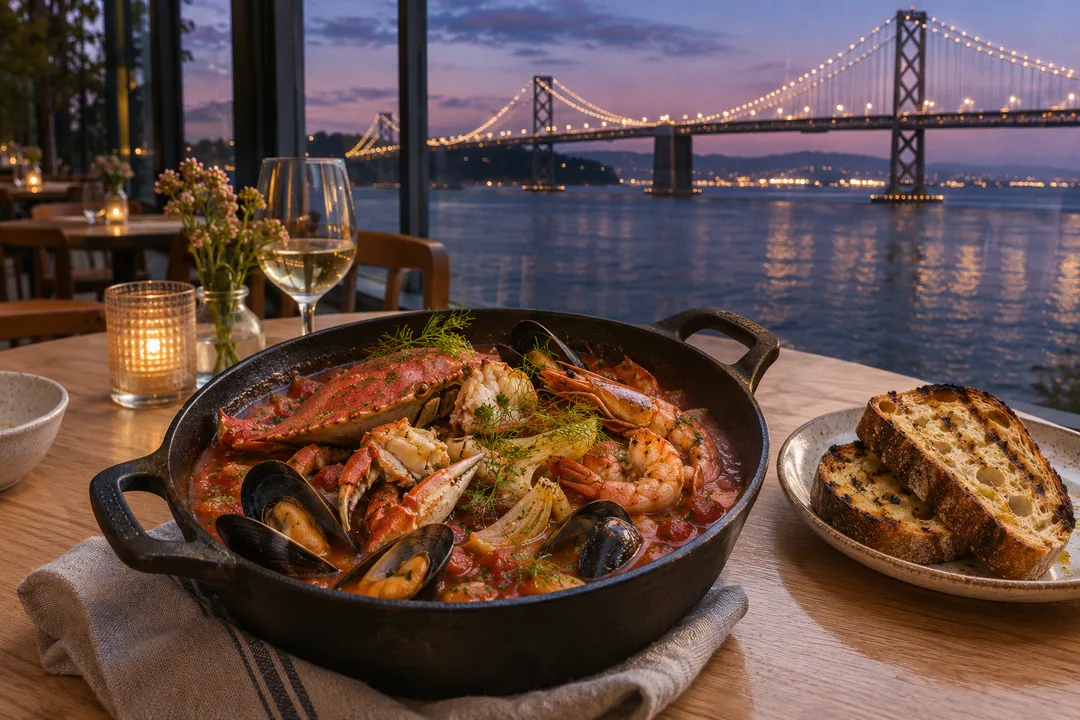 Embarcadero Cioppino Dinner Picker: Pots by the Bridge