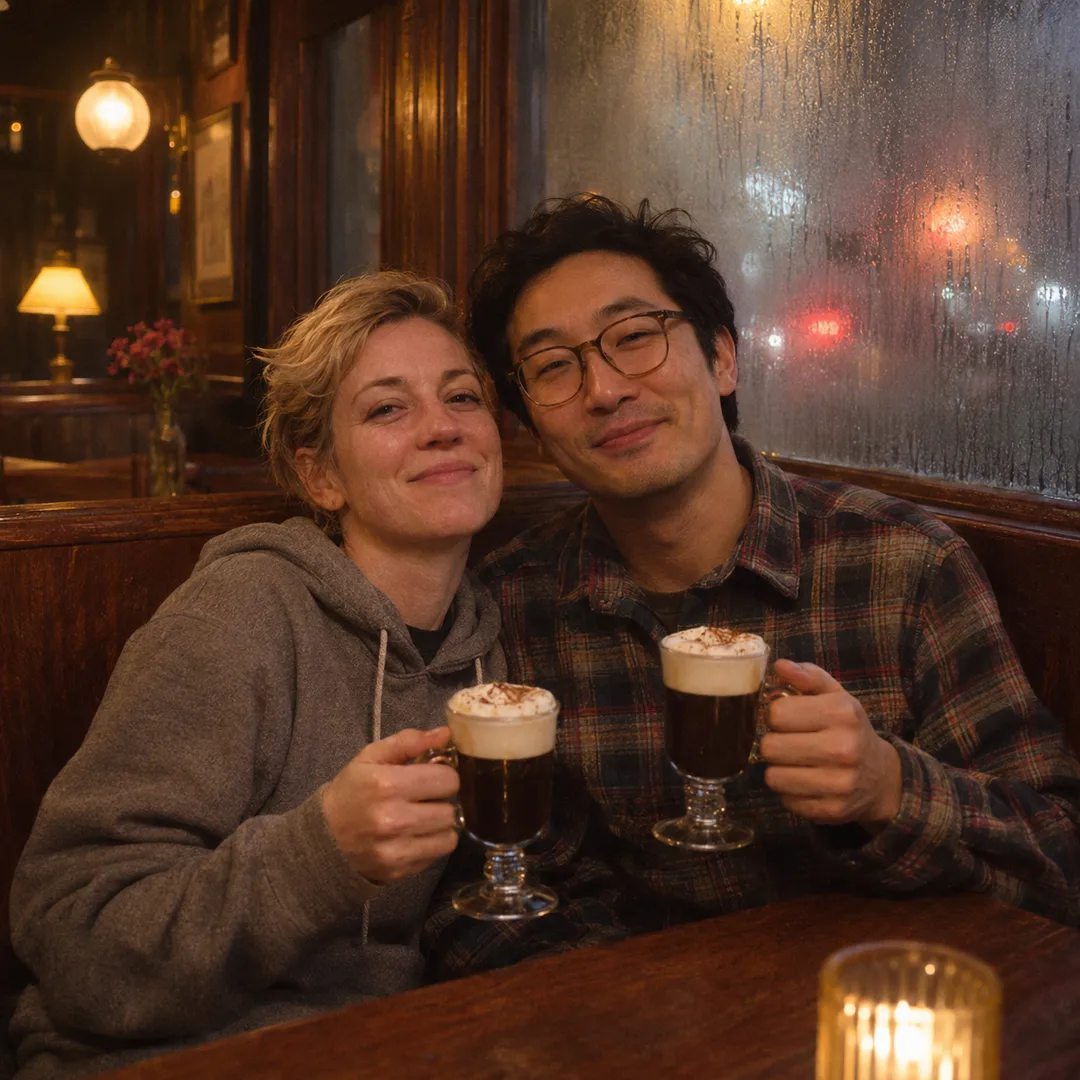
 Inner Sunset Irish Coffee Bar Night Picker for New Parents
Bars & Nights Out
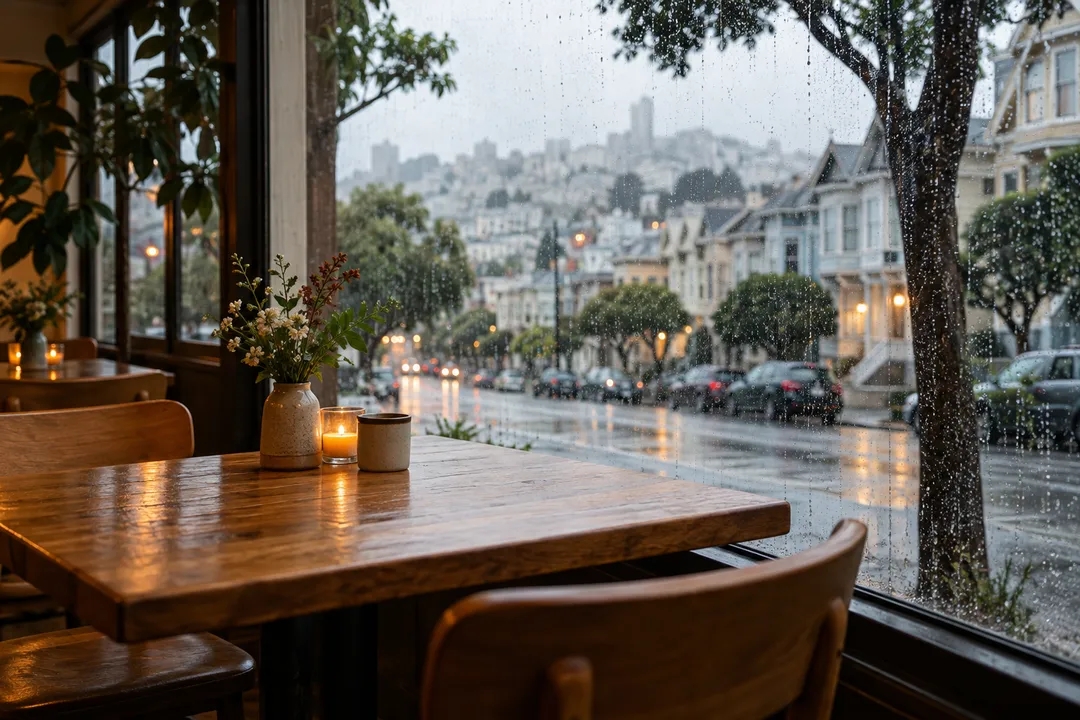
SF Date Night Plan Builder With One Useful Backup
A San Francisco date needs a backup that preserves its purpose. Choose the reason to switch, the part worth keeping and an alternative you can actually enjoy.
A backup date plan earns its place when it helps you make one simple decision. It becomes less useful when it turns into a long collection of alternatives nobody wants to compare while standing outside. This SF date night plan builder uses a few practical questions to create a fallback you would willingly choose. You will identify what the original outing is meant to do, what could make it inconvenient and which part you can replace. Bring those answers to Karpo APP when you ask for ideas for your San Francisco evening.
What are you trying to preserve if the plan changes?
Begin with the reason for going out. You might want uninterrupted conversation, a shared creative experience, an excuse to dress up or a meal that feels different from an ordinary weeknight. That purpose should survive the switch. If the original idea is a calm dinner and the fallback is a loud activity neither person particularly wants, you have preserved the fact of going out while losing the reason. Write the purpose as one short sentence before thinking about a replacement destination.
Separate the essential experience from its setting. A view may be the main reason for choosing an outdoor outing, or it may simply be a pleasant addition. A particular cuisine might be the whole point of dinner, or you might mainly want to sit and talk over something satisfying. This distinction shows what can move. You do not have to label every detail essential to demonstrate thoughtfulness. Choosing what to protect is what makes a fallback easier to use once a constraint appears.
Which inconvenience is worth planning around?
Choose the problem most likely to affect your decision, based on what you actually know. That could be an uncertain finish at work, discomfort spending time outdoors, a venue that requires a commitment you do not want to make, or a travel burden that seems excessive. You do not need to predict every possible disruption. One fallback aimed at the main uncertainty is usually easier to understand than several alternatives attached to hypothetical problems. Keep the planning proportional to the outing you are arranging.
Turn the concern into a decision you can recognize. If the issue is waiting, agree how long you personally want to wait before choosing another option. If the concern is the journey, decide how much travel you are willing to do that evening. If you are tired, agree that a shorter version can count as the date. These are thresholds you choose together. They are not estimates of actual queues, transport conditions or opening times, and they should not be presented as information about a specific place.

Does the alternative solve the same problem twice?
A nearby substitute can be convenient, but proximity alone does not make it a fallback. If both options require the same kind of advance commitment, the same long outdoor walk or the same uncertain entry process, they may fail for the same reason. Ask what changes between them. You might trade a timed activity for a meal-centered format, an exposed outdoor stretch for a seated indoor experience, or a distant destination for something near your meeting area. The alternative should address the inconvenience you actually named.
At the same time, avoid solving one issue by creating several new ones. A replacement that requires unfamiliar transport, a larger budget and a different dress expectation may be technically possible and still be a poor choice. Keep the parts you already agreed on whenever you can. If you both planned a relaxed evening in the Inner Sunset, it may be easier to ask for a different format within that area than to redesign the night around a completely different side of San Francisco.
When should you choose the shorter version?
Sometimes the best fallback removes a chapter instead of replacing it. If dinner is the main event, you can drop the optional activity and spend the time together. If the activity matters most, a simple bite can replace a full meal. Decide which parts can disappear before the evening begins. That gives you a way to respond to fatigue or a late start without treating the whole date as a failed attempt at a more ambitious plan.
A shorter version should have a satisfying endpoint of its own. Tell each other what would make it feel complete: finishing the meal without rushing, spending an hour together or enjoying the activity without a second destination afterward. Avoid promising that you will make up every removed element later the same night. That can turn a sensible adjustment into a different form of pressure. You are allowed to choose an evening that fits your actual energy and still take the date seriously.
How much detail should the backup contain?
Give it enough detail to be recognizable, then stop. You need the type of experience, the area and the constraint it addresses. You do not necessarily need a minute-by-minute schedule. If you plan to use a specific place, distinguish the information you have from assumptions about admission or capacity. A proposed alternative is not a held table or a guaranteed entry. Do not build the fallback around an arrangement you have not completed, especially when the original uncertainty concerns getting into somewhere at all.
Keep both people involved in choosing it. A fallback you privately prefer can start to feel like a way of steering the evening away from the other person's idea. Ask whether the alternative preserves what mattered to them and whether they would be comfortable switching. You can also agree that ending early is an acceptable option. That is particularly useful when the problem is low energy rather than a venue issue: another destination may not address what either of you needs.
What belongs in your Karpo APP request?
Describe the intended experience first, followed by the uncertainty and the boundaries you want to keep. You might ask for a San Francisco date built around a relaxed meal, with an indoor alternative if you decide against an outdoor continuation. Or you might want an activity-centered evening with a shorter option for a late start. Include your meeting neighborhood, day, spending ceiling and any essential access requirements. Ask for a fallback that responds to the stated problem instead of a second unrelated list of interesting places.
Read the response as a proposal you still get to judge. Ask why the alternative is useful, what it preserves and what commitment it requires. If the answer introduces another uncertainty, simplify the format. Karpo APP gives you a place to ask for local ideas and refine the request, while your partner's preferences determine which suggestion is worth pursuing. Keep the result concise enough that you can explain it during a normal conversation without reopening an elaborate planning document.
Before you go, agree on the trigger and the choice it leads to. You might keep the main activity, skip a distant finish or switch to a seated outing near where you are meeting. Once you reach the agreed threshold, make that choice together and let the date continue. A useful backup saves you from debating the whole evening again. It leaves you with something you still want to do, the practical limits you already accepted and more attention for the person beside you.
Ask Karpo for more information.
Keep reading
- Inner Sunset Irish Coffee Bar Night Picker for New Parents
 Mission Irish Coffee Bar Night Picker for a Sober Friend
 Richmond District Irish Coffee Bar Night Picker for Fiddlers