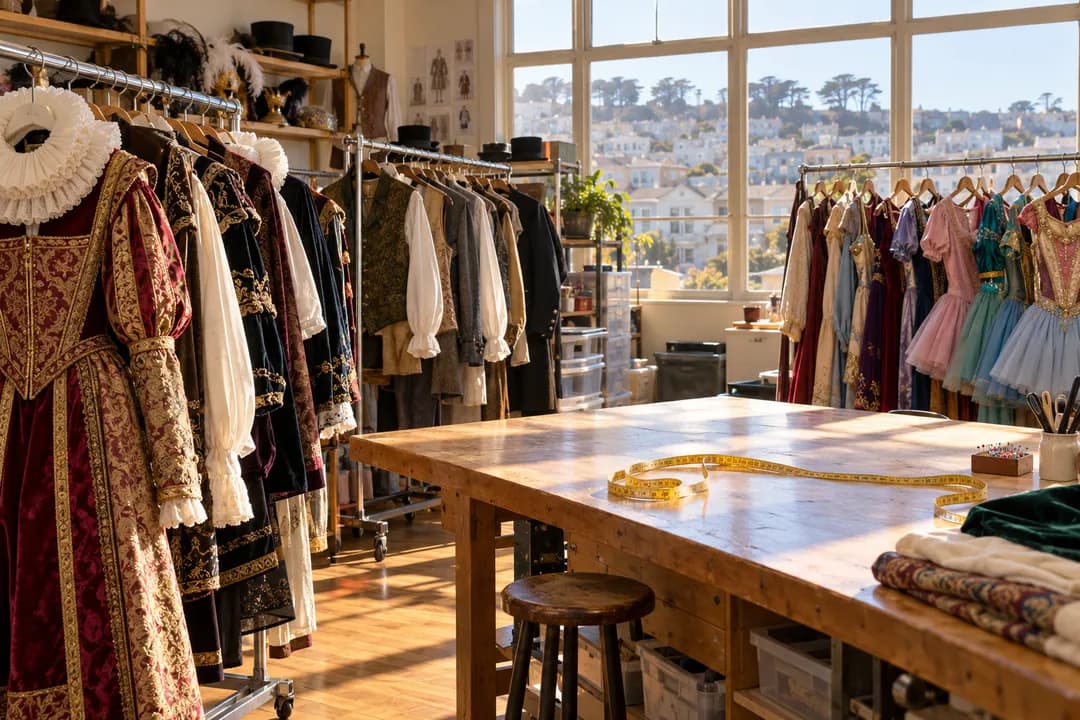
 Costume Rental Near Me in Sunset District: St. Ignatius Wardrobe Racks
Hidden Gems & Odd Finds
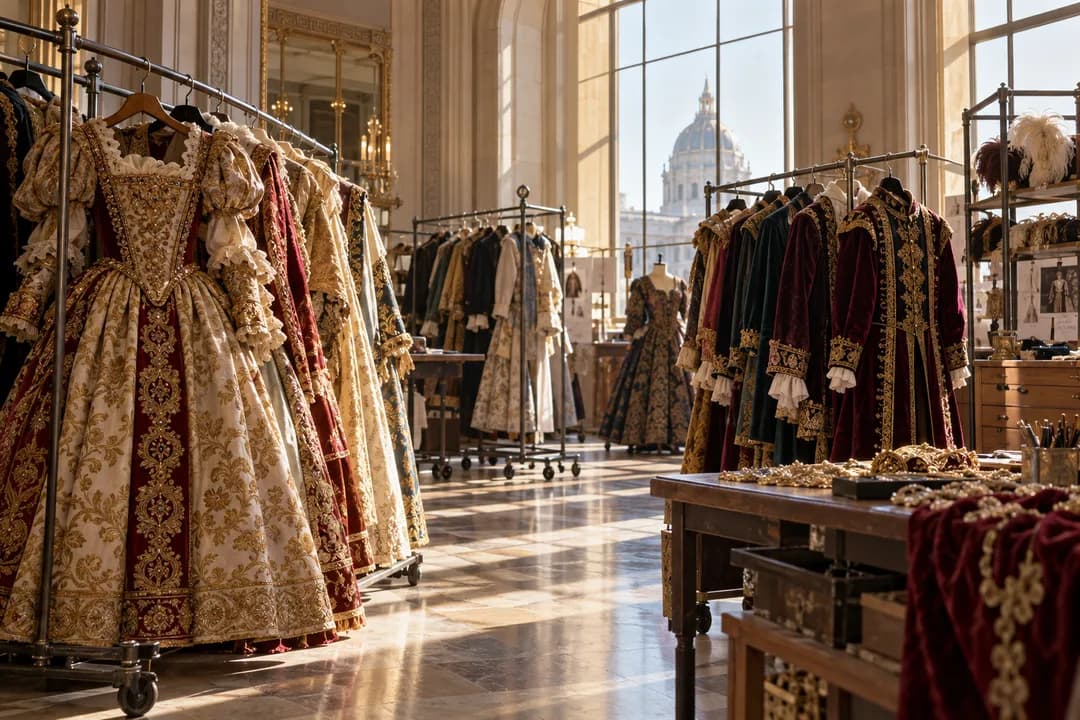
Costume Rental Near Me in Civic Center: San Francisco Opera Wardrobe
San Francisco Opera provides full operatic and theatrical costume packages from 301 Van Ness Avenue in Civic Center. Here is how complete production rentals, grand opera wardrobes, fitting protocols, and technical coordination work.
San Francisco Opera houses one of North America's most prestigious operatic costume collections at 301 Van Ness Avenue, San Francisco, CA 94102, anchoring the city's historic Civic Center performing arts district. Founded in 1923 by visionary conductor Gaetano Merola, the company has designed, constructed, and preserved hundreds of lavish productions staged across generations of world-class artists. For regional performing arts organizations, festival directors, and independent producers seeking costume rental near me across the Bay Area, the company's production rental department provides access to complete theatrical costume packages built to exacting international standards. Wardrobe teams handle inquiries by appointment through their dedicated administrative coordinators at (415) 864-3330 or via email at rentals@sfopera.com. Rather than lending individual street disguises, the opera specializes in renting comprehensive production wardrobes that equip full ensembles, principal casts, and chorus lines with museum-grade craftsmanship that commands attention on major stages.
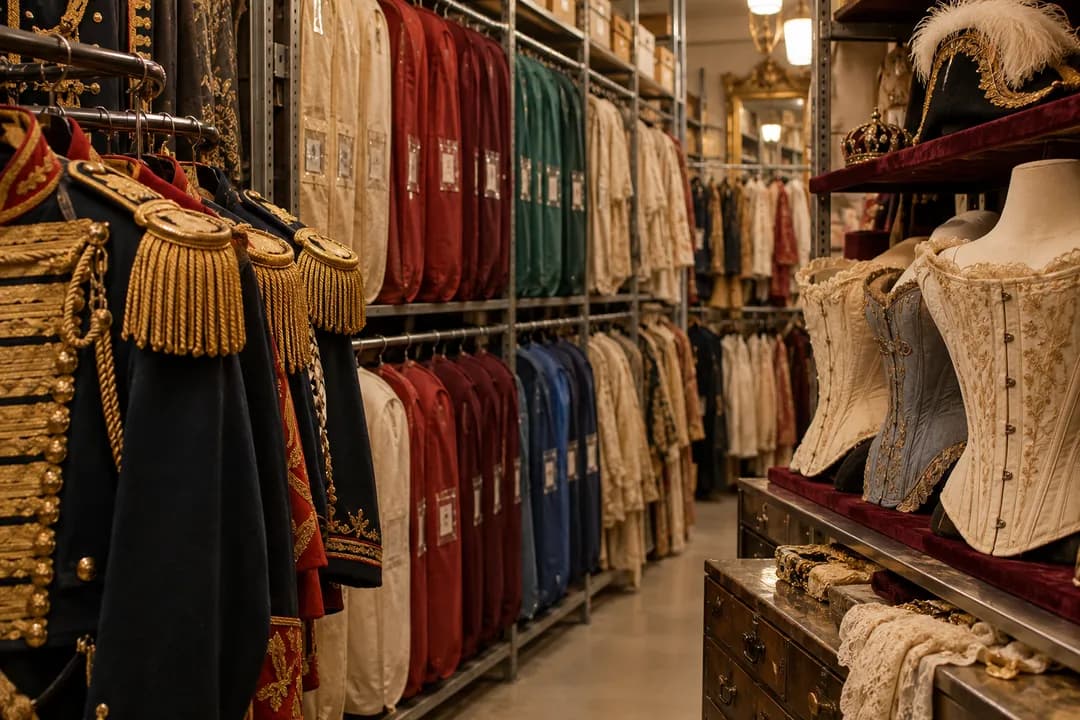
War Memorial Opera House History and Century-Old Wardrobe Legacy
The historic War Memorial Opera House opened its doors on Van Ness Avenue in 1932, serving as the permanent home for San Francisco Opera's master artisans, drapers, and milliners. Over more than a century of continuous production, the costume department has created signature looks for legendary performances, preserving garments crafted from imported European silks, hand-dyed wools, and intricately beaded laces. The company's production archives represent an unparalleled cultural repository where each garment tells the story of classical stage tradition combined with innovative California design. While everyday Halloween partygoers cannot rent isolated pieces for casual weekend outings, theatrical companies, civic ballets, and university opera programs can license entire stage packages. This collaborative approach allows regional arts organizations across the globe to mount visually stunning productions without absorbing the prohibitive capital costs of original garment construction from scratch.
Comprehensive Grand Opera Packages and Complete Ensemble Inventory
San Francisco Opera's production rental catalogue encompasses full wardrobe packages for dozens of canonical masterpieces in the operatic repertoire. Prominent collections include visually arresting historical attire for Bizet's Carmen, Verdi's Aida, Mozart's Don Giovanni, and Rossini's The Barber of Seville, alongside epic designs for Wagner's Ring cycle and modern masterworks like Dream of the Red Chamber. When a performing arts company rents a package, they receive an integrated wardrobe system designed by world-renowned costume designers such as John Macfarlane and Thierry Bosquet. The packages include tailored principal suits, corseted period gowns, specialized armor, period footwear, headpieces, and matching chorus uniforms. Every individual piece is tagged and logged into a master inventory manifest, ensuring that touring wardrobe supervisors can track hundreds of garments across transport containers, dress rehearsals, and closing nights.
Technical Specifications and Stage Measurement Coordination
Licensing an opera wardrobe package begins with rigorous technical analysis to ensure that rented garments fit the incoming cast and stage dimensions. The opera's production rental coordinator provides prospective licensees with detailed technical packets outlining required stage clearance, quick-change room square footage, and transportation container quantities. Because operatic garments often feature heavy structural foundations such as steel boning, crinoline hoops, and multi-layered velvet cloaks, incoming companies must submit actor measurement sheets well in advance. Costume technicians review chest, waist, inseam, and neck dimensions against existing stock to determine sizing feasibility. The rental office works closely with guest wardrobe supervisors to schedule advance review dates, confirming that the collection meets all artistic requirements prior to container loading and transit dispatch.
Preservation Guidelines and Prohibited Alterations on Historic Brocades
Due to the irreplaceable nature of hand-loomed fabrics and bespoke tailoring, San Francisco Opera enforces strict garment preservation rules on all rented wardrobes. Permanent alterations, including cutting fabric seams, applying adhesive hem tapes, iron-on bonding, or adding non-breathable synthetic dyes, are strictly prohibited throughout the licensing period. Renting companies may execute temporary adjustments using loose hand-basting stitches, thread-tacking, or safety pinning along interior seams, provided that all modifications are completely removed before the return shipment. Furthermore, costumes must never be exposed to open flames, staining stage makeup, artificial blood mixtures, or harsh laundering chemicals without prior written consent. The opera's textile conservators inspect each returning crate under specialty lighting, verifying that decorative gold trims, filigree buttons, and delicate collars arrive in their original condition.
Rental Inquiries, Designer Royalties and Advance Booking Windows
Organizations planning to rent a production package must contact the San Francisco Opera rental department at rentals@sfopera.com or call (415) 864-3330 to initiate formal availability checks. Production packages are booked on a customized contractual schedule that accounts for rehearsal periods, technical load-ins, performance runs, and return transit buffers. Because production designs involve intellectual property rights, rental agreements generally incorporate licensing fees and required designer royalties that ensure original artists receive appropriate stage credit and compensation. Companies are encouraged to begin discussions six to twelve months prior to opening night, allowing ample lead time for contract drafting, logistics coordination, and international customs clearance when shipping outside the United States. Written rental agreements stipulate clear insurance requirements and deposit schedules that protect the physical assets throughout their loan period.
Civic Center Transit Connections and Surrounding Cultural Landmarks
The War Memorial Opera House at 301 Van Ness Avenue occupies a central location within San Francisco's historic Civic Center, directly across from the gilded dome of City Hall. Visitors and visiting wardrobe managers arriving via public transit can disembark at the Civic Center BART and Muni Metro station on Market Street, walking just three blocks west along Grove Street to reach the main stage doors. Multiple Muni bus routes, including the 49 Van Ness bus and 5 Fulton line, stop within a single block of the building. Surrounding the opera house are prestigious cultural institutions such as Louise M. Davies Symphony Hall and the War Memorial Veterans Building housing the Wilsey Center for Opera. Neighborhood dining options along Grove Street and Franklin Street offer convenient settings for artistic production meetings before heading into technical wardrobe inspections.
Practical Production Notes and Wardrobe Logistics Workflow
Executing a large-scale costume rental from San Francisco Opera requires methodical organization from the initial contract signing to final crate departure. Rented production packages travel in custom-built, heavy-duty rolling wardrobe cases and reinforced shipping crates designed to shield delicate textiles from humidity and physical transit stress. Each wardrobe trunk includes labeled garment bags, accessory pouches, and comprehensive dressing guides that assist local dressers during fast-paced stage transitions. Upon completion of the performance run, the renting institution must inventory every single piece against the original manifest, pack garments according to specific hanging guidelines, and arrange professional freight transport back to the Van Ness Avenue facility. Following arrival, opera staff conduct comprehensive inventory reconciliations before releasing deposits and closing the operational contract.
Ask Karpo for more information.
Keep reading
- Costume Rental Near Me in Sunset District: St. Ignatius Wardrobe Racks
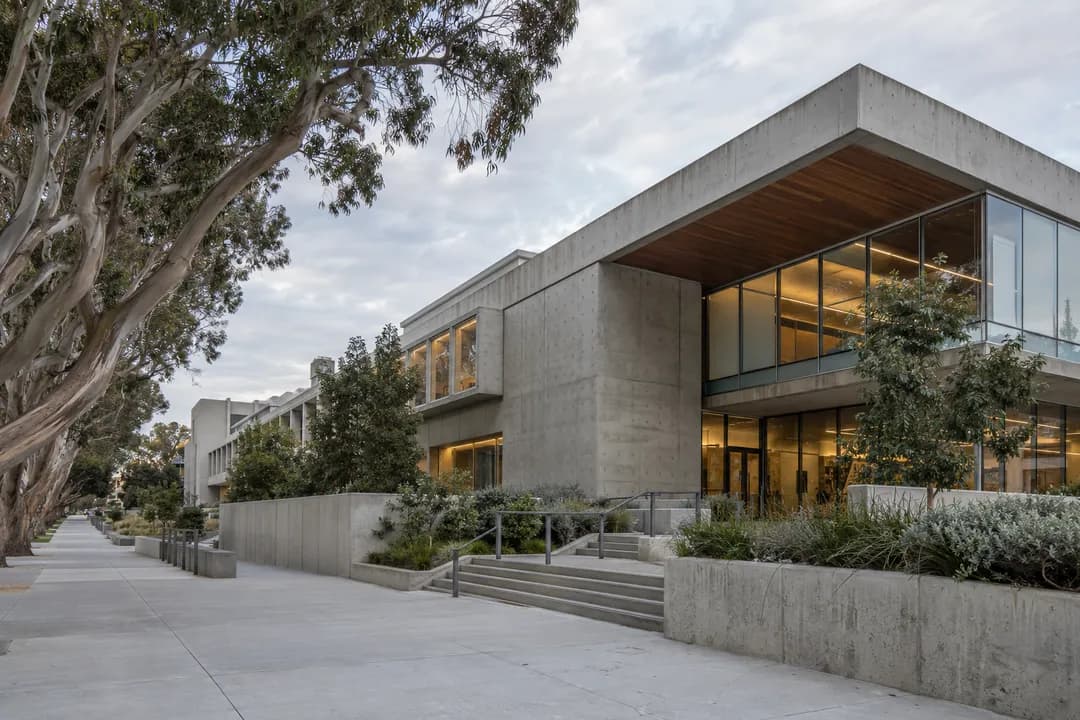 Costume Rental Near Me at SFSU: School of Theatre Collection
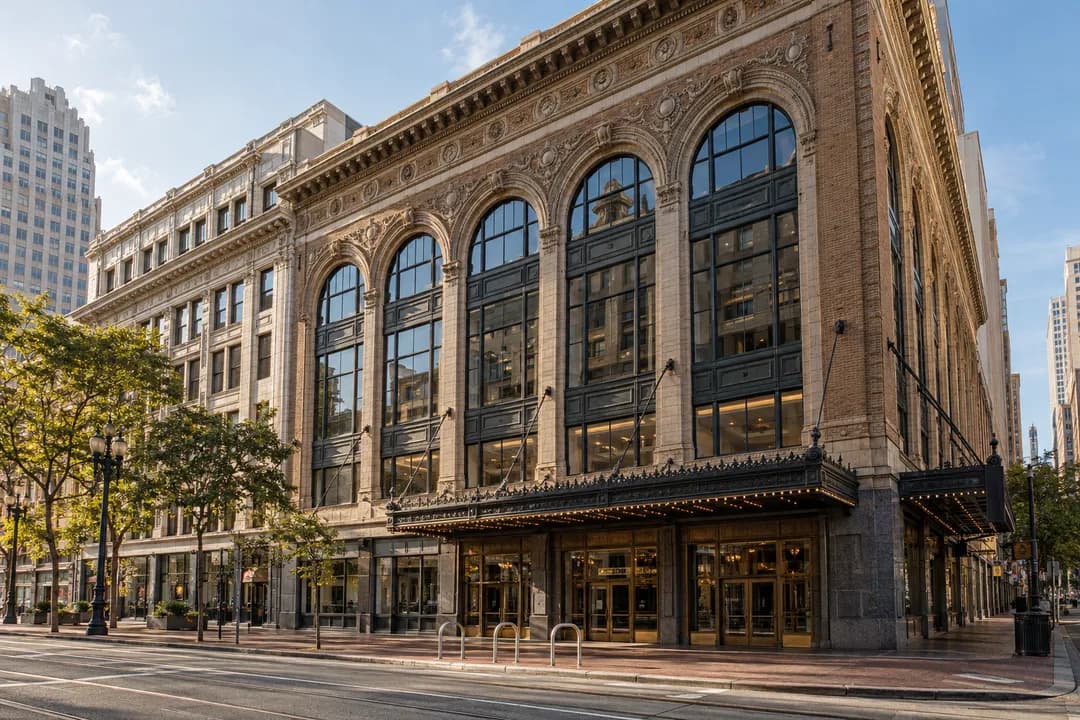 Costume Rental Near Me in Mid-Market: A.C.T. Theatrical Costume Collection