 Twin Peaks Hilltop Staircase Walk Planner for City Lights
Free Things to Do
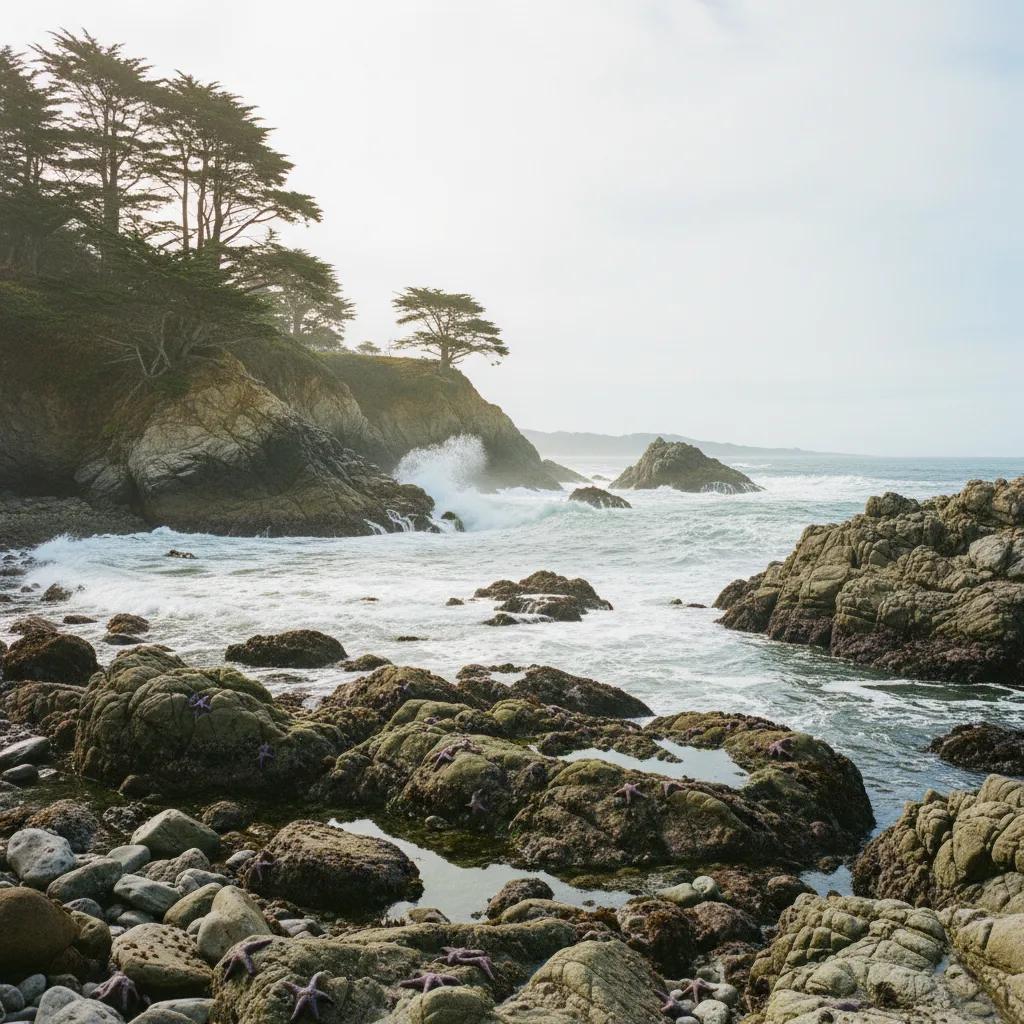
Lands End Coastal Tidepool Viewpoint: Low Tide Trail Guide
Scout coastal tidepool viewpoints around Lands End rocky bluffs in San Francisco. Track low tide hours on Mile Rock Beach for marine sea life.
Rocky coastal bluffs overlooking the Golden Gate strait and the open Pacific Ocean define the untamed western rim of San Francisco at Lands End. When you embark along the historic Coastal Trail toward Mile Rock Beach, you find an extraordinary vantage point where dramatic marine geography meets vibrant intertidal life. A coastal tidepool viewpoint in this coastal corner allows curious walkers to witness ochre sea stars, giant green sea anemones, purple shore crabs, and resilient acorn barnacles thriving in natural saltwater basins carved into ancient Franciscan complex sandstone. Planning your visit around coastal low tides opens a window into an otherwise submerged Pacific wilderness just minutes away from urban neighborhoods. Using Karpo APP allows you to bookmark Lands End trail junctions, review coastal access points, and plan your Mile Rock Beach low-tide excursion without confusion.
Navigating the Coastal Trail from Lands End Lookout to Mile Rock Beach
Begin your journey at the Lands End Lookout Visitor Center located along Point Lobos Avenue. Muni route 38R Geary Rapid connects transit riders across the city directly to 48th Avenue and Point Lobos Avenue for a standard adult fare of $2.85 via Clipper card or $3.00 cash. Step onto the well-graded dirt Coastal Trail heading northeast beneath windswept Monterey cypress and eucalyptus groves. The path follows the historic 1880s railbed of the Ferries and Cliff House Railway, offering panoramic views of the Marin Headlands, Point Bonita Lighthouse, and passing ocean freighters heading toward the Golden Gate Bridge.
Continue roughly one mile along the bluff path until you reach the marked junction for the Mile Rock Beach trail. A long wooden stairway descends steeply through coastal scrub toward the cove below. As you descend the hillside steps, the ambient roar of Pacific surf grows louder against the sheer rock cliffs. The descent demands sturdy footwear with reliable traction because marine mist and loose gravel can make wooden steps slick. Take your time navigating the staircase, observing how the coastal canopy yields to exposed ocean boulders and steep sandstone shelves.
Tidal Timing and Reading Pacific Low Tide Tables
Experiencing the tidepools at Mile Rock Beach requires careful tidal coordination before setting foot on the trail. San Francisco ocean tides fluctuate twice daily in a mixed semidiurnal pattern, creating varying water levels across the rocky shore. The most rewarding tidepooling conditions occur during negative low tides, when the water level recedes to minus 0.5 feet Mean Lower Low Water or lower. Consult the National Oceanic and Atmospheric Administration tide charts for the Golden Gate station to determine exact timing before your trip.
Arrive at the rocky shore approximately forty-five minutes before the projected low tide peak. This arrival buffer grants you adequate time to scout the exposed reef while the ocean continues to recede, maximizing your observation window. Never attempt to explore the lowest intertidal ledges on an incoming tide, as rapidly rising swells can sever your return path to the upper beach. In winter months, daylight minus tides frequently occur during late morning and early afternoon, providing excellent natural illumination across the pools.
Intertidal Marine Life: Anemones, Sea Stars, and Kelp Forests
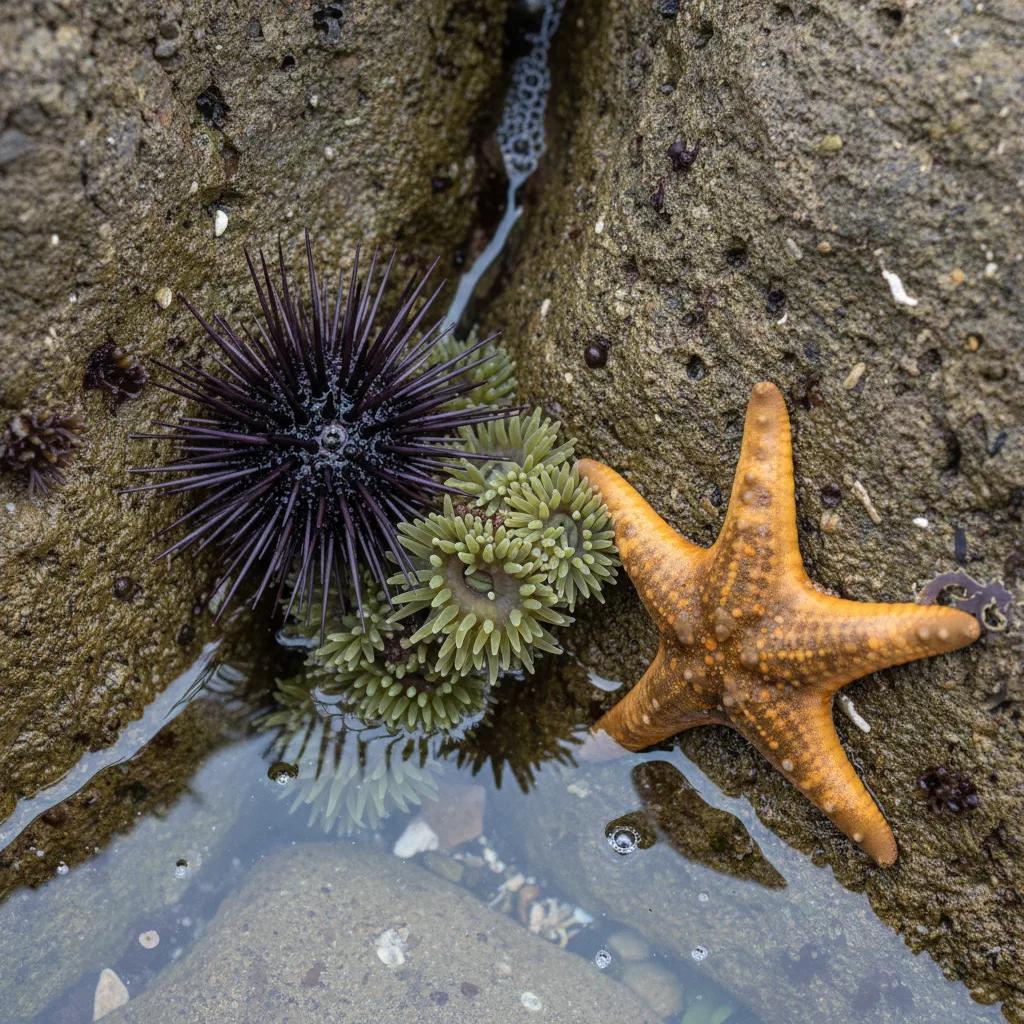
Mile Rock Beach features deep rock crevices and sandstone shelves that shelter thriving intertidal communities adapted to brutal wave energy. Giant green anemones cluster in deeper pools, displaying vibrant emerald tentacles that filter nutrients from the rushing sea spray. Purple sea urchins bore small protective hollows into hard bedrock, while colonies of California mussels anchor themselves to exposed surfaces using fibrous byssal threads. Look closely into shallow depressions to spot nimble hermit crabs navigating patches of pink coralline algae.
Ochre sea stars in hues of vivid orange, deep ochre, and mottled purple cling securely to vertical rock faces sheltered from direct surf. Flocks of black oystercatchers and wandering tattlers probe the exposed reef beds for marine invertebrates during low water. Thick ribbons of bull kelp and feather boa kelp drape across outer boulders, creating a slippery canopy that keeps marine organisms cool and damp until the tide returns. Take time to sit quietly beside a calm pool to observe micro-movements among sculpins and tube worms.
Essential Ocean Safety and Rock Footing Protocols
Exploring coastal tidepools demands constant situational awareness and strict respect for Pacific wave dynamics. The cardinal rule of northern California tidepooling is simple: never turn your back on the ocean. Sneaker waves—unusually large, powerful swells that surge unexpectedly after periods of calm water—can suddenly sweep over exposed ledges. Always designate one member of your party to keep watch on approaching ocean sets while others examine the rock basins.
Walk exclusively on bare, dry rock surfaces whenever possible, avoiding slick patches coated in green sea lettuce, wet kelp, or dark algal slime. Step directly on secure bedrock rather than shifting boulders or loose cobblestones that could roll unexpectedly beneath your weight. Wear durable boots or hiking shoes with grippy rubber soles, and consider bringing trekking poles for extra stability across uneven terrain. If wave action begins sweeping water across your footing shelf, immediately retreat to higher ground on the upper beach.
Intertidal Etiquette and Wildlife Stewardship
Lands End and Mile Rock Beach lie entirely within the protected boundaries of the Golden Gate National Recreation Area. Federal regulations strictly prohibit the collection, harvesting, or removal of any marine life, shells, pebbles, or natural artifacts from the shoreline. Practice passive observation by keeping hands out of delicate anemone crowns and refraining from prying clinging sea stars or limpets off rock surfaces, which can tear their vital tube feet.
Step with extreme care to avoid crushing live barnacles, mussel beds, and tube worm clusters underfoot. When inspecting organisms under loose, palm-sized stones, always gently return each rock to its exact original position to prevent sun exposure from desiccating the creatures underneath. Pack out all trash, food wrappers, and personal belongings, leaving the pristine coastal ecosystem completely undisturbed for native wildlife and future visitors.
Scenic Vista Extensions and Neighborhood Connections
After completing your low-tide exploration, ascend the Mile Rock stairway back to the Coastal Trail bluff path. Turn west to admire the Lands End Labyrinth viewpoint on the headland spur, which frames dramatic photographs of the Golden Gate Bridge against the ocean horizon. From this panoramic perch, you can frequently spot harbor seals resting on offshore sea stacks and pelicans gliding in precision V-formations above the Pacific swell.
Follow the trail west toward Point Lobos to explore the historic Sutro Baths ruins and the scenic vista terrace overlooking Seal Rocks. The Lands End Lookout Visitor Center provides informative exhibits detailing the region's Ohlone heritage, shipwrecks, and native coastal flora. Cap your excursion with a relaxed walk along Point Lobos Avenue or catch Muni 38R Geary Rapid for a seamless ride back through the Richmond District, enjoying local bakeries and cafes along Geary Boulevard.
Ask Karpo for more information.
Keep reading
- Twin Peaks Hilltop Staircase Walk Planner for City Lights
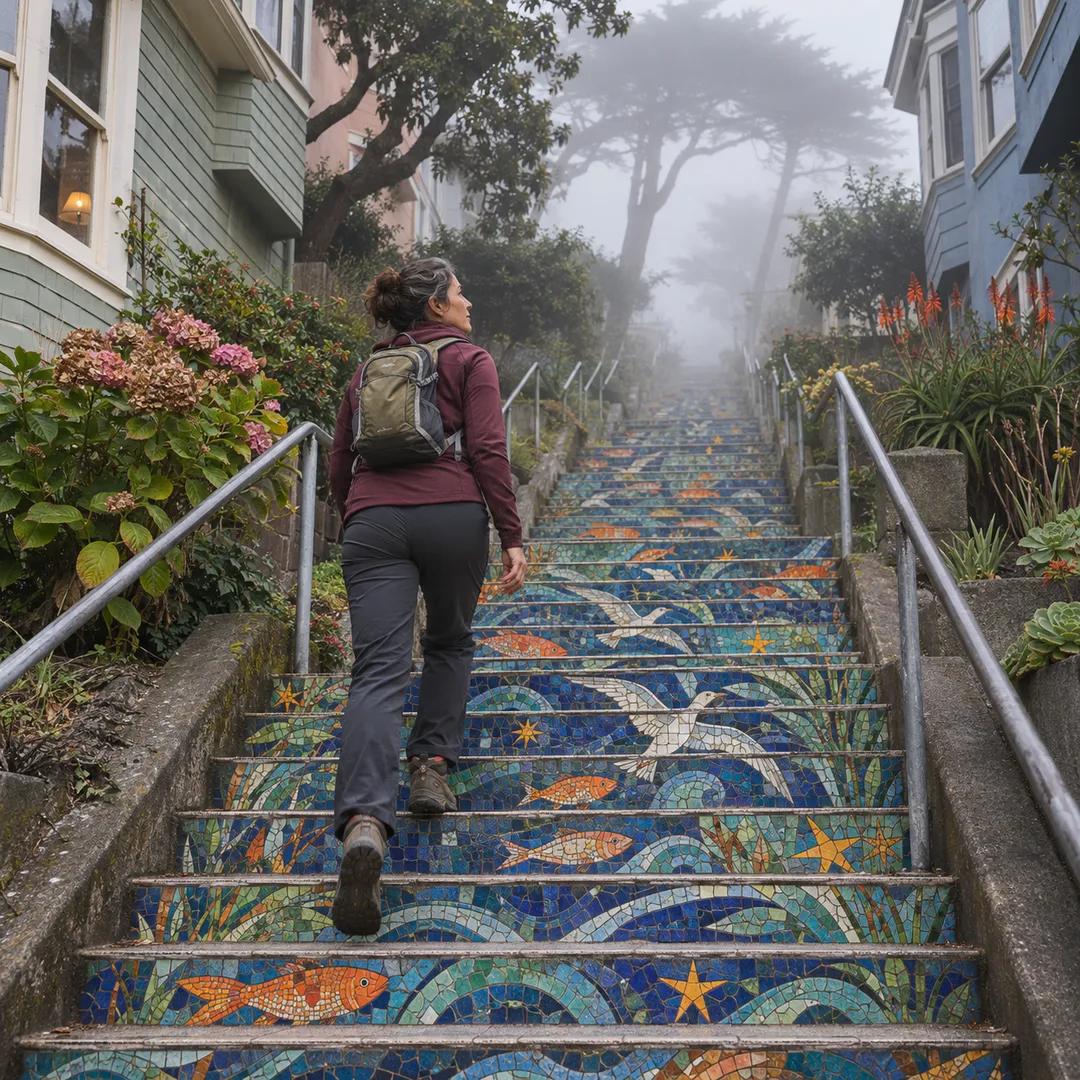 Inner Sunset Hilltop Staircase Walk Planner for Trekkers
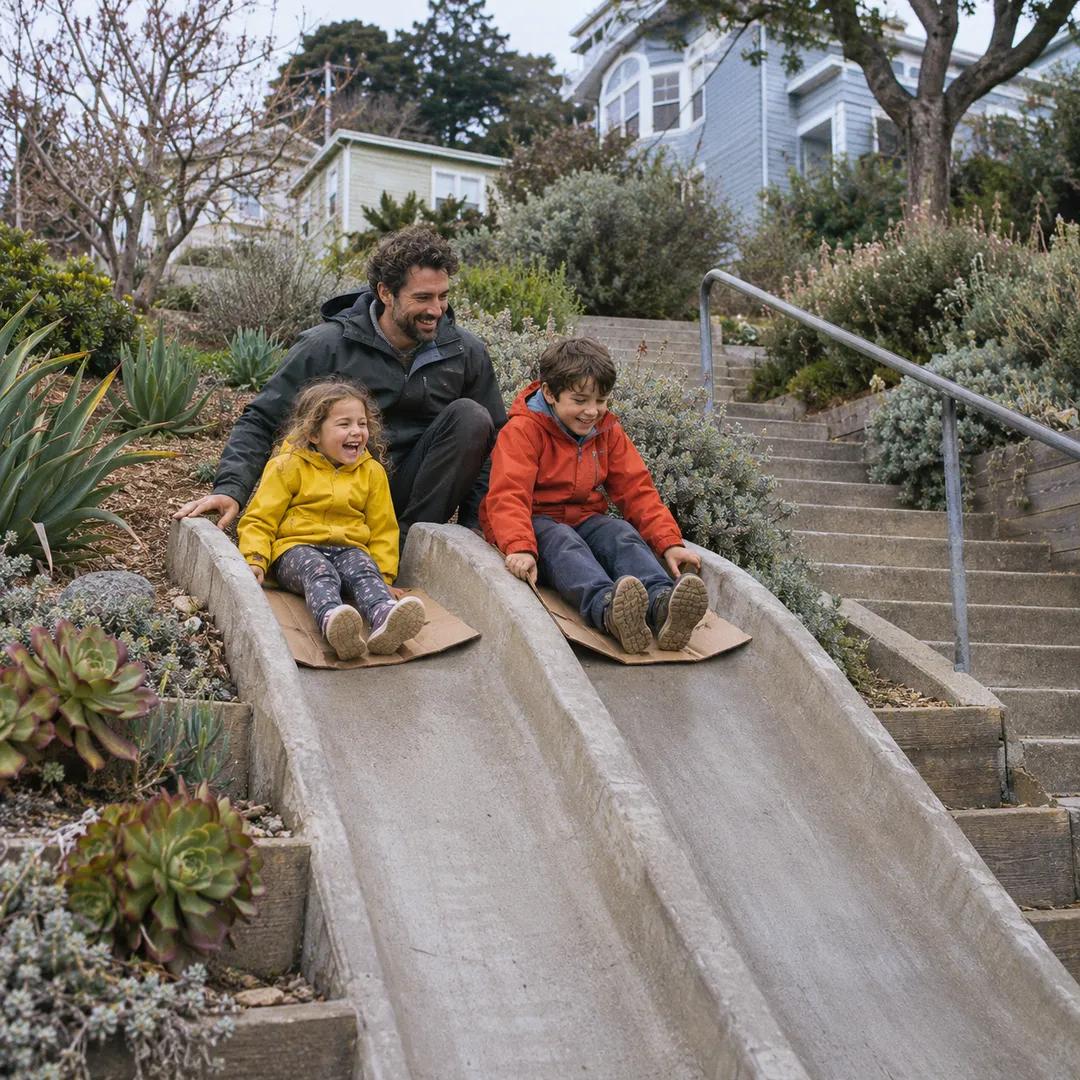 Bernal Heights Hilltop Staircase Walk Planner With Kids