 Twin Peaks Hilltop Staircase Walk Planner for City Lights
Free Things to Do
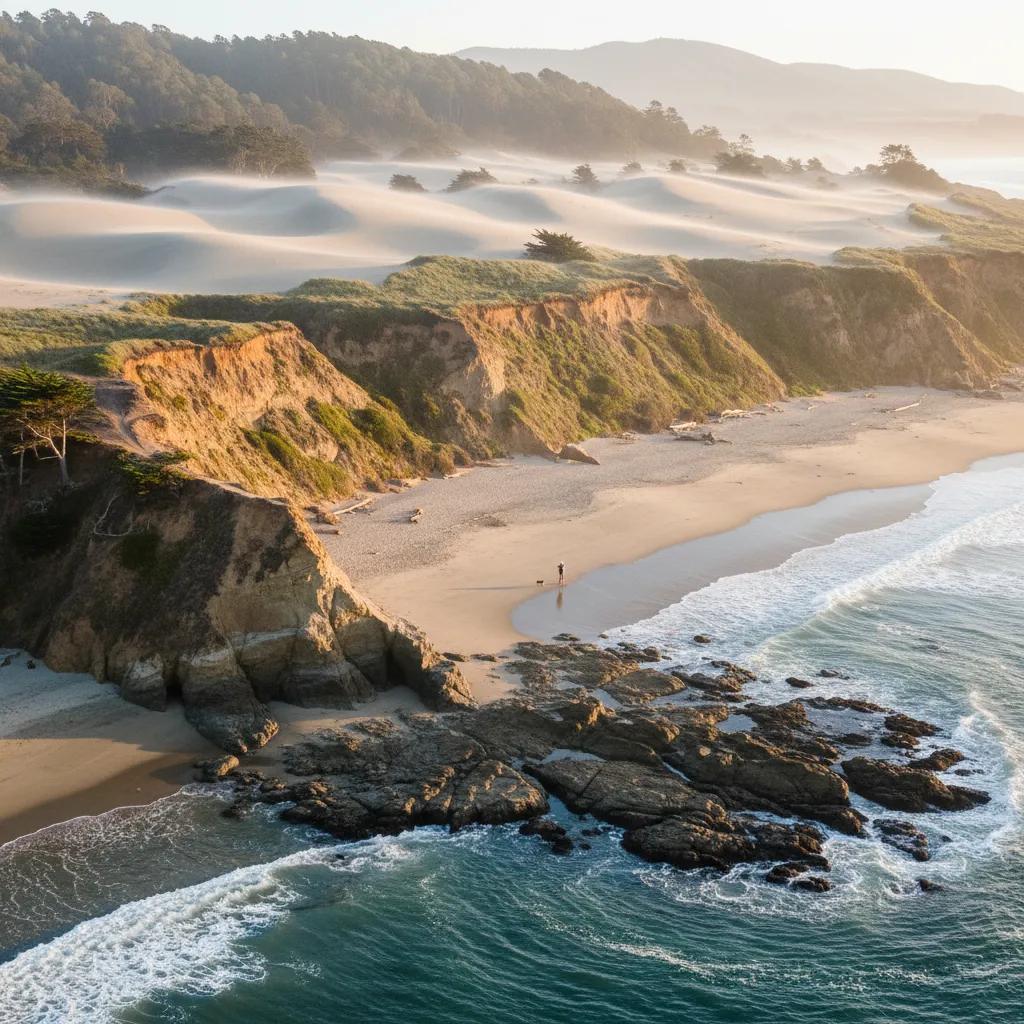
Fort Funston Coastal Tidepool Viewpoint: Pacific Trail Guide
Visit coastal tidepool viewpoints along Fort Funston coastal cliffs in San Francisco. Walk shoreline sandstone shelves during afternoon winter low tides.
Towering coastal bluffs composed of layered Merced formation sandstone form the dramatic southern Pacific frontage of San Francisco at Fort Funston. While renowned for sweeping cliffside panoramas and windswept dunes, the base of these cliffs harbors an extraordinary coastal tidepool viewpoint where exposed sandstone shelves and boulder reefs meet the full force of the open ocean. Exploring these intertidal zones during low tide unveils resilient marine life, shorebird feeding grounds, and ancient fossil-bearing strata carved by centuries of wave erosion. Planning your descent to coincide with minus tides provides an unparalleled opportunity to observe intertidal ecosystems along an undeveloped ocean beachfront. Organizing your ocean itinerary through Karpo APP lets you record cliff access coordinates, plan coastal walking segments, and time your beach arrival with falling tide cycles.
Navigating Fort Funston Sand Dunes and Coastal Cliff Access
Begin your excursion at the main Fort Funston parking overlook situated along Skyline Boulevard in southwestern San Francisco. Public transit travelers can utilize SFMTA Muni bus route 18 46th Avenue, which stops near Skyline Boulevard and John Muir Drive, connecting riders from the Sunset and Richmond districts for standard adult fares ($2.85 via Clipper, $3.00 cash). From the trailhead near the hang glider viewing platform, expansive panoramic vistas stretch north toward Ocean Beach and south toward the San Mateo coastline. The coastal bluffs here rise roughly two hundred feet above the crashing surf, providing an exceptional vantage point for observing marine fog layers.
Follow the designated Sand Ladder trail or the paved Sunset Trail southward toward the coastal cliff descent. The Sand Ladder features timber-supported steps that navigate a steep dune valley down toward the beach level. Walking down through deep, shifting sand requires careful foot placement and moderate physical exertion. As you descend, the coastal cliff faces display distinct sedimentary banding from the ancient Merced formation, offering a geological journey back through hundreds of thousands of years of Pacific coastal history. Keep a steady pace to maintain balance as loose sand shifts under your footwear.
Deciphering Pacific Swell Dynamics and Low Tide Windows
Tidepooling along the exposed Pacific oceanfront at Fort Funston requires careful tidal assessment, as this open coastline receives direct ocean swells without headland protection. The prime window for exploring the rocky platforms occurs during winter low tides that drop below minus 0.5 feet MLLW. Always check the official NOAA tide predictions for San Francisco (Ocean Beach / Golden Gate) to coordinate your hike with falling ocean levels. Tides along this straight, open beach transition swiftly from ebb to flood, meaning your exploration window must be timed with precision.
Plan to reach the shoreline approximately forty-five minutes before the projected lowest tide point. This schedule ensures you can walk the exposed sandstone shelves while water levels remain suppressed and waves break further offshore. Never venture onto the outer reefs when the tide begins flooding back toward the cliffs, because strong currents and rising breakers can quickly trap walkers against the steep bluff bases. Afternoon low tides during clear winter days provide crisp lighting and calmer coastal winds, making late morning or early afternoon ideal for observation.
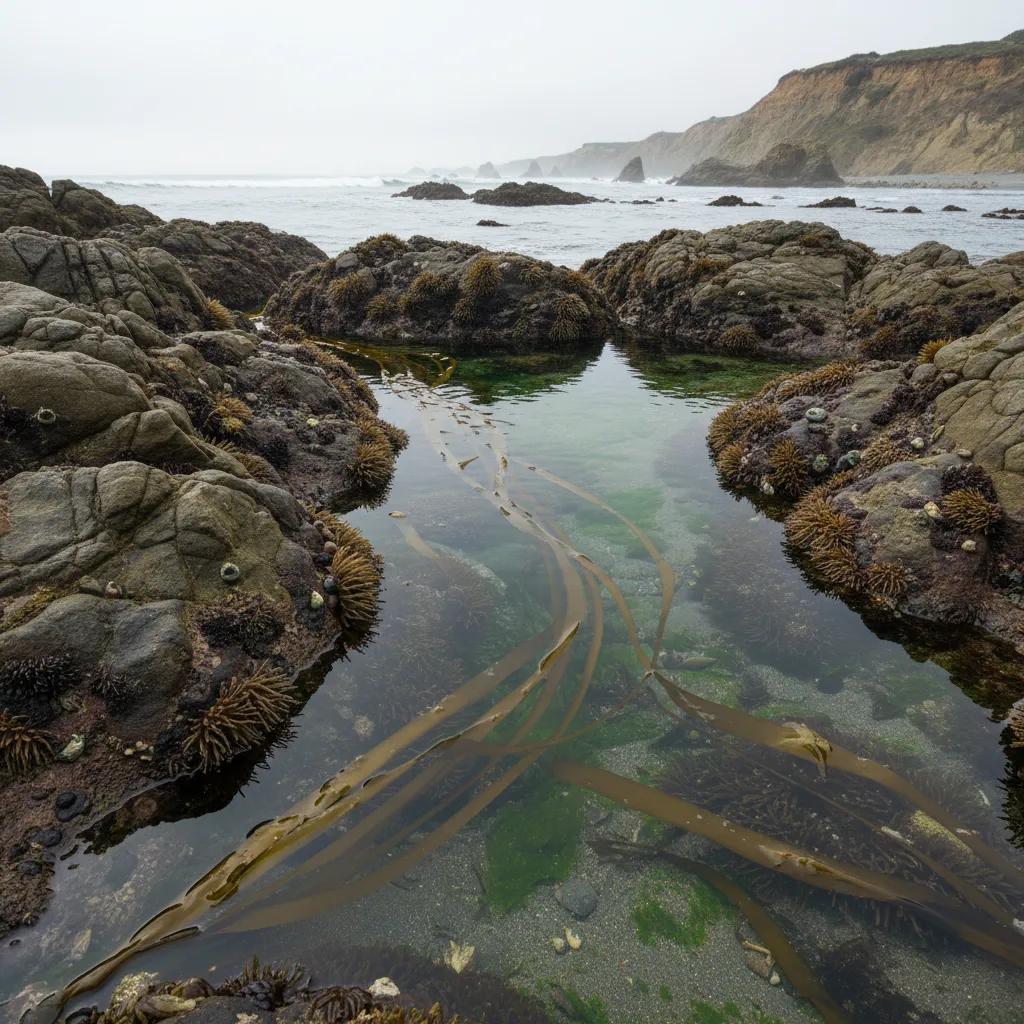
Sandstone Intertidal Habitats: Barnacles, Kelp, and Shorebirds
The intertidal zone at the southern base of Fort Funston features wide, flat sandstone reefs punctuated by shallow tide basins and surge channels. Dense clusters of acorn barnacles and goose neck barnacles coat the upper rock faces, using delicate feathery cirri to strain plankton from the foaming surf. Colonies of aggregating anemones thrive in shallow stone depressions, camouflaged by bits of broken shell and coarse sand adhered to their column walls. These hardy cnidarians close their tentacles into compact mounds when exposed to air, conserving vital moisture.
Underneath protective ledges, striped shore crabs scurry across wet rock to escape detection, while hermit crabs congregate in calm saltwater pools bordered by sea lettuce. Flocks of sanderlings, willet, and black turnstones pace along the edge of the receding water, probing exposed sand and rock crevices for tiny marine crustaceans. Dense strands of sea palms—tough, rubbery kelp stalks that resemble miniature palm trees—bend flexibly with the crash of incoming breakers on outer rock outcroppings. Offshore, brown pelicans plunge dive into schooling fish just beyond the outer breaker line.
Managing High Bluffs, Shifting Sands, and Ocean Currents
Visiting the ocean boundary of Fort Funston requires heightened vigilance regarding both cliff stability and Pacific surf power. The steep sandstone bluffs are prone to natural erosion and localized rockslides, especially following heavy winter rainfall or periods of strong wind. Always maintain a safe buffer distance from the vertical base of the cliffs and avoid walking beneath overhanging rock ledges. Watch for small trickles of loose gravel that may signal minor surface slumping on the bluff faces.
Pacific rip currents along this stretch of San Francisco coastline are powerful and persistent. Under no circumstances should visitors enter the ocean surf, as rip currents here are exceptionally dangerous. Wear sturdy footwear with rugged, non-slip tread that provides solid support both on loose sand slopes and slippery wet sandstone reefs. Always face the ocean while examining tidepools, maintaining a continuous watch for unpredictable swell surges that can wash across flat rock benches. Designate one group member to watch approaching ocean sets.
Coastal Dune Ecology and Shoreline Stewardship Guidelines
Fort Funston encompasses some of the finest surviving coastal dune scrub habitats in northern California, providing vital sanctuary for native plants and wildlife. As part of the Golden Gate National Recreation Area, all shoreline features and intertidal species are strictly protected by federal law. Never collect marine creatures, fossil shells, stones, or native vegetation from the beach or cliffs. Each component of this coastal ecosystem contributes to dune stabilization and marine habitat integrity.
Stay on established access trails through the dunes to prevent trampling fragile native plants such as coastal buckwheat, sea fig, and beach strawberry, which anchor the sandy bluffs against wind erosion. Practice gentle, hands-off observation when studying tidepool creatures, avoiding touching delicate sea anemones or displacing attached organisms. Ensure all personal belongings and pet supplies are packed out completely, keeping the beach clean for shorebirds, native wildlife, and fellow visitors who cherish wild ocean spaces.
Looping Inland Through Lake Merced and Ocean Beach Corridors
After completing your tidepool investigation at the waterline, hike back up the Sand Ladder trail to the upper bluff path. Catch your breath at the hang glider viewing platform, where colorful gliders launch into the coastal updrafts when afternoon westerly winds pick up. The cliffside benches provide comfortable spots to scan the Pacific horizon for passing gray whales during their seasonal migration along the California coast. Interpretive kiosks detail the historical military uses of Fort Funston from the coastal artillery era.
Extend your outdoor itinerary by crossing Skyline Boulevard to stroll the paved multi-use pathway around nearby Lake Merced. This freshwater reservoir offers tranquil birdwatching for pelicans, grebes, and herons in contrast to the rugged ocean coast. Alternatively, take Muni bus 18 northward along the Great Highway corridor to access the dining and retail hubs of the Sunset District, where you can conclude your day with warm noodle bowls or artisan coffee along Taraval and Noriega streets, resting your legs after an invigorating coastal hike.
Ask Karpo for more information.
Keep reading
- Twin Peaks Hilltop Staircase Walk Planner for City Lights
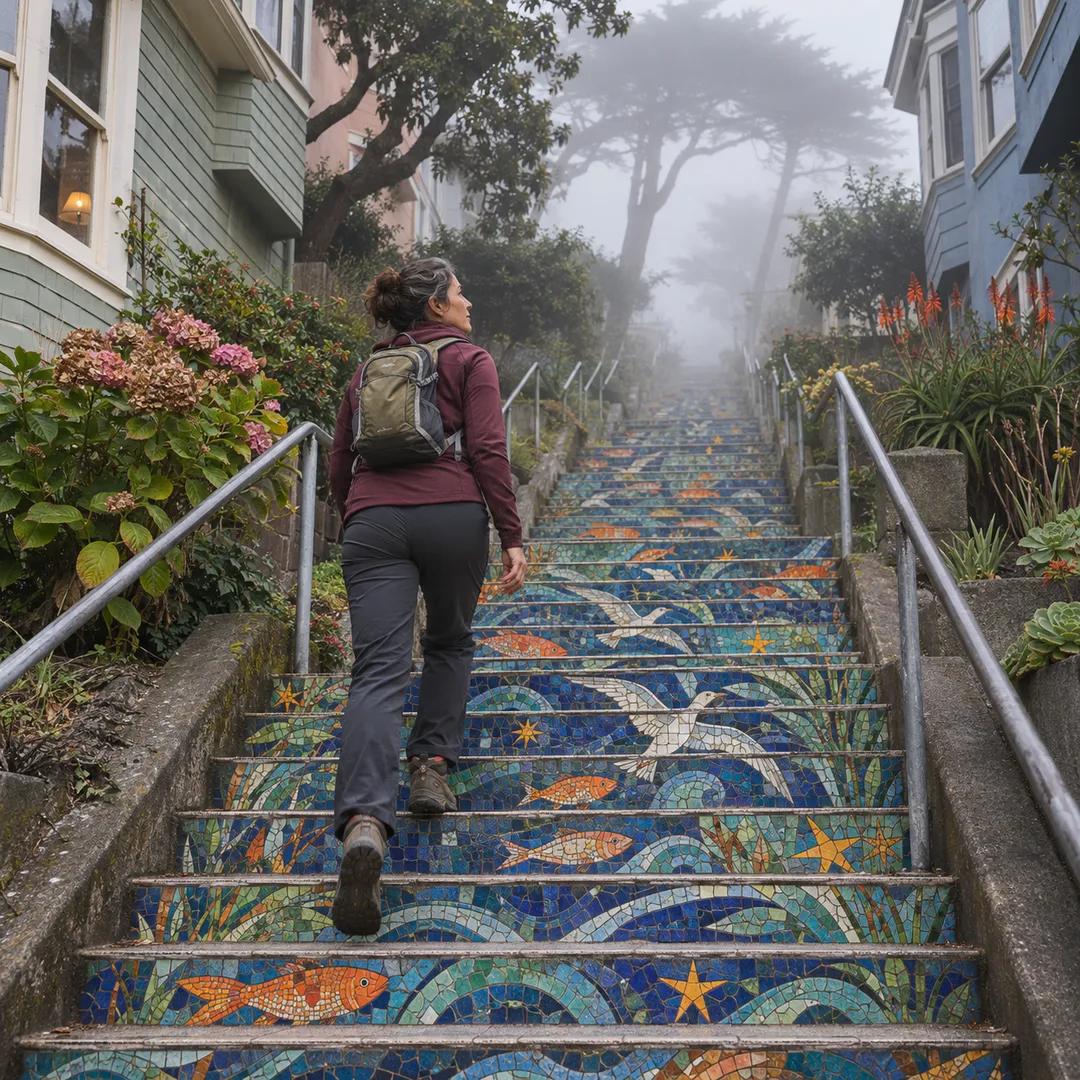 Inner Sunset Hilltop Staircase Walk Planner for Trekkers
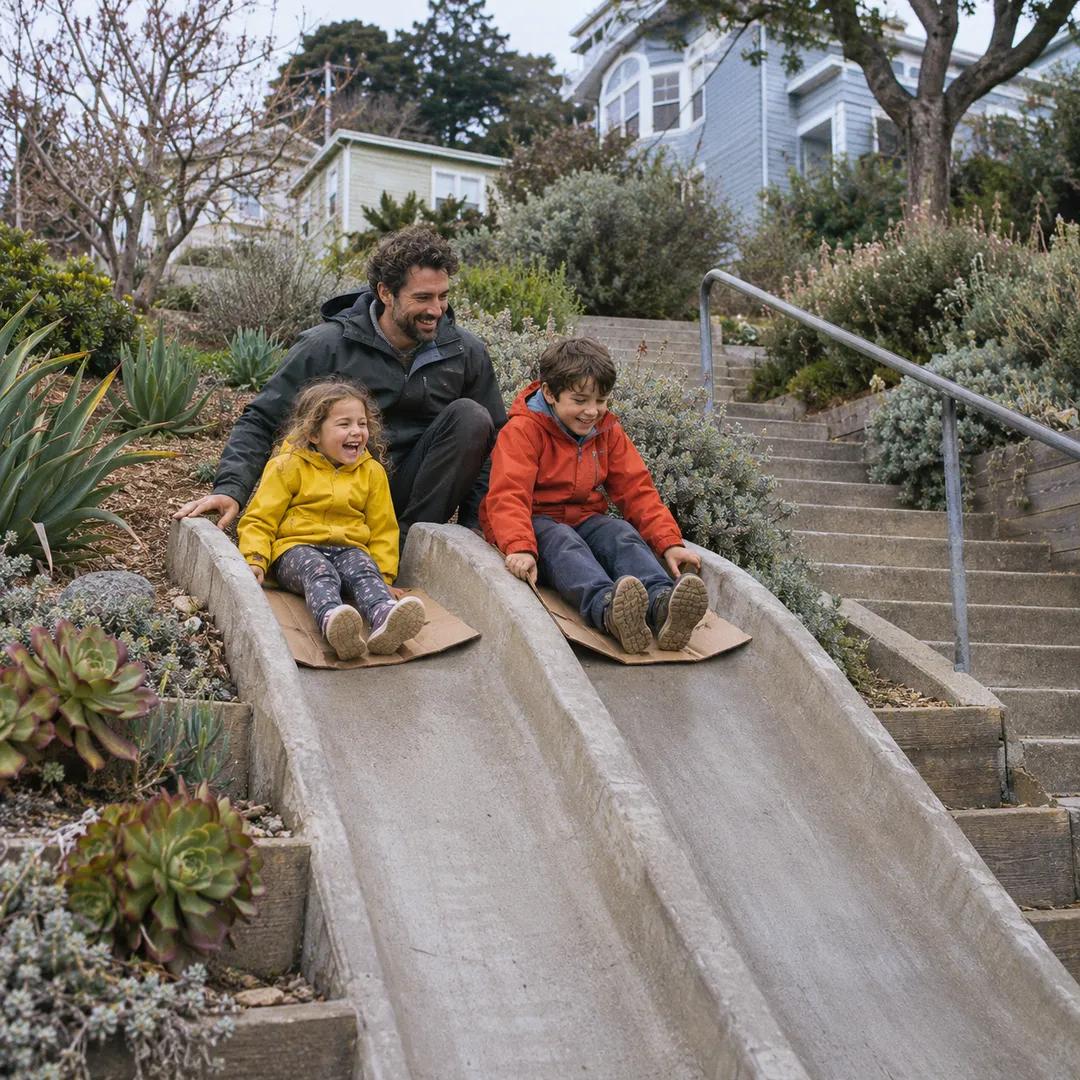 Bernal Heights Hilltop Staircase Walk Planner With Kids