 Best Trick or Treating Neighborhoods Near Me: West Portal
Neighborhood Guides
Where to Find the Best Chinatown Eats in San Francisco Right Now
Navigate San Francisco Chinatown's bakery counters, century-old dim sum parlors and Stockton Street stalls like someone who knows which line to join.
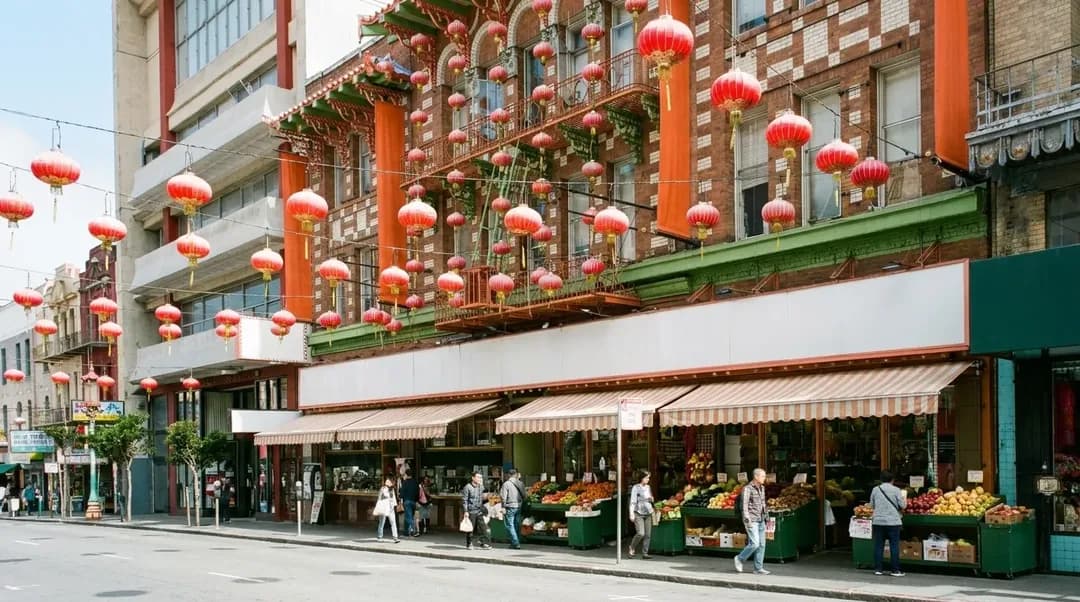
San Francisco Chinatown food splits into three practical lanes: takeout bakery counters where you point at steamed buns through plexiglass, old-school dim sum parlors where servers push metal carts between round tables, and higher-end creative rooms that plate har gow like a tasting menu. All three matter, and knowing which one you need on a Saturday morning versus a Tuesday afternoon is the difference between eating well and standing in the wrong line. Stockton Street is the grocery spine where locals shop; Grant Avenue is the tourist corridor. The Central Subway's Chinatown-Rose Pak Station changed how people arrive, and the best char siu bao sells out by early afternoon.
Karpo can build you a walking route through Chinatown's best food stops, check current hours at the bakeries and dim sum rooms you want to try, and tell you which counters still have char siu bao in stock before you leave the house.
Why Good Mong Kok Bakery draws the longest line on Stockton Street
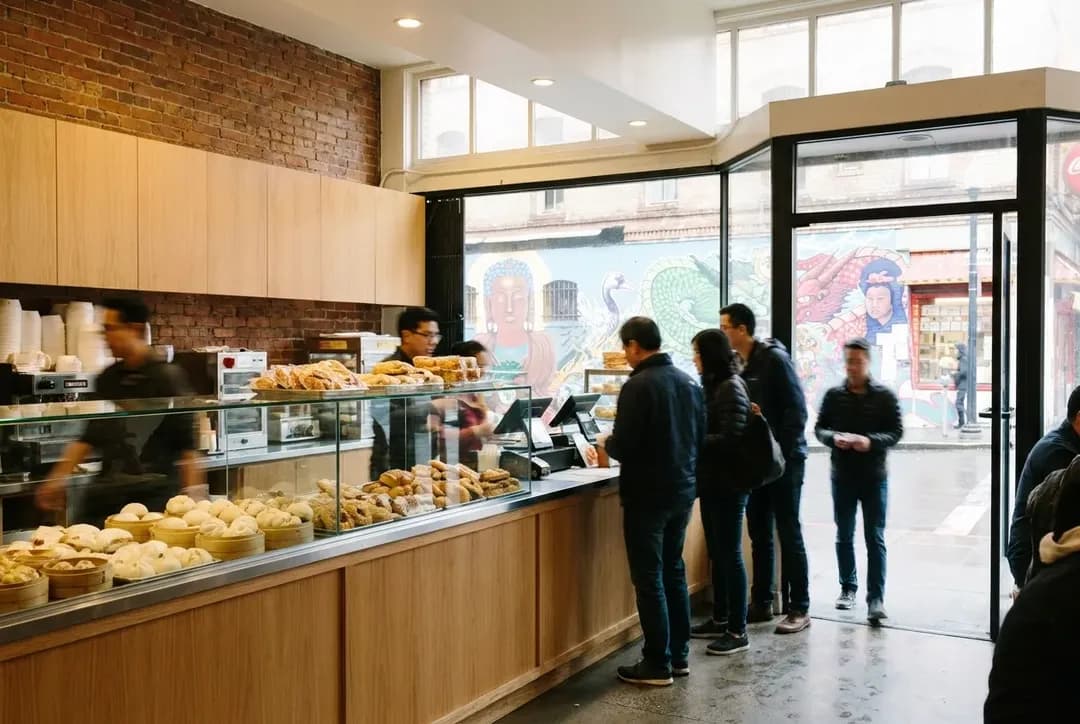
Good Mong Kok Bakery at 1039 Stockton Street is identified by its orange awning and the line that stretches down the block most mornings. The draw is generously stuffed char siu bao and pillowy pineapple buns that come out of the steamer in waves. This is a cash-oriented, takeout-only counter where you point at what you want through the glass, pay, and leave. The line moves faster than it looks because no one lingers.
Bakery counters like Good Mong Kok sell the best buns out by early afternoon, so plan to arrive before noon if you want the full selection. The pineapple buns are still warm mid-morning, and you will see regulars buying six or eight at a time because they know the texture changes after a few hours. There is no seating, no coffee, no atmosphere beyond the smell of yeast and roast pork. That is the point.
Wong Lee Bakery at 760 Jackson Street operates on the same grab-and-go model but offers savory items like ho fun, pea-sprout shrimp dumplings and fried taro puffs alongside the buns. If you want to compare bakery styles in one morning, hit both counters and eat on a bench in Portsmouth Square between stops.
How to navigate dim sum rooms from 1920 to now
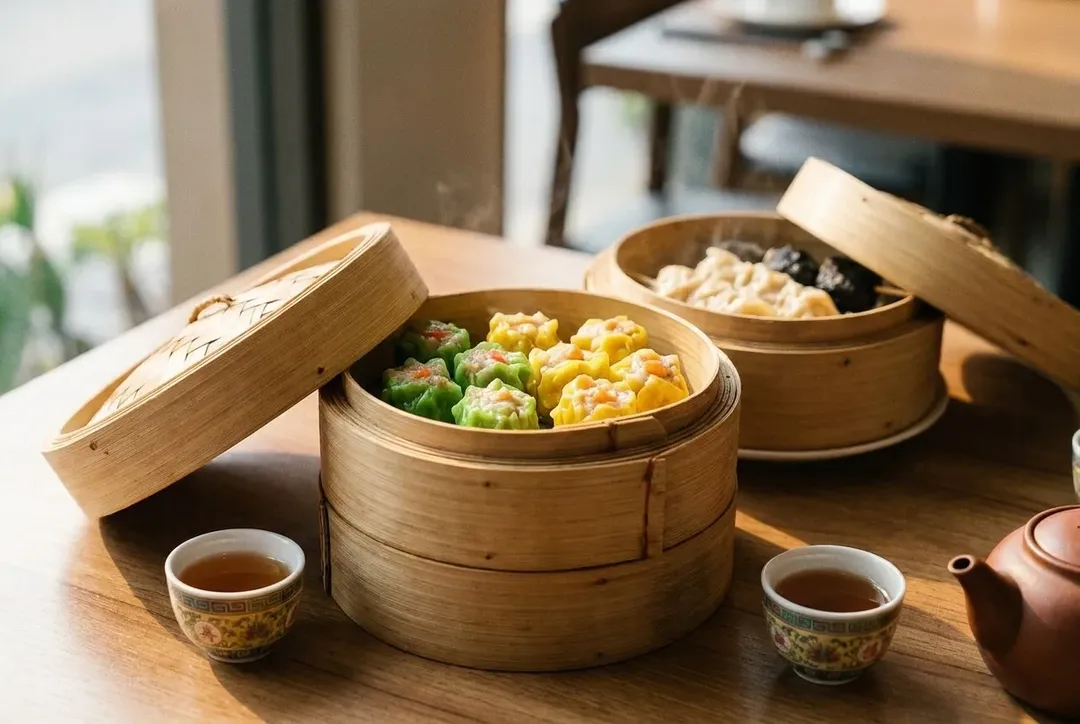
Hang Ah Tea Room on Pagoda Place opened in 1920 and is documented as America's first dim sum house. The space feels like a neighborhood cafeteria, not a destination restaurant, which is exactly why it still works. You order from a menu, not a cart, and the kitchen sends out steamers of siu mai, har gow and char siu bao that taste like the mid-century standard before fusion entered the conversation.
The SF Standard published a panel-selected list of the 13 best dim sum spots in San Francisco in April 2026, and the names that appear most often beyond Hang Ah include City View Restaurant, Great Eastern Restaurant, Osmanthus Dim Sum Lounge, Delicious Dim Sum, House of Dim Sum and Dim Sum Bistro. These rooms split into two camps: old-school cart service where servers circle the dining room with metal trolleys, and order-from-menu operations where dishes arrive on demand.
Carts and steamers are fullest between 10:30am and noon, which is when you want to be seated if you care about selection. The selection changes as the meal service progresses, and family groups who occupy round tables for extended meals can mean waits during busy periods, so arrive right at opening if you want to avoid them.
What Stockton Street teaches you about eating in Chinatown
Stockton Street is where San Francisco Chinatown food makes sense. This is the grocery spine: produce stalls with bok choy and winter melon stacked on the sidewalk, dried-seafood shops with fish maw and scallops in glass jars, butchers with whole ducks hanging in the window. Grant Avenue runs parallel and caters to tourists with souvenir shops and sit-down restaurants. Locals shop Stockton.
The rhythm of Stockton Street dictates when to eat. Morning is for bakery runs and dim sum. Afternoon is for picking up ingredients and watching grandmothers negotiate over live fish in plastic bins. Evening is quieter because most of the action has moved indoors to family dinners. If you are planning a Chinatown food crawl, structure it around Stockton and treat Grant as the route back to the subway.
The Central Subway T Third line now stops at Chinatown-Rose Pak Station, which sits near the center of the neighborhood and makes it easier to arrive without dealing with parking or climbing hills from the Financial District. Exit the station and you are within walking distance of Good Mong Kok, Hang Ah, and every bakery and dim sum room that matters. The station's central location puts the entire neighborhood within reach on foot.
How to plan a morning that covers bakeries and dim sum in one trip
Start at Good Mong Kok Bakery early in the morning when the line is manageable and the char siu bao are still warm. Buy what you want, eat one on the sidewalk, and save the rest for later. Walk to Portsmouth Square and sit for a few minutes while you decide whether you are still hungry or just want to keep the momentum going.
If you are ready for dim sum, walk to Hang Ah Tea Room or one of the cart-service rooms that open mid-morning. Order a pot of tea and three or four steamers per person. Pace yourself because the carts keep coming and it is easy to over-order in the first fifteen minutes. If you started with bakery buns, you probably want lighter items like shrimp dumplings and rice rolls rather than heavier char siu bao or turnip cakes.
After dim sum, walk Stockton Street and stop at any produce stall or dried-goods shop that catches your attention. You are not shopping for groceries, but watching how people shop tells you more about the neighborhood than any guidebook. By midday you will have eaten well, walked off the meal, and seen the part of San Francisco Chinatown food culture that does not show up on Instagram.
Practical notes
- Getting there: Take the T Third line to Chinatown-Rose Pak Station and exit near the center of the neighborhood.
- Timing: Bakery counters sell the best buns out by early afternoon; carts and steamers are fullest between 10:30am and noon.
- Cash: Good Mong Kok Bakery is cash-oriented, so bring bills or confirm payment options before ordering.
- What to order first: Char siu bao and pineapple buns at Good Mong Kok, har gow and siu mai at any cart-service dim sum room, ho fun and taro puffs at Wong Lee Bakery.
- Lines and waits: Good Mong Kok Bakery has a line down the block; dim sum rooms are fullest between 10:30am and noon.
- Stockton versus Grant: Shop and eat on Stockton Street where locals go; treat Grant Avenue as the tourist corridor with sit-down restaurants.
- What to confirm: Check current hours and cart schedules before leaving.
Tags: #karpo #sanfranciscochinatownfood #bestdimsumSanfrancisco #goodmongkokbakery #hangahtearoom #chinatownbakeriesSF #SFchinatownguide #stocktonstreet #dimsumSF #charsiu #sanfranciscofood #neighborhoodguides #chinatowneats #SFfoodie #localfood
Sources consulted: theinfatuation.com · sfstandard.com · theinfatuation.com
All trademarks are the property of their respective owners.
Ask Karpo first
Ask Karpo which Chinatown bakeries and dim sum rooms are open right now, how long the walk is between Good Mong Kok and Hang Ah, and what order to hit your stops so you catch the best buns before they sell out. Karpo builds live routes through San Francisco neighborhoods and checks real-time details so you spend less time planning and more time eating.
Ask Karpo for more information.
Keep reading
- Best Trick or Treating Neighborhoods Near Me: West Portal
 Best Trick or Treating Neighborhoods Near Me: Noe Valley
 Best Trick or Treating Neighborhoods Near Me: Bernal Heights