San Francisco is used to turning a portfolio change into a conversation starter. When ARK Invest, the firm associated with Cathie Wood, makes a visible move in AI-related companies, the question is rarely just what was bought. People want to know what it says about the next hiring cycle, the next startup pitch, and the infrastructure underneath every cheerful promise about AI.
The short version of the latest reporting: ARK bought about $22.8 million of Nvidia on August 17 while selling AMD and Palantir, then added roughly $41.2 million across Broadcom, Cerebras, and Rocket Lab in reported mid-August transactions. Those are reported trades, not a guarantee of conviction, performance, or a future price move.

Why infrastructure keeps getting the attention
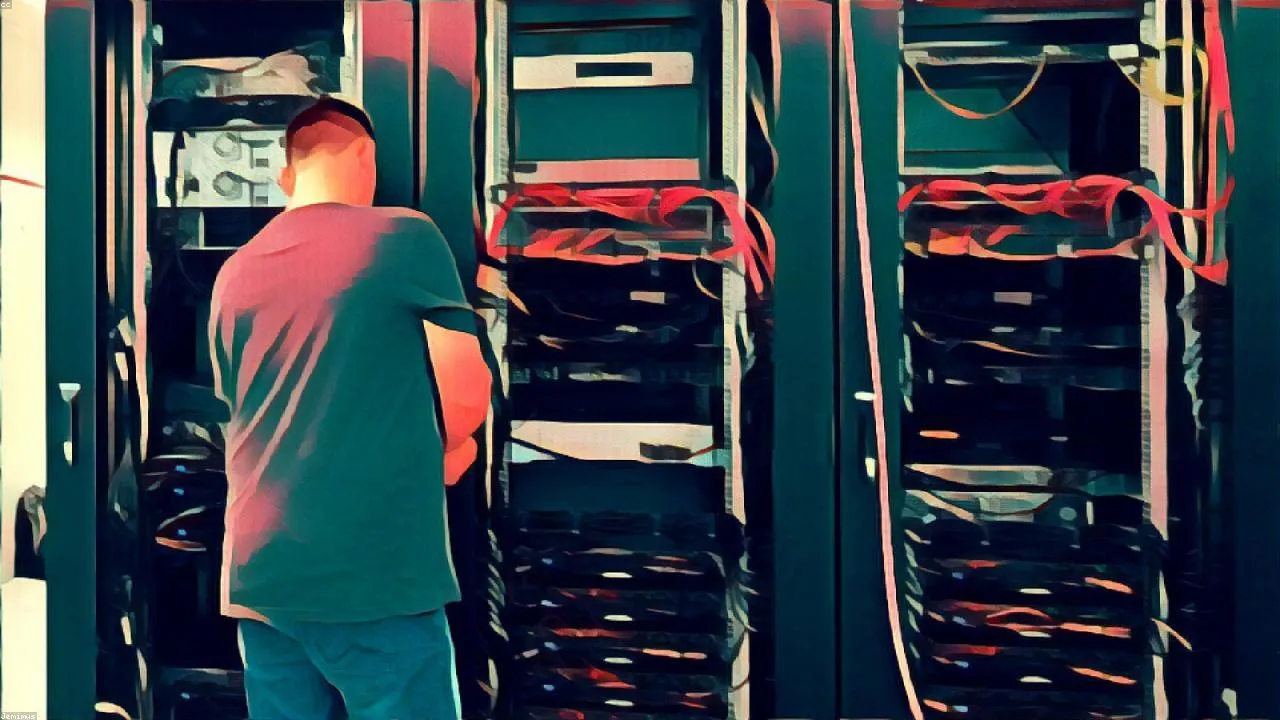
The current AI conversation has moved beyond model demos. It now includes the expensive, physical layer that makes those demos possible: advanced chips, networking, memory, data centers, cooling, and the specialized systems that move information between them. Broadcom sits closer to that infrastructure story than a consumer-facing app does. Cerebras represents a more concentrated bet on alternative AI-computing architectures. Nvidia remains the most recognizable name in the stack, but recognition is not the same thing as a simple investment case.
That distinction matters in the Bay Area because the same headline can reach three different audiences. A software engineer may read it as a signal about compute demand. A startup operator may read it as a financing and vendor question. An individual investor may read it as a trade to copy. Only the first two are useful without a much deeper review of risk, valuation, and personal circumstances.

Three things the trade report does—and does not—tell you
- It shows where one actively managed fund allocated capital during a particular reporting window; it does not reveal every internal assumption behind the decision.
- It highlights an infrastructure theme across several names, but it does not prove that every company in the theme will benefit equally.
- It gives tech workers a useful lens for asking which parts of the AI stack are gaining budget; it does not forecast hiring, compensation, or startup success.
A trade can be a clue about a theme without being an instruction for your own portfolio.
A San Francisco worker's practical read
If you work in the Bay Area tech ecosystem, use the news as a prompt to map the stack around your job. Which vendors are critical to your product's inference cost? Which systems are bottlenecks: chips, networking, storage, power, or deployment? Which claims are backed by customer usage rather than a compelling demo? Those questions travel better than a ticker symbol.
For founders, the infrastructure angle can sharpen a pitch. A product that lowers serving cost, improves utilization, or makes specialized hardware easier to operate has a more concrete story than one that simply adds an AI label. For job seekers, it can make research more specific: look for teams that own hard technical constraints, not only teams that use the latest vocabulary.
For employees with equity exposure, the lesson is to separate company fundamentals from market narrative. A prominent investor's purchase may draw attention, but your own concentration, vesting schedule, tax position, and time horizon still matter more than a headline. If you are making an investment decision, consult a qualified professional; this article is not financial advice.
A calmer way to follow the next update
When the next ARK filing or trade report lands, save the date, the transaction window, and the exact company names before interpreting it. Check whether the move was a new position, an increase, a reduction, or a sale. Then ask what changed in the underlying business—not just what changed on a social feed.
San Francisco's AI economy will keep producing dramatic headlines. The useful habit is less dramatic: follow the infrastructure, verify the filing, and keep your personal financial decisions separate from somebody else's public portfolio.
Tags: #sanfrancisco #technology #artificialintelligence #investing #work
Sources consulted: ARK Invest · Benzinga · Fortune
All trademarks are the property of their respective owners.