 SoMa Bowling Group Night Planner to Welcome New Hires
Sports Social
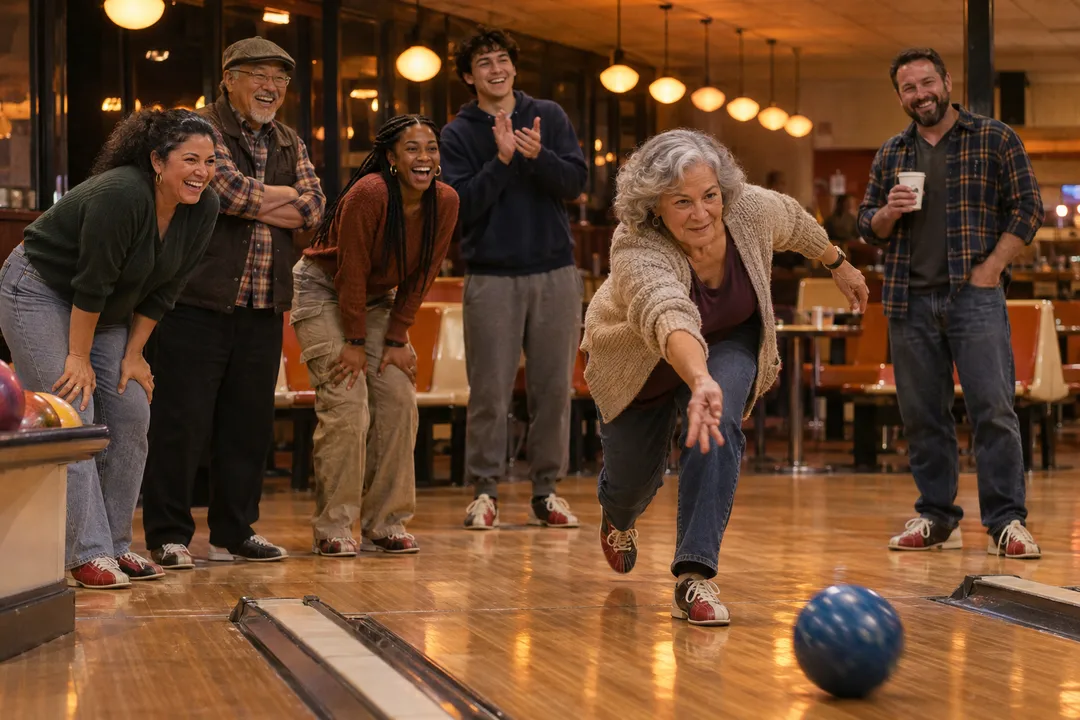
Richmond Bowling Group Night Planner for New Neighbors
Planning a bowling night for new neighbors in the Richmond? Mix the teams, keep it to two games, then walk Clement Street together and end at Golden Gate Park.
A bowling night is one of the easiest ways to get a building full of new neighbors talking, because the game gives everyone something to do with their hands and something to laugh at besides themselves. The Richmond District suits this kind of night. Its blocks are full of long-time families, students, retirees and people who moved in last month, and most of them have never said more than hello in the lobby. This bowling group night planner shows how to set up a relaxed evening for a mixed group of neighbors, from the first group message to the foggy walk home.
Why a Lane Beats a Potluck for New Neighbors
Potlucks sound friendly, but they put a lot of pressure on the host and leave quiet people standing near the chips. A bowling lane changes the shape of the evening. People take turns, so everyone gets a moment in the spotlight, and the gaps between throws are short enough that conversation never has time to stall. Nobody has to tidy their flat, either.
It also flattens differences. The retired teacher from the top floor may be the steadiest bowler in the group, while the confident young engineer might throw three gutter balls in a row. Those small surprises give people a story to share in the hallway the next morning, which is exactly what a first neighbor night is for.
In the Richmond, where many buildings mix families who have lived there for decades with renters who just arrived, this matters. A game is a neutral space. Nobody is hosting, nobody is a guest, and everyone is equally bad at picking the right ball on the first try.
Start the Plan in the Karpo APP
Open the Karpo APP and describe the night in plain words: roughly how many neighbors, the ages involved, whether anyone has mobility needs, and that you want somewhere within an easy ride of the Richmond. Karpo can help you shortlist bowling alleys and nearby places to eat, and it can help you think through the plan, such as how many lanes a group your size needs and what to do before and after.
Karpo does not hold lanes for you or track how busy an alley is in real time. Once you have a shortlist, contact the alley directly to ask about group lanes and what they need from you. Keeping that step in your own hands also means you can ask the questions that matter to your group, like whether there are ramps for younger kids or seating near the lanes for anyone who would rather watch.
Use Karpo again to draft the invite. A short note that says what, when, where to meet and that no skill is needed will get more replies than a long message. Slip it under doors and post it in the building chat if there is one.
Build Teams That Mix the Building
The single best trick for a neighbor night is to split people up on purpose. Do not let flatmates and couples bowl together. Instead, mix floors and ages on each lane, so the family from the ground floor shares a scoring screen with the student from upstairs. Draw names from a hat if you want it to feel fair.
Plan around five or six bowlers per lane. More than that and people wait too long between turns, which is when the phones come out. If a few neighbors cannot or do not want to bowl, give them a job: keeping score, choosing the music request or running the snack order. Being useful is a gentle way to join in.
For a group with kids, ask the alley about bumpers for one lane and keep the youngest bowlers together there. Parents can rotate between lanes, and the children will be far happier competing with each other than watching adults.
Two Games Is the Right Length
With a mixed group, plan for two games, not three. The first game is for nerves and laughing at bad throws. The second is when people relax and start cheering for each other. A third game usually drags, and older neighbors or tired kids will start looking for the exit before it ends.
Between games, swap one player from each lane. It is a small move, but it means everyone meets at least a few more people, and it stops one lane from becoming the competitive corner while the other turns quiet.
Eat Together on Clement Street Before or After
The Richmond is one of the best eating neighborhoods in the city, and food is the natural second act of a neighbor night. Clement Street and the blocks around it are lined with dim sum counters, Burmese, Russian and Korean kitchens, noodle shops and old-school bakeries. Ask the group what they like and let Karpo suggest a few places that can seat a crowd.
If the bowling runs into the evening, eat first. A shared meal of plates in the middle of the table is a better ice breaker than a sit-down menu where everyone orders alone. Pick somewhere with round tables if you can, because nobody gets stuck at the end of a long row.
For a lighter option, simply walk Clement after the game and stop at a bakery for buns or pastries to take home. A paper bag of pastries passed around on the sidewalk has started more friendships than any formal dinner.
Walk Home Through the Fog
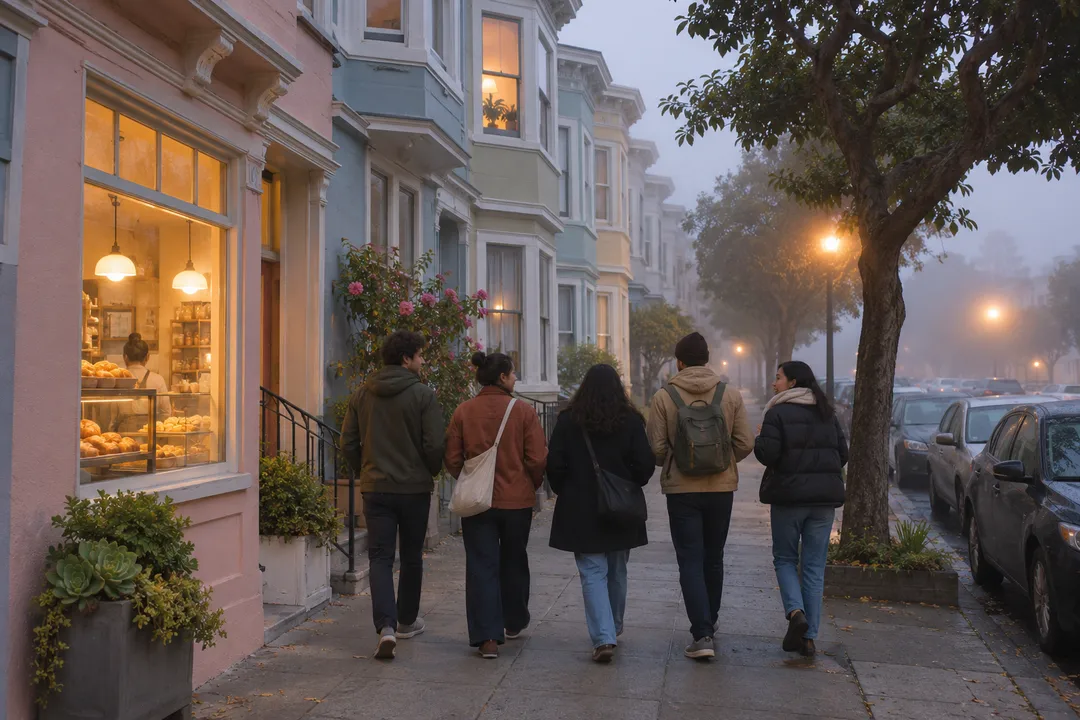
The Richmond sits between Golden Gate Park and the Presidio, and on most evenings the fog rolls in from Ocean Beach. Instead of everyone calling separate rides, walk back together in a loose group. The pastel row houses and bay windows look their best in the misty streetlight, and the walk gives people time to swap names and numbers properly.
On a weekend afternoon version of the night, add a stroll along the edge of Golden Gate Park before the bowling. Spreckels Lake and the paths near the park's north side are flat and easy, which suits neighbors who are not big walkers.
Practical Notes for a Smooth Neighbor Night
Collect a rough headcount a few days ahead so you can ask for the right number of lanes. Tell people that bowling shoes are part of the deal at most alleys, and that socks are a good idea. Agree on how to split costs before the night so nobody feels awkward at the counter.
Keep the evening easy to leave. Some neighbors will stay for the walk and the bakery, and some will slip away after one game, and both are fine. The aim is not a perfect party. It is a lobby where people now wave at each other and know who to ask when a parcel goes missing.
After the night, use the Karpo APP to save the places your group liked. If the building wants a second round, you already have a shortlist for the next one, and maybe a neighbor who has offered to plan it.
Ask Karpo for more information.
Keep reading
- SoMa Bowling Group Night Planner to Welcome New Hires
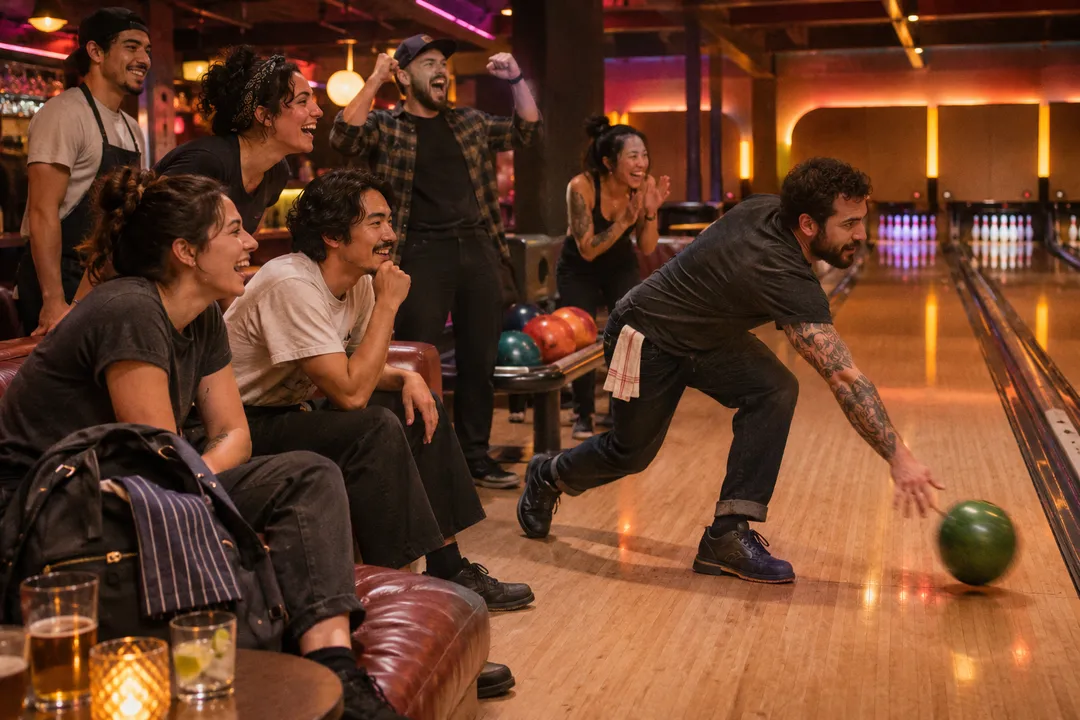 Lower Haight Bowling Group Night Planner for Kitchen Crews
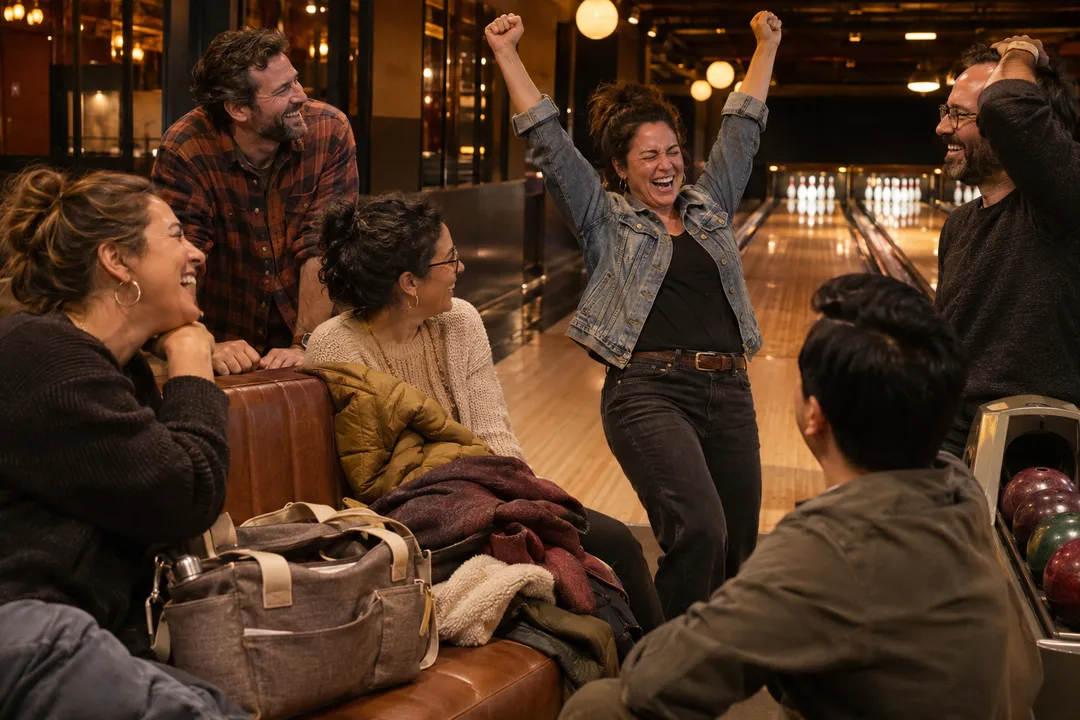 Bernal Heights Bowling Group Night Planner for Parents Out