 SoMa Bowling Group Night Planner to Welcome New Hires
Sports Social

Chinatown Bowling Group Night Planner for Cousins Home Again
Cousins back in Chinatown for the holidays? Split lanes by age, keep the aunties' dinner first, then bowl, swap stories and walk the lantern streets home.
A Chinatown bowling group night planner is really a plan for one of the best parts of the holidays: the moment the cousins slip away from the big family table. Everyone is back in San Francisco for a week or two, some from college, some from jobs in other cities, a few who never left the neighborhood. The grandparents want everyone at dinner, which is non-negotiable, but after the last plate of oranges is passed around, there is a window of a few hours where the cousins can be together on their own terms. Bowling fills that window perfectly. It is easy for every age, it is loud enough to cover awkward small talk, and it gives the cousin who flew in from far away a reason to stay out instead of heading back to bed.
Let Dinner Come First
Do not try to schedule bowling against a family banquet. You will lose, and you should. Instead, build the plan around dinner. Tell the aunties early that the cousins are going out afterward, so nobody is offended when half the table stands up together. Offer to help clear dishes before you leave. That small gesture buys a lot of goodwill and makes it more likely the younger cousins will be allowed to come along.
Use the walk from the restaurant or the family apartment as the transition. The streets of Chinatown after dinner are a reunion of their own, with neighbors stopping to ask who got married and who moved to New York. Build in an extra fifteen minutes for that. If you rush the walk, someone's grandmother will be hurt that you did not stop to say hello.
Find Lanes That Fit a Mixed-Age Crowd
Cousin groups are wide in age. You might have a sixteen-year-old, a pair of college students, a couple of thirty-somethings and a new spouse meeting the family for the first time. Open Karpo APP and describe the group in plain words, for example "bowling for ten cousins ages sixteen to thirty-five after a family dinner in Chinatown San Francisco, want somewhere lively but not a club." Karpo surfaces nearby lanes and group spots so you can compare a few before the family dinner even starts.
Think about how everyone gets there. A short rideshare or a ride on the Central Subway takes you out of the neighborhood quickly, while a walk downhill toward Union Square or the waterfront can be part of the fun on a clear night. If a younger cousin needs to be home at a certain time, choose the closer option and make sure the oldest cousin is responsible for getting them back.

Send the plan to the cousins a day or two before dinner, not during it. A short message with the lane spot, the rough plan for getting there and who is responsible for the youngest cousins saves a lot of whispering at the table. It also gives the cousin with the new partner time to warn them that yes, the family really does take bowling this seriously.
Mix Ages Across Lanes
The worst cousin night is one where the older group and the younger group split into two separate lanes and barely talk. Avoid that by mixing deliberately. Put the high schooler on a lane with the cousin who just started a job in tech, and the new spouse with the cousin who knows every family story. Each lane should have one person who knows how to work the scoring screen and one person who is happy to keep the conversation going.
Give each lane a family-flavored name. Use childhood nicknames, the name of the street where the grandparents first lived, or the dish everyone fought over at dinner. Seeing "Third Uncle's Dumplings" or "Stockton Street Kids" light up on the screen gets a laugh from everyone, and it quietly reminds the newer additions that they are part of the family now too.
Make Room for Stories Between Frames
The real point of the night is catching up, not the score. Bowling has natural pauses, and those pauses are where the good conversations happen. Ask the cousin who moved away what they miss most. Ask the youngest one what school is actually like. Retell the story about the time someone got lost at the Moon Festival. Between turns, these little exchanges matter more than any strike.
Keep a tradition going if you can. Some families track a running winner across years, with a cheap trophy or a ridiculous hat that passes from cousin to cousin. If you do not have a tradition yet, this is a good year to start one. Take a group photo at the end of every holiday bowling night, and in a few years you will have a sequence of pictures that shows everyone growing up together.
Not every cousin bowls, and that is fine. Some will happily sit on the bench all night, holding the shared fries and judging everyone's form. Give them a role. One can be the official photographer, another the scorekeeper who announces upsets, a third the person who decides which song the group requests next. People who feel included stay longer, and the cousin who refused to rent shoes at first will often ask for a turn by the third frame.
Food, Drinks and Who Pays
After a big family meal, nobody needs a full dinner at the lanes. Order something light to share, like fries or a dessert plate, and let people pick their own drinks. Decide in advance how you will split the bill. One easy approach is that the cousins with full-time jobs cover the lanes, and the students cover the snacks. It keeps things fair without making anyone feel embarrassed.
If there are cousins under drinking age, make sure the older ones set a good example. Aunties tend to hear about everything, and you want the story they hear to be about how much fun everyone had, not about who got carried away.
Walk Back Under the Lanterns
End the night where it started. Walking back up into Chinatown late in the evening, when the stores have pulled down their shutters and the lanterns overhead are still glowing, is one of those quiet San Francisco moments that stays with people. It is a good time for the cousins who are flying out soon to take one last look at the neighborhood where their parents grew up.
Drop the younger cousins at their doors first, then let the rest of the group decide whether to grab a late bowl of congee or call it a night. Either way, the plan for next year often starts on that walk. Someone will say, half joking, that the same group should bowl again next holiday. Make sure somebody writes that down in the family chat before everyone scatters again.
Ask Karpo for more information.
Keep reading
- SoMa Bowling Group Night Planner to Welcome New Hires
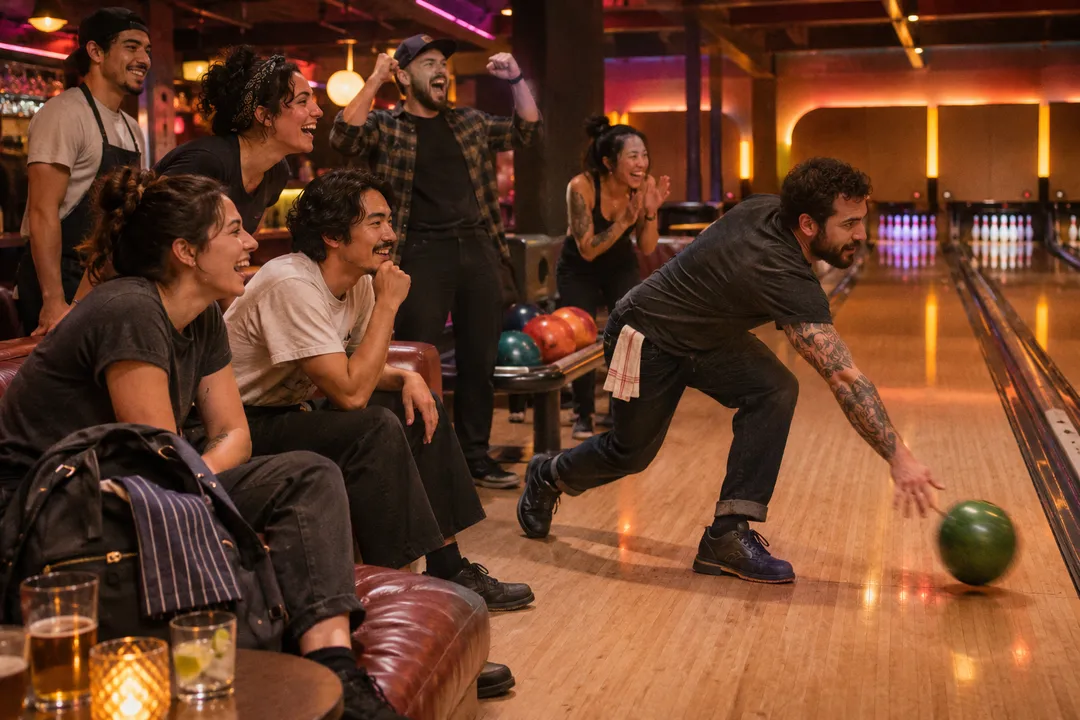 Lower Haight Bowling Group Night Planner for Kitchen Crews
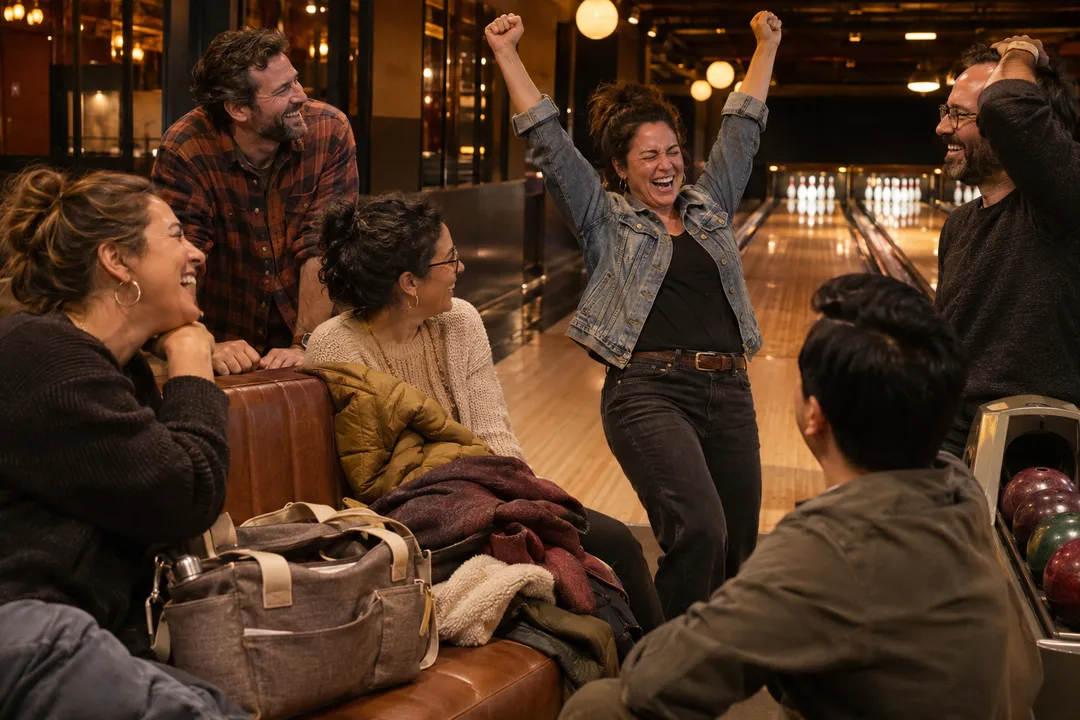 Bernal Heights Bowling Group Night Planner for Parents Out