Rodeo Beach, about three miles northwest of the Golden Gate Bridge in the Marin Headlands, is not a sand beach. It is covered in small smooth pebbles in brown, red, green and blue, and the colours are not a curiosity — they are the reason geologists bring students here. The stones are radiolarian chert, the most common rock in the Marin Headlands, and trace amounts of iron within them have oxidised to different degrees, producing a spectrum that runs from deep red through to green and yellow.
This lot fills by mid-morning on a clear weekend and the overflow options are a long walk back. Ask Karpo what parking looks like at Rodeo Beach today and when the fog is likely to lift.
A sand spit with water on both sides
The beach sits on a spit that separates Rodeo Lagoon from Rodeo Cove, which means you have the open Pacific on one side and a body of still water on the other, about a hundred metres apart. That geometry is unusual and it makes the beach considerably more interesting than a straight stretch of coast.
The lagoon is brackish — part fresh, part salt — and that mix supports an unusually diverse population, including many birds, frogs and endangered fish. It is a designated point of interest rather than scenery, and walking the lagoon edge is a genuine alternative activity when the Pacific side is too cold and windy to enjoy, which it frequently is.
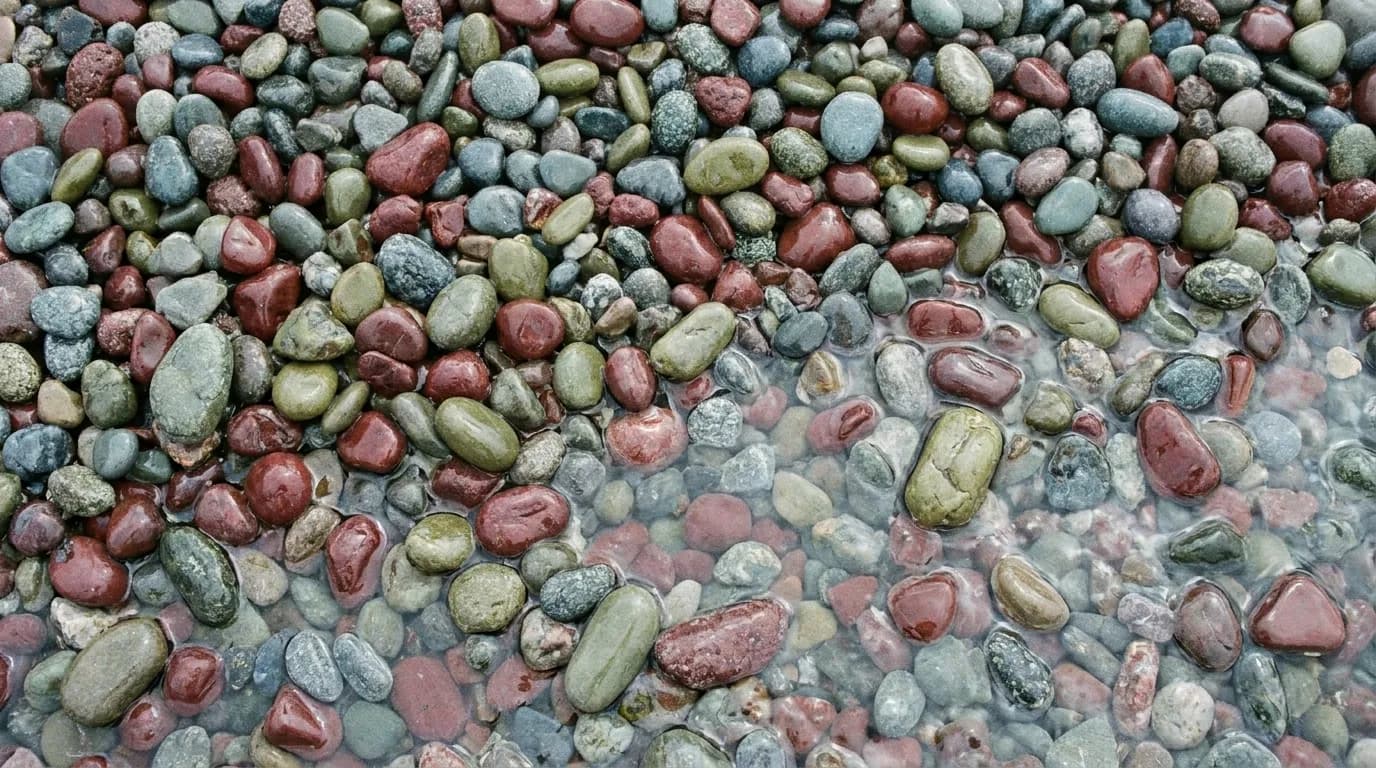
Do not take the pebbles
It needs saying because everyone thinks about it. The coloured stones are the defining feature of a beach inside a national recreation area, and if every visitor pockets a handful the beach changes within a generation. Photograph them, and leave them where they are.
Wet is also how they look best. The colours that are obvious in the surf line go flat and grey once the stones dry out, which means the handful that looked extraordinary on the beach will be disappointing in a pocket anyway.
Parking is the whole logistical problem
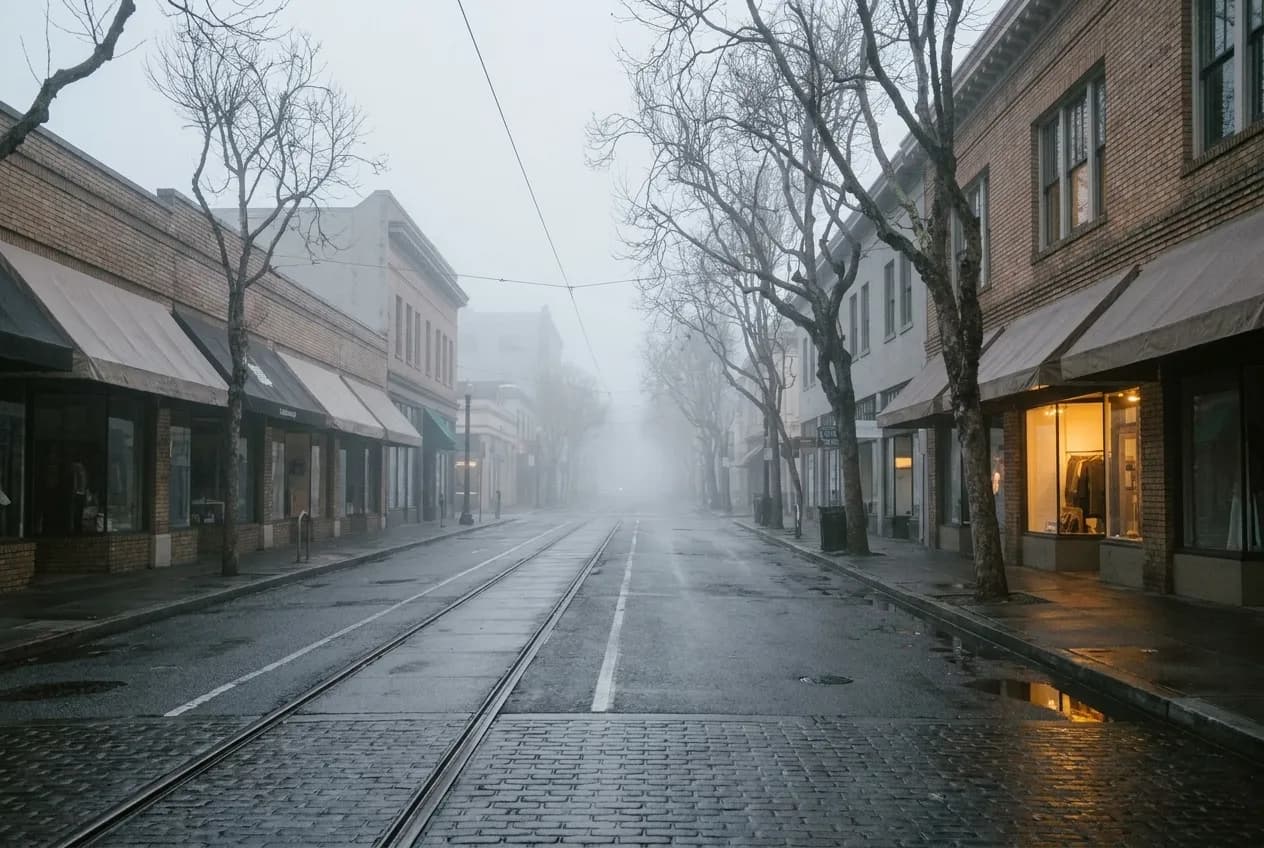
There is a car park near the beach, with Fort Cronkhite — a preserved Second World War military post — directly across the street. On a clear weekend it fills, and the overflow options are a serious walk: the lower car park at the Marine Mammal Center is about half a mile away, and the Smith lot across from the Presidio Riding Club is over a mile.
A mile each way with beach gear is a different day than the one you planned. The workable approach is an early arrival, a weekday, or a foggy morning — the last of which is both the most reliable and, for this particular coastline, arguably the better aesthetic anyway.
Pebbles also change how the beach behaves underfoot. Walking on rounded chert is slower and more effortful than walking on sand, which is part of why the beach feels emptier than its visitor numbers suggest — people spread out along it rather than clustering, and nobody sets up a large encampment on stones. Bring something to sit on; the ground is not forgiving.
Fort Cronkhite and what surrounds it
The old military buildings across from the beach are part of what makes the Headlands feel the way they do: this was closed defence land for most of the twentieth century, which is why a coastline three miles from a major city has almost nothing built on it. The Marine Mammal Center, a rescue and rehabilitation hospital for seals and sea lions, is up the road and open to visitors.
Trails run up into the hills from the beach in several directions, including routes toward the coastal batteries and the bluffs with the classic Golden Gate Bridge views. The beach works as an end point for a headlands walk as much as a destination in itself.
The lagoon side is where families end up on a windy day. It is sheltered by the spit, the water is flat, and the path along its edge is easy walking with birds on the water for most of the year. It is the part of the site that makes a visit work when the ocean side is unpleasant, and it is entirely overlooked by anyone who came only for the beach.
What to expect from the water
Cold, rough and not a swimming beach for most people. This is the open Pacific at the mouth of the Golden Gate, with serious currents, and surfers in full wetsuits are the usual population in the water. Wading and beachcombing are the realistic activities.
The wind is constant and the fog is common, particularly through the summer months when San Francisco is at its greyest. September and October are usually the clearest, warmest window on this coast, which reverses the intuition of anyone visiting from elsewhere.
Practical notes
Rodeo Beach is in the Marin Headlands within the Golden Gate National Recreation Area, about three miles northwest of the Golden Gate Bridge. The beach is covered in radiolarian chert pebbles whose red, green and yellow colours come from differing degrees of iron oxidation — leave them where they are. The beach sits on a spit between Rodeo Lagoon and Rodeo Cove; the brackish lagoon supports birds, frogs and endangered fish. A car park sits beside the beach with Fort Cronkhite across the street; on busy weekends overflow is at the Marine Mammal Center lower lot about half a mile away and the Smith lot over a mile away. The water is cold with strong currents and is not a general swimming beach. Wind is constant; September and October are the clearest months.
Tags: #BeachNearMe #MarinHeadlands #RodeoBeach #RodeoLagoon #FortCronkhite #BayAreaOutdoors #PebbleBeach #Geology #Birding #GGNRA #ThingsToDoNearSF #BeachesNearMe #CoastalWalks #SportsSocial
Sources consulted: nps.gov · parksconservancy.org · californiabeaches.com
All trademarks are the property of their respective owners.
Ask Karpo first
Want to know whether the lot has space, whether the fog is in, and which headlands trail to add from the beach? Ask Karpo for current Rodeo Beach conditions, a departure time that beats the parking crush, and a walking route up into the Marin Headlands from the sand.