 Inner Sunset Irish Coffee Bar Night Picker for New Parents
Bars & Nights Out

San Francisco Autumn Cider House: A Quiet Weekday Route
Find a calmer weekday cider outing by comparing likely noise, travel effort, food timing and the information available for a small group. Works well.
A quiet weekday autumn cider house plan is easier to build when “quiet” becomes a set of practical choices. In San Francisco, a smaller group may want an early arrival, a short tasting and enough room to talk, but those conditions are rarely captured by a seasonal search phrase alone. Tell the Karpo APP your preferred daypart, starting neighborhood, sound tolerance and food needs. Ask it to explain each option’s fit without claiming a guaranteed empty room.

Define the kind of calm you want
Quiet could mean low music, a two-person counter, a room suitable for conversation or simply avoiding a late-night crowd. Choose the definition that matters and include it in the request. Add whether you want one glass, a flight or a meal. That combination gives the assistant something concrete to compare and stops “cozy” from standing in for information about the actual experience.
A weekday plan can work at an early opening, a mid-afternoon gap or a later dinner hour, depending on the group. State the time window rather than asking for “not busy.” The app can compare the schedule information it finds and identify what remains unknown. You still decide the final time through the venue’s own details, but the shortlist can be built around your real availability.
Use timing as a filter
For a quiet conversation, the first order does not need to be elaborate. Ask whether a listed single pour, small flight or bottle format supports the pace you want, and do not assume a flight exists. One deliberate glass can teach you more than several unrelated samples when the group is talking. Let the format serve the evening rather than turning the evening into a checklist.
Some groups want a snack so the cider remains central; others need dinner before the first pour. Say which you mean and whether vegetarian or other needs apply. If food details are not published, leave them blank. A recommendation that honestly separates drink evidence from meal uncertainty is more useful than a polished description that sends a hungry group into a second search.
Keep the tasting modest
A venue page may describe a bar’s identity without promising the noise level or seat type you want. Ask the app to label those as preferences unless the source states them. Use phrases such as “best fit for a conversation” only when the reasoning is visible. The goal is not a guarantee of silence; it is a choice that gives calm a better chance.
A quiet outing can be spoiled by an unexpected wait. Ask for a route that leaves a small buffer and for an alternative nearby if the first stop is full. Do not invent a queue length or claim that a certain minute is always empty. A flexible arrival window and a second choice are enough to keep the group moving without pretending the future is known.
Make the food question precise
A short pre- or post-tasting walk can help the group transition, but it should not dominate a weekday plan. Ask for one nearby idea that matches the pace: a bookstore, a market aisle or a public square. If the room is comfortable and conversation is flowing, skip it. A quiet itinerary earns its value by leaving space.
One friend may want to linger while another needs to leave by a fixed time. Include that limit. The app can compare whether a single destination or a two-part evening is more forgiving. If the group splits, decide where to reunite and what information each person needs. These small details make a recommendation usable outside the screen.
Ask for room-level evidence carefully
Save the flavor fit, the timing logic, the food assumption and the unresolved fact. That record keeps a quiet plan from drifting into a generic night out. It also gives you language for a follow-up: ask for another option with the same calm requirement but a shorter route or clearer meal evidence.
Quiet weekday contingency note: decide what the group will do if the first option is too crowded, too far, too warm or missing the flavor detail that mattered. Quiet weekday Name one alternate and the exact reason it exists. Quiet weekday Keep that fallback short enough to use while everyone is already traveling, and leave the final service question for the venue’s own information.
Practical Notes
Quiet weekday decision worksheet: write the main preference, the acceptable compromise and the one unanswered detail that belongs to the venue. Quiet weekday Keep a second line for the companion who has a different pace, appetite or way home. Quiet weekday A short record is easier to use than a list of twelve names, and it gives the next request a clear starting point.
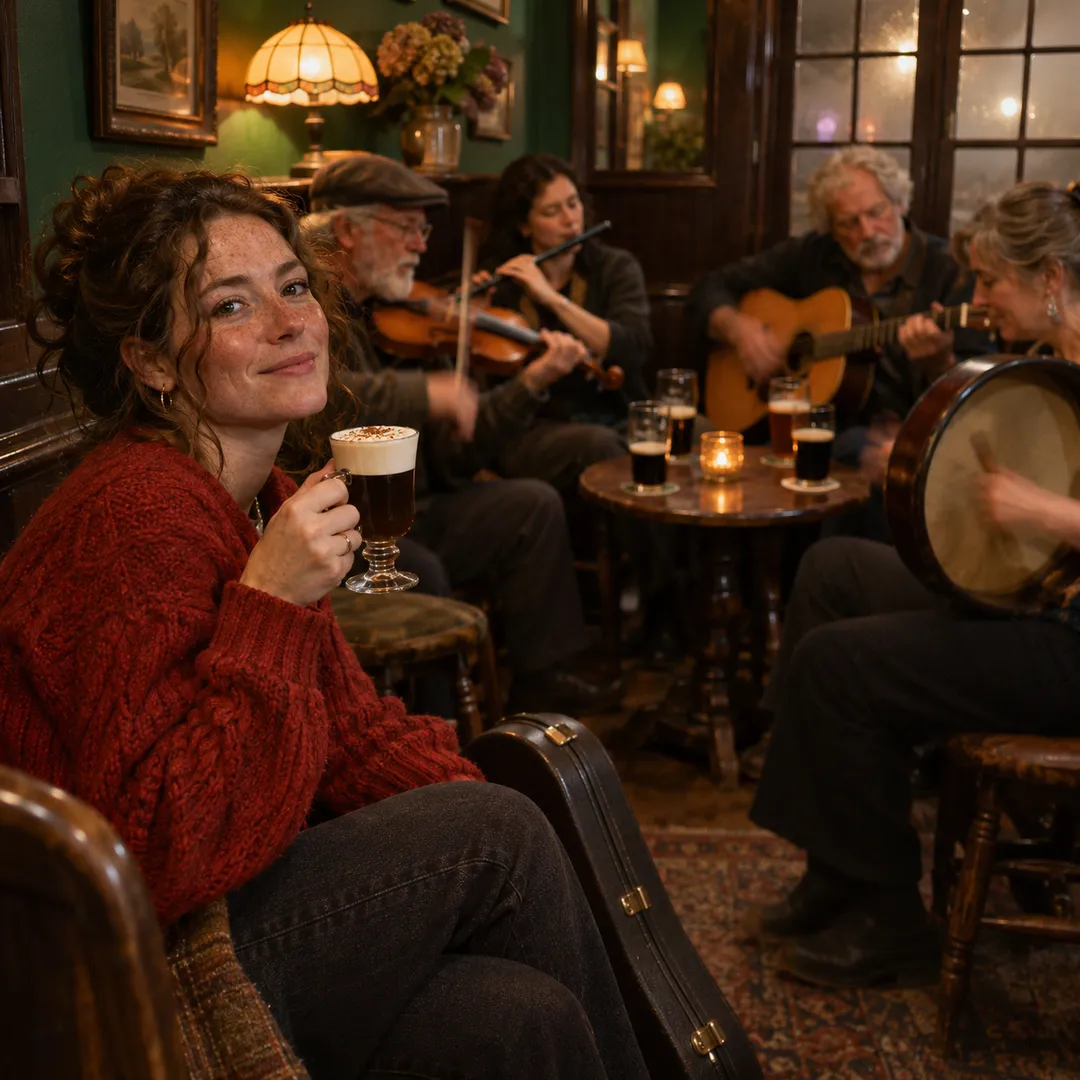
State the sound, timing and food needs in plain language, keep the tasting scale modest and carry a backup with a clear reason. The images are generated editorial illustrations rather than photographs of a specific San Francisco business. Finish with a narrow request for the calmest option that still gives the group a cider choice and an uncomplicated route. Weekday calm comes from choosing fewer conditions and protecting them. Keep the sound preference, arrival window and food need at the top of the note, then let decorative details fall away. If the first option feels too busy, switch using the criterion you wrote down rather than searching from scratch. A concise second request might ask for a conversation-friendly indoor stop with one clear cider choice and a short route. That keeps the outing thoughtful without making quietness sound like a guarantee no source can provide. A calm shortlist should make its tradeoffs legible, especially when a smaller tasting better fits conversation. The next search can preserve the quiet requirement while changing only the neighborhood or departure time. That level of specificity prevents a seasonal description from promising a peaceful room. For a quiet weekday, put sound tolerance, arrival window and food need ahead of decorative autumn language. Archive the noise level that worked, the arrival compromise and the alternate worth trying. Quiet is easier to describe through behavior than adjectives. Say whether the group wants a low-volume conversation, a quick tasting or a longer meal with pauses between pours. Include the arrival window and the sound that would end the visit early. Then ask for one modest option and one fallback with the same food requirement. After the outing, keep the phrase that produced the calmest result. Future searches can reuse that phrase while changing the weekday, neighborhood or drink direction without carrying over an unsuitable atmosphere claim.
Ask Karpo for more information.
Keep reading
- Inner Sunset Irish Coffee Bar Night Picker for New Parents
 Mission Irish Coffee Bar Night Picker for a Sober Friend
 Richmond District Irish Coffee Bar Night Picker for Fiddlers