 Inner Sunset Irish Coffee Bar Night Picker for New Parents
Bars & Nights Out
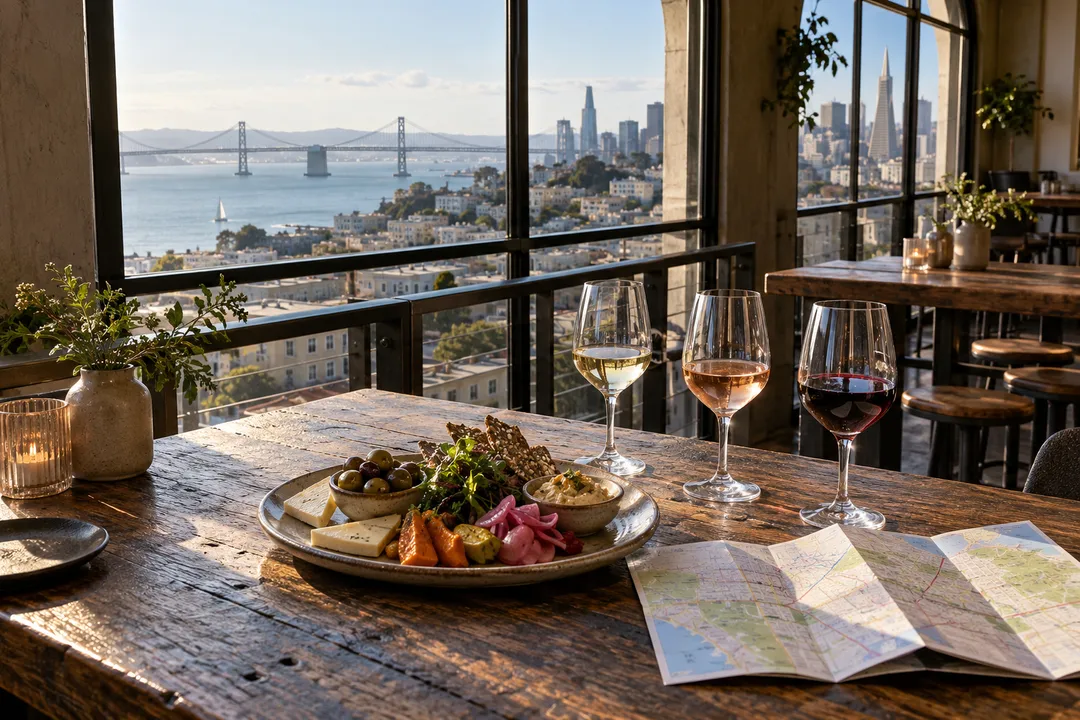
San Francisco Autumn Cider House: Pair A Vegetarian Evening
Build a vegetarian cider evening by asking Karpo to compare food support, flavor balance, travel time and a comfortable stop for the whole group.
For a vegetarian autumn cider house evening, the food question should arrive before the seasonal mood board. A cider that sounds exciting can still make a poor plan if the only substantial option is unclear or the group must cross the city again to eat. Use the Karpo APP to state dietary needs, the flavor direction you want and the distance everyone can handle. Ask it to distinguish published menu evidence from assumptions so the resulting shortlist remains useful even when no single venue solves everything.
Lead with what the table must eat
Say whether you need a full dinner, small plates or a snack alongside the tasting. Add vegetarian or vegan requirements in plain language and note allergies separately. The assistant can then compare food fit with the cider angle instead of treating a cheese board photograph as proof of a complete menu. If dinner and drinks may need separate stops, ask for that plan openly and keep the distance realistic.
Vegetarian food can push a cider plan in several directions. You might want a bright drink with roasted vegetables, a tannic option beside mushrooms or a softer pour for a spicy dish. Use those as preferences, not claims about a venue’s menu. Ask the app to identify where the pairing is supported by a listed item and where it is simply a planning hypothesis you should test yourself.
Describe the flavor pairing without overpromising
One option may offer the clearest food evidence, while another may have a more focused cider identity and require a short follow-on meal. Neither wins automatically. Tell the app how much moving the group can tolerate and whether the meal or the drink is the anchor. A two-stop plan should include a practical transition, with enough time that the second reservation or order does not feel like a race.
Copy exact menu names into the conversation and ask what they mean. A “cider glaze” is not the same as a cider pour, and an apple spritz is not evidence of a cider program. If ingredients or preparation are not stated, leave them out of the comparison. This protects the vegetarian guest from a confident but unsupported promise and keeps the shortlist tied to what a source actually says.
Compare one-stop and two-stop evenings
One guest may eat dairy, another may avoid it, and a third may want a simple plate rather than a curated pairing. Include those differences in your request. The app can help find an option where the group has choices, but it cannot guarantee a kitchen’s cross-contact policy. Keep the final question specific and use the business’s own ordering or allergy information when it is available.
A tasting can be enjoyable at a narrow counter, while a shared meal may need a table and enough time to talk. Say whether your group needs a quiet corner, flexible seating or an easy exit. Those preferences help distinguish a quick pour from a dinner-friendly destination. If the information does not mention seating, keep the claim at the level of a preference rather than inventing a layout.
Read menus with a skeptical eye
A nearby bakery, market or public space can make a short gap between food and cider feel intentional. Ask for one optional neighborhood idea after the core plan is set. A long list of attractions adds noise. If the weather shifts or the group is hungry, remove the walk and preserve the meal. Planning for that choice keeps the evening centered on the guests rather than on an itinerary.
If vegan food, a substantial dinner or a short route is non-negotiable, make that the backup criterion. The alternate should solve the same pressure in a different way, even if its cider selection is less ambitious. Ask for the tradeoff in one sentence. This is more honest than calling every option equally suitable when the group’s dietary requirement clearly ranks first.
Make room for mixed diets
A recommendation is stronger when it names the menu source, explains why the drink style matches and flags what is unknown. Request that structure directly. If there is no published price, flight size or dietary detail, the assistant should leave that field blank. You can then decide whether the missing fact is acceptable or whether the plan needs a different stop.
Vegetarian table contingency note: decide what the group will do if the first option is too crowded, too far, too warm or missing the flavor detail that mattered. Vegetarian table Name one alternate and the exact reason it exists. Vegetarian table Keep that fallback short enough to use while everyone is already traveling, and leave the final service question for the venue’s own information.
Practical Notes
Vegetarian table decision worksheet: write the main preference, the acceptable compromise and the one unanswered detail that belongs to the venue. Vegetarian table Keep a second line for the companion who has a different pace, appetite or way home. Vegetarian table A short record is easier to use than a list of twelve names, and it gives the next request a clear starting point.
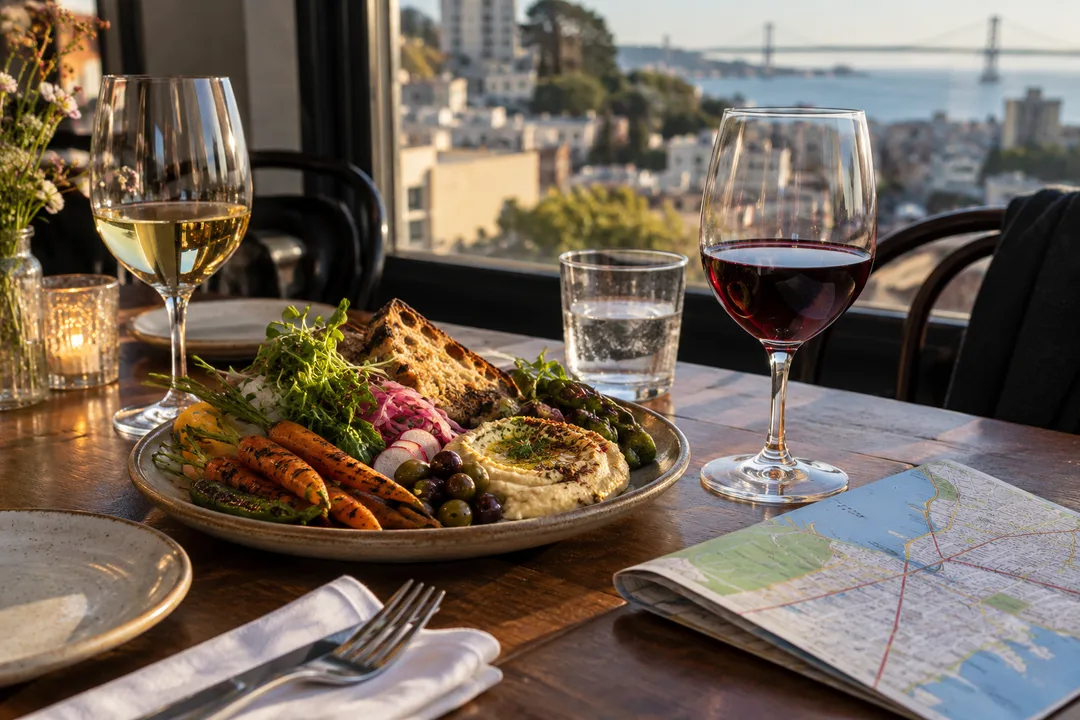
Use the app to compare food evidence and route shape, then read the venue’s own menu and allergy guidance before ordering. The images on this page are generated illustrations of vegetarian tasting moments, not a restaurant’s actual dishes. Finish by asking Karpo to choose the least complicated plan that gives every diner something real to eat and a cider choice worth discussing. A vegetarian group should leave with a clear food question, not a hopeful interpretation of a photograph. Save the dish wording, the cider style that seems compatible and the fallback that gives the strictest diner a real choice. If the first answer cannot support the table, ask for a plan that puts dinner first and treats the pour as a bonus. That is a better refinement than adding more seasonal venues. The page is useful when it helps the group decide what evidence is enough for an enjoyable meal and what still belongs in a direct venue conversation. The best comparison makes food evidence visible before it romanticizes the room or the season. A good follow-up can change distance or timing without discarding the group's need for a satisfying plate. Specific dietary wording protects the plan from turning an autumn label into an unsupported menu claim. A vegetarian outing deserves a first line about the meal, the allergy question and the desired cider texture. Keep a note of the dish language that worked, the route that felt simple and the detail still missing. Make the table test concrete: name the ingredient that cannot appear, the food texture that would satisfy the hungriest diner and the cider profile that sounds inviting. A source can support one part of that brief while leaving another open. Keep those facts in separate lines so a beautiful photograph does not become a menu assumption. Ask for a backup that treats dinner as the anchor and tasting as an addition. The group can then compare two realistic plans, choose the one with fewer unknowns and still leave room for a shared conversation about flavor.
Ask Karpo for more information.
Keep reading
- Inner Sunset Irish Coffee Bar Night Picker for New Parents
 Mission Irish Coffee Bar Night Picker for a Sober Friend
 Richmond District Irish Coffee Bar Night Picker for Fiddlers