 Inner Sunset Irish Coffee Bar Night Picker for New Parents
Bars & Nights Out
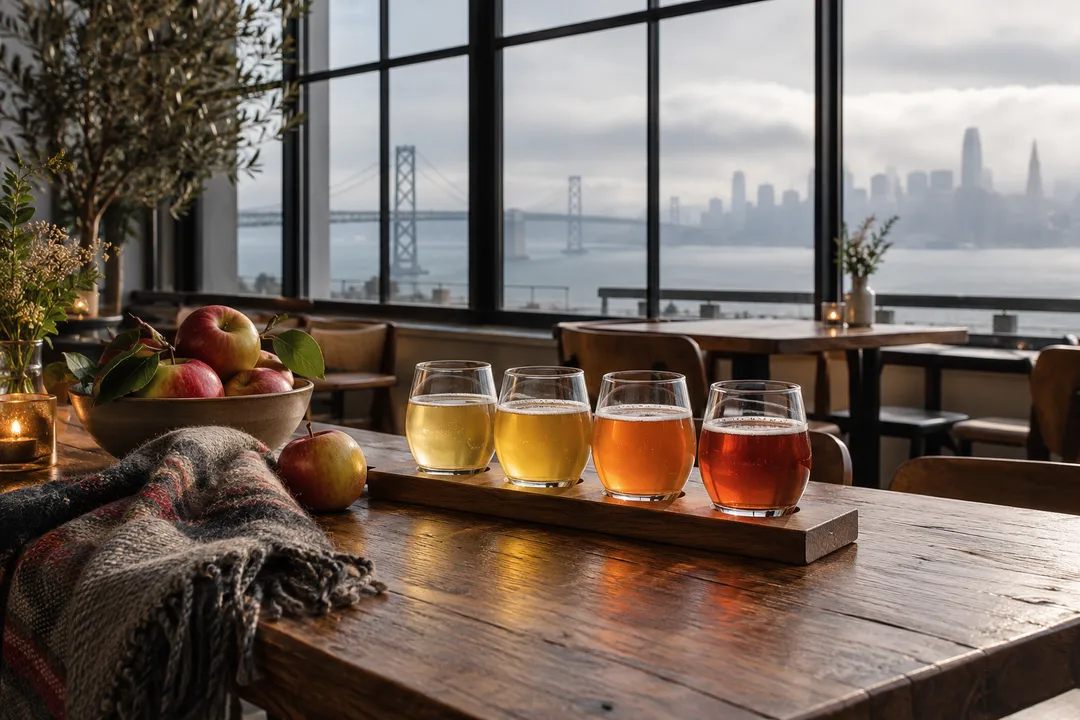
San Francisco Autumn Cider House: Build A Foggy-Day Flight
Choose cider for a cool coastal afternoon by weighing texture, travel comfort and a small tasting plan instead of chasing a seasonal label. Works well.
Cool-weather cider planning should start with texture and comfort, not a vague promise of an autumn cider house. In San Francisco, a foggy afternoon can make a bright, tart pour feel completely different from the same drink on a warm patio. Use the Karpo APP to describe your starting neighborhood, the kind of acidity you like and how long you want to stay. The result should be a short set of options with reasons you can actually compare, rather than a list of decorative fall ideas.
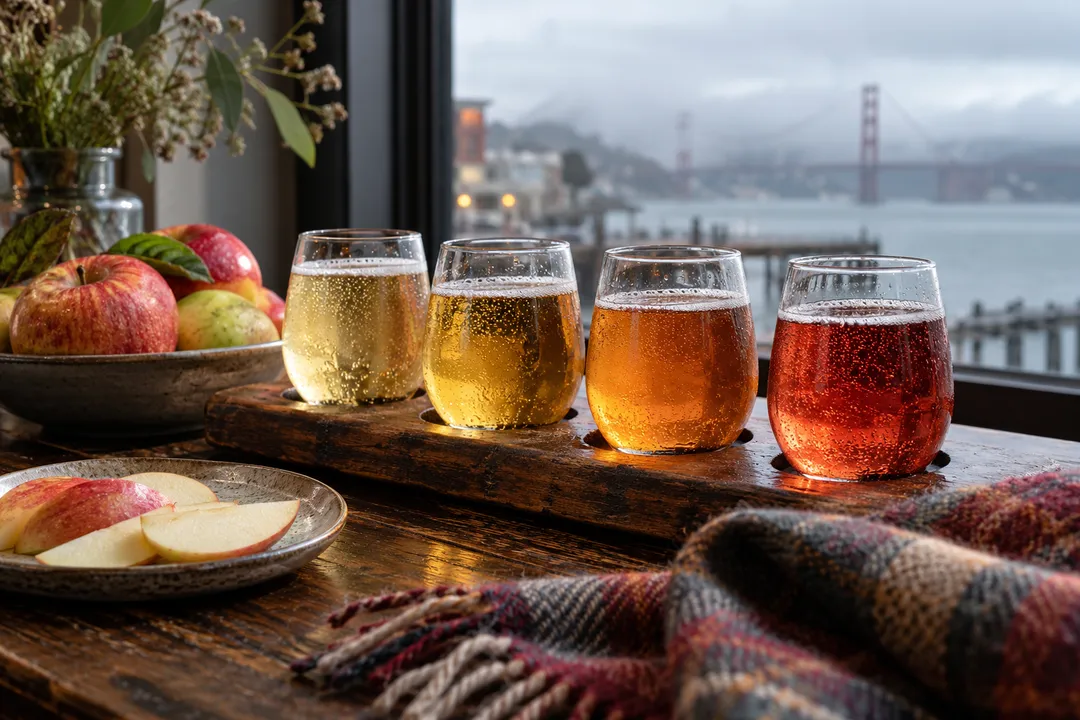
Choose a flavor brief that survives the fog
Dry does not have to mean severe. Tell the app whether you want a lean, mineral drink, a tart apple profile or something with a little roundness from the fruit. Mention what you already enjoy, such as a crisp lager or a white wine with high acidity. That language gives a recommendation room to distinguish a sharp pour from a dry drink that still feels textured. It also keeps “autumn” from becoming shorthand for cinnamon syrup or a sweet dessert cocktail.
A coastal outing has practical friction: wind, a damp walk, a steep block or a long transfer can change the mood. Put those constraints into the request. You might want an indoor stop within a short walk of transit, seating that works for a sweater and a companion who does not want a full crawl, or a route that ends near dinner. The assistant can compare those priorities when you state them, while you retain the final say about what feels manageable that day.
Set comfort rules before picking a neighborhood
A useful answer should show why each suggestion made the cut. Ask for the flavor fit, the neighborhood logic and the evidence that a cider focused experience is actually described. If a result is merely a general bar with one apple drink, label it that way. A dedicated tasting destination and a broad drinks room may both work, but they solve different evenings. The clearest shortlist makes that difference visible instead of hiding it under a seasonal adjective.
When a real menu is available, copy the exact names that confuse you into a follow-up question. Ask whether a pour is still or sparkling, fruit-forward or tannic, and whether the listed item is cider or an apple cocktail. Do not infer sweetness from a color photograph. If the menu does not state a flight, leave that field open. An honest missing detail is safer than a made-up pour count that sends you across town.
Read a shortlist as a set of tradeoffs
Some companions want to taste slowly; others need food, warmth or a clear departure time. Say which need is primary. “Two people, one curious about cider and one who wants a proper meal, indoors, leaving by nine” is more actionable than “find autumn vibes.” It lets the app sort a short outing around the group rather than forcing every person into the same tasting format.
Plan the first ten minutes so the stop feels easy. Arrive with the neighborhood and the route already understood, then ask staff the one question that matters most. If the room offers several formats, start with the smallest one the menu actually lists. A flight is useful when it clarifies your palate; a single glass is perfectly valid when the group wants conversation. The plan should make room for either choice.
Turn the menu into a fog-day decision
A short neighborhood walk can bridge the journey and the tasting without turning the outing into a hike. Use the app to compare a nearby bookstore, market or waterfront edge only after the tasting stop is chosen. In fog or rain, remove the outdoor leg and preserve the core plan. A practical itinerary is one that still works when the weather refuses to cooperate.
A suggestion is not live inventory, a held table or proof that every item is pouring tonight. Treat it as a decision aid and use the venue’s own ordering or booking path for the final step. This distinction is especially useful for seasonal cider, where a named drink may be limited. Ask the app to flag open questions, then decide whether the uncertainty matters enough to choose another option.
Give the group a reason to stop
If the first answer is too broad, add one constraint rather than asking for another giant list. Specify “indoor, within an easy transfer, dry and tart, light food, two hours.” You can also say what to drop: no loud party room, no long outdoor queue, no dessert-style drinks. A precise second question usually produces a better comparison than adding five more neighborhoods.
Coastal fog tasting contingency note: decide what the group will do if the first option is too crowded, too far, too warm or missing the flavor detail that mattered. Coastal fog tasting Name one alternate and the exact reason it exists. Coastal fog tasting Keep that fallback short enough to use while everyone is already traveling, and leave the final service question for the venue’s own information.
Practical Notes
Coastal fog tasting decision worksheet: write the main preference, the acceptable compromise and the one unanswered detail that belongs to the venue. Coastal fog tasting Keep a second line for the companion who has a different pace, appetite or way home. Coastal fog tasting A short record is easier to use than a list of twelve names, and it gives the next request a clear starting point.
Use the Karpo APP for the comparison, then use the venue’s own information for current service details. Keep the request grounded in your actual departure point and mobility needs. The generated illustrations on this page show tasting situations and are not evidence of a specific San Francisco business, menu or interior. Finish with a narrow ask: choose the option that best fits the foggy-day flavor brief and the least tiring route. Fog, damp pavement and a tart preference belong in the same notebook entry here. Keep the tasting brief, note the transfer that felt easiest and save the menu phrase that made the choice understandable. If the room is warmer or louder than expected, the plan can still succeed when the group knows which part was essential and which part was only a nice seasonal idea. The useful follow-up is specific: compare another indoor option with the same coastal flavor brief, or ask for a nearer stop with less walking. That narrow request turns an imperfect first outing into better information for the next one. Keep the coastal mood in the request, then let the shortlist explain why each option earns its place. The next recommendation can stay useful even if the fog thickens after the first glass. Calling out the weather boundary keeps an evocative season from sounding like a promise about service. A fog-day tasting works best when the first note names both acidity and the route's shelter. Save the pour that surprised you, the walk you tolerated and the question you would ask next time. Use the fog as a sensory prompt: decide whether the drink should sharpen the cold air or soften it. A departure near transit can pair with a short indoor walk, while a car trip may justify a slower comparison. Note tolerance for damp clothing, stairs and a room with little elbow room. The final question should name one flavor and one comfort limit, then ask why each suggestion fits. Save the answer beside the menu wording and revisit it after the first pour. A later outing can change the neighborhood while keeping the same acidity, body and shelter brief.
Ask Karpo for more information.
Keep reading
- Inner Sunset Irish Coffee Bar Night Picker for New Parents
 Mission Irish Coffee Bar Night Picker for a Sober Friend
 Richmond District Irish Coffee Bar Night Picker for Fiddlers