 SoMa Bowling Group Night Planner to Welcome New Hires
Sports Social

SF Archery Range: 3 Choices for a Weather-Ready Outing
Compare an SF archery range session by setting, instruction and weather terms, then choose an outdoor plan, indoor lesson or another activity that fits.
Choose the setting before choosing a session: an outdoor outing, an indoor lesson or a different activity altogether. For an SF archery range search, those are three useful decisions to bring to the Karpo APP. Give your preferred date, where you will start and whether being outdoors is part of the attraction. Ask for suggestions that fit those preferences, then use the provider's session description to establish what you would actually attend. A photograph of a covered target does not prove that the whole experience is sheltered.
Decide what you want from being outside
An outdoor setting can be the reason for the trip rather than a detail to tolerate. Perhaps you want a break from enclosed rooms and would enjoy a walk afterward. Say that directly in your request, along with your willingness to change the day. A person planning a birthday surprise may value certainty more than scenery, while someone with a free afternoon may accept a more flexible plan. Those are different briefs even when both start with the same search term.
Separate your preferences into essential and optional features. Instruction might be essential for a newcomer, while outdoor space is merely preferred. For another person, fresh air is the point and a different outdoor activity would be a better alternative than an indoor archery class. Ask Karpo for a short list that respects that ordering. Avoid accepting a convenient option that quietly removes the one feature you cared about. The resulting recommendation should make the tradeoff visible instead of burying it in enthusiasm.
Read the setting in the session description
Use the actual activity listing to identify whether the instruction and practice take place inside or outside. A business can operate in more than one location, and a general homepage need not describe the session you are considering. Share the relevant link with Karpo and ask for a summary of the setting, teaching format and supplied equipment described there. Keep a distinction between information the listing states and questions it leaves unanswered. No amount of polished itinerary text turns an ambiguous photograph into a venue policy.
For an outdoor option, the booking terms matter as much as the forecast. Read what the provider says about weather cancellation, postponement and the point at which it communicates a decision. Do not assume that a cloudy day triggers a refund, or that rain automatically means the activity is cancelled. If the listing does not explain its policy, send a focused question before purchasing. Asking about a missing contractual term is different from filling your plan with speculative assurances about what the operator will probably do.
There are two separate decisions here: whether the operator offers the session and whether you personally want to attend in the expected conditions. One does not settle the other. You might decide that an available outdoor class is a poor fit for a companion who dislikes damp weather. Put that comfort preference into the planning conversation without presenting it as a safety assessment. Leave decisions about operating the range and supervising the activity to the venue and its instructors.
Compare an indoor alternative on its own merits
An indoor lesson should earn its place through the experience it offers, not simply through having a roof. Compare the published amount of instruction, how first-timers join, the equipment arrangement and the exact booking product. A practice booking intended for experienced archers is not interchangeable with a taught introduction. If your only acceptable indoor option lacks the instruction you need, changing the activity is a reasonable outcome. You do not have to preserve archery at the expense of choosing a suitable session.
Send two links when you have a promising outdoor offer and an indoor alternative. Ask for the differences that would affect your decision, using the descriptions rather than imaginary features. A helpful comparison could distinguish a coached group lesson from independent practice, or supplied gear from equipment you must bring. Missing details can become a short message to the provider. Keep the original offer links attached to your own notes so that you can return to the source when making the purchase.
Give the day a decision point
Choose a point in your own planning process when you will commit to one option. That might be before buying a non-refundable ticket or before a companion starts travelling. This is your organizing rule, not a prediction about when a venue will release places. Explain the rule to everyone joining you. It prevents an unresolved outdoor plan from consuming the whole day while each person assumes someone else has made the decision. A clear choice is often more useful than keeping every possible activity alive.
Keep any alternative unbooked unless you understand and accept the cost of holding both. A suggestion in a conversation is not a reserved space, and an appealing listing does not establish availability for your date. Once you choose, open the provider's purchase page and select the relevant session. Save the resulting confirmation and its participation instructions. If you do not buy anything, describe the outing to your companion as an idea under consideration rather than a settled appointment.
Build a walk that survives the activity choice
After selecting the activity, ask for a nearby walk with an easy stopping point and somewhere to sit afterward. Give the actual session location as the anchor instead of requesting a citywide sightseeing circuit. If you choose an indoor lesson because comfort and predictability matter, an ambitious outdoor detour may undo that decision. A short optional walk lets the afternoon remain flexible. You can request a quieter route or a coffee stop without attaching an unsupported claim about any particular business.
Avoid buying several timed experiences around the lesson before its start and finish are established. Transport, arrival procedures and a leisurely conversation afterward all occupy part of the day. Ask for a simple order of events, then decide which optional stop you would drop first if you run short of time. This gives the itinerary a useful hierarchy. The activity you paid for stays central, while the surrounding plans remain pleasant additions rather than another set of deadlines.
Practical Notes for the three-way choice
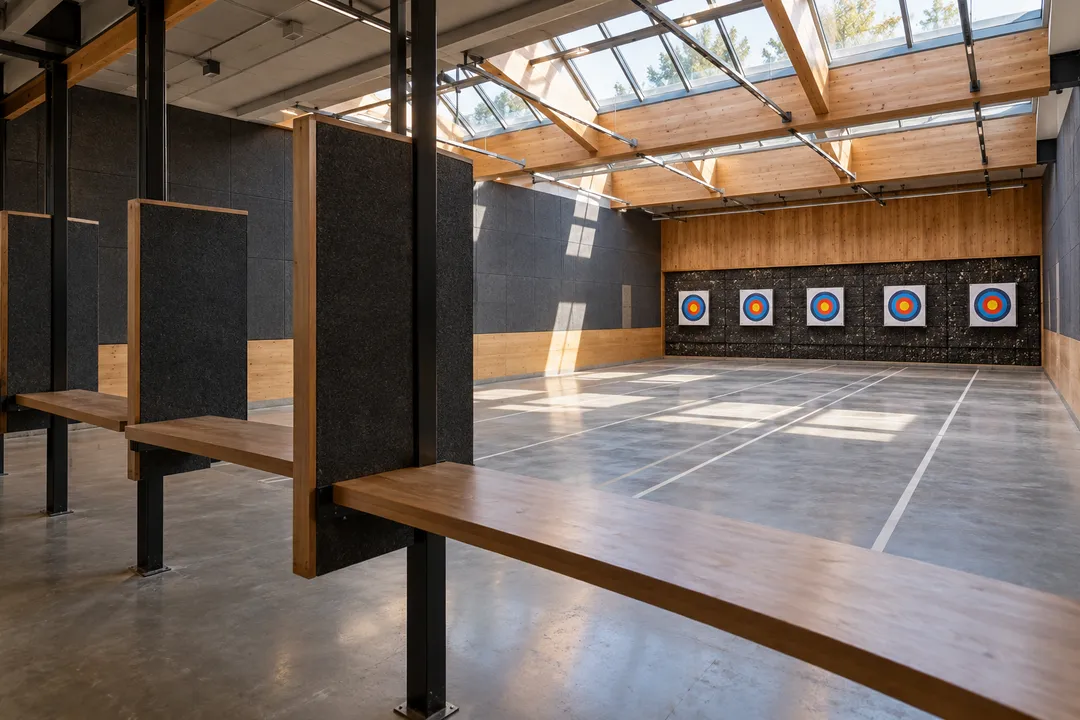
A useful request reads: I want an SF archery outing on my chosen date, preferably outdoors, with instruction and borrowed equipment. Add your starting neighborhood, companions and how willing you are to move the activity to another day. Ask for an indoor alternative only if you would enjoy it. This brief gives Karpo preferences to work with while keeping the provider responsible for its lesson offer. The photographs on this page are generated scene illustrations, not evidence of a particular range or facility.
Your final result can be an outdoor booking, an indoor booking or a decision to do something else. All three are successful planning outcomes when they match the people involved. Save the selected listing, the terms you relied on and the provider's confirmation together. Follow its arrival instructions and leave technical instruction to its staff. The point of the comparison is to choose an outing you want to attend, with a purchase you understand, rather than force a weather-sensitive idea into every available afternoon.
Ask Karpo for more information.
Keep reading
- SoMa Bowling Group Night Planner to Welcome New Hires
 Lower Haight Bowling Group Night Planner for Kitchen Crews
 Bernal Heights Bowling Group Night Planner for Parents Out