 SoMa Bowling Group Night Planner to Welcome New Hires
Sports Social
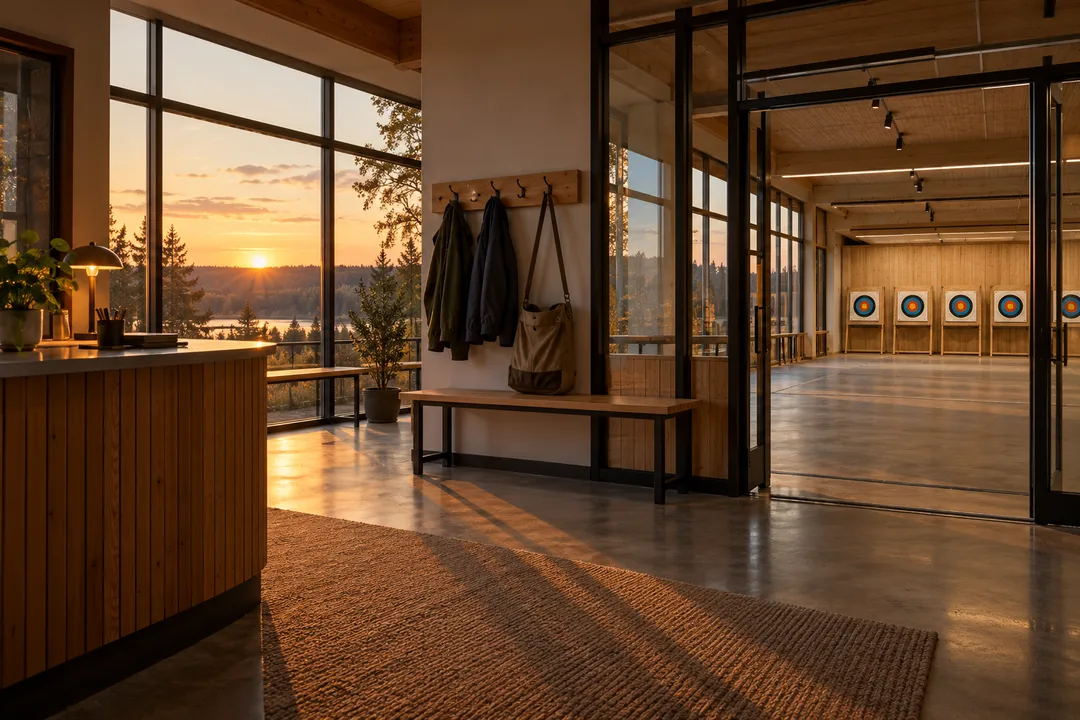
SF Archery Range: 3 Time Limits for After-Work Plans
Fit an SF archery range visit around your workday by comparing departure, arrival and return constraints before selecting a session and buying a ticket.
Plan an after-work SF archery range visit from three limits: when you can leave, when the session requires you to arrive and when you need to be home. A class start time alone cannot tell you whether the evening fits. Put those limits into a Karpo APP request along with your experience and need for equipment. Ask for activity suggestions that respect the whole window. This page offers a scheduling method, without claiming that a named range runs evening classes or has a place available tonight.
Your departure time is a commitment to yourself
Start with the earliest time you can realistically stop working, including the small tasks between ending a meeting and leaving the building. If you need to collect a bag from home, that belongs in the journey too. A plan based on an optimistic calendar gap can feel frustrating before the activity begins. Give Karpo the place you expect to depart from and the amount of flexibility you have, rather than simply saying that you are free after work.
Decide how you want to handle a late finish at the office. You might choose another day, favour a later session or abandon the evening activity if the workday runs over. That is a personal planning rule, not an assumed venue cancellation policy. Read the offer's terms before paying for a booking you might miss. Do not expect a provider to refund a ticket because a meeting changed, unless its own terms actually give you that option.
For a colleague joining you, compare departure constraints before searching for a shared session. One person leaving an office and another leaving home may not benefit from the same meeting point. Ask for an option that is workable for both rather than splitting the difference on a map. You can agree to meet at the activity location if that simplifies the evening, provided you each understand the provider's arrival instructions. Togetherness does not require making the journey unnecessarily complicated.
Arrival happens before the activity starts
The second limit comes from the selected offer. Read the booking page for any arrival instruction and include it in your schedule exactly as stated. Do not treat the advertised start as the moment you can reach the neighborhood and begin looking for an entrance. If the provider has not explained arrival, make that a focused question before you purchase. The answer should come from the operator, not from an invented standard applied to every sports venue.
Separate a lesson from casual practice when comparing the available products. A first-time participant needs an offer suited to learning, while an independent practice booking can describe a different use of the range. An appealing time slot is not a reason to buy the wrong activity. Tell Karpo if instruction and borrowed equipment are essential, and ask for suggestions that keep those requirements visible. If nothing suitable fits the evening, choose a different activity or a different day.
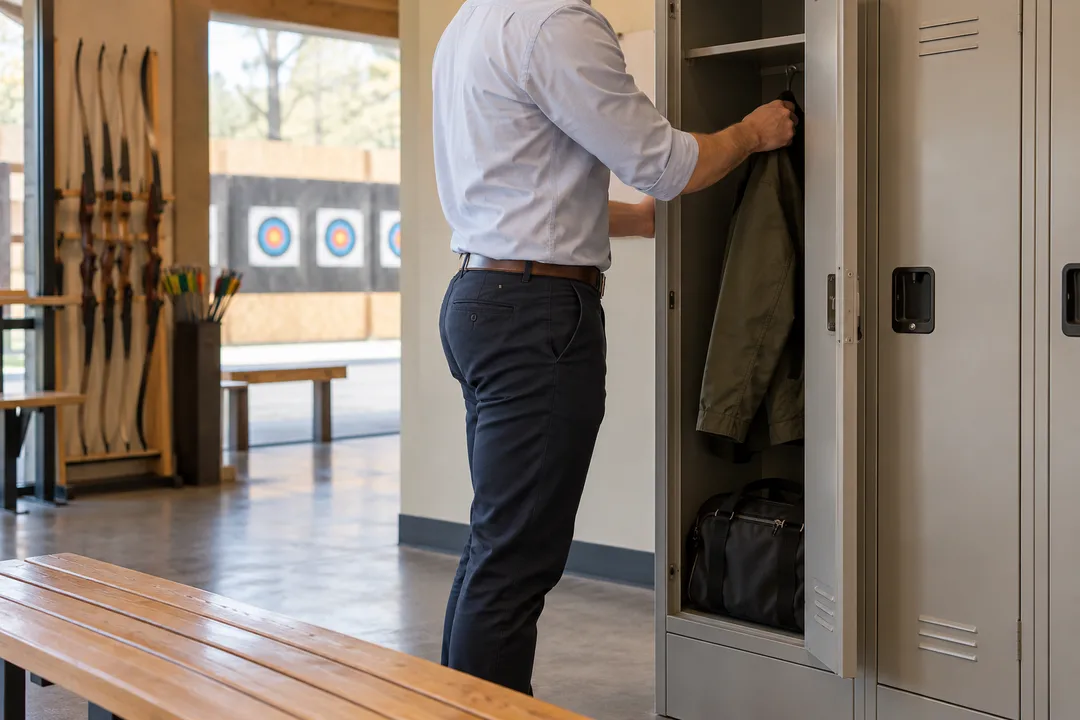
Think about the transition from office clothes and possessions to the session. Look for the provider's participation instructions, including anything it says about clothing, storage and equipment. A photograph of lockers does not establish what you can leave there, and a room that appears informal does not settle its rules. Avoid bringing more belongings than you want to manage. This is practical preparation, not technical coaching, and it leaves the venue responsible for explaining how participants prepare for its class.
The trip home belongs in the first draft
Choose your home deadline before adding a meal or another stop. Some people want an active break and an early night, while others want a social evening with the lesson at its centre. Put your actual preference into the request rather than accepting an itinerary designed for someone with unlimited time. Ask Karpo to keep the return journey in view when suggesting activities. An attractive class can still be the wrong choice if it leaves you with an evening you do not want.
Use the session duration published for the actual product when working backward from that deadline. Keep any provider arrival requirement separate so the activity does not appear shorter than it is. If the offer does not state its duration, ask rather than infer it from the word lesson. Transport information should come from the relevant journey service for the trip you intend to make. A planning suggestion is not a promise about the traffic, the next departure or the exact moment you will reach home.
When two offers fit, compare the amount of uncertainty each leaves around your fixed commitments. One might require an extra transfer or a detour to collect equipment, while the other gives a simpler sequence of events. You do not have to choose the most ambitious option to make the evening worthwhile. Ask for the advantages and compromises in plain language. A quieter, shorter outing you can enjoy is often preferable to a tightly packed plan that leaves you watching the clock.
Keep dinner from becoming a second deadline
Choose whether food is a need before the activity or a social option afterward. If you need to eat before travelling, include that time before searching for a session. If the meal is optional, ask for a nearby suggestion once the activity is selected. Avoid reserving dinner on the other side of the city simply because it appeared in an early shortlist. Keeping the extra stop close to the main activity makes it easier to drop without dismantling the whole evening.
You can also plan a brief walk as the transition from work to leisure, but let it remain optional. Someone arriving directly from a demanding day may prefer to sit afterward, while a companion may want to stretch the evening into a longer outing. Tell Karpo which part matters to each person. The request can ask for a simple local sequence without promising that every business along the way is open or that an unbooked restaurant has a table waiting.
Make one purchase after resolving the window
A useful final comparison shows the selected product, its stated duration and inclusions, the arrival instruction and your own departure and return constraints. Ask for a summary from the source links you share, then return to the provider's purchase page to choose the actual date and session. Recommendations do not hold places while you decide. Save the order confirmation and terms together, and send your companion the confirmed booking rather than the broad search you started with.
If the chosen session disappears before you purchase, rebuild the time window around another suitable offer instead of assuming an adjacent slot is equivalent. Different products can have different requirements, even at the same business. Likewise, if your departure limit changes significantly, a different day may be the cleanest answer. The purpose of the plan is to protect an enjoyable break after work. It does not obligate you to squeeze an activity into an evening that has stopped being workable.
Practical Notes for a bounded evening
Try this starting message: I want an SF archery lesson after work, leaving from my actual neighborhood at this time and returning home by this deadline. Add whether you are new, whether equipment must be supplied and whether anyone will join you. Compare departure, provider arrival and the complete trip home before buying. Leave technical guidance to the instructor at the session. The images here are newly generated scene illustrations of an evening sports outing and do not depict a particular operating venue.
Ask Karpo for more information.
Keep reading
- SoMa Bowling Group Night Planner to Welcome New Hires
 Lower Haight Bowling Group Night Planner for Kitchen Crews
 Bernal Heights Bowling Group Night Planner for Parents Out