 SoMa Bowling Group Night Planner to Welcome New Hires
Sports Social
SF Archery Range: 5 Access Questions for Your Visit
Plan an SF archery range visit around your access needs by organizing specific venue questions and choosing a session from the provider’s own answers.
Describe the access you need in concrete terms before choosing an SF archery range session. Five topics make a useful provider conversation: the arrival route, movement through the building, the practice space, communication during instruction and the role of a companion. Ask the Karpo APP to help organize suitable activity suggestions around your preferences, then take venue-specific questions to the operator. This page does not certify a facility as accessible or promise that a provider can make a particular adjustment. It helps you reach a decision using the answers that matter to you.
Describe the visit without disclosing a medical history
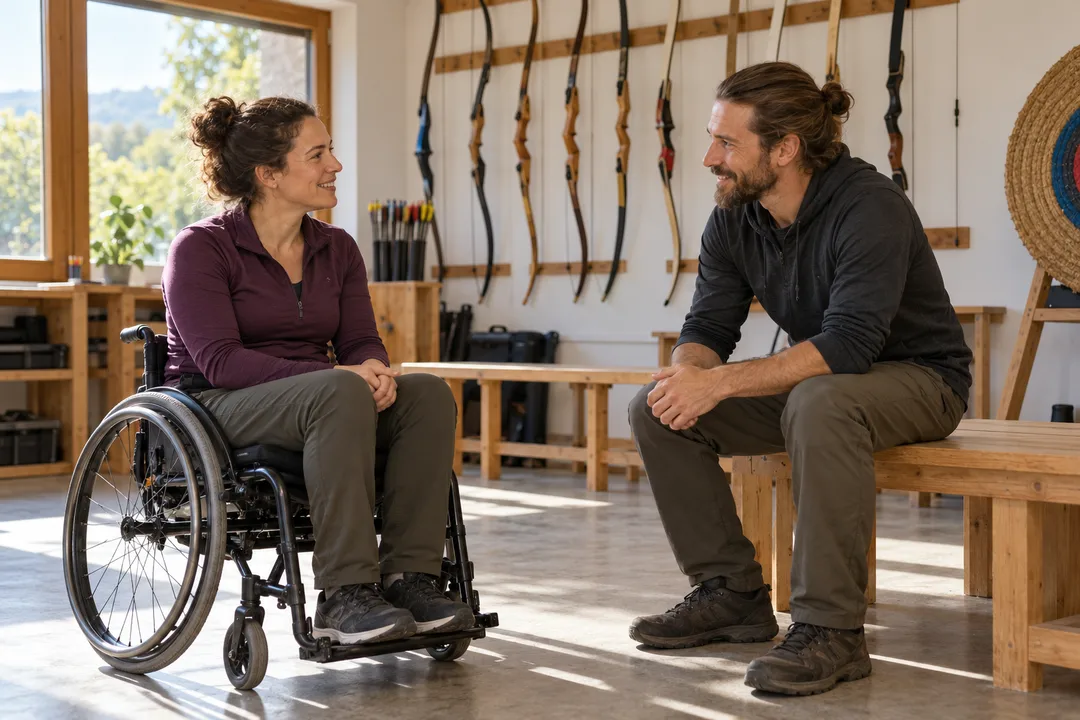
Begin with the practical task you need to accomplish. You might need a step-free entrance, space for a mobility device, spoken instructions supplemented in another way or a quieter teaching format. You can state those needs without providing a diagnosis or personal medical records in a general activity search. If you are planning for someone else, ask which details they want included and let them define the priorities. A broad accessible label is less helpful than a short description of what would make the visit workable.
Keep essential requirements separate from preferences. For example, a level arrival route could be essential while a smaller class is a preference. Ask Karpo to help structure that list before comparing offers. The purpose is to make your own decision criteria clearer, not to generate a compliance judgment about a business. Avoid assuming that a venue meeting one requirement will meet every other one. Access is a sequence of tasks across the visit, and a single welcoming photograph does not describe that sequence.
Ask about the route from arrival to reception
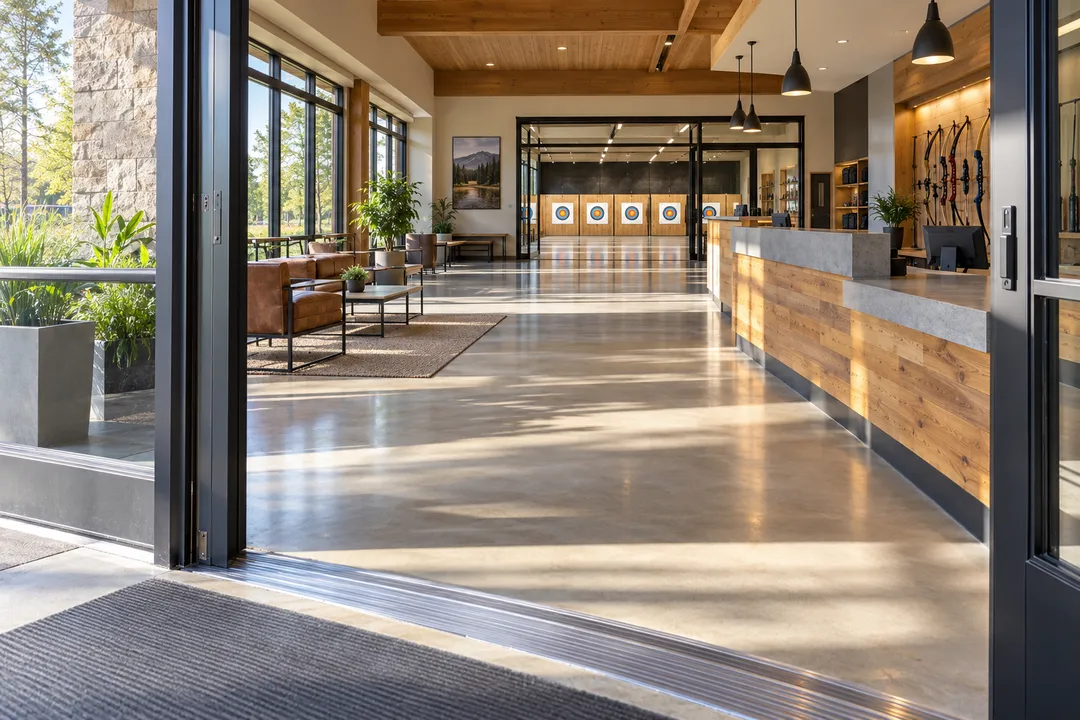
The first topic is how you reach the actual session entrance. A street address may identify a property without telling you which doorway serves the activity. Ask the provider to describe the entrance you should use and any steps, thresholds or other features relevant to your needs. If you expect to arrive by a vehicle, ask where it can stop in relation to that entrance. Keep the question focused on the route you would use rather than asking for a general assurance that everything is easy.
The second topic continues inside. Ask how participants move from reception to the teaching area and any other space you need to use. A step-free main door does not establish the route to another floor, the width of a passage or the availability of a suitable restroom. Request factual descriptions for the specific parts of the visit that matter to you. Where a measurement is important, ask the venue for it rather than estimating from a picture or having a planning tool invent a dimension.
Treat a detailed answer as information about that arrangement, not as a guarantee for every possible session. A provider could teach in more than one room or location, so include the class link and proposed date in your message. If the answer applies only to a particular space, keep that qualification in your notes. This makes it easier to match the purchase to the conversation later. It also reduces the chance that you and the provider are discussing two different products with the same general name.
Discuss the activity space with the people teaching
The third topic is the practice area and the way you would participate. Describe your needs and ask the instructor or provider whether the selected class can accommodate them. Do not choose equipment specifications or adaptations based on a generic article. The people running the session need to explain what they can provide and what participation involves. A planning assistant can help you formulate the question, but it cannot assess the suitability of a setup it has not inspected or replace the instructor's judgment.
If the provider suggests another lesson format, ask what changes in that offer: instruction, group size, equipment, duration and the purchase terms. A private lesson is one possible product, not an automatic requirement for someone with access needs. Equally, a standard group class should not be assumed suitable merely because it is bookable. Choose from the information you receive and your own preferences. If none of the described arrangements works for you, looking for another activity is a reasonable decision rather than a planning failure.
Make communication a separate question
The fourth topic concerns how instruction is delivered. You may want to know whether demonstrations are visible from where you would be positioned, how spoken directions are supported or whether the instructor can discuss a communication need before the session. State the practical issue clearly and ask what arrangement the provider can offer. Avoid letting a generic promise of friendly staff stand in for that answer. A pleasant tone and a workable teaching method are different aspects of choosing an experience.
You can ask for a written recap of the practical arrangements so you have one reference when preparing for the visit. That is a request to the provider, not a claim that every business offers written accommodations or a special service. Save the actual response with the relevant session link. If a companion is helping with correspondence, include the participant's preferences and permission. The participant should remain central to the conversation instead of having someone else infer what kind of support they want.
Clarify how a companion joins
The fifth topic is the role of any companion. Explain whether that person intends to participate, assist with the visit or wait nearby. Ask what ticket or attendance arrangement applies to that role. Do not assume that a companion enters free, joins the teaching area or can remain throughout the session. Those are provider-specific conditions that this page does not assert. A clear answer allows you to plan transport, payment and the rest of the outing around the people who will actually attend.
Discuss the surrounding plan together as well. A companion may be travelling from a different starting point or have a separate home deadline. Give those constraints to Karpo when asking for a workable outing. Once the activity location is established, request an optional nearby stop that respects the same access priorities. Avoid adding a picturesque detour with unknown physical requirements just to make the itinerary longer. A simple visit with a comfortable place to pause can serve the day better than a crowded sightseeing route.
Turn the answers into a decision
A useful message to the provider identifies the session and explains your essential requirements under the five topics. Ask the unanswered questions once, in plain language, rather than sending a long medical narrative or requesting an unqualified guarantee. Review the response for whether it addresses the route, space, instruction and people involved. If something essential remains unclear, leave the purchase undecided while you seek that specific answer. Do not replace an unanswered question with confidence drawn from an unrelated review.
When you choose an offer, complete the transaction through the provider and keep the booking confirmation alongside the correspondence you relied on. A recommendation in Karpo is a planning suggestion, not an access certification or a reserved place. Use the selected session's participation instructions and the arrangements actually agreed with the operator. If another date or product is substituted, establish whether those arrangements apply to it too. That preserves the connection between the answers you received and the visit you are buying.
Practical Notes for a clearer request
Start with: Help me organize an SF archery outing around these access requirements, my preferred date and this starting neighborhood. Include only information you want to share, and ask Karpo to help summarize relevant offers or draft concise provider questions. Use the operator's answers to make your choice, with the participant directing the decision. The images on this page are generated illustrations of inclusive sports settings. They do not show a particular facility, certify physical access or establish that a named range provides the arrangements discussed here.
Ask Karpo for more information.
Keep reading
- SoMa Bowling Group Night Planner to Welcome New Hires
 Lower Haight Bowling Group Night Planner for Kitchen Crews
 Bernal Heights Bowling Group Night Planner for Parents Out