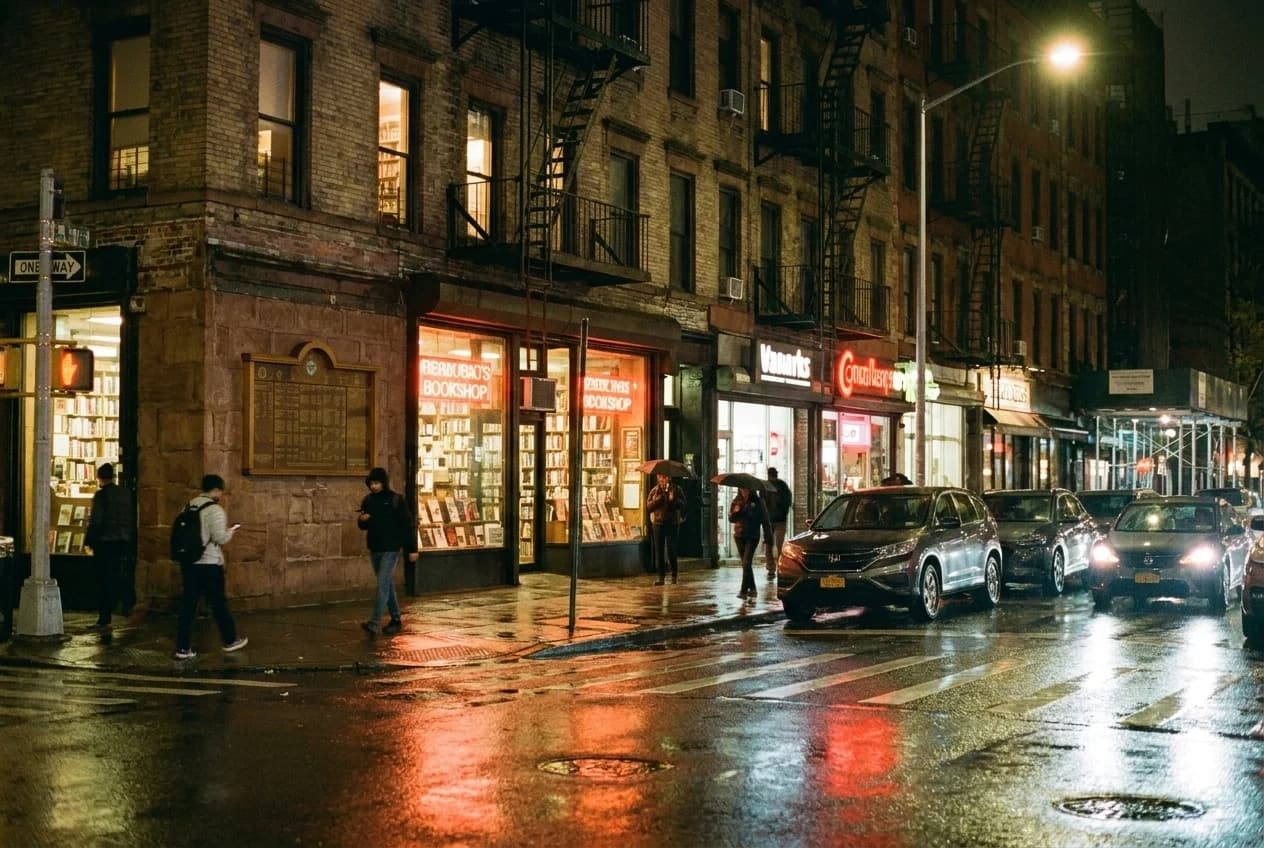
A severe thunderstorm watch is not a guarantee that every block in New York City will see dangerous weather, but it is the point when plans should get more flexible. The National Weather Service uses a watch to flag that conditions are favorable for severe storms in or near the watch area; a warning means severe weather is occurring or imminent and people in the warned area should take shelter. On Wednesday, July 22, 2026, New Yorkers should rely on NWS New York, NYC Emergency Management, Notify NYC, and MTA service alerts for the latest local updates rather than assuming conditions are the same across all five boroughs.
Text Karpo if you need a quick borough-by-borough read on storm timing, transit alternatives, or whether an outdoor plan should move indoors. Ask Karpo to turn the latest official alerts into a simple go/no-go plan before you leave.
What a Severe Thunderstorm Watch Means in NYC
The key word is “possible.” A severe thunderstorm watch means the ingredients are present for storms capable of producing damaging wind, large hail, dangerous lightning, and sometimes a brief tornado. It is different from a severe thunderstorm warning, which is issued for a smaller area when radar or storm reports indicate a severe storm is happening or about to happen. In a dense city, that difference matters: a watch is when you secure the balcony, charge the phone, move the picnic, and identify shelter; a warning is when you stop waiting and get inside.
Check the Official Forecast Before You Head Out
For New York City, the most useful first stop is the NWS New York forecast page at weather.gov/nyc or the point forecast for your borough. Early on July 22, the Central Park point forecast showed mostly cloudy conditions, a temperature in the 70s, and only a slight chance of showers later Wednesday, after the city had monitored heavier rain and storms Tuesday into early Wednesday. Forecasts can change quickly during summer storm setups, so the practical move is to check again before leaving for a park, beach, rooftop, outdoor concert, ferry ride, or long cross-borough commute.
Adjust Outdoor Plans Before the Sky Looks Dangerous
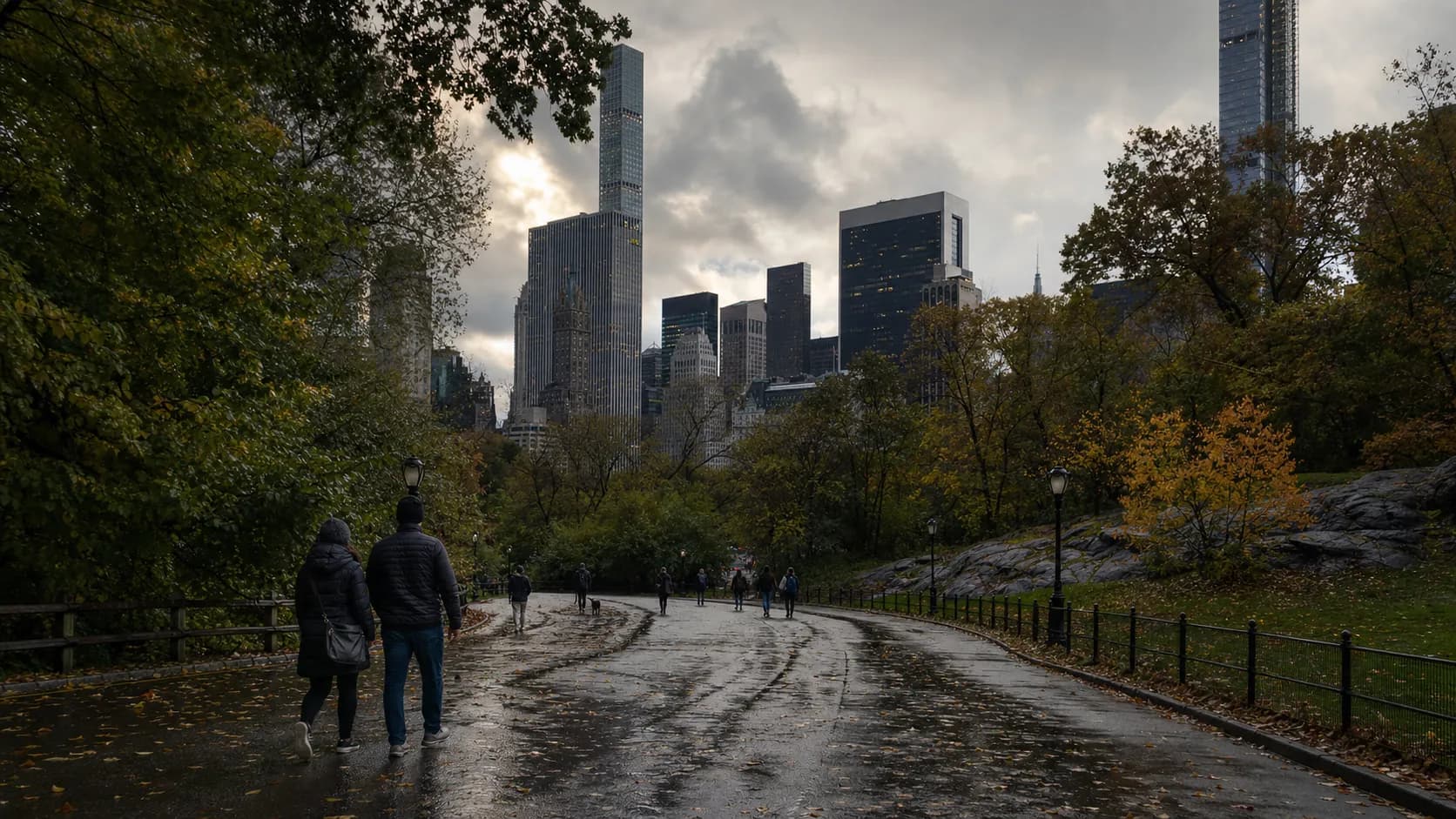
NYC Emergency Management’s thunderstorm guidance is direct: if you hear thunder, go indoors. That advice applies even when rain has not arrived at your exact location. Beaches, athletic fields, open plazas, rooftops, boat decks, piers, scaffolding areas, and tree-lined park paths all become worse places to wait out a storm. If you are responsible for a group outing, pick a sturdy indoor fallback before the watch turns into a warning. Do not count on a small shed, a tent, an umbrella, or a leafy tree canopy as storm protection.
Outdoor dining setups, sidewalk merchandise, planters, trash cans, patio umbrellas, folding signs, and roof items should be brought inside or tied down before winds rise. NYCEM specifically urges New Yorkers to secure loose outdoor objects because thunderstorm gusts can turn ordinary items into hazards. If you are hosting people in a backyard, on a stoop, or on a roof deck, move guests away from railings, glass doors, trees, and temporary structures. The safer plan may be inconvenient, but it is easier to move early than during a sudden downpour or warning.
Transit, Roads, and the Evening Commute
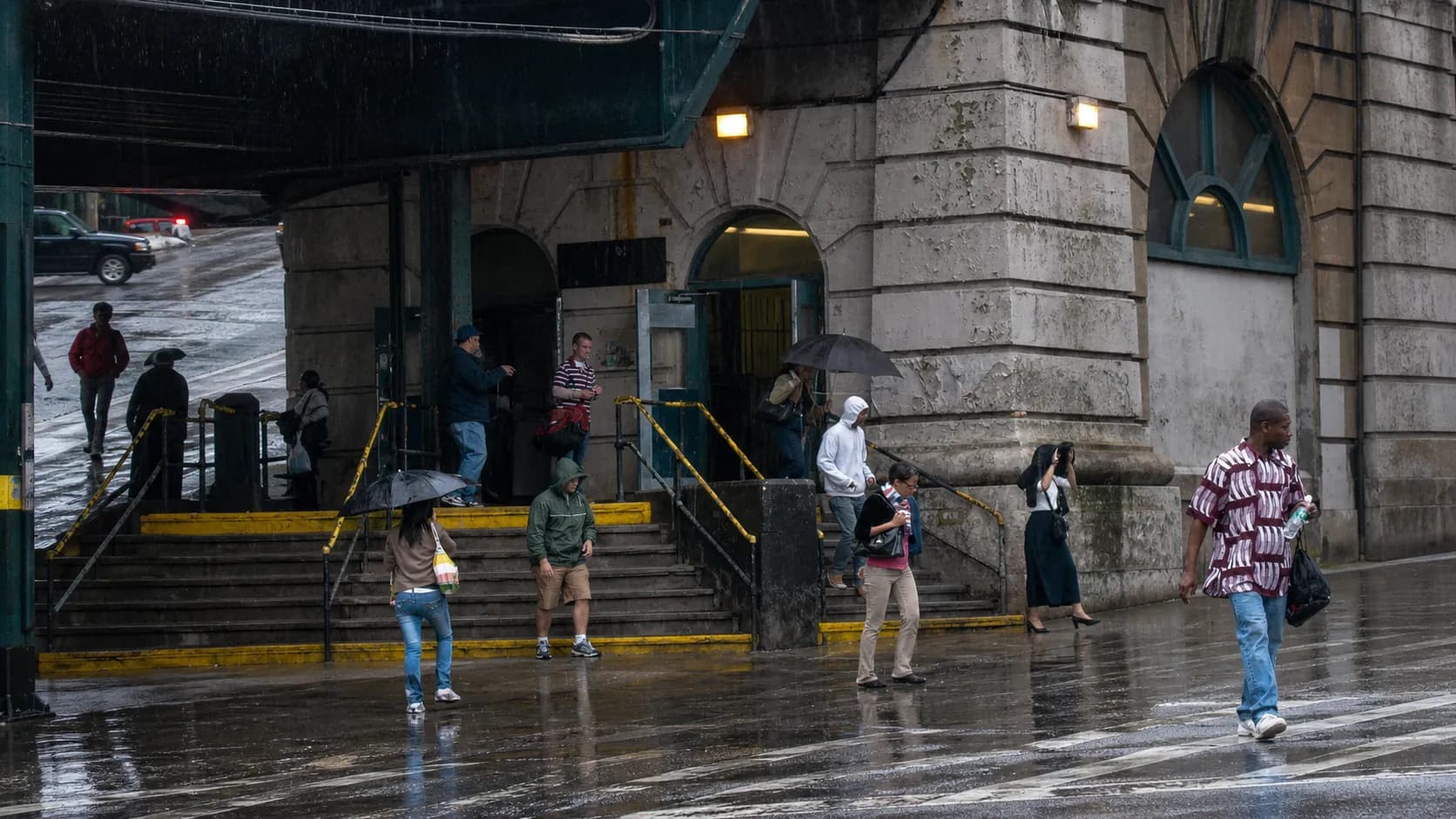
Storms affect New York travel in uneven ways. A line of thunderstorms may delay buses on flooded or blocked streets while subways keep moving elsewhere, or heavy rain may create station and track flooding even after conditions improve above ground. NYCEM advises allowing extra travel time during thunderstorms and heavy rain, checking MTA alerts before traveling, and avoiding flooded subway stations or underpasses. The MTA homepage and alert tools provide real-time service information for subway, bus, railroad, bridge, tunnel, elevator, and escalator conditions.
Drivers should not try to pass through standing water, around barricades, or under flooded underpasses. Water depth is hard to judge from a car, and floodwater may hide open drains, debris, or electrical hazards. If you use Access-A-Ride, commuter rail, ferries, or buses to reach work, medical appointments, childcare pickup, or evening plans, check service status earlier than usual and build in a backup route. In a watch, the best commute choice may be leaving before storms arrive or waiting indoors until a warning expires.
Set Up Alerts Before You Need Them
Do not rely on one notification channel. Notify NYC is the city’s official emergency communications program and can send messages by text, email, phone, app, website, RSS, social media, and American Sign Language video. NYC says the program covers all five boroughs and can be customized with multiple addresses, which is useful if you want alerts for home, work, school, or a relative’s neighborhood. The city has advised residents to text NOTIFYNYC to 692-692 or visit the Notify NYC site to sign up.
Phone alerts can be delayed by network congestion, battery problems, or poor reception, so keep a second source available. The NWS recommends continuing to monitor local news, NOAA Weather Radio, and official weather updates during severe weather. If you are managing a group chat for friends, employees, tenants, or family, avoid forwarding screenshots without times. Storm warnings are short-lived and location-specific. Share the official link, the time issued, the expiration time, and the neighborhoods or counties named in the alert.
Shelter Rules for Apartments, Offices, and Public Buildings
When a warning is issued or thunder is close, move into a sturdy building and away from windows. NWS guidance says people at home should go to a secure location during a severe thunderstorm warning, while people at work or school should avoid windows and large open rooms such as gyms, cafeterias, or auditoriums when damaging wind or hail is approaching. In NYC apartments, that often means an interior hallway, bathroom, closet, or another lower-floor interior area, not a windowed living room or balcony.
Basement and ground-floor residents should pay special attention when thunderstorms come with heavy rain. NYCEM’s July 20 weather alert warned that localized flash flooding can develop in poor-drainage and low-lying areas, and it urged people in basement or low-lying homes to plan where they would go before flooding begins. If water starts entering a basement, do not wait to collect belongings. Move to a higher floor or safer nearby location before the exit becomes difficult or dangerous.
After the Storm: Trees, Wires, Floodwater, and Reporting Damage
The danger does not end when the rain stops. NYCEM advises staying away from downed power lines and treating every line as live. Do not touch, walk over, drive over, or try to move a wire, even if it looks inactive. Call 911 if a downed line is near people or creates immediate danger. Fallen tree limbs, hanging branches, loose scaffolding materials, broken glass, and unstable signs can also remain hazardous after a storm has passed through.
For non-life-threatening damage, NYC311 is the place to report many storm-related problems, including fallen trees or branches, street flooding, sewer backups, catch basin issues, broken sidewalks, water leaks, and property damage information. If a tree has fallen on a person, a vehicle with someone inside, or a building in a way that poses an immediate threat, call 911 instead. If you smell gas, hear hissing, or suspect a broken gas line, leave immediately and call from a safe location.
Practical notes
Practical notes for Wednesday, July 22, 2026: before changing plans, check weather.gov/nyc for the current NWS forecast and any active watches or warnings, then check Notify NYC and mta.info for city and transit updates. Charge your phone, turn alerts on, secure balcony or rooftop items, and move outdoor plans near a sturdy indoor shelter. If a warning is issued for your area, go inside immediately, stay away from windows, avoid plumbing and corded phones, and wait until the warning expires. Do not enter flooded subway stations, underpasses, basements, or streets. Afterward, avoid downed wires and damaged trees, call 911 for immediate danger, and use 311 for non-emergency storm reports.
Tags: #NYCWeather #SevereThunderstormWatch #NYCAlerts #NotifyNYC #NWSNewYork #NYCTransit #MTA #StormSafety #ThunderstormSafety #NYCPreparedness #Queens #Brooklyn #Manhattan #Bronx #StatenIsland
Sources consulted: National Weather Service New York City point forecast · National Weather Service thunderstorm safety guidance · NYC Emergency Management thunderstorm preparedness · NYC Emergency Management July 20, 2026 weather alert · Notify NYC registration and service information · NYC311 severe weather reporting information · MTA official service status and alerts
All trademarks are the property of their respective owners.
Ask Karpo first
Ask Karpo: “Is my NYC outdoor plan safe during the thunderstorm watch?” Include your borough, cross streets or venue area, planned travel mode, and time window, and Karpo can help you compare the latest NWS, Notify NYC, and MTA information without guessing.