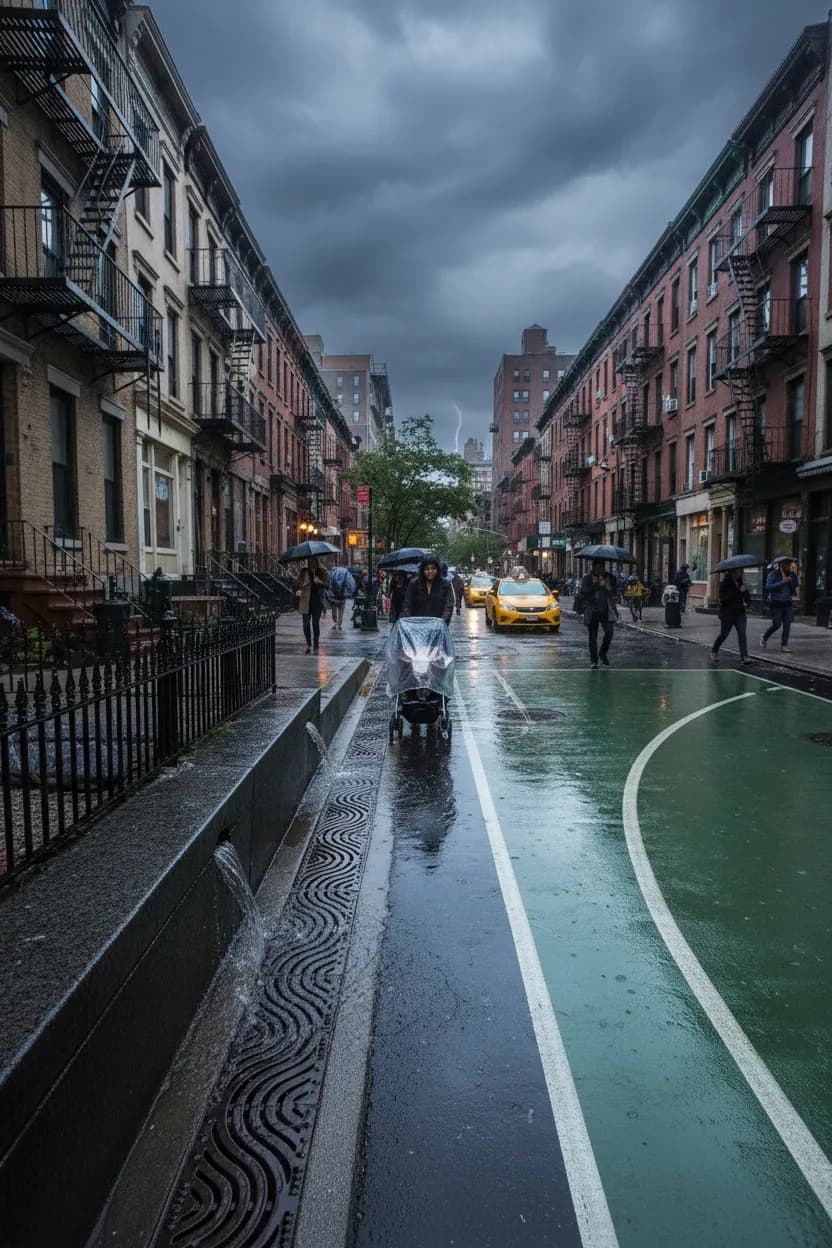
New York City's energy is undeniable, but so is its potential for unpredictable weather. A severe thunderstorm warning can quickly transform a bustling day into a scramble for shelter. Instead of panicking, empower yourself with a clear, neighborhood-level plan. This guide is tailored for Lower Manhattan, offering specific advice and a decision-tree approach to help you navigate a storm safely and efficiently. From Battery Park to the Financial District, we'll help you anticipate risks and find refuge, ensuring your day isn't completely derailed by unexpected weather.
This Karpo guide is designed for immediate utility. Save it to your phone, share it with friends, or bookmark it for quick access when severe weather approaches. Staying prepared ensures a safer and less stressful experience in the city.

Understanding Severe Thunderstorm Warnings in NYC
A severe thunderstorm warning means severe weather is imminent or occurring. This typically includes winds of 58 mph or higher, hail one inch in diameter or larger, or tornadoes. The primary concern is often flash flooding, especially in low-lying areas, and lightning strikes. In Lower Manhattan, specific vulnerabilities include subway entrances, street-level basements, and areas near the waterfront. Always verify current weather conditions and warnings from official sources like the National Weather Service (weather.gov) or local news outlets. Karpo recommends having a reliable weather app on your phone with push notifications enabled for your current location.
Your Immediate Decision Tree: Stay, Seek, or Shelter?
When a warning hits, your first instinct might be to rush. Instead, pause and assess your immediate surroundings. This simple decision tree can guide your next steps:
- <b>Are you already indoors and safe?</b> If yes, stay put. Monitor official weather updates. Avoid windows and unplug electronics if lightning is active.
- <b>Are you outdoors and near a sturdy building?</b> If yes, seek immediate shelter inside. This means a substantial building, not a bus stop or awning. Avoid trees, lampposts, and open spaces.
- <b>Are you outdoors and far from immediate shelter, or in a vulnerable area (e.g., open park, subway platform entrance)?</b> If yes, prioritize moving to the nearest safe, enclosed structure. If flash flooding is a risk, seek higher ground. Never walk or drive through floodwaters. If you're on a subway platform and water is rising, follow MTA instructions and move to a higher platform or exit if safe to do so.
Neighborhood-Specific Considerations for Lower Manhattan
Lower Manhattan has distinct characteristics that influence storm safety:
- <b>Financial District/Wall Street:</b> Many tall buildings offer immediate shelter. However, streets can become wind tunnels, and older infrastructure may be prone to localized flooding. Seek the lobby of a large office building or a subway station (but be aware of potential flooding at entrances).
- <b>Battery Park/Waterfront:</b> Highly exposed to wind and rain. Move away from the waterfront immediately. The Staten Island Ferry terminal can offer temporary shelter, but prioritize moving inland to a more substantial building.
- <b>Tribeca/SoHo:</b> Generally well-served by sturdy buildings. Be mindful of potential basement flooding in ground-level businesses. Many shops and restaurants can offer refuge. Verify if they are open before entering.
- <b>Chinatown/Lower East Side:</b> Densely populated with many older buildings. Flash flooding can be a significant concern here. Prioritize moving to higher ground or a modern, well-maintained structure. Subway stations are numerous, but assess water levels at entrances.
Practical Storm Day To-Dos
Beyond immediate reactions, these steps can enhance your safety and comfort during a severe thunderstorm warning:
- <b>Check Official Sources:</b> Always cross-reference weather alerts with official sources like the National Weather Service (weather.gov) or local news channels (e.g., NY1, ABC7, NBC4).
- <b>Charge Your Devices:</b> Keep your phone, power bank, and any other essential devices fully charged. Power outages can occur.
- <b>Know Your Route:</b> If you need to move, plan your route to minimize time spent outdoors and avoid known flood-prone areas. Google Maps or Apple Maps can show elevation contours, helping you find higher ground.
- <b>Inform Someone:</b> Let a friend or family member know your location and your plan, especially if you're alone.
- <b>Avoid Open Water:</b> Stay away from rivers, harbors, and even large puddles. Lightning can strike water, and currents can be stronger than they appear.
- <b>Postpone Non-Essential Travel:</b> If a severe warning is in effect, reconsider any outdoor plans or non-urgent travel. Public transportation can experience delays or suspensions.
- <b>Prepare for Delays:</b> If you're relying on public transport, be aware that subway and bus services may be disrupted. Check the MTA website or app for real-time updates.
- <b>Carry an Umbrella/Rain Gear:</b> While not protective against lightning, a sturdy umbrella and waterproof jacket can make the dash to shelter more comfortable.
After the Storm Passes: What Next?
Once the severe weather warning expires, exercise caution. Roads may still be flooded, debris could be present, and power outages might persist. Check official updates for 'all clear' announcements. If you used a public shelter, wait for instructions before leaving. Remember, safety is paramount. By staying informed and having a plan, you can navigate New York City's severe weather with confidence.
Tags: NYC weather, storm safety, Lower Manhattan, severe thunderstorm, emergency preparedness, city guide, New York City, urban survival, weather alerts, practical tips.
Tags: #weather_utility #nyc #local_guide
Sources consulted: NYC official website · MTA · NYC Tourism · Reference photo: File:Hudson River Park td (2019-01-29) 061 - Pier 25 Basketball Court.jpg by Tdorante10, CC BY-SA 4.0
All trademarks are the property of their respective owners.


