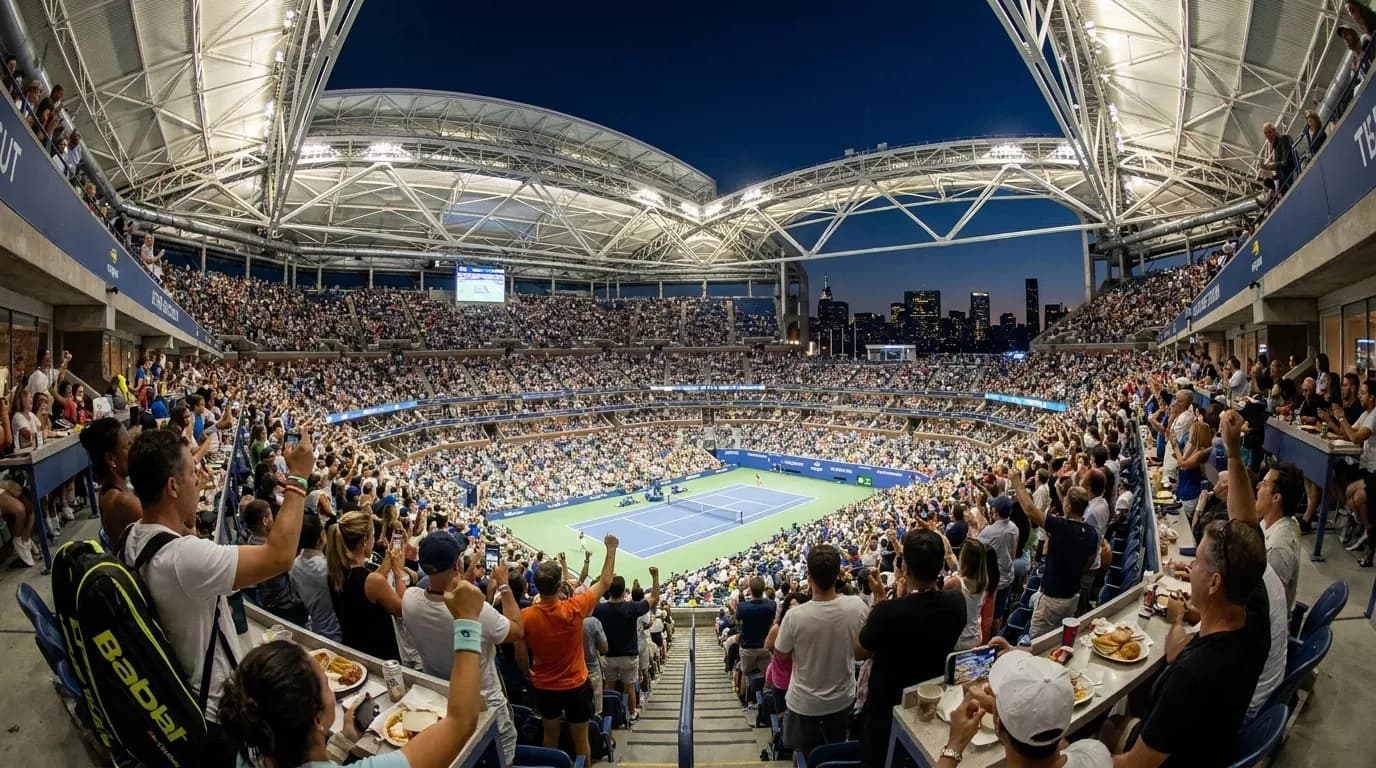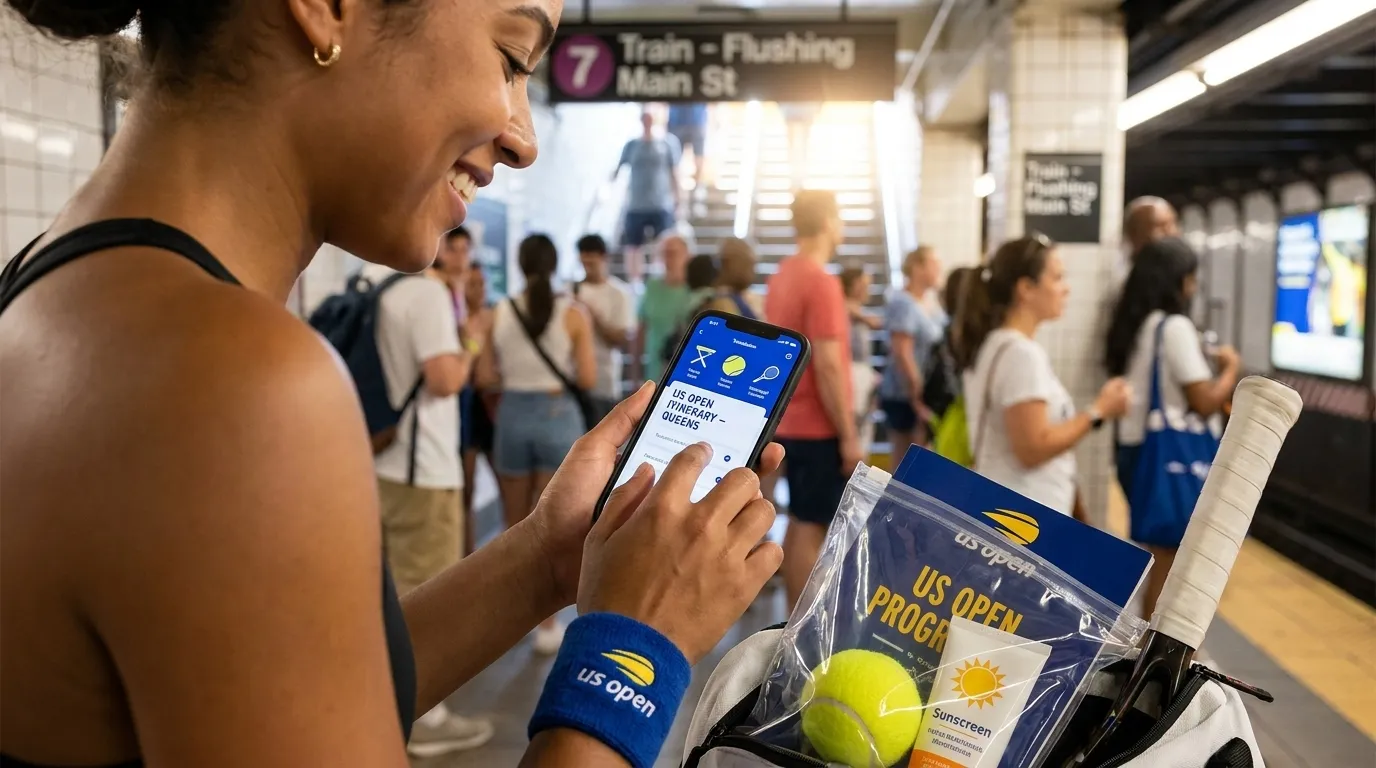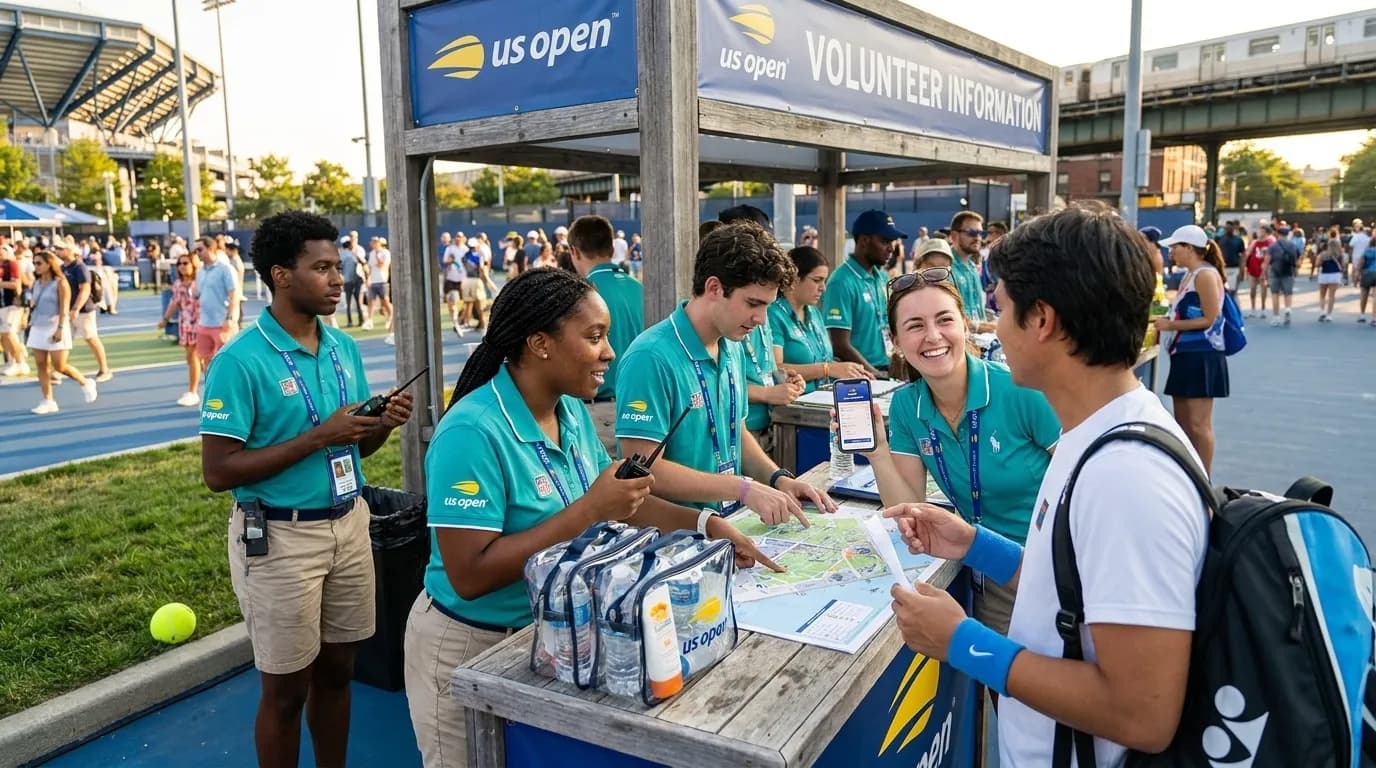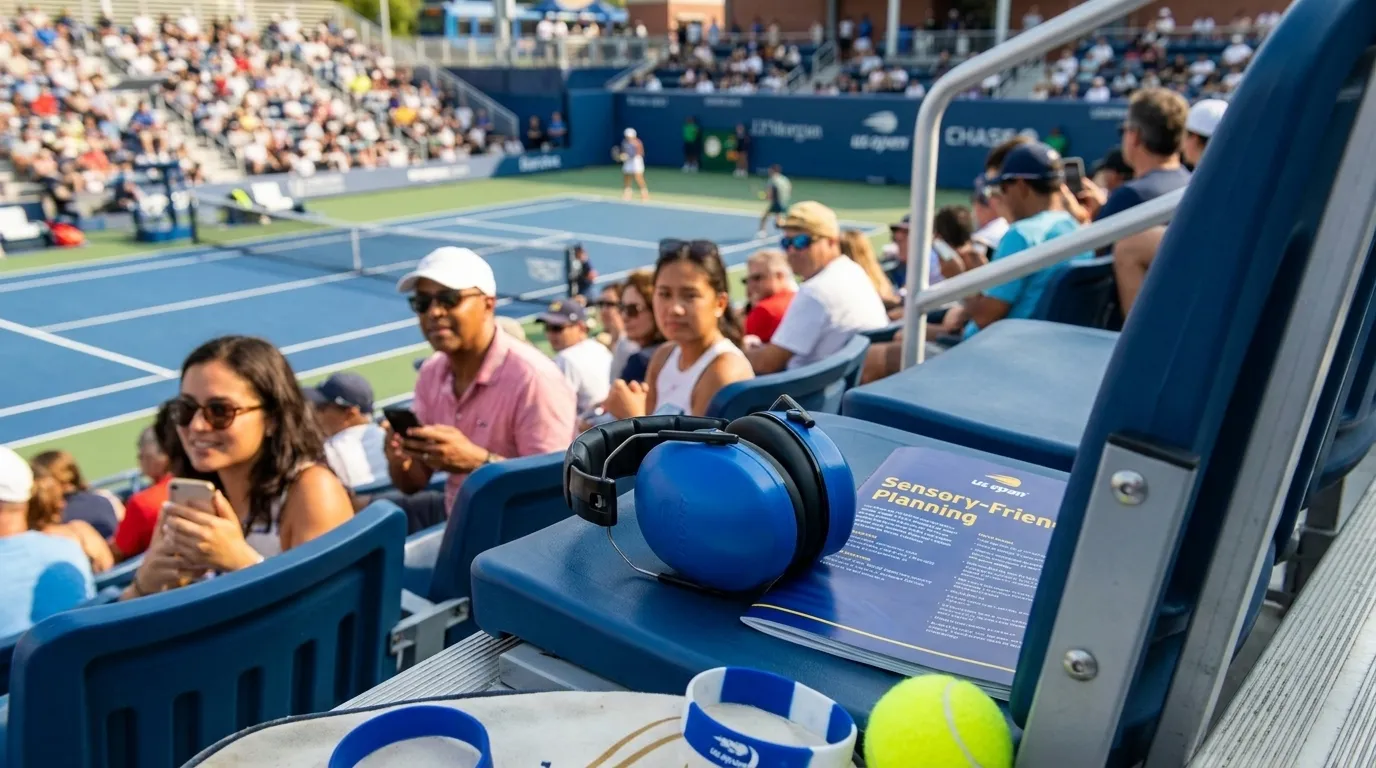
If you are noise-sensitive, the best US Open day is usually the one you shape before you reach the gates. For 2026, the official tournament calendar runs August 23 through September 13, with singles main-draw play beginning August 30, but the most useful planning choice is not only which date to attend. It is how much stimulation you are willing to manage, where you might sit, what ear protection you will bring, how you will take breaks, and what you will verify with official US Open accessibility, schedule, transportation, A-Z, and prohibited-items pages close to travel. Tennis can shift quickly: a quiet changeover can become a roar, a match can run long, and a grounds day can feel very different from a reserved-seat session. Build your visit around flexibility rather than endurance.
Text Karpo for a sensory-aware US Open plan that builds in quieter choices before overload hits.

Start With the Kind of Ticket Day You Can Actually Enjoy
Noise planning begins with the shape of the day. A full-day approach may look attractive on paper, especially during the early rounds, but it can also mean more entrances, movement between courts, public-address announcements, lines, and crowd surges. A shorter visit with a clear exit plan may be more comfortable than trying to see everything.
The 2026 calendar gives fans a broad window, from the late-August event period through the September finals stretch. Singles main-draw play begins August 30, and the official event schedule should be the first place to check before buying or traveling. Treat any schedule you see in advance as a planning aid, not a guarantee. Match order, session details, player fields, gate times, and related events can change, and official pages are the safest reference for the current version.
For noise-sensitive fans, the question is not simply whether a day is “busy.” It is whether the day includes enough control points. Can you arrive without rushing? Can you leave after one match if needed? Are you comfortable with the likely crowd energy of the session? Would a grounds-oriented day give you too many variables, or would it let you move away from a loud court more easily? Your best answer may be different from another fan’s, which is why official information and personal limits both matter.
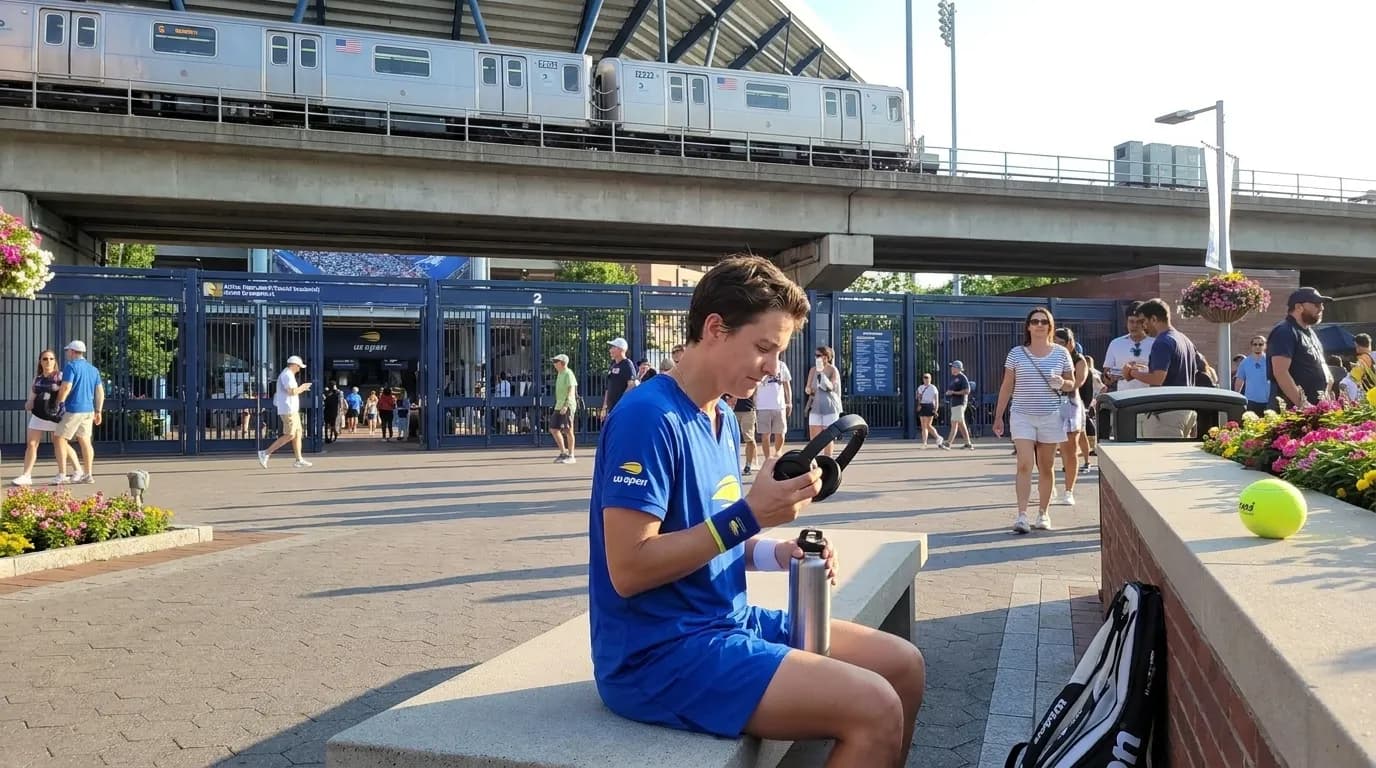
Choose Seats With Sound, Movement, and Exits in Mind
Seat selection can influence how trapped or settled you feel. No seat can make a major sporting event quiet, but some choices may make the noise easier to manage. Before purchasing, study the official seating information available through the US Open ticketing path and consider how close you want to be to speakers, aisle traffic, entrances, hospitality areas, and the loudest clusters of fans.
If sudden movement bothers you as much as sound, an aisle seat may be a mixed choice: it can make breaks easier, but it may also place you beside constant foot traffic. A more central seat can reduce passersby, but leaving during a changeover may be harder. Lower seats can feel immersive and intense; higher seats may feel more open but still carry crowd noise. There is no universally “sensory-friendly” section, so think in trade-offs.
Also consider your relationship to changeovers. Tennis has natural pauses, but those pauses can bring music, announcements, people standing, and sudden crowd noise. If you expect to step out often, choose a location that lets you do so respectfully and without creating stress for yourself or others. If you may need an accommodation related to seating, do not rely on assumptions from past years. Check the official accessibility information and contact the venue through the current official channels before you commit.
Bring Ear Protection That Fits the Venue Rules
Ear protection is one of the most practical tools for a noise-sensitive tennis fan, but it should be planned within the current venue rules. The US Open prohibited-items page is the key reference for what can and cannot enter the grounds, and rules can change. Before packing, recheck that page, especially if your ear protection comes with a case, battery components, cords, accessories, or a larger bag.
Many fans prefer a layered approach: simple earplugs for moderate crowd noise, over-ear protection for louder moments, and a small backup pair in case one set is dropped or uncomfortable. Test whatever you plan to use before the trip. A product that works for a short errand may feel distracting after several hours in heat, humidity, or a packed walkway. If you use noise-reducing earbuds or headphones, remember that venue rules and practical awareness both matter. You still need to hear safety instructions, staff guidance, and your companions.
Avoid treating ear protection as a last-minute purchase on site. Inventory and service availability can change, and there is no reason to make your comfort depend on finding a specific product after arrival. Pack what you know works, then verify it fits the current bag and prohibited-items guidance.
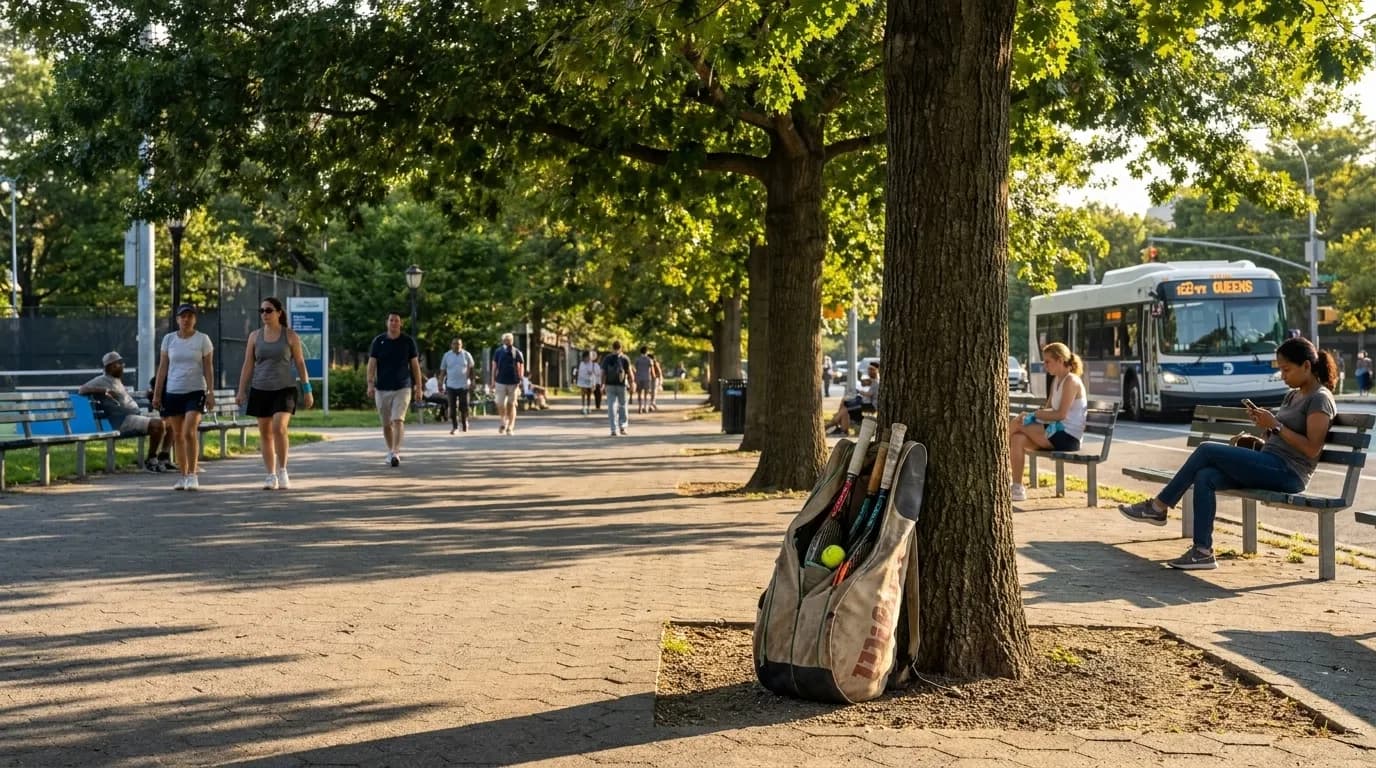
Map Breaks Before You Need Them
A break is easier to take when it is part of the plan rather than a reaction to overload. Before attending, review the official A-Z guide for current venue information and services. Look for details that may affect how you move, where you can pause, and what support is described for guests. Do not assume that last year’s layout, service location, or policy will be identical.
A useful break plan has three layers. First, identify a quick reset option near your court, such as stepping away during a permitted movement window. Second, choose a longer reset option elsewhere on the grounds if the area around your court is too loud. Third, know your exit plan if the day is no longer working. Leaving early is not a failed tennis day; it is a valid comfort decision.
- Before you enter, agree with your group on a simple phrase that means “I need a quieter break now.”
- Use changeovers and set breaks thoughtfully, since movement rules may limit when spectators can enter or leave seating areas.
- Keep essentials easy to reach: ear protection, water if permitted under current rules, medication or personal items you normally carry, and a portable charger if you rely on your phone.
- If you are attending with children, older relatives, or first-time visitors, set a meeting point using current venue information rather than relying only on memory.
- If you need formal accessibility support, check the official accessibility guidance and contact the venue in advance through official channels.
Time Your Arrival and Departure Around Crowd Pressure
For some fans, the loudest part of the day is not the match. It is the approach to the venue, the security screening, the concourse before a popular session, or the post-match exit. The official transportation and directions page should guide your route planning, because transit options, traffic conditions, ride-share patterns, and local conditions can change.
Arriving early may reduce the feeling of being rushed, but it can also lengthen your total exposure to crowds and announcements. Arriving closer to your target match may shorten the day, but it leaves less room for delays. The calmer option depends on your tolerance, your route, the session, and the current gate information. Recheck official gate times and transportation details close to your visit rather than building a plan around old screenshots or third-party summaries.
Departure deserves the same attention. If a stadium match ends dramatically, the crowd can surge at once. You might prefer to wait in your seat for a few minutes if permitted, step away before the final games if your priority is a smoother exit, or plan a slower route back. None of these choices is perfect for every fan, but deciding in advance prevents a tired, overstimulated argument at the end of the night.
Use Official Accessibility Information, Not Guesswork
Sensory needs are individual. One fan may do well with earplugs and a short session; another may need seating assistance, mobility planning, a support person, or a clear accommodation process. The safest next step is to read the current official US Open accessibility information and contact the venue through its published channels if you have specific needs. Services, procedures, eligibility details, and availability can change, and staff can only work from the current rules.
It is also worth separating comfort planning from medical advice. This guide can help you think through noise, timing, and logistics, but it cannot determine what is safe for your health. If you have medical concerns about sound sensitivity, heat, panic symptoms, migraines, hearing conditions, or other issues, consult a qualified professional before making a high-stimulation travel plan.
When contacting official channels, be specific and concise. Explain what you are trying to manage, what date or session you are considering, and what information would help you decide. Ask what is currently offered, what you should do before arrival, and what cannot be guaranteed. That conversation may not answer every uncertainty, but it can prevent avoidable surprises.
Practical Notes
A sensory-friendly US Open visit is less about finding a perfectly quiet tournament and more about giving yourself choices. Before buying, packing, or traveling, use the official US Open event schedule, A-Z guide, transportation and directions page, prohibited-items page, and accessibility information as your primary references. Then build a plan that includes a shorter-day option, acceptable ear protection, break points, and a dignified early-exit path.
- Confirm the 2026 date, session, gate information, and any schedule updates on the official event schedule close to travel.
- Review the A-Z guide for current guest information, services, and venue procedures.
- Check the prohibited-items page before packing ear protection, bags, cases, chargers, food, drinks, or comfort items.
- Use the official transportation and directions page to choose a route, then allow backup time for delays or crowding.
- If you need accommodations, consult official accessibility information and contact the venue before your visit.
- Decide in advance what level of noise or fatigue means you will take a break or leave, and share that plan with your group.
Tags: #USOpen2026 #Tennis #NewYork #Queens #FlushingMeadows #KarpoFinds #Karpo #SensoryFriendlyUSOpen #NoiseSensitiveFans #AccessibleTennis
Sources consulted: usopen.org — Official reference · usopen.org — Official reference · usopen.org — Official reference · usopen.org — Official reference
All trademarks are the property of their respective owners.
Ask Karpo first
Ask Karpo to help match your noise comfort, break needs, and official accessibility resources to the right day plan.