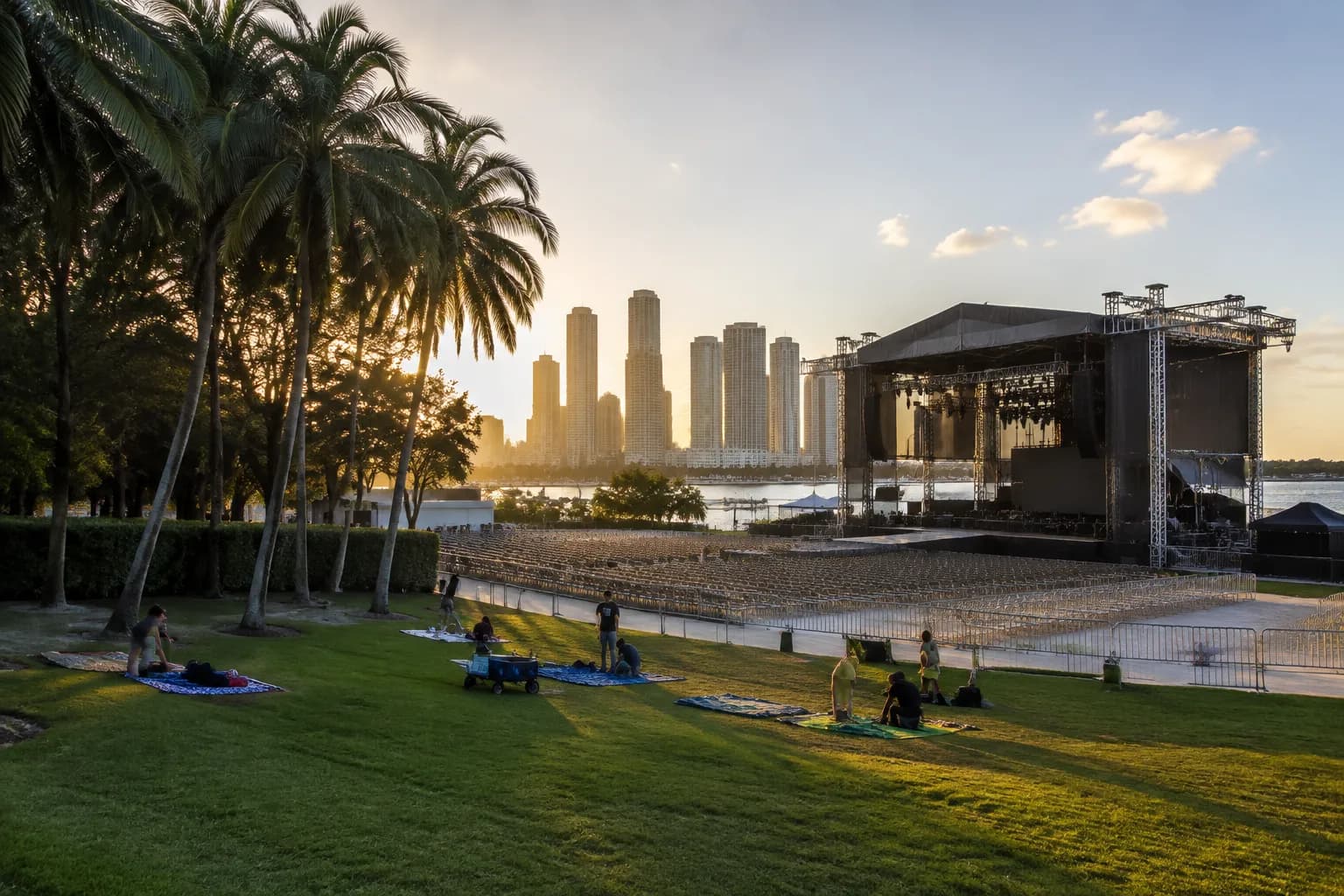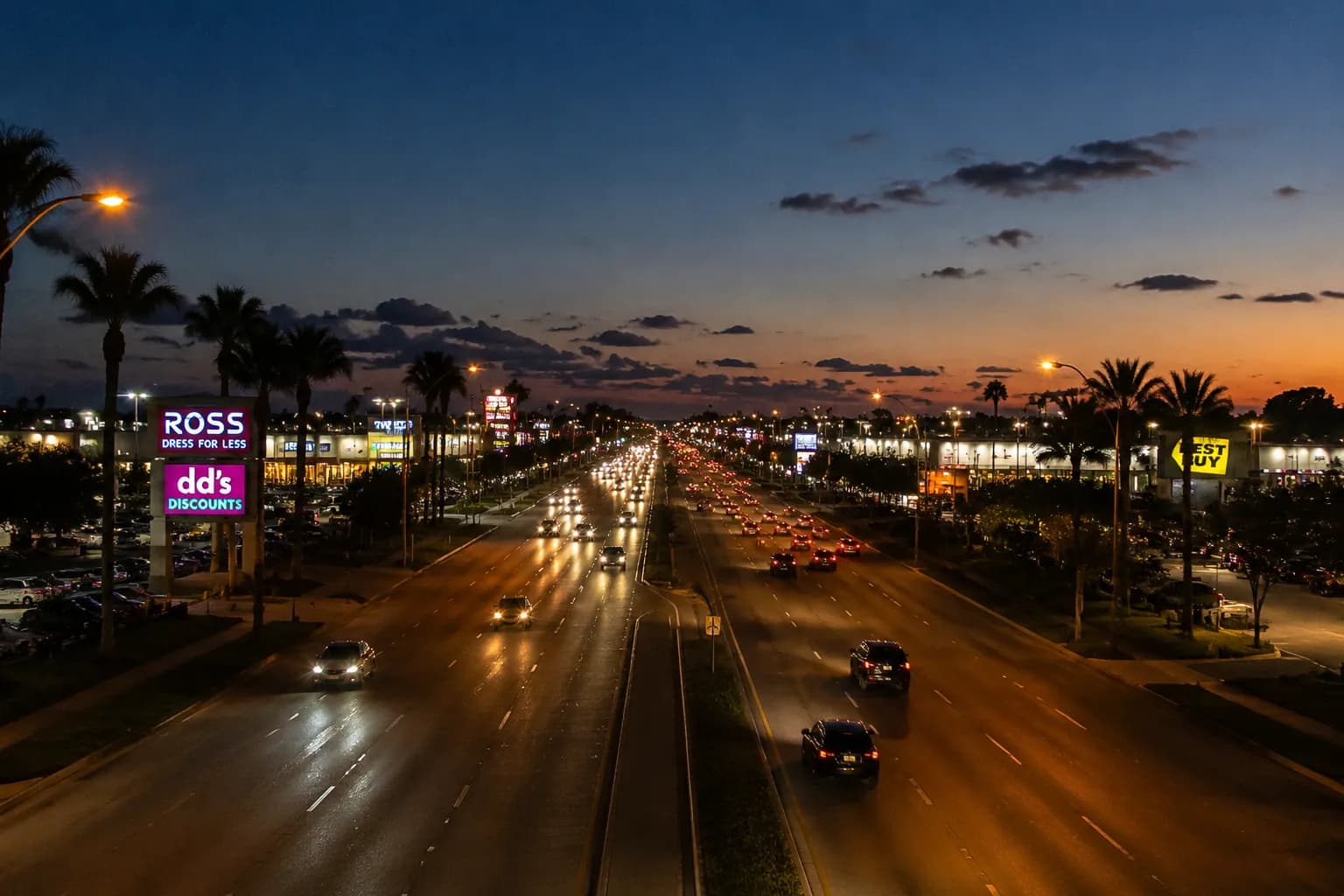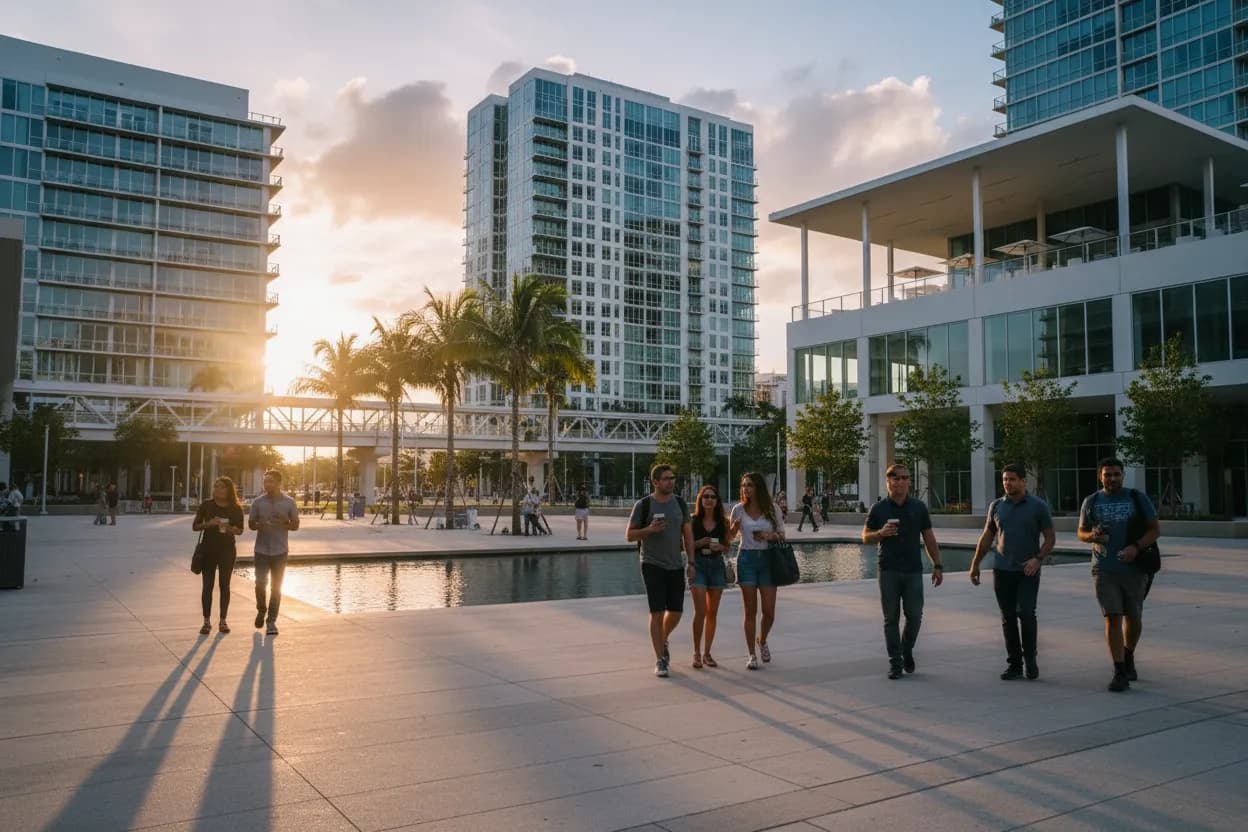
If seattle storm is the phrase that pulled you into today’s search spiral, do not turn that interest into a shaky rumor hunt in Miami. There is no need to chase an unverified appearance, private access, or a one-off event claim to have a useful free day in the city. A smarter plan starts with public places, official pages, and options that still work if weather, transit, or crowding changes the mood. Greater Miami & Miami Beach’s official visitor site points travelers toward beaches, neighborhoods, arts and culture, outdoor activities, live webcams, and current featured listings. Miami-Dade Transit, meanwhile, gives riders trip planning, service updates, rider alerts, real-time tracking, and elevator or escalator status. Build from those tools, not hype.
Want a free Miami plan checked before you leave? Text Karpo with your neighborhood, time window, mobility needs, and backup preference, and we’ll help pressure-test the route.

Turn current interest into a genuinely free outing
A timely sports search can be a useful nudge, but it should not decide your whole day. Treat seattle storm as the hook, not the promise. The practical Miami version is simple: choose something public, free, and easy to abandon if the conditions stop cooperating. That means no assumptions about athlete appearances, local watch parties, broadcast access, endorsements, or special entry unless an official page says so.
For a no-cost plan, start with what the official Greater Miami & Miami Beach site clearly supports as part of the destination: beaches, neighborhoods, outdoor activities, arts and culture, and public-facing points of interest such as Bayfront Park, Lincoln Road, Ocean Drive, Calle Ocho, Coconut Grove, Virginia Key Beach Park, and Wynwood Walls listed among its webcam and destination references. Those names are useful because they help you think geographically, not because every detail is fixed.
Today’s best free plan should have three qualities: a primary anchor, a transit check, and an exit option. The anchor gives the day a point. The transit check keeps you from wasting time. The exit option keeps a free outing from becoming an expensive recovery mission involving rideshares, rushed food, or paid indoor attractions you did not plan to use.
Start with public access rather than a promoted event
Public access is the safest foundation for a free Miami day because it does not depend on a fragile listing. South Beach’s white-sand beach is highlighted by the official visitor site, and Miami’s outdoor life is part of the city’s identity. A beach walk, a waterfront pause, or a neighborhood stroll gives you flexibility in a way a timed event may not. You still need to check conditions, but you are not betting the whole outing on one door.
If you want a downtown-leaning route, use Bayfront Park as a practical orientation point because it appears in the official site’s live webcam list. Before you go, look at the official visitor site and the webcam options to understand the public setting you are choosing. Then pair that with Miami-Dade Transit’s trip planner, rider alerts, service updates, and Transit Tracker rather than guessing from memory.
If you prefer a Miami Beach route, use the official site’s beach and South Beach references as the starting frame, then verify your specific access point separately before leaving. The article’s job is not to promise perfect beach conditions or open facilities. The useful move is to decide whether the public setting is still worth the trip after you check weather, transit, and your own tolerance for heat and crowds.
Build a short route around one strong anchor
Do not overbuild a free day in August. Choose one anchor and one backup, then keep the walking distance modest. A downtown plan can begin with Bayfront Park as the visual anchor, followed by a short waterfront or city-center walk if the area feels manageable. A Miami Beach plan can begin with a beach access point, then shift toward a nearby public corridor if sand, sun, or crowds are not working for you.
The official visitor site’s current listings also identify “Summer Lovin” as a free seasonal art installation at CityPlace Doral through Aug. 16, 2026. Because today is Tuesday, Aug. 11, 2026, that can be considered as a possible free anchor, but only after you verify the official listing for hours, access, location details, and any terms that are not visible in the extract. Do not assume every free listing is frictionless.
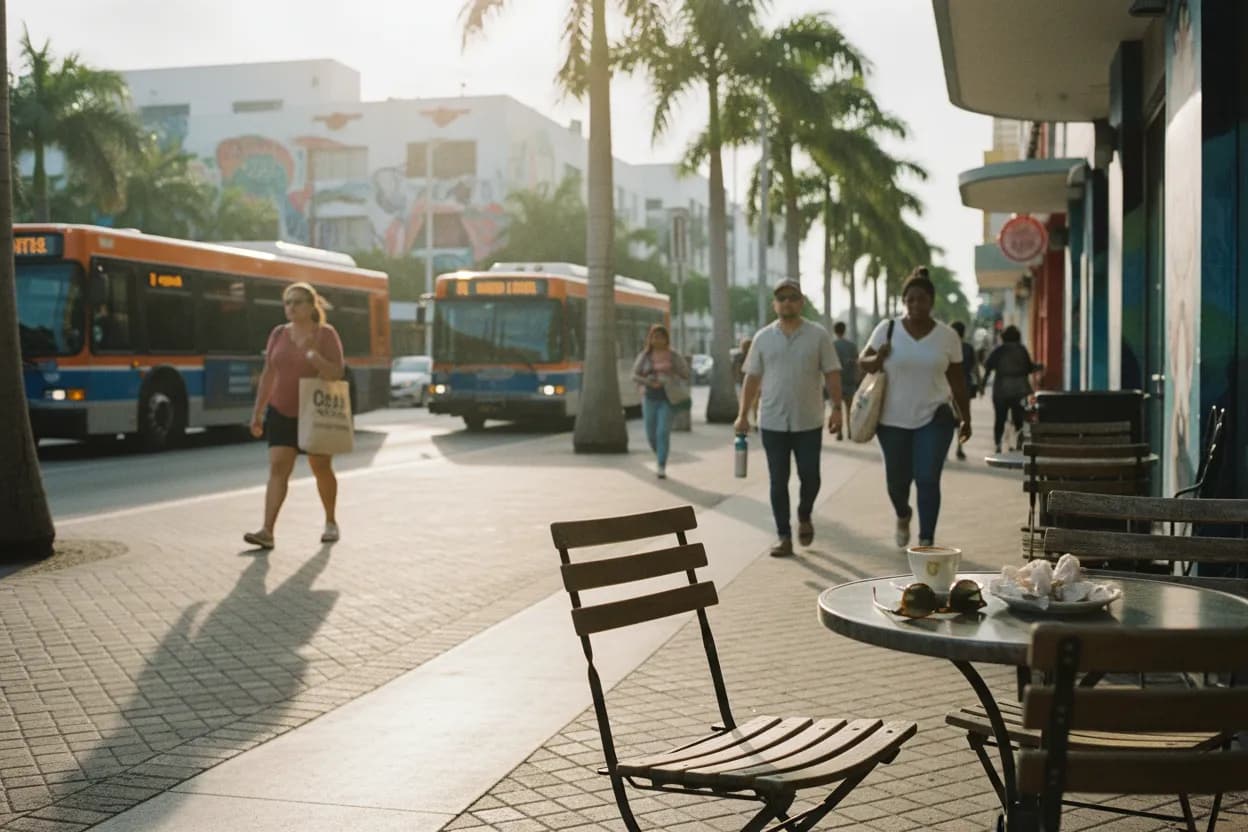
Keep the plan executable: check the official event or destination page, open Miami-Dade Transit’s trip planner, scan rider alerts, and use real-time tracking before you commit. If the route requires too many transfers, too much exposed walking, or a tight return window, downgrade it. The most local-literate free plan is often the one that leaves sooner, does less, and avoids the part of the day when everyone else is trying to improvise.
Use weather and crowd pressure as decision points
Miami rewards flexible timing. Heat, rain, and sudden crowd pressure can change a free outing faster than a listing can update. The official visitor site offers live webcams for multiple locations, including South Beach points, Bayfront Park, Biscayne Bay & PortMiami, Calle Ocho, Lincoln Road, Coconut Grove’s Sailboat Bay, Sunny Isles Beach, Virginia Key Beach Park, and Wynwood Walls. Use those views as a reality check before you leave.
A good decision rule is to check twice: once while planning and once just before departure. If the webcam view suggests the area is packed, if the sky looks unfriendly, or if transit alerts complicate the route, move to the backup. That is not failure; that is the point of a verification-first day. Free things cost time and energy, and those are still worth protecting.
Crowd risk also depends on what else is happening nearby. The official visitor site lists current Miami happenings and featured events, including arts, culture, sports, summer promotions, and seasonal programs. Use those listings to spot potential pressure, not to assume conflict. A sports matchup, restaurant promotion, or cultural listing can make certain corridors busier, while another neighborhood may stay easier to navigate.
Know when free still requires registration
The word “free” is not the same as “walk in whenever you want.” The official extract identifies “Summer Lovin” as free, but it does not provide every operational detail a visitor needs. Before making it your anchor, verify the official listing for current dates, access requirements, hours, venue guidance, and whether registration or capacity controls apply. If the page has changed, follow the page, not yesterday’s plan.
This rule matters for any free arts, culture, or seasonal listing. Miami has plenty of public-facing experiences, but venues and organizers can set practical limits. A free installation may still have location rules. A public space may still be affected by maintenance, crowding, weather, or nearby programming. A transit route may still be disrupted by rider alerts. None of that makes the plan bad; it means the plan needs a check.
If you cannot confirm the access terms quickly, choose a simpler public-space anchor. A beach walk, a downtown waterfront pause, or a neighborhood stroll is easier to adjust than a listing with unknown entry rules. Save the uncertain item as a bonus, not the backbone of the day.
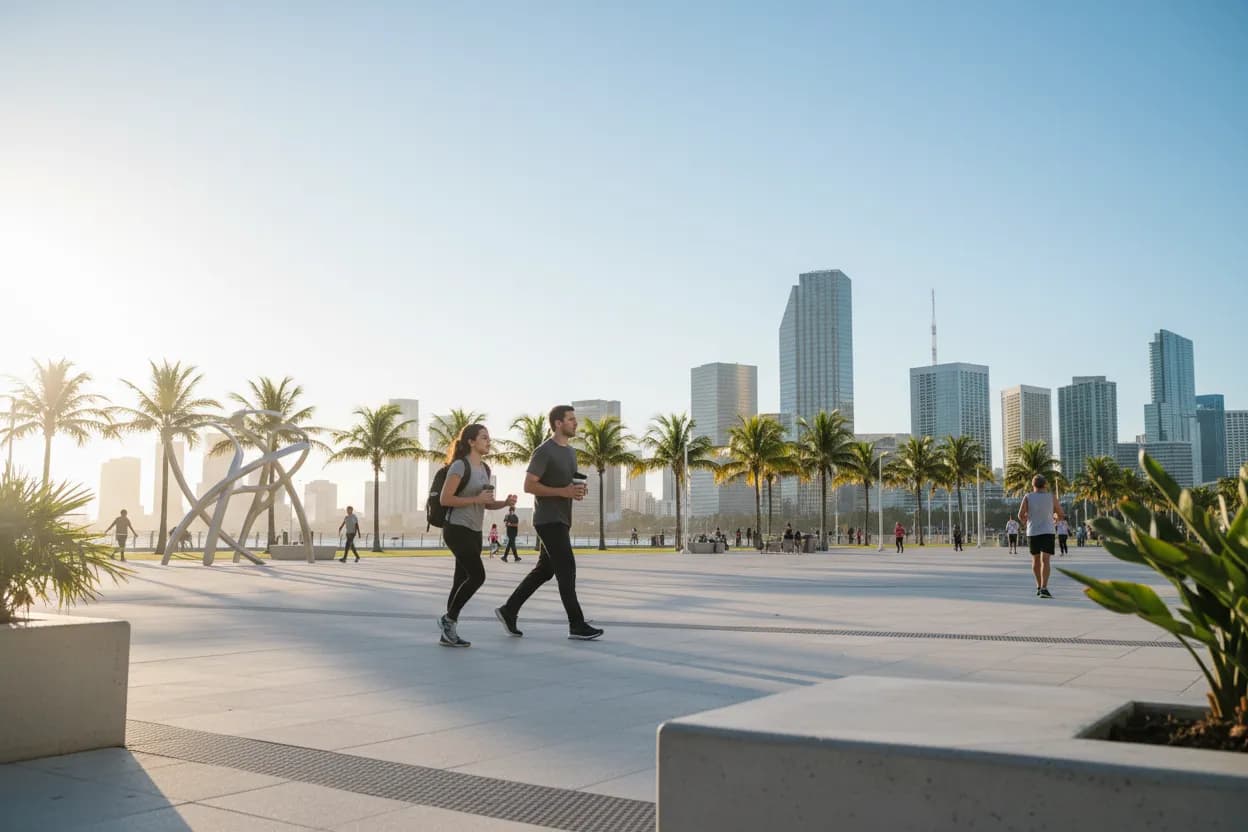
Recheck access on the day
Day-of verification is the difference between a free outing and a frustrating errand. Miami-Dade Transit’s official transportation page directs riders to service updates, rider alerts, a trip planner, and real-time bus and train tracking. It also points users to elevator and escalator status, which matters if anyone in your group needs step-free access. Check those tools before you leave and again before the return trip.
Pay special attention to dated service notices. The official transportation page states that on Saturday, Aug. 15, Metromover service will begin operating at 2 p.m. while upgrade work continues. That notice is not for today, Aug. 11, but it shows why checking the official page matters before any downtown plan. Service details can be date-specific, and old assumptions are a bad navigation tool.
Your backup should be chosen before you are tired. If the downtown plan stalls, switch to a different public point of interest or a shorter transit loop. If the beach plan looks crowded or stormy, move to a neighborhood walk only if transit and conditions still make sense. Keep the day free by refusing to let one failed stop force a paid Plan C.
Tags: #Miami #FreeThingsToDo #MiamiBeach #BayfrontPark #MiamiDadeTransit #TransitTips #PublicAccess #CityPlaceDoral #SouthBeach #LocalMiami #WeatherCheck #CrowdCheck #AskKarpo #BeforeYouGo
Sources consulted: miamiandbeaches.com · miamidade.gov · miamidade.gov
All trademarks are the property of their respective owners.
Ask Karpo first
Ask Karpo first if your free Miami plan depends on a listing, a transfer, or a public space you have not checked today. Send the anchor, backup, time window, and mobility needs, and we’ll help you spot the weak point before it costs you time.