South Street Seaport Museum works best for families when it is planned as a compact route, not a completionist museum day. General Admission covers the 1885 tall ship Wavertree, the 1908 lightship Ambrose, first-floor Schermerhorn Row galleries at 12 Fulton Street, and the three-floor Maritime City exhibition at 213 Water Street. The museum lists regular hours as Wednesday through Sunday, 11 a.m. to 5 p.m., with last entry at 4:30 p.m. For curious kids, the strongest plan is one ship, one indoor reset, one short decompression stop, and enough flexibility to quit before the waterfront stops feeling fun.
Want a downtown ship-and-gallery plan that fits real kid stamina? Text Karpo before booking for a Seaport Museum route with weather, access, and timing checks.
Start With The Weather
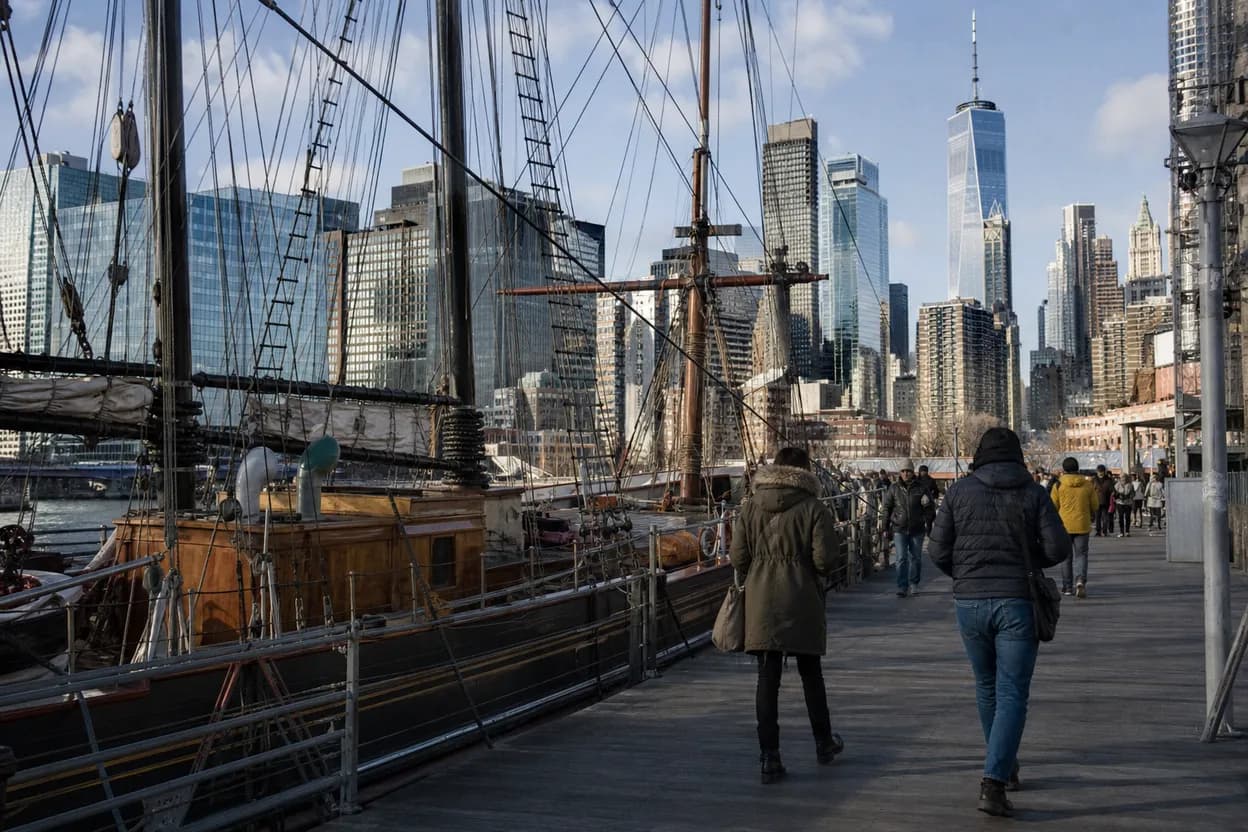
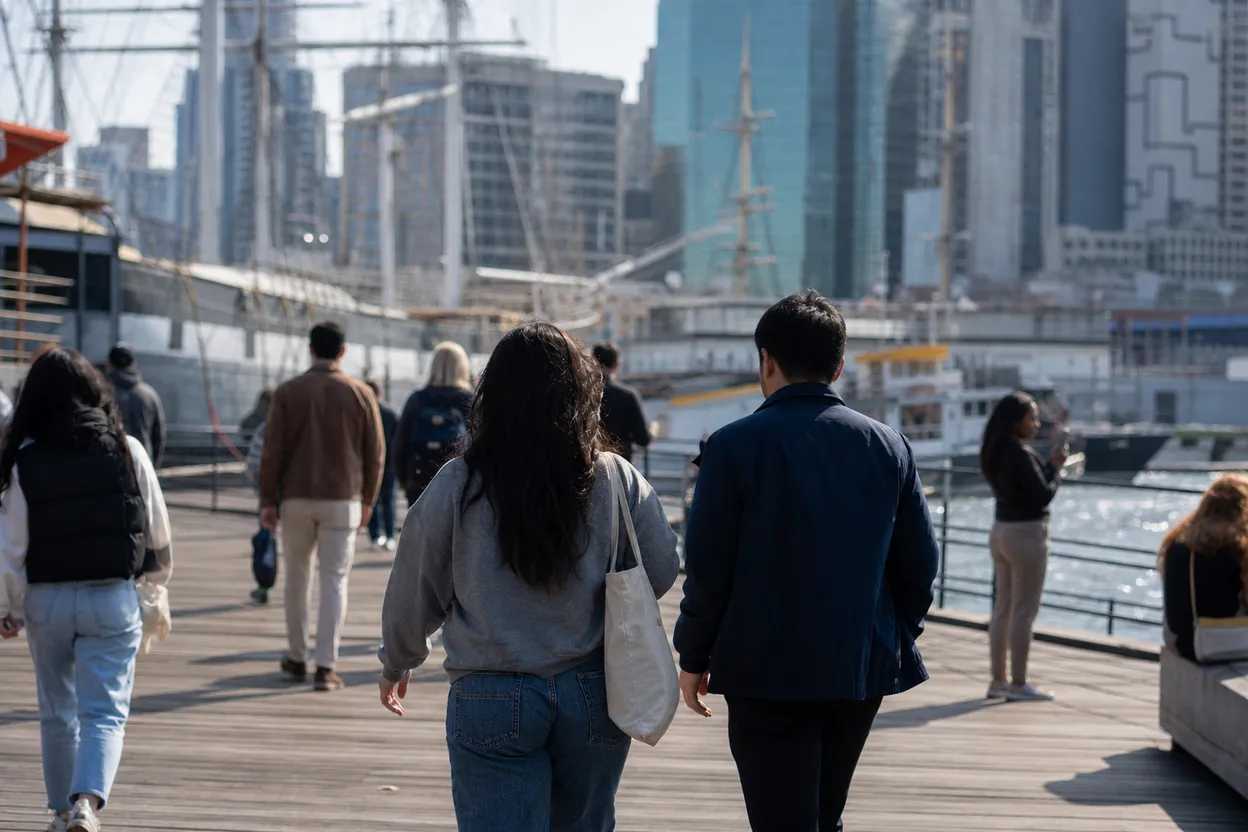
Begin at Pier 16 if the forecast is comfortable. The museum says General Admission brings visitors aboard Wavertree and Ambrose, and check-in may happen at historic buildings or, weather permitting, at the red tent by Wavertree’s gangway. That makes the pier a strong first move when children need an immediate reason to care: a real deck, real rigging, harbor air, and a clear sense that this is not a quiet room of labels.
If rain, wind, glare, heat, or crowding makes the pier hard, reverse the order. Start with Schermerhorn Row or Maritime City, then return outside when conditions improve. The practical target is not seeing every included space. It is keeping enough energy for one meaningful ship visit. Families with younger kids should also watch for slippery surfaces, impatient transitions, and the moment curiosity turns into bargaining for a snack or exit.
Use Wavertree As The Anchor
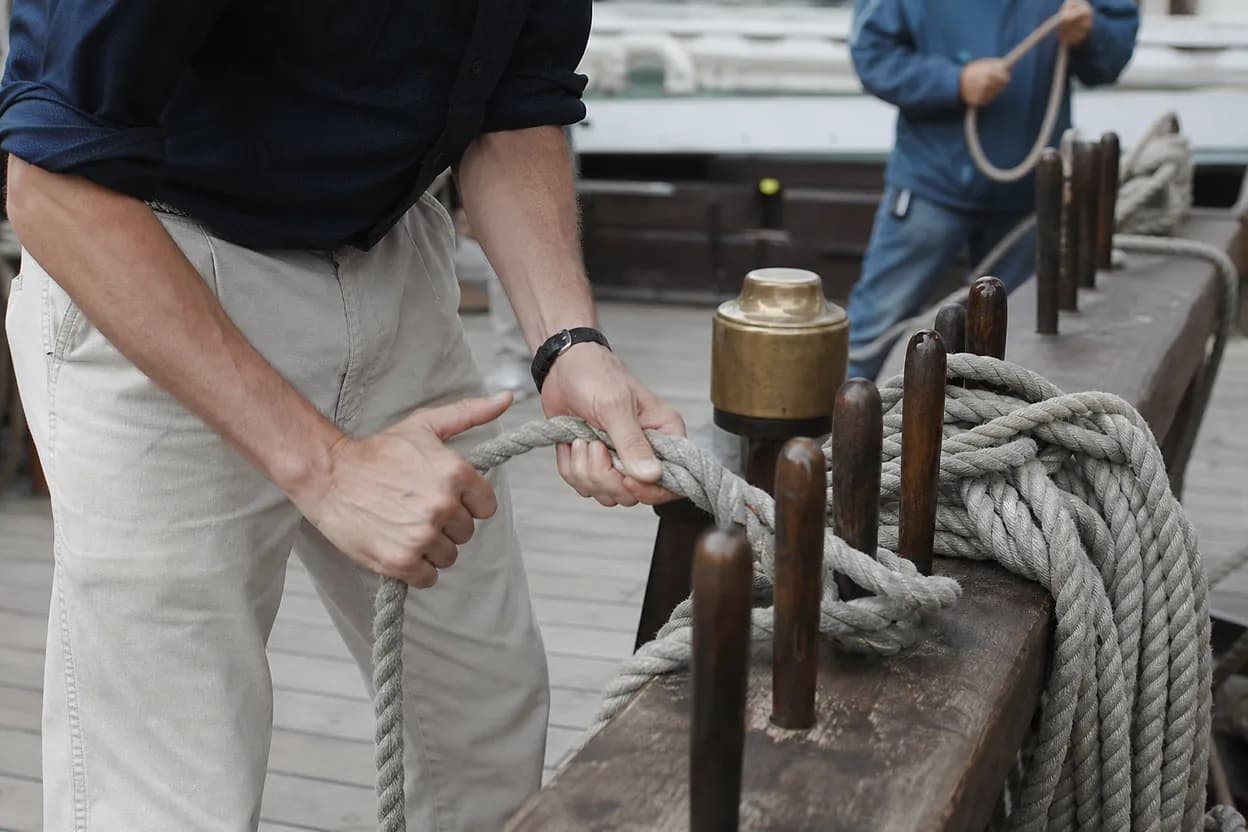
Wavertree should be the visual anchor because it gives kids the clearest reward first. The museum describes the 1885 tall ship as National Register-listed, carefully restored, and curated to explain how waterfront commerce helped New York grow into a global metropolis. Keep that claim concrete. Ask children to notice where people worked, slept, cooked, steered, and stored cargo, then connect those spaces to the harbor sitting just beyond the rail.
On board, the museum notes the restored forecastle, galley, saloon, quarterdeck, ship’s wheel, capstan, and a view into the cargo hold. Do not turn those into a checklist race. Pick two or three features and let kids compare them physically: tight bunks versus command space, food prep versus cargo, shipboard work versus home. The failure mode is rushing because the ticket includes more. The win is making one old vessel understandable.
Add Ambrose If Focus Holds
Ambrose needs a different kind of attention. The museum lists guided tours of the 1908 lightship from Wednesday through Sunday, 11:30 a.m. to 3:30 p.m., and says ship tours last about 45 minutes. Staff can confirm the next available tour after arrival. Treat that as a live decision, not a promise made at breakfast, because guided timing, child patience, weather, and group size can all change the route.
This stop fits children who can manage listening, waiting, tighter spaces, and a staff-led pace. The museum says the tour covers multiple decks, living and working areas, special features that helped the ship stay on station, be seen, and be heard, plus Ambrose’s role guarding the Ambrose Channel. If your group is fading, view the exterior, keep the mood intact, and save the tour for another visit rather than forcing a memory nobody wants.
Make Galleries The Reset
The first-floor Schermerhorn Row galleries at 12 Fulton Street give the route an indoor reset close to the ships. Use them when the pier is wet, bright, crowded, windy, or overstimulating. They also help children connect the waterfront setting to objects and stories without requiring another full guided experience immediately afterward. For mixed ages, this is where one adult can slow down with a reader while another gives restless kids a shorter pass.
Maritime City at 213 Water Street is the larger indoor piece, with the museum describing 540 selected objects across three floors. Its frame is broad: waterways, labor, industries, boroughs, immigrant families, and New York’s seaport identity. Choose it when your group still has museum attention, not because the ticket includes it. A good compromise is one floor or one theme, then a pause, rather than turning the exhibition into a forced march.
Plan Around Strollers And Access
The stroller note is operationally important. The museum says storage is not available aboard historic ships, and strollers may be parked at the base of the gangway before boarding. Families should decide ahead of time whether that works with naps, younger siblings, bags, bottles, weather layers, or medical supplies that cannot easily be carried. If it does not work, prioritize exterior viewing, indoor galleries, Bowne and Co., and a shorter waterfront loop.
Accessibility needs a same-day check because historic ships and old buildings can create difficult transitions. The source notes that the platform lift for Maritime City is currently unavailable while undergoing repairs, which may change after July 15, 2026. Before going, verify the museum’s visitor guide and FAQ if anyone needs step-free access, less standing, quieter pacing, or a route that avoids gangways, stairs, tight decks, and long guided segments.
Use Bowne As A Low-Pressure Stop
Bowne and Co., Stationers is useful because it lowers the stakes at the end of the route. The museum says it is free to enter Wednesday through Sunday from 11 a.m. to 5 p.m., and no admission ticket is needed. That makes it easy to add before leaving, or to use as the whole visit if weather, naps, or crowds make the paid museum plan too ambitious that day.
The museum describes Bowne as connecting maritime and printing history through the Printing Office and Stationers shop. For kids, it offers a smaller sensory shift after ships and galleries: paper goods, tools, printed surfaces, shop texture, and a different kind of making. Keep it short and observational. It works best as decompression, not another lecture. If children are done, let it be a graceful exit instead of squeezing in one more educational stop.
What to verify for South Street Seaport Museum
Separate regular museum admission from temporary tall ship events. Sail4th 250 brought free tall ship tours to several New York locations in July 2026, including South Street Seaport, with reservations strongly recommended and separate pier reservations required. Event rules included age limits, stroller restrictions, closed-toe shoes, security screening, weather policies, and limited accessibility for historic vessels. Those event details should not be assumed for ordinary Seaport Museum visits after the event window.
Final checklist: confirm current museum hours, last entry, ticket prices, what General Admission includes, Ambrose tour availability, Wavertree boarding status, Bowne hours, stroller handling, and accessibility notices on official museum pages. If planning around a special event, verify the live event page separately. Build one weather backup, one fatigue exit, and one indoor reset into the plan. Then tell kids the order can change, but the ship is the anchor.
Tags: #SouthStreetSeaportMuseum #SeaportNYC #TallShips #Wavertree #LightshipAmbrose #NYCWithKids #DowntownNYC #MaritimeHistory #Pier16 #FamilyWeekend #MuseumDay #KarpoNYC #AskKarpo #BeforeYouGo
Sources consulted: Source 1: southstreetseaportmuseum.org · Source 2: southstreetseaportmuseum.org · Source 3: sail4th.org · Source 4: mommypoppins.com · Source 5: sail4th.org
All trademarks are the property of their respective owners.
Ask Karpo first
Tell Karpo your date, group size, budget, and starting neighborhood. We’ll check current access, timing, transit, and the cleanest plan for South Street Seaport Museum before you head out.