Seafood in Los Angeles does not cluster the way other restaurant categories do. The working harbor markets sit thirty miles south in San Pedro and Wilmington, opening at six in the morning and closing by mid-afternoon. The mariscos trucks and storefronts spread across East LA, Boyle Heights, South Gate and Huntington Park, peaking at lunch and again around eight at night. The sit-down rooms concentrate on the Westside, from Santa Monica down through Manhattan Beach, running dinner service and weekend brunch. These three formats share a category name but almost nothing else: not geography, not hours, not price, not even the same definition of fresh.
Open the Karpo app right now to see which harbor markets are still open, where the mariscos counters are running on your side of town, and which Westside rooms have tables in the next two hours.
The harbor markets sell what came off the boats that morning. The mariscos counters work with frozen product that arrives by truck and gets cooked to order in aggressive, high-heat preparations that make freezing irrelevant. The Westside dining rooms source from both channels and from farms, then plate everything as composed dishes with wine lists and reservations. Which format you want depends on time of day, how far you will drive, whether you are eating alone or with a group, and what you mean when you say you want seafood.
Time of Day Decides Half the Question
The San Pedro harbor markets open early and close early because they serve the fishing schedule. The retail counters inside the markets start selling around seven in the morning, sometimes earlier if a boat came in overnight. By two in the afternoon most counters have sold through their best product and start shutting down. By four the parking lots are empty. If you arrive at six in the evening expecting to buy fish, you will find locked gates.
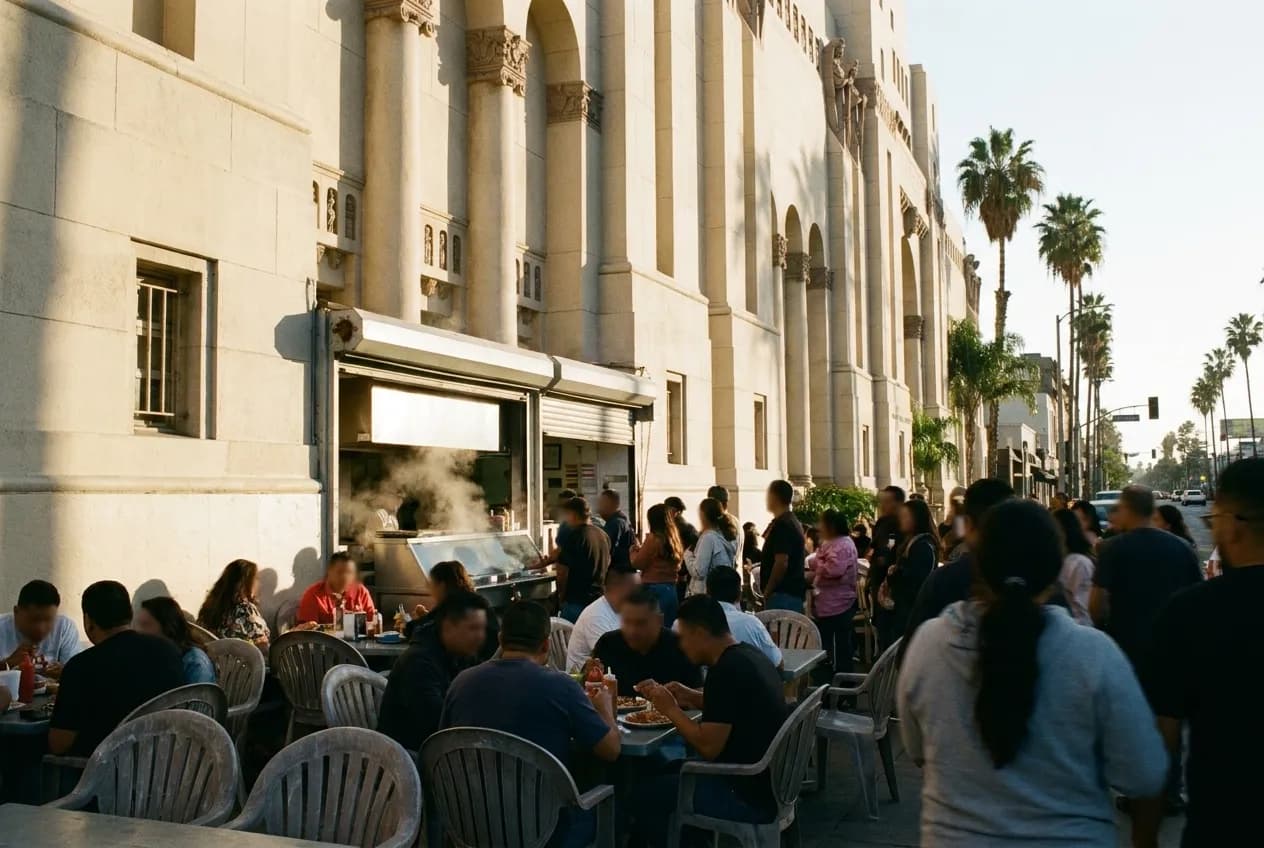
The mariscos format runs the opposite schedule. Trucks park at ten or eleven in the morning and stay until nine or ten at night. Storefronts open at eleven and run until the kitchen closes, often past midnight on weekends. The peak hour is lunch, especially on weekends when families arrive in groups, but the counters stay busy through the evening. If you want seafood after six at night and do not want to sit down in a dining room, the mariscos counters are the only format still running.
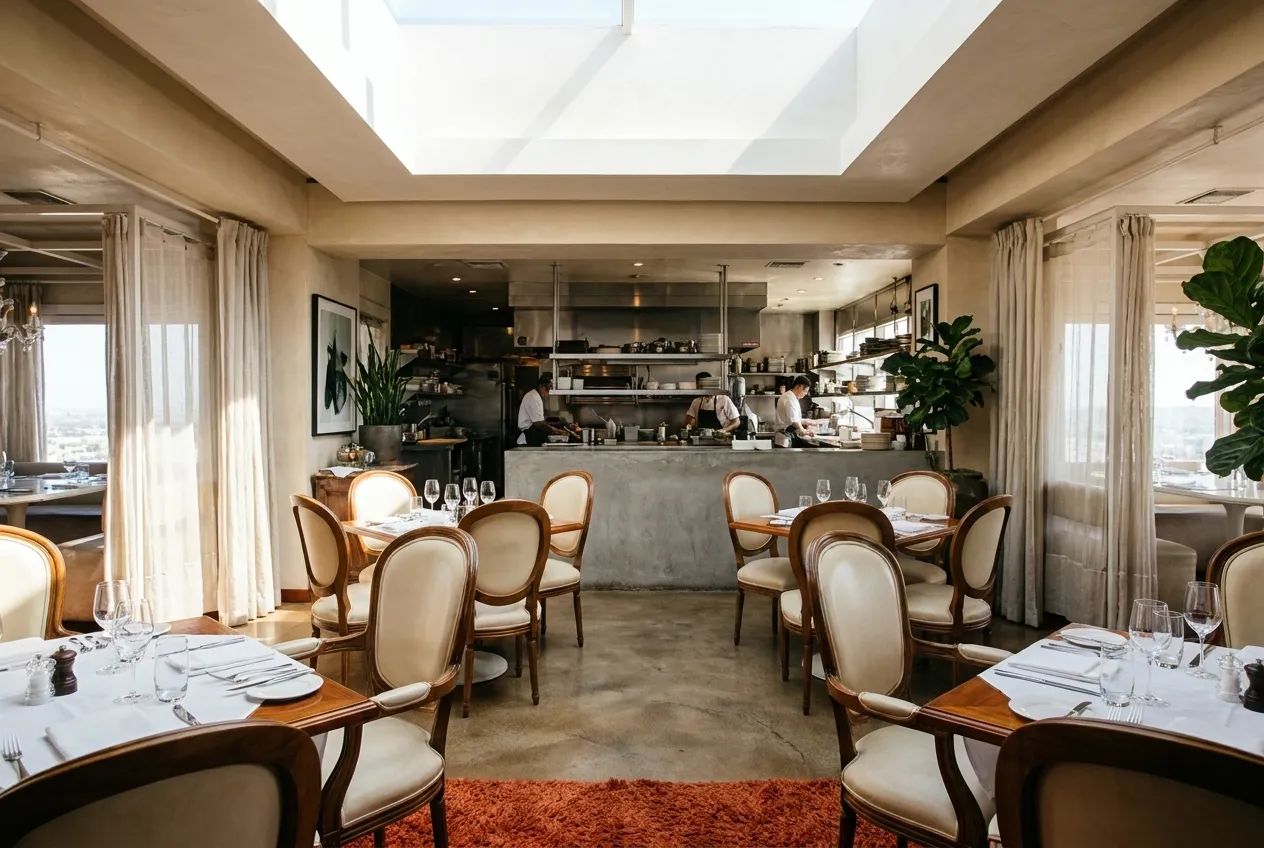
Westside dining rooms run conventional restaurant hours: lunch service weekdays, dinner every night, brunch on weekends. Reservations open thirty days out for the busier rooms, but most neighborhoods have enough capacity that you can walk in on a weeknight. Weekend evenings book up. If you want a table at seven on a Saturday in Santa Monica or Manhattan Beach, you need to plan three days ahead or accept a nine-thirty seating.
Price Bands Separate by Twenty Dollars
The harbor markets sell by the pound. Whole fish runs eight to fifteen dollars per pound depending on species. Fillets cost more. A pound and a half of whole fish, which feeds two people if you cook it at home, costs twelve to twenty dollars. You are buying raw product and taking it with you. There is no preparation, no seating, no service. Some markets will clean and fillet for an additional charge. You leave with a plastic bag and a receipt.
Mariscos counters charge by the plate. A shrimp cocktail costs ten to fourteen dollars. Tacos run three to five dollars each, and you need three to make a meal. A tostada piled with ceviche or octopus costs eight to twelve dollars. A full seafood platter with rice and beans runs eighteen to twenty-five dollars. A meal for one person costs fifteen to twenty dollars before drinks. A meal for two costs thirty to forty dollars. You eat standing at a counter or sitting in a plastic chair. The food arrives in styrofoam or on paper plates.
Westside dining rooms charge sit-down prices. Appetizers start at fourteen dollars and run to twenty-eight. Entrees start at twenty-six dollars and run past fifty for whole fish or lobster. A two-course meal for one person costs forty-five to sixty-five dollars before drinks. Wine adds another twenty to forty dollars per person. A meal for two costs one hundred twenty to one hundred eighty dollars with wine and tip. You sit at a table with silverware and glassware. Someone takes your order and brings your food on ceramic plates.
What You Order Depends on the Format
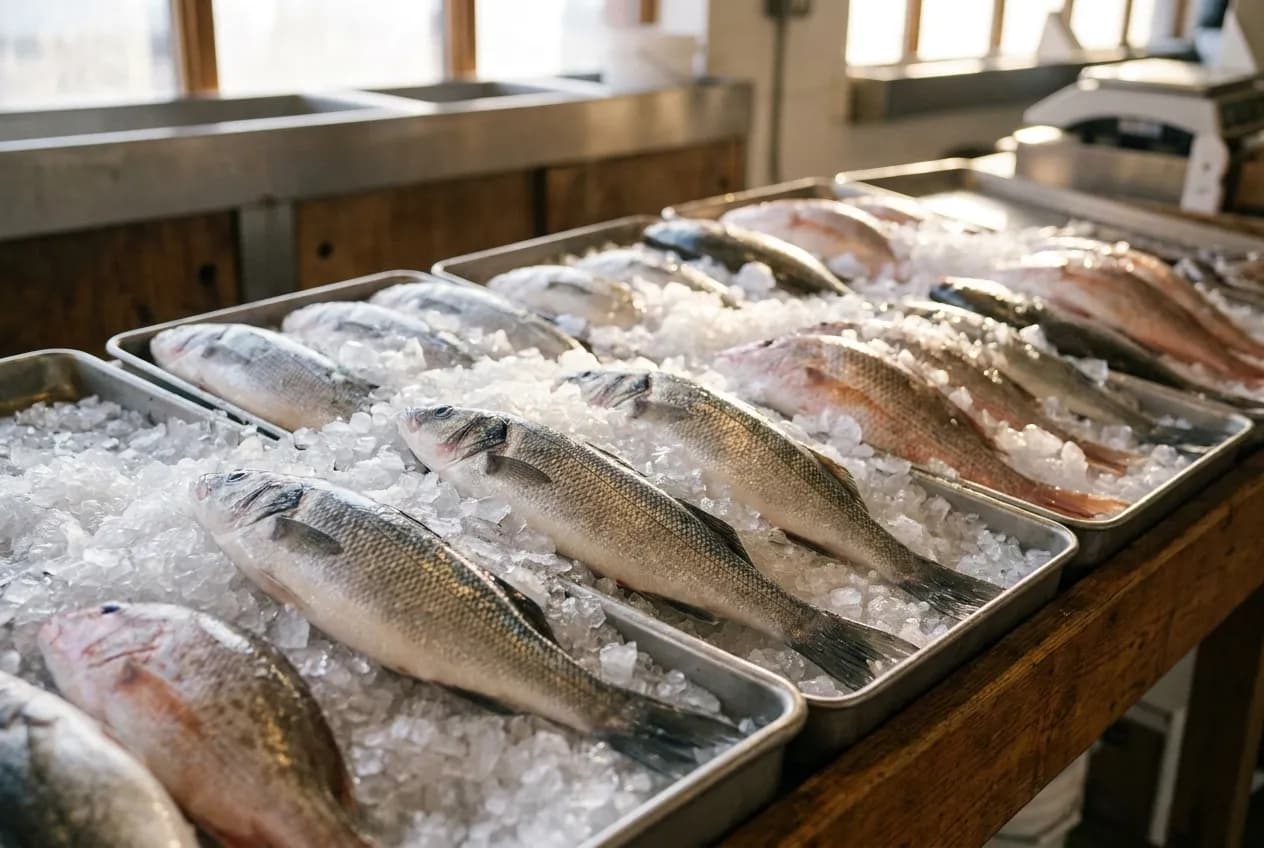
At the harbor markets you buy whole fish if you know how to cook it, or fillets if you do not. The best value is whatever came in that morning in volume: mackerel, rockfish, sanddabs, black cod when the boats have been out. Shellfish costs more and sells faster. Spot prawns appear in spring and summer and sell out by nine in the morning. If you arrive after ten you get what is left, which is still good but not the thing people lined up for. The counters do not prepare food. You are shopping, not eating.
At mariscos counters you order the format, not the species. Ceviche, aguachile, cocktails and tostadas arrive cold and rely on acid and chile to do the work. Tacos, quesadillas and fried plates arrive hot and rely on heat and fat. Shrimp and octopus are the default proteins. Fish appears as battered and fried filets. The preparation matters more than the species. A shrimp taco and an octopus tostada taste more different from each other than two shrimp tacos from two different trucks. Order the format you want, then add or subtract chile.
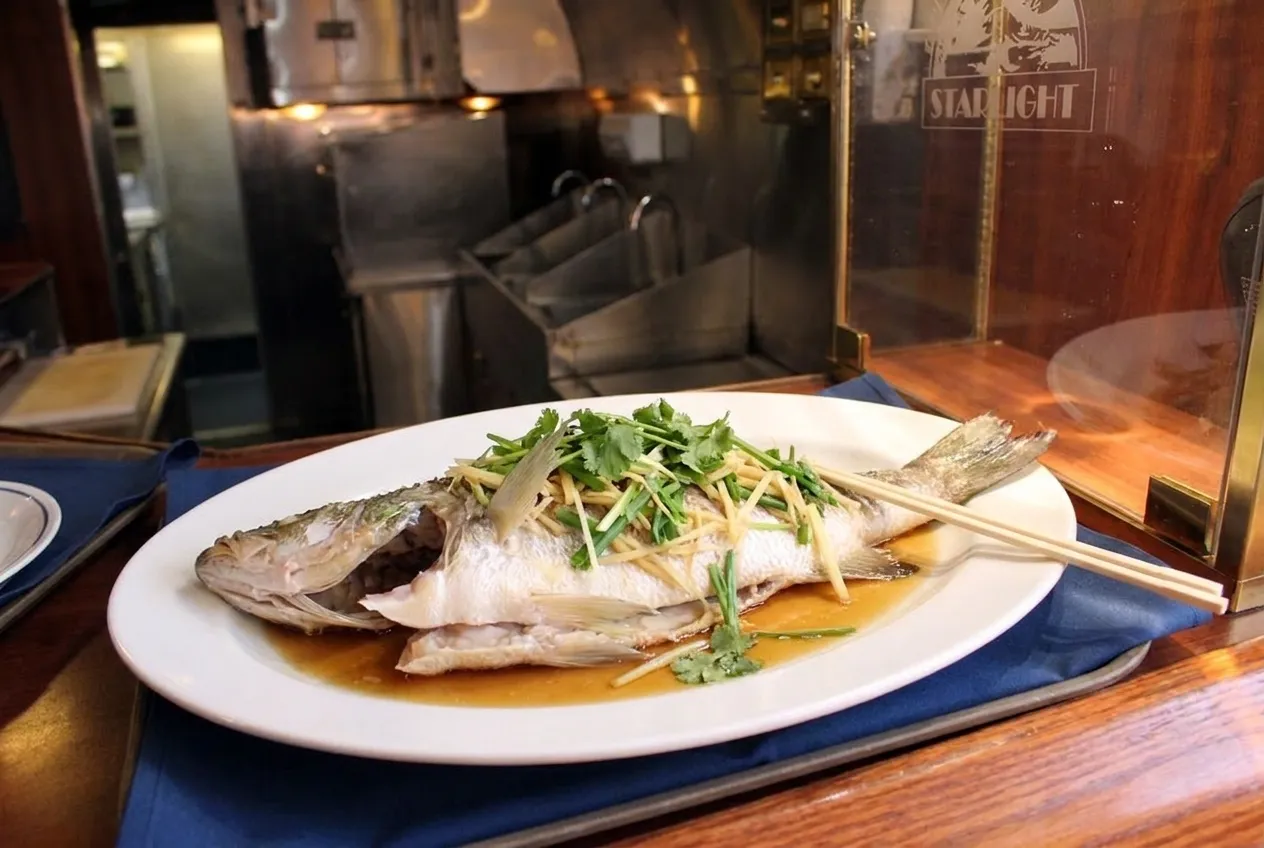
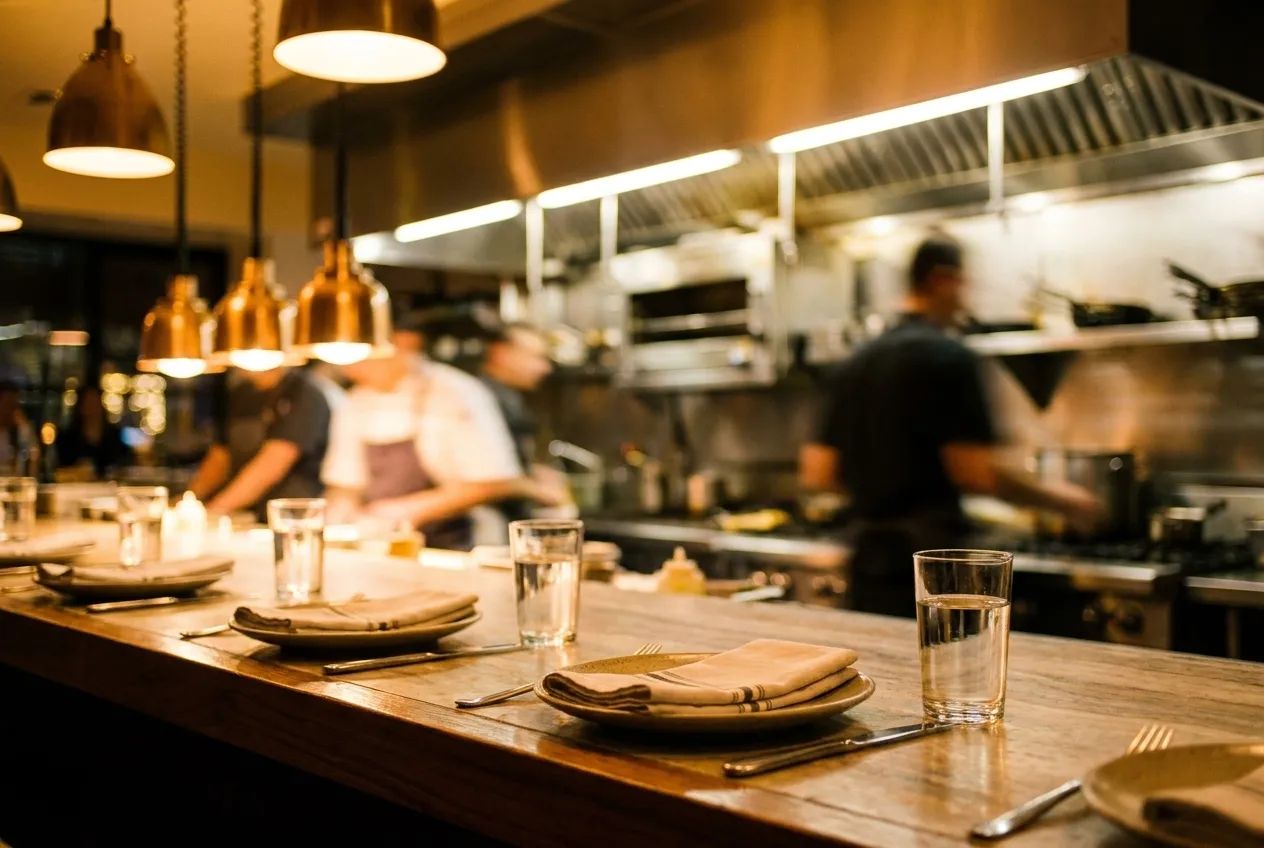
In Westside dining rooms you order composed dishes: grilled fish with seasonal vegetables, crudo with citrus and olive oil, whole fish roasted and filleted tableside, pasta with clams or mussels. The menu lists species and sourcing. The kitchen cooks to order and plates everything as individual courses. You can ask questions and get answers about where the fish came from and how it was caught. The meal unfolds over an hour or more. You are paying for the room, the service and the technique as much as the seafood.
Reading the Street in Ten Seconds
When you arrive at a harbor market, look at the parking lot. If it is half full and the sun is still low, the counters are running and the product is good. If the lot is empty and the sun is high, you are too late. Walk the aisles and look at the ice. If the fish are buried in fresh ice and the counters are busy, the product is moving. If the ice is melting and the counters are quiet, the best fish sold hours ago.
When you pull up to a mariscos truck or storefront, look at the line. If six people are waiting and the counter is moving, the kitchen is keeping up and the food is coming out fast. If fifteen people are waiting and no one is eating yet, the kitchen is backed up and you will wait thirty minutes. If no one is waiting and it is noon on a Saturday, the food is not good or the truck just opened. Check the posted menu for prices. If shrimp tacos cost less than three dollars or more than six, something is wrong.
When you walk into a Westside dining room without a reservation, look at the host stand and the bar. If the host makes eye contact and asks how many, they have tables. If the host does not look up and the bar is full, they are booked. If the dining room is half empty at seven on a weekend, the room is new, the reviews are bad, or it is August and everyone is somewhere else. Check the menu posted outside before you commit. If entrees start above thirty-five dollars and the room is quiet, you can do better.
Tags: #SeafoodNearMe #LosAngelesSeafood #SanPedroFish #MariscosLA #WestsideRestaurants #LAFoodScene #HarborMarkets #EastLAFood #SantaMonicaDining #FreshSeafood #LosAngelesEats #SeafoodMarkets #CaliforniaSeafood #LARestaurants
Please drink responsibly. Must be of legal drinking age.
All trademarks are the property of their respective owners.
Ask Karpo first
Open the Karpo app to see which harbor markets are open right now, where the closest mariscos counter is running, and which Westside rooms have tables in the next hour. Karpo pulls live hours and current wait estimates so you know what is actually available before you drive. The app builds a route based on what is open when you are ready to eat.