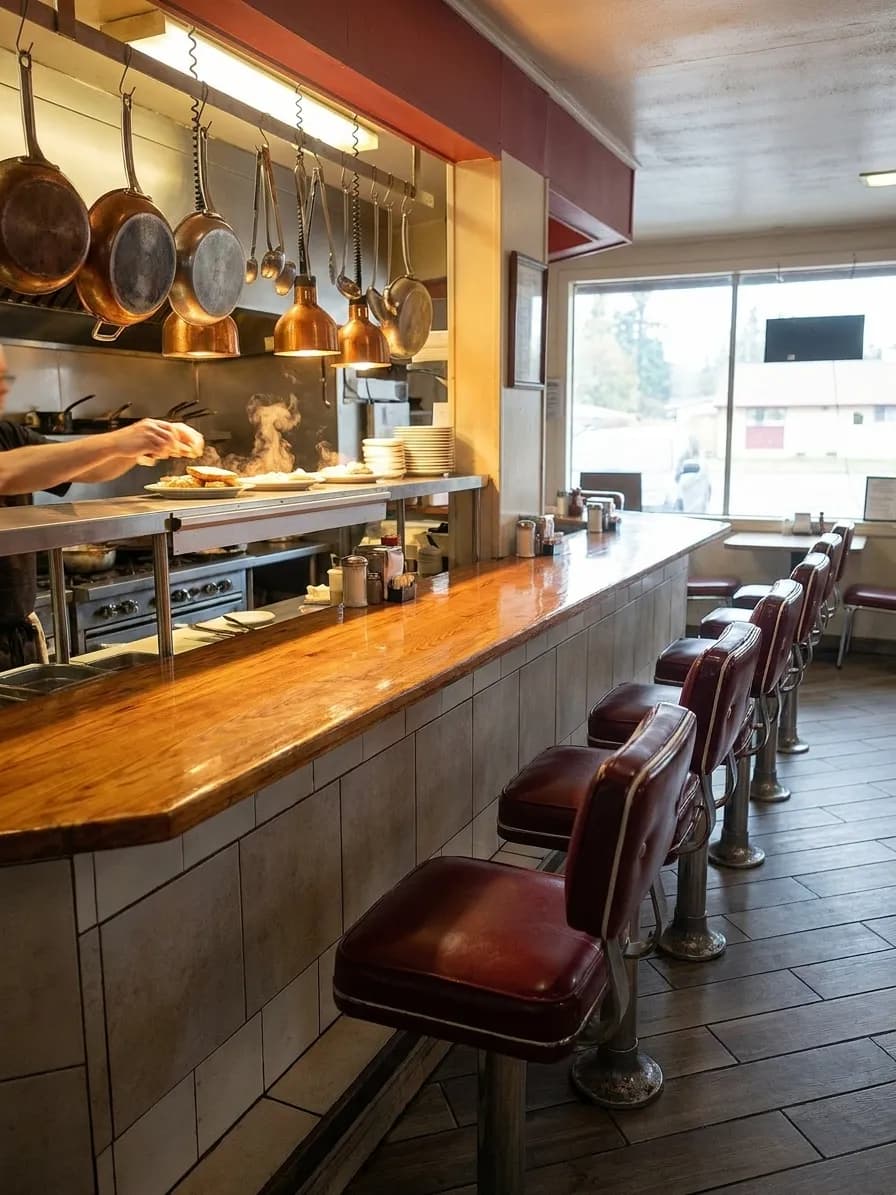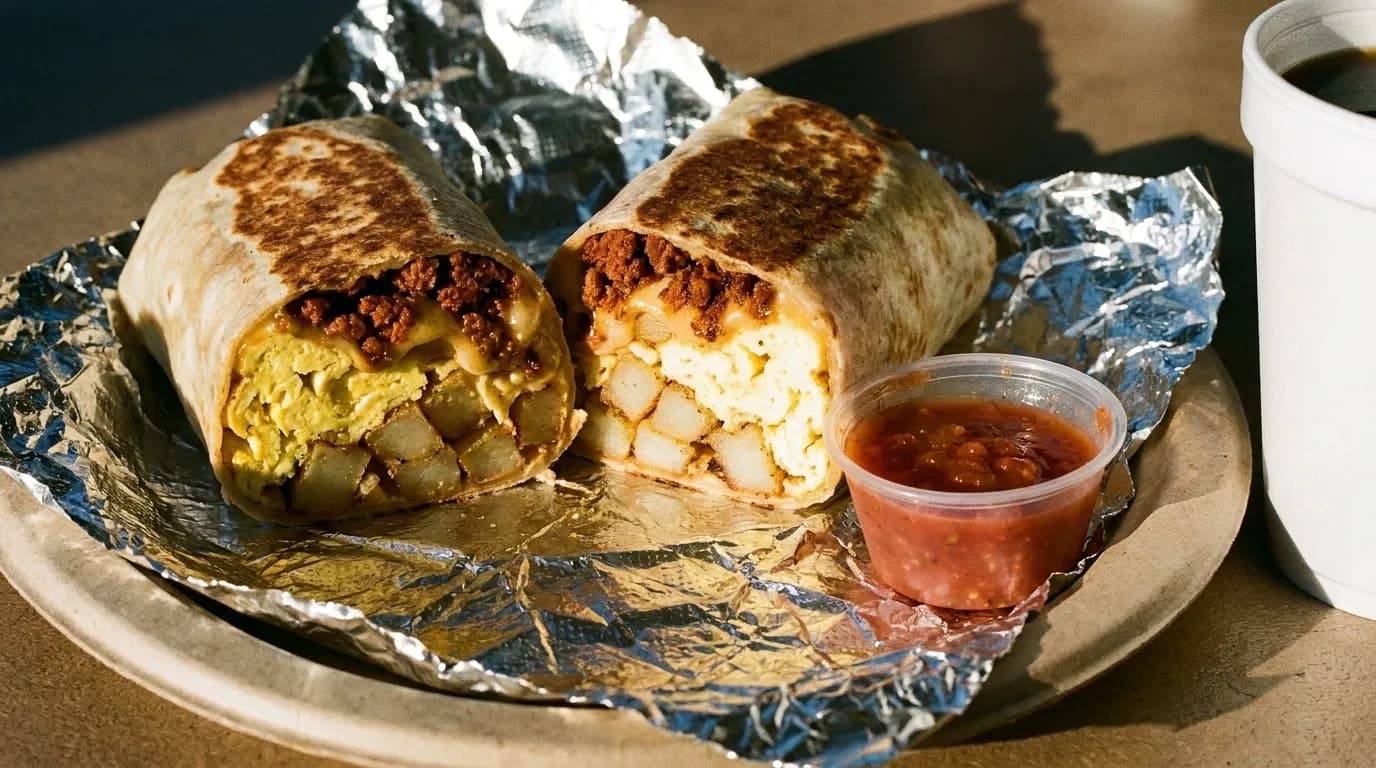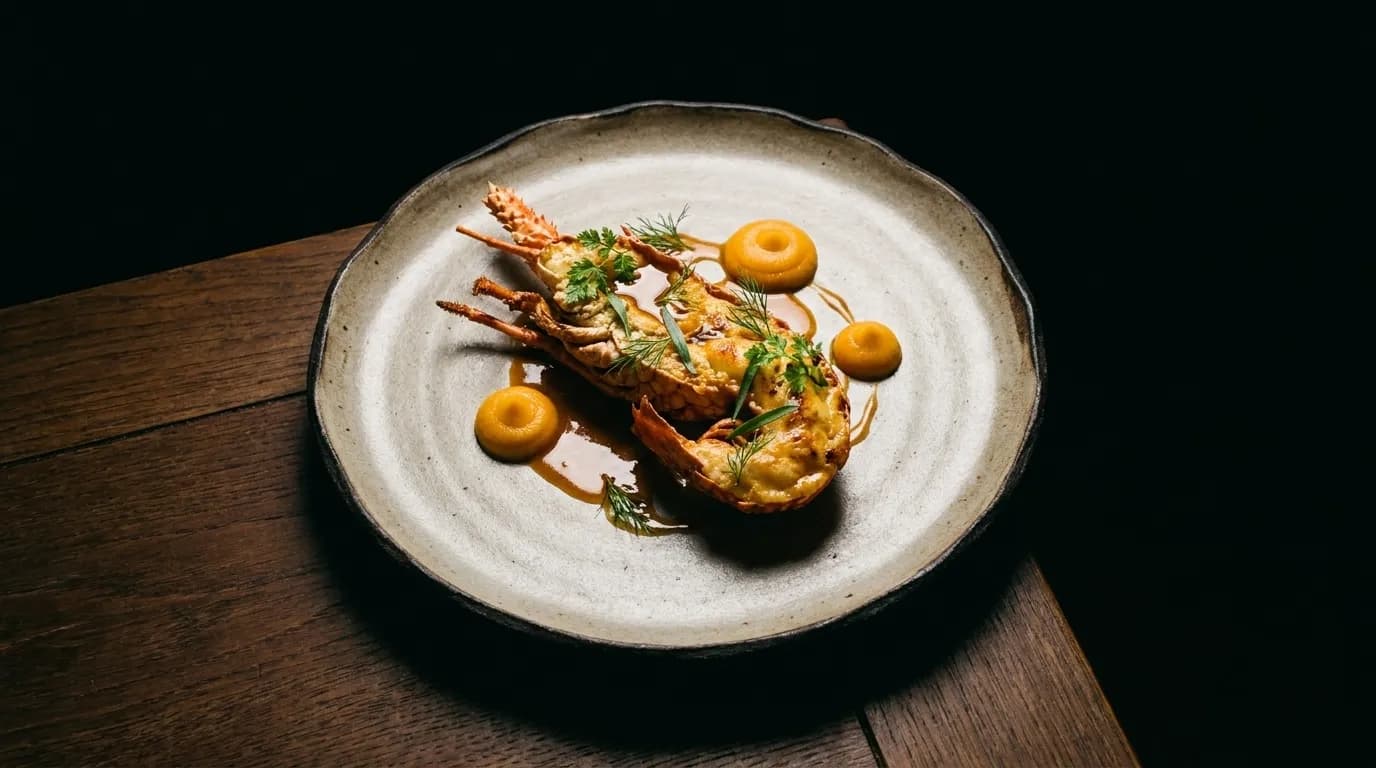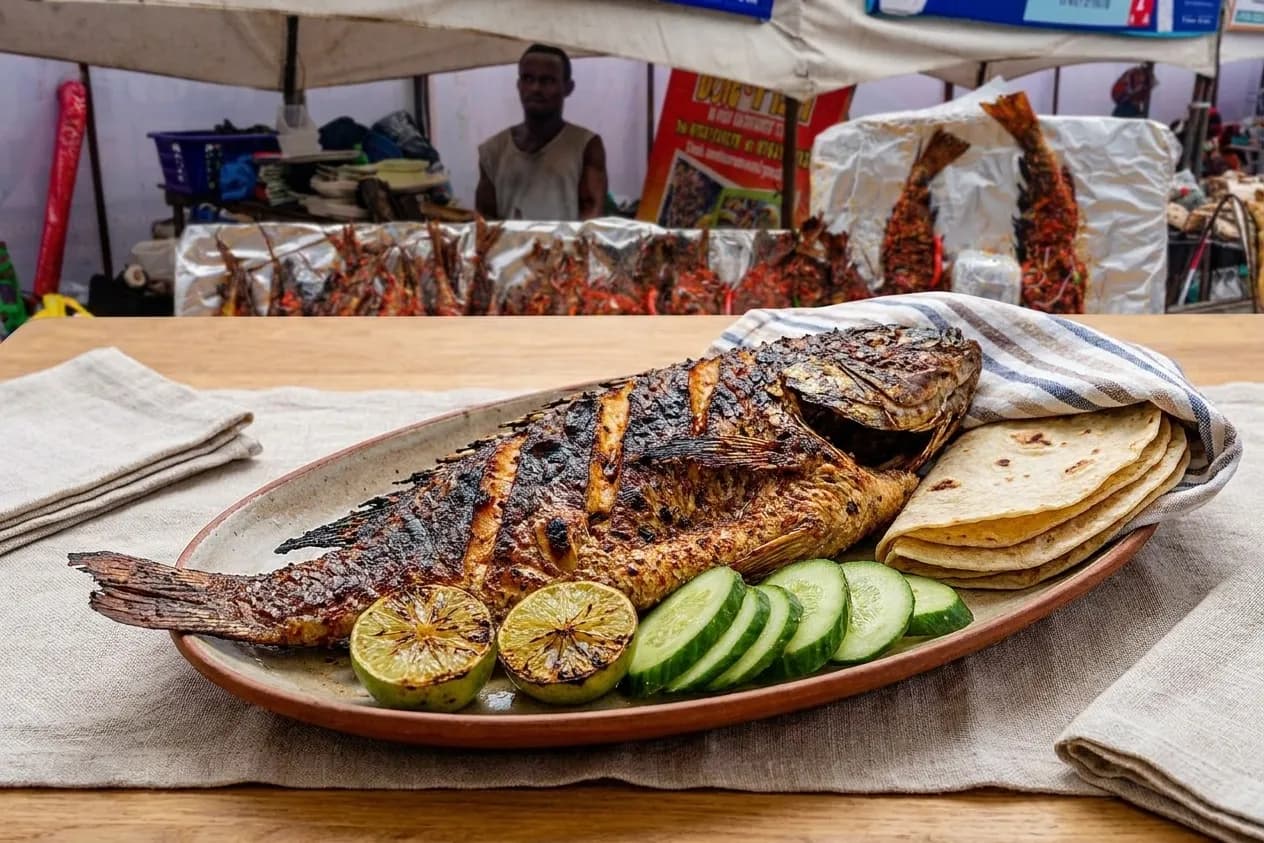
When people search seafood near me in LA for a special dinner they usually mean one of two completely different evenings, and picking the wrong one is why special dinners disappoint. There is the tasting-menu evening, where seafood arrives in twelve small acts and the pleasure is precision. And there is the whole-fish evening, where a single large animal comes to the table on a platter and four people take it apart with their hands and a stack of tortillas. Both are special. Only one of them is celebratory in the loud, communal sense most occasions actually call for, and it is usually cheaper. Los Angeles happens to be one of the best cities in the country for the second kind.
Karpo can work out which Los Angeles rooms have a whole fish on tonight, how far ahead each needs booking, and what a table for six actually costs.
The Sinaloa and Nayarit tradition is the city's best special dinner
Coni'Seafood at 3544 West Imperial Highway in Inglewood is the reference point. It brings shrimp, whole fish and other core ingredients from Sinaloa and Nayarit to cook Nayarit-style seafood, and it is open every day from 10am to 8pm. The dish to order is pescado zarandeado — a whole snook, butterflied, marinated and char-grilled over a flame, served with caramelised onion and tortillas so the table builds its own tacos.
The single most important operational fact: the zarandeado takes about thirty minutes. That is not a delay, it is the cooking time, and it is the reason this works as an occasion dinner. You order it the moment you sit down, you drink and eat aguachile and ceviche while it cooks, and the fish arrives as the second act. People who order it at the same time as everything else spend half an hour looking at an empty table and blame the restaurant.
What a whole fish actually costs
Whole fish is usually priced one of two ways and the menu rarely explains which. Either it is a fixed price for a fish of a stated size, or it is priced per pound and the kitchen weighs what it has. Per-pound pricing is where budgets get away from people: a fish described as serving three or four can weigh anything from two to five pounds, and the difference at the till is substantial.
Ask two questions before ordering. What does the fish weigh, and does the price include the sides. In the Mexican seafood tradition the tortillas, onion and salsas usually come with it; in a European-style dining room the vegetables almost never do. A whole fish that looked like good value at the top of the menu can double once three sides arrive at eleven dollars each.
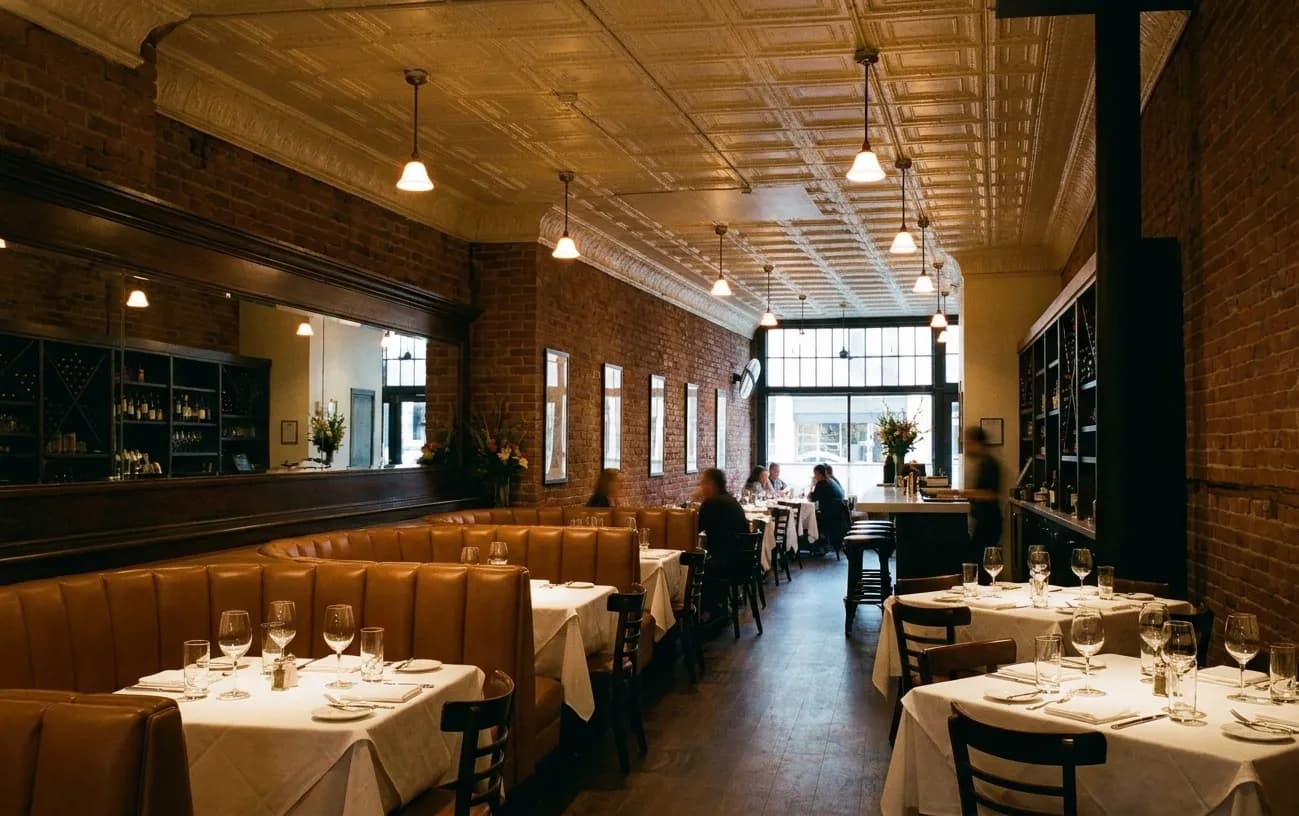
The tasting-menu evening, and when it is the right call
Los Angeles has a serious fine-dining seafood tradition, and a long tasting menu is genuinely the right choice for some occasions — a table of two, a milestone where the point is to be looked after rather than to make a mess, or a diner who wants to see what a kitchen can do with sourcing rather than volume. These rooms book weeks out, often take a deposit or full prepayment at booking, and enforce cancellation windows strictly.
Be honest about which evening you are planning. A tasting menu with six people who want to talk across the table is a bad fit for the format and an expensive way to discover that. The whole-fish table is designed for exactly that group.
The Greek and Mediterranean version
The third whole-fish tradition in the city is Greek and eastern Mediterranean: a fish grilled plainly, dressed with lemon, oil and oregano, filleted at the table. It is the most restrained of the three and the most dependent on the fish itself, because there is nowhere to hide.
This is the version to choose when the occasion is quieter and the group is smaller, and it is also the one where asking to see the fish before it is cooked is entirely normal and expected. A good room will bring the whole fish to the table on ice for approval. If that offer is not made and you ask, the reaction tells you a great deal about what is going on in the kitchen.
Booking, timing and the group problem
Whole-fish restaurants in Los Angeles are frequently smaller and more popular than their profile suggests, and a table for six on a Saturday is a different proposition from a table for two. Larger parties often trigger a deposit, a set menu, or a limited seating window, and at the busier rooms an eight-top may simply not exist.
Two rules make this easier. Book the fish, not just the table — many places will hold a specific large fish if you ask when you reserve, and at somewhere that runs out of the good ones by 7pm this is the difference between the meal you planned and a substitute. And go earlier than feels natural: a 6pm seating at a whole-fish restaurant means a fish that has not been sitting and a kitchen that has time to cook it properly.
How to eat it without wasting half of it
The cheeks are the best meat on the fish and most tables leave them. So is the collar. Start at the thickest part behind the head, work down toward the tail, and when the top side is done lift the entire skeleton out in one piece rather than turning the fish over — the second side comes away clean and nobody ends up with bones.
Order fewer sides than you think. A whole fish plus tortillas or bread plus one sharp salad is the complete meal, and the tables that end up with four barely-touched dishes are the ones that ordered as though the fish were an entrée rather than the entire point of the evening.
Tags: #LASeafood #WholeFish #PescadoZarandeado #Inglewood #SpecialOccasion #SeafoodNearMe #LosAngelesFood #Mariscos #TastingMenu #LAEats #Nayarit #Sinaloa #DinnerInLA #CelebrationDinner
Please drink responsibly. Must be of legal drinking age.
All trademarks are the property of their respective owners.
Ask Karpo first
Want to know which Los Angeles rooms have a whole fish worth ordering tonight, what it weighs, and how long the grill actually takes? Ask Karpo before you book the table.