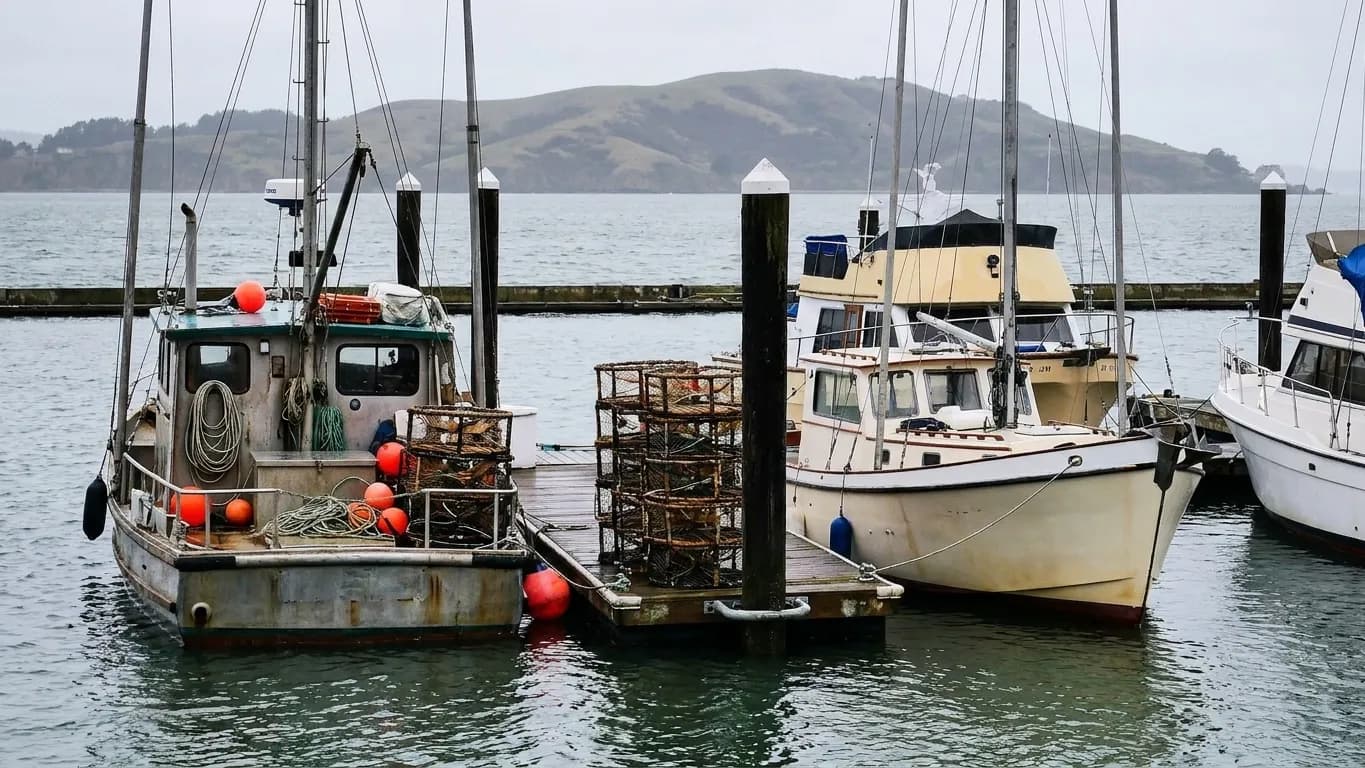
Every seafood restaurant in San Francisco says fresh, and the word carries almost no information. What does carry information is the calendar. This is a working port at the edge of a heavily regulated fishery, and what is legally landable here changes several times a year — sometimes at short notice, sometimes for a whole season. If you know roughly what the boats are bringing in during the month you are eating, you can read any menu in the city and tell which dishes are local and which have travelled.
The freshest thing on a San Francisco seafood menu changes with the season and the fishery, not with the restaurant. Tell Karpo when you are going and it will tell you what is actually landing and where to eat it.
Dungeness crab: the season that moves
Crab is the city's signature and the most volatile item on the calendar. The commercial season traditionally opens in the late autumn and runs into spring, but openings have been delayed repeatedly in recent years to protect migrating whales from vertical trap lines, and closures can arrive mid-season. The practical consequence for a diner is simple: crab on a menu in the deep off-season is frozen or imported, which is not a scam but is a different product at the same price.
When the local season is genuinely open, the best value is not the restaurant version. It is a whole cooked crab from a market counter, cracked at home with bread and butter, for a fraction of what the same animal costs plated.
Salmon: the fishery that may simply not be there
California's commercial salmon season has been closed or severely curtailed in recent years because of low returns in the rivers that feed it. When that happens, salmon does not vanish from menus — it comes from Alaska instead, which is a fine fish and an honest one if the menu says so. A restaurant advertising local king salmon in a closed year is telling you something about how carefully it sources everything else.
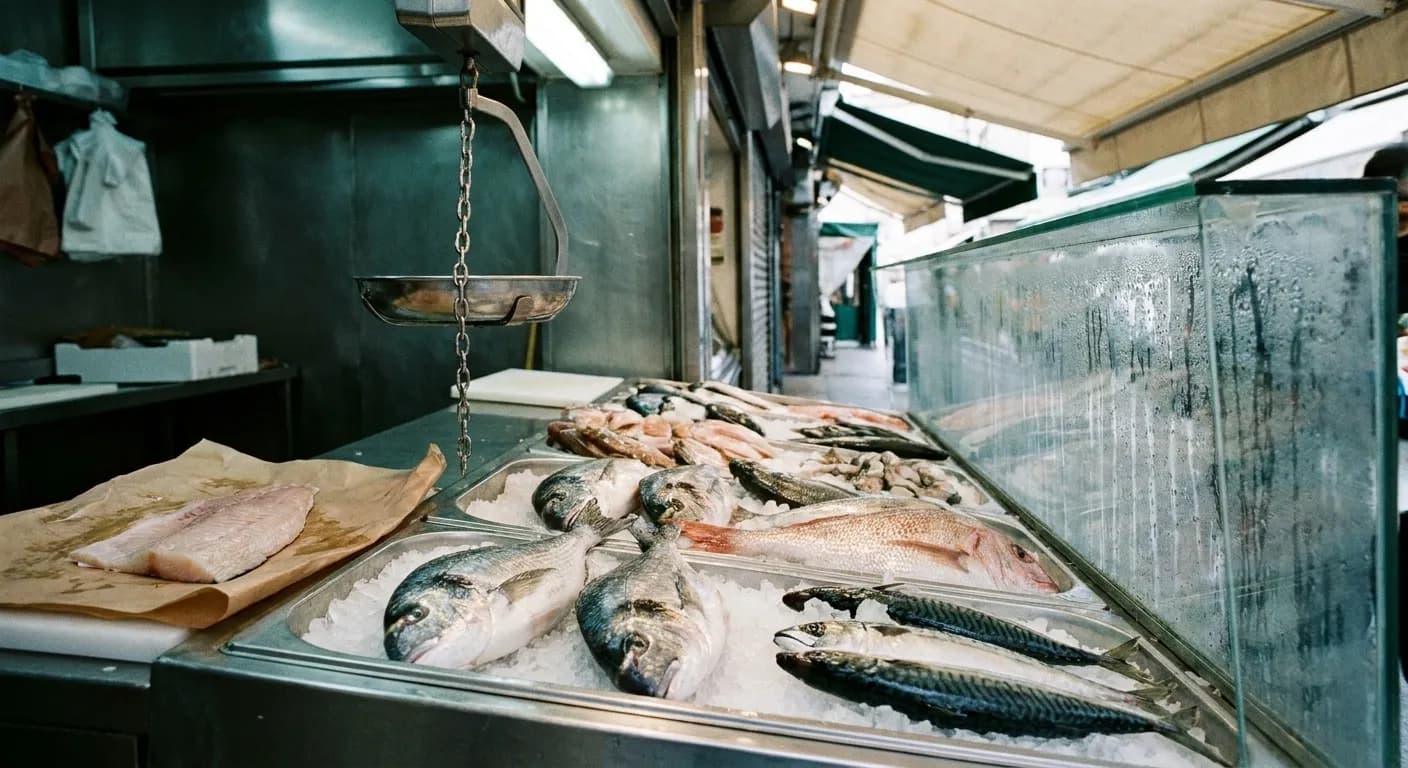
What is reliably here: rockfish, halibut, squid, sanddabs
The unglamorous species are the ones that make San Francisco seafood good. Rockfish under a dozen names, California halibut through the warmer months, market squid in large volume, petrale sole and sanddabs that mostly appear on older menus. These are cheaper than crab and salmon, land locally through most of the year, and are what the city's long-running fish houses have always actually served. Ordering the least famous fish on the menu is close to a rule here.
Oysters are farmed, which is the good news
Almost all the oysters you will eat in this city are farmed in the estuaries north of it rather than dredged, so they are available year-round and traceable to a specific bay. The old advice about months with an R applies to wild harvest and to a world before refrigeration. What matters now is how long ago the sack was opened, which is a restaurant question rather than a season one — a busy raw bar is a better bet than a quiet one on a Tuesday.
How to read a menu with the calendar in hand
Look for the species name rather than the preparation. A menu that says petrale, sanddab, rockfish, sardine, squid is buying what came in. A menu that says fish of the day for eleven months is buying what is easy. Ask which port something came through — the kitchens that can answer are the ones worth returning to, and the question is never unwelcome at a counter.
Geographically, the honest split is that the tourist waterfront sells the idea of this and the neighbourhood fish houses, the market counters in the Richmond and the Vietnamese and Cantonese kitchens across the city sell the reality, usually for less.
Season dates, closures and sourcing change from year to year and sometimes mid-month, so check current fishery notices rather than relying on last year's pattern.
What sustainable actually means on a menu here
San Francisco diners see the word constantly and it covers a wide range of rigour. The useful version is specific: a named species, a named fishery or farm, and a gear type. The unhelpful version is a logo with no detail behind it. California's own fisheries are among the most tightly managed in the world, so local and sustainable overlap here far more than they do elsewhere — which is a reasonable argument for simply ordering the local thing and not agonising further.
The Monterey Bay Aquarium's Seafood Watch programme, which is based a short distance down the coast, publishes species-by-species guidance that is genuinely readable and updated as fisheries change. Reading it once tells you more than any restaurant's sourcing statement, and it makes the menu question — where did this come through — a conversation rather than a challenge.
Tags: #SanFrancisco #SF #BayArea #Restaurants #WhereToEat #Dining #Seafood #SFEats #SFGuide #ExploreSF #SFLocal #SFWeekend #SFNights #SFFood
Sources consulted: wildlife.ca.gov · sfchronicle.com · montereybayaquarium.org
All trademarks are the property of their respective owners.
Ask Karpo first
Karpo is a proactive AI assistant that lives in iMessage. Ask what is in season and it will match the month to a table.