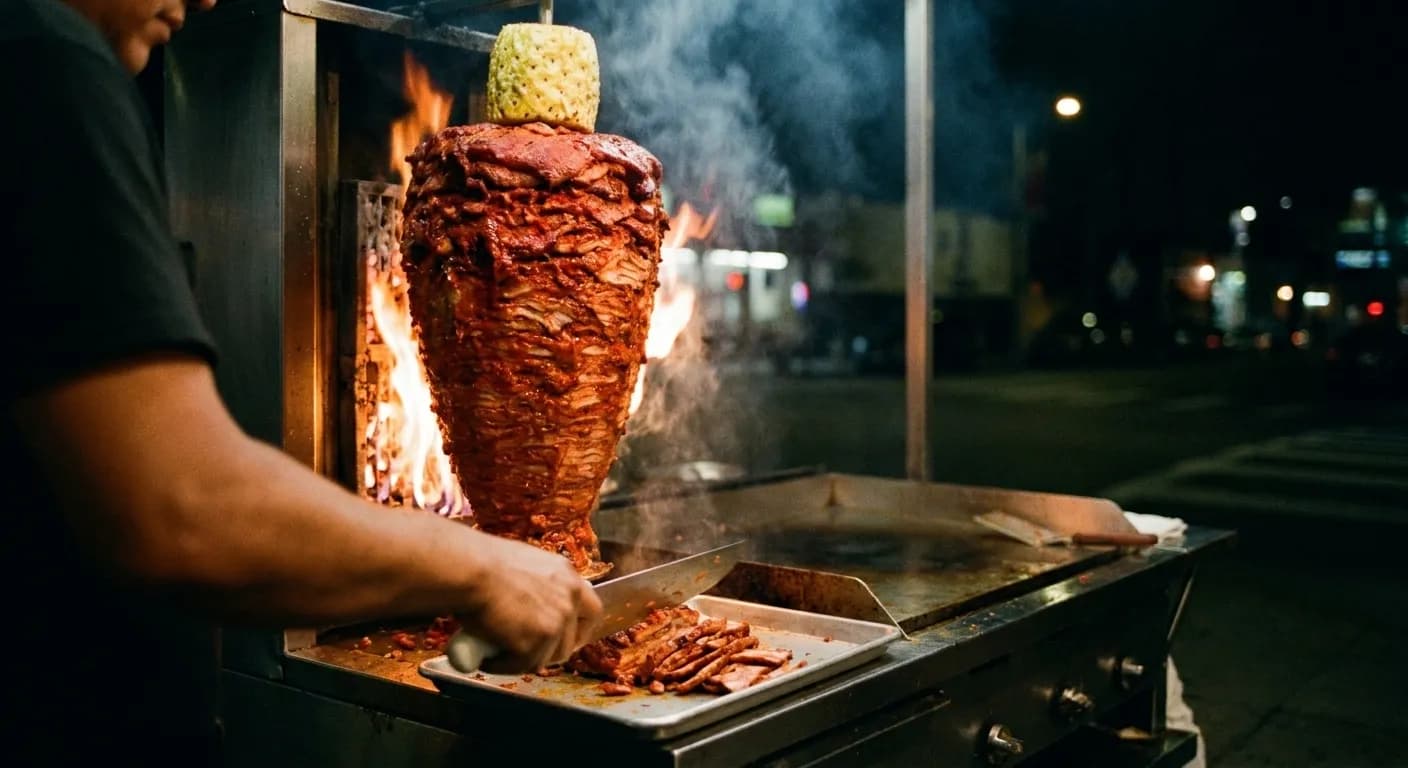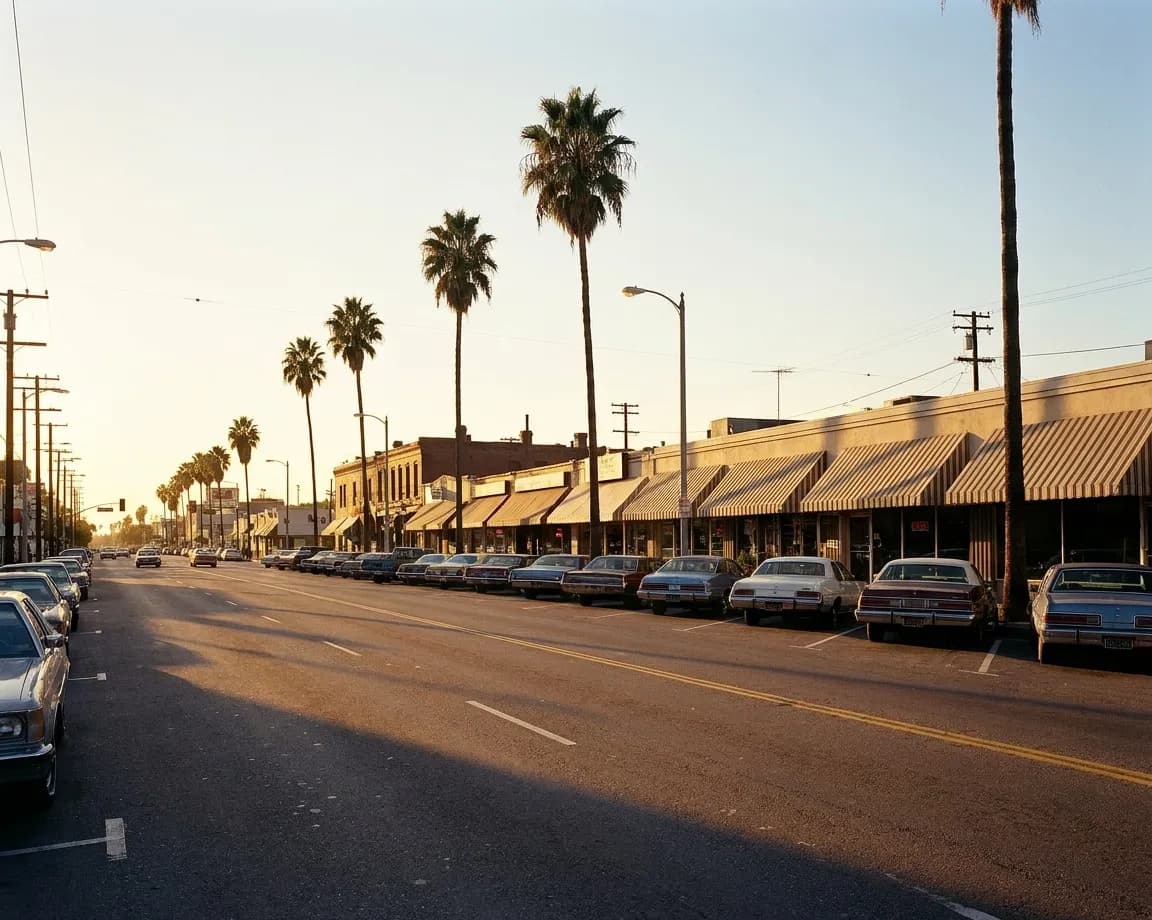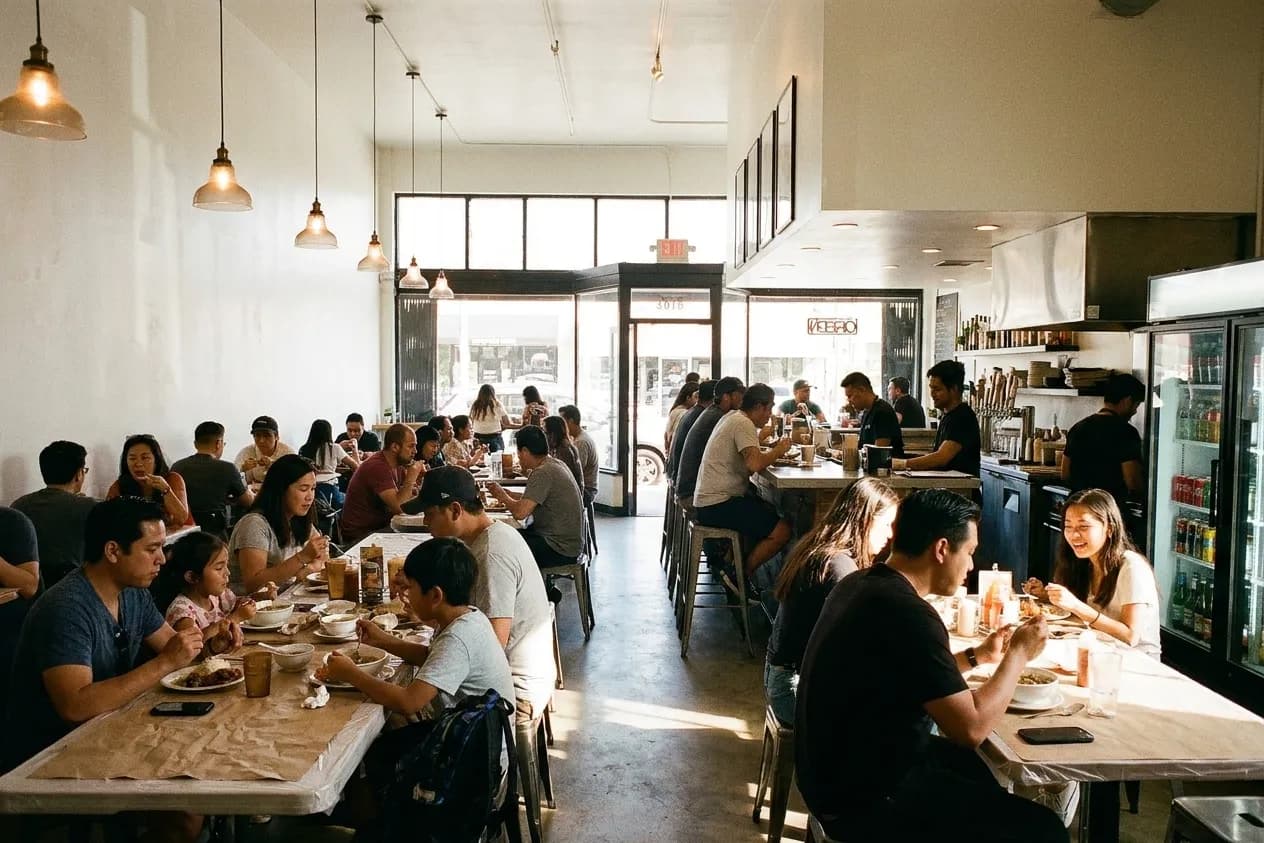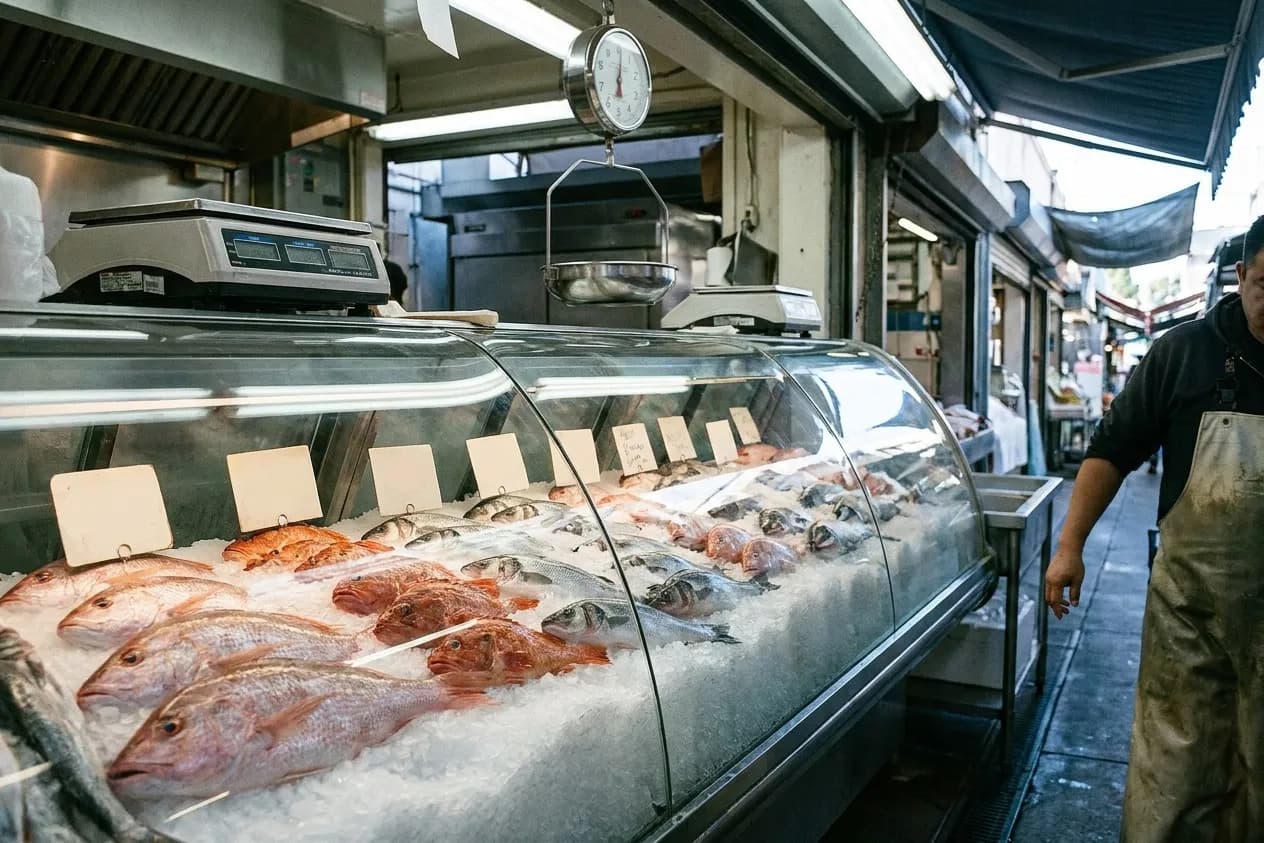
Every seafood restaurant in Los Angeles will tell you its fish is fresh, and the claim is unfalsifiable as stated. What is actually knowable is the chain: where the fish was landed, how many hands it passed through, and how long ago. Los Angeles has an unusual seafood geography — a working port, a wholesale market district, a long coastline that produces surprisingly little of what gets eaten, and a huge population that eats fish from everywhere. Once you can see the chain, choosing gets much easier.
Every seafood menu in Los Angeles says fresh, and the word does almost no work. Tell Karpo which part of the county you are in and what you feel like eating, and it will steer you toward the places whose supply actually supports the claim.
Link one: the harbour and the boats
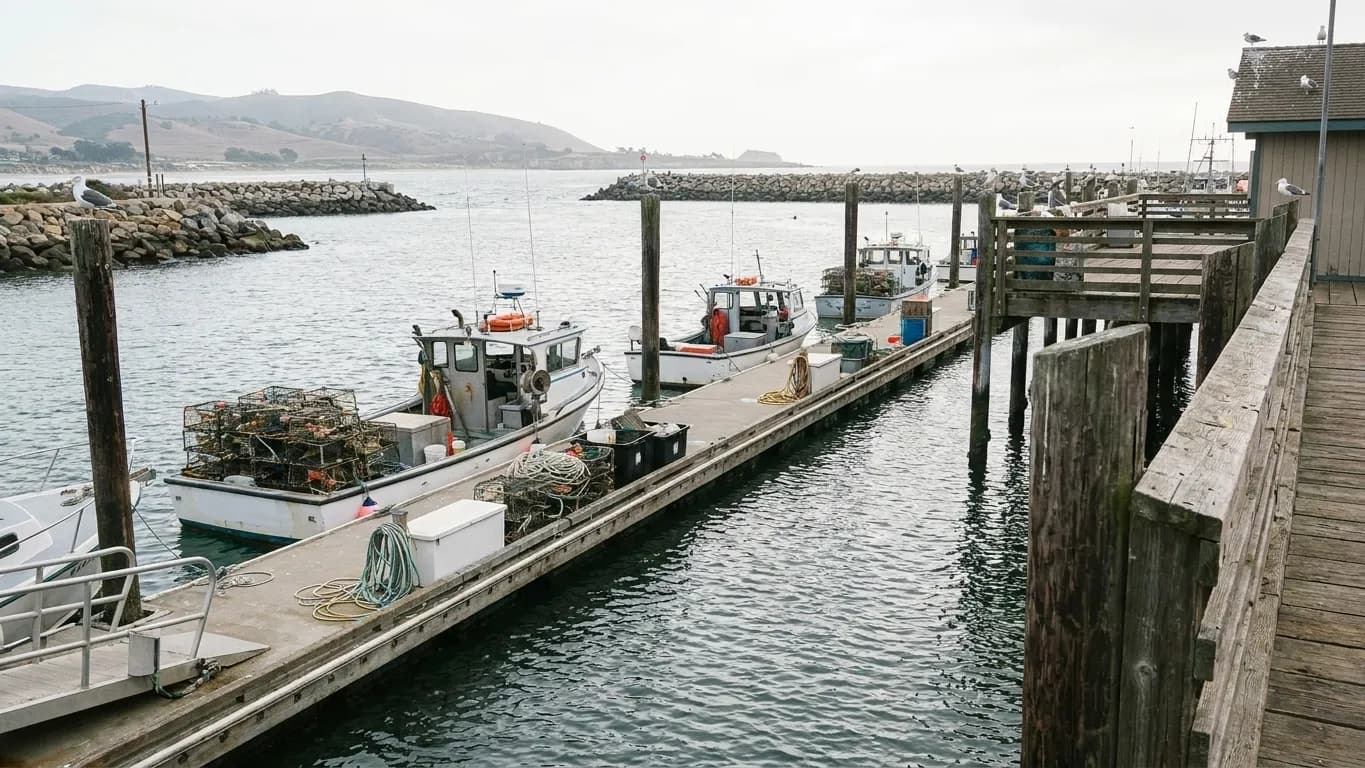
The shortest chain in the county is buying directly where boats land — small commercial operations selling off the dock, and the handful of restaurants sitting within sight of them. What comes out of local water is a narrower list than most menus imply: rockfish, sea bass, sanddabs, halibut in season, spot prawns and lobster at particular times of year, plus urchin and shellfish. If you want genuinely local fish, order from that list rather than from the menu's headline items.
The trade-off at the harbour is that ambience and cooking are not the point. These are simple operations built around volume and a view, and the right order is the plainest one available — grilled or fried, whole where possible, with as little sauce as the kitchen will allow.
Link two: the wholesale market and the counters that buy there
Most seafood eaten in Los Angeles passes through a wholesale market, and the restaurants that buy there daily are a meaningfully different class from those on a weekly delivery schedule. You can identify them by behaviour rather than by claim: a short fish list that changes, a board rather than a printed menu, a willingness to tell you what came in this morning, and a refusal to serve something because it did not look right today.
This is also where the city's fish markets with a small kitchen attached sit, and they are consistently the best value in the category. You are buying at close to counter price with a cooking fee on top, which is a fraction of what the same fish costs in a dining room with a bar programme.
Link three: the ethnic seafood traditions doing it better
Los Angeles has several communities whose cooking is built around fish and whose standards for freshness are simply higher than the general market's. Whole steamed fish, raw preparations, live tanks, ceviche and aguachile styles, and grilled whole-fish traditions all exist here at a level that would be a destination in another city. These kitchens tend to buy daily because their dishes cannot hide an old fish.
A live tank is the strongest freshness signal available and a useful shortcut. So is a menu that lists fish by species and preparation rather than by dish name, because it implies the kitchen expects the species available to change.
Link four: the dining rooms, and when they are worth it
Full-service seafood restaurants are the longest chain and the highest price, and they are worth it for a specific reason: technique. A kitchen that can cook fish precisely, build a sauce, and serve it in a room where you want to sit for two hours is selling something the fish counter cannot. Just be clear that you are buying skill and setting, not shorter supply.
In this tier the useful questions are about sourcing rather than freshness. Asking where a fish is from gets a specific answer at a serious restaurant and a vague one elsewhere, and the difference in the answer tells you which kind of room you are in.
Ordering rules that survive any menu
Order what is in season and local when you can name it. Prefer whole fish over fillets where the format allows, because a whole fish is harder to disguise and cheaper per pound. Be more cautious with raw preparations at places without high turnover. And treat a very long seafood menu as a warning: no kitchen buys thirty species daily, so most of that list is arriving frozen.
Seasons, landings and market days shift throughout the year, and any specific claim about what is available has a short life. Ask what came in today — it is the one question that works at every link in the chain.
What the price per pound is telling you
Seafood pricing in Los Angeles is unusually informative if you read it as a ratio rather than an absolute. A whole local fish priced close to what the counter charges per pound implies a short chain and a small mark-up. The same species priced at four times counter rate is paying for a dining room, and that is a legitimate charge — but it is not paying for fresher fish.
Be most sceptical where a premium species appears at a suspiciously low price. Cheap versions of expensive fish usually mean a different species with a similar name, a previously frozen product, or a smaller portion than the menu implies. Asking the species by name, rather than by menu description, resolves it in one question.
Tags: #LosAngeles #LA #SoCal #Restaurants #WhereToEat #Dining #Seafood #LAEats #LAGuide #ExploreLA #LALocal #LAWeekend #LANights #LAFood
Sources consulted: laist.com · eater.com · wildlife.ca.gov
All trademarks are the property of their respective owners.
Ask Karpo first
Karpo is a proactive AI assistant that lives in iMessage. Ask what is landing and where to eat it before you book.