 L'Industrie vs Lucali: Brooklyn's Best Pizza Compared
Restaurants
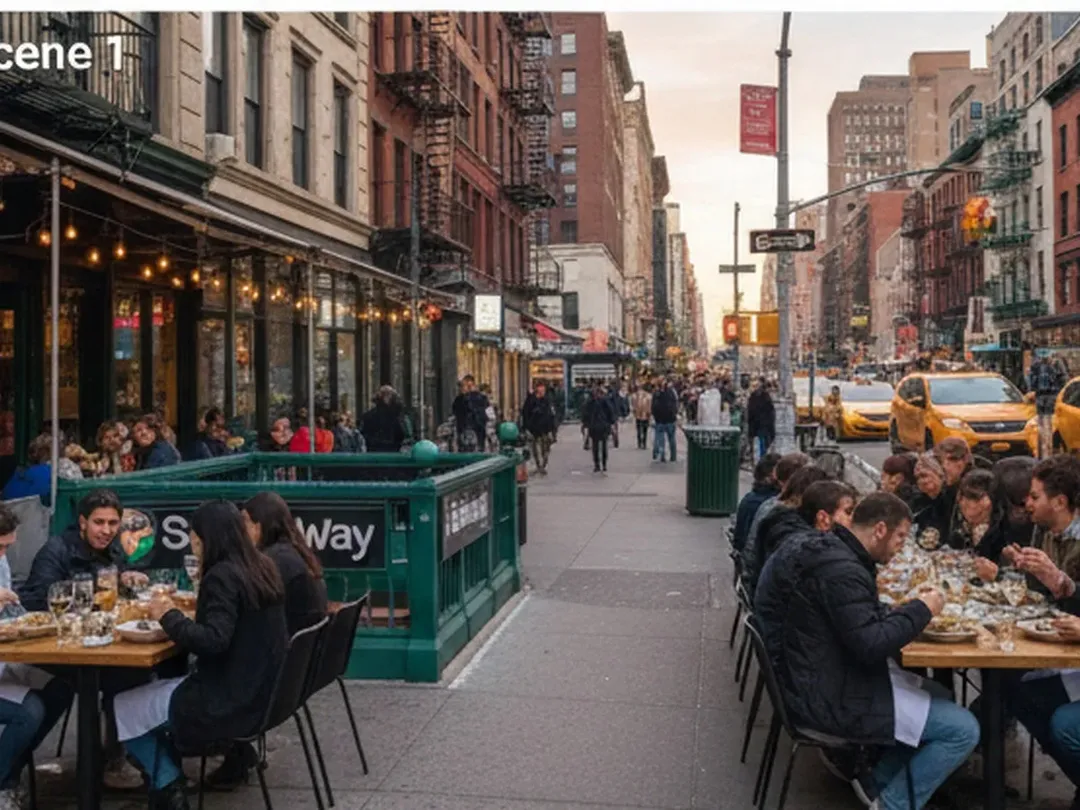
Seafood city guide to NYC restaurants and fish markets
Debunking seafood myths to find real NYC restaurants and markets
New York has long been a “seafood city,” but the reality is more complicated than just picking the nearest lobster roll: between tourist-heavy restaurants, tiny neighborhood markets, high-end omakase counters, and casual clam shacks, you need a strategy to find spots that match your budget, taste, and schedule. This myth-versus-reality guide cuts through the noise with a curated list of standout seafood restaurants and markets across NYC—plus practical transit tips, timing advice, and verification steps—so you can plan smarter and eat better, whether you want a dozen happy-hour oysters or a whole fish for your home grill.
Ready to turn New York into your personal “seafood city”? Save this guide, share it with your group chat, and click through to official restaurant and market sites before you go—so you can confirm hours, book tables, and double-check today’s prices and specials. Use it as your living checklist for exploring new spots, revisiting classics, and planning a full seafood night from subway ride to last oyster.
Myth vs. reality: Is NYC really a “seafood city”?
Myth: New York City is too far from the open ocean to have truly fresh, high-quality seafood. Reality: NYC’s port access and massive restaurant ecosystem mean fish and shellfish arrive daily from the Atlantic, Pacific, and international markets, often reaching raw bars and sushi counters within 24–48 hours of landing. Major seafood distributors and wholesalers operate around Hunts Point and other logistics hubs, supplying both big-name restaurants and small neighborhood spots. Because supply chains are so dense here, you’ll see everything from Long Island clams to Japanese uni—often at the same bar.
Myth: You need to spend serious money for good seafood in New York. Reality: you can absolutely find splurge-worthy omakase and tasting menus, but there are also plenty of mid-range oyster bars, casual crab and lobster joints, and budget-friendly fish markets where you can cook at home. For the best value, look for weekday happy hours, lunch specials, or simple grilled and steamed preparations rather than complex composed plates, and use markets for DIY seafood nights when you want to stretch your dollars.
Myth: The best seafood spots are all in Manhattan. Reality: Manhattan has many famous names, but some of the city’s most interesting seafood is in Queens, Brooklyn, and the Bronx—from Flushing’s seafood-heavy Chinese restaurants to Brighton Beach’s Eastern European fish markets and City Island’s waterfront clusters. It’s usually worth an extra subway or bus ride to reach a borough-specific gem, especially if you want regional styles you won’t find in Midtown. When in doubt, build extra transit time into your plan and check MTA service before you leave, since weekend and late-night changes can affect your route.
Classic Manhattan seafood: myth of the tourist trap
Myth: All Manhattan seafood is overpriced and touristy. Reality: there’s a mix of iconic, genuinely high-quality institutions and smaller spots where locals go for oysters, chowder, and grilled fish. Manhattan is still a strong starting point if you’re short on time or want a “New York” feeling dinner with seafood front and center.
For a classic raw-bar experience, Grand Central Oyster Bar & Restaurant in Grand Central Terminal is both historic and functionally a commuter spot, not just a tourist magnet. You’re steps from multiple subway lines and Metro-North, and the menu usually features dozens of oyster varieties alongside chowders and simple seafood plates. Because it sits inside a major transit hub, you can plan this as a post-work meetup or a pre-train meal; just make sure to check the restaurant’s official site for current hours and reservation details before you go, since schedules can shift with station operations.
If you want an upscale, contemporary take on seafood, restaurants like Le Bernardin focus on fish at fine-dining level, while places such as The Lobster Club and various omakase bars emphasize sushi and sashimi in sleek Midtown spaces. These experiences often require reservations booked directly through the restaurant or trusted platforms; prices vary significantly, so reviewing the latest menu online is essential. To avoid crowds and secure better tables, look at weekday lunches or early-evening slots, and confirm dress codes and any prix-fixe requirements on official pages before committing.
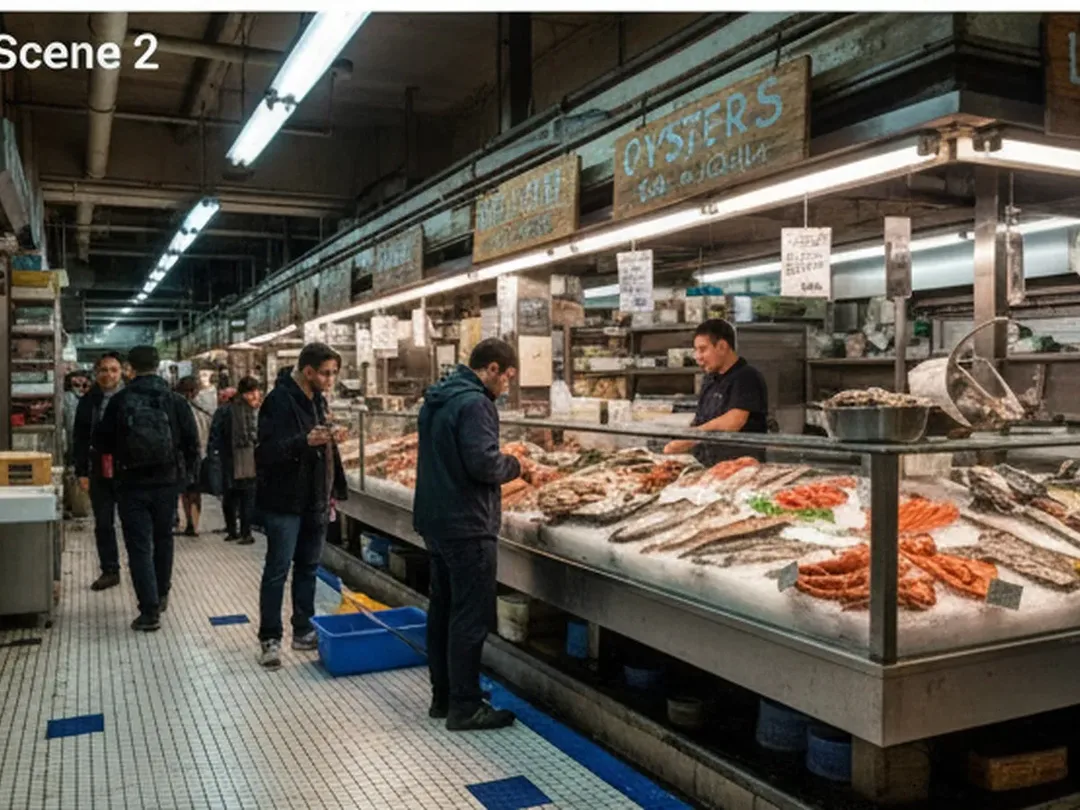
Brooklyn and Queens: reality of neighborhood seafood gems
Myth: Outer-borough seafood is mostly fried and casual. Reality: Brooklyn and Queens host a wide range of seafood experiences, including refined restaurants, seafood-centric gastropubs, and deeply regional spots representing Caribbean, Chinese, Greek, and Eastern European cuisines.
In Brooklyn, waterfront neighborhoods like Greenpoint, Williamsburg, and Red Hook feature seafood-forward menus at modern restaurants alongside classic crab and lobster spots. You’ll find raw bars, mussels, grilled fish, and seasonal specials in settings that range from industrial-chic to laid-back patios. Many of these are reachable by the G, L, F, or R trains, plus local buses and, in some cases, the NYC Ferry; because service patterns can change based on construction or weather, it’s wise to check the MTA site or official NYC Ferry schedule the same day you plan to go.
Queens offers particularly rich seafood options tied to its global communities—think Flushing’s Chinese seafood banquets, Astoria’s Greek tavernas, and Jackson Heights’ South Asian spots, many featuring fish and shellfish as centerpieces. These restaurants tend to emphasize generous portions and communal dishes, making them ideal for group dinners. Subways like the 7, N, W, and R bring you close, but walking times can be longer than they look on the map; plan a buffer so you’re not rushing to your reservation, and always verify the restaurant’s latest contact information and booking policy on its official page since some prefer phone reservations or walk-ins only.
Seafood markets: myth of wholesale-only access
Myth: NYC’s serious seafood is locked behind restaurant-only wholesale markets. Reality: while large wholesale hubs serve restaurants before dawn, there are plenty of retail markets across the city where you can buy whole fish, shellfish, and fillets for home cooking.
Neighborhood fish markets in Brooklyn, Queens, and the Bronx routinely stock fresh local and imported seafood, from whole branzino and snapper to clams, mussels, and shrimp. Many are family-run and post updates on their own sites or social media rather than larger platforms, so you’ll want to search by name and head directly to their official pages for current hours, pricing, and availability. Because inventory can change daily based on what’s in season and what the boats bring in, it’s smart to call ahead if you’re planning something specific, like a whole fish for grilling or a shellfish-heavy pasta.
Larger grocery chains with strong seafood sections—often found in Manhattan and central Brooklyn—can be useful backups when a dedicated fish market is closed or you’re shopping late. These stores typically list locations and hours on their main websites. Remember that policies on things like custom filleting or special orders vary; if you have particular needs, like cleaning shellfish or slicing sashimi-grade fish, check details on the store’s official site or speak with the fishmonger directly during off-peak hours for better service.
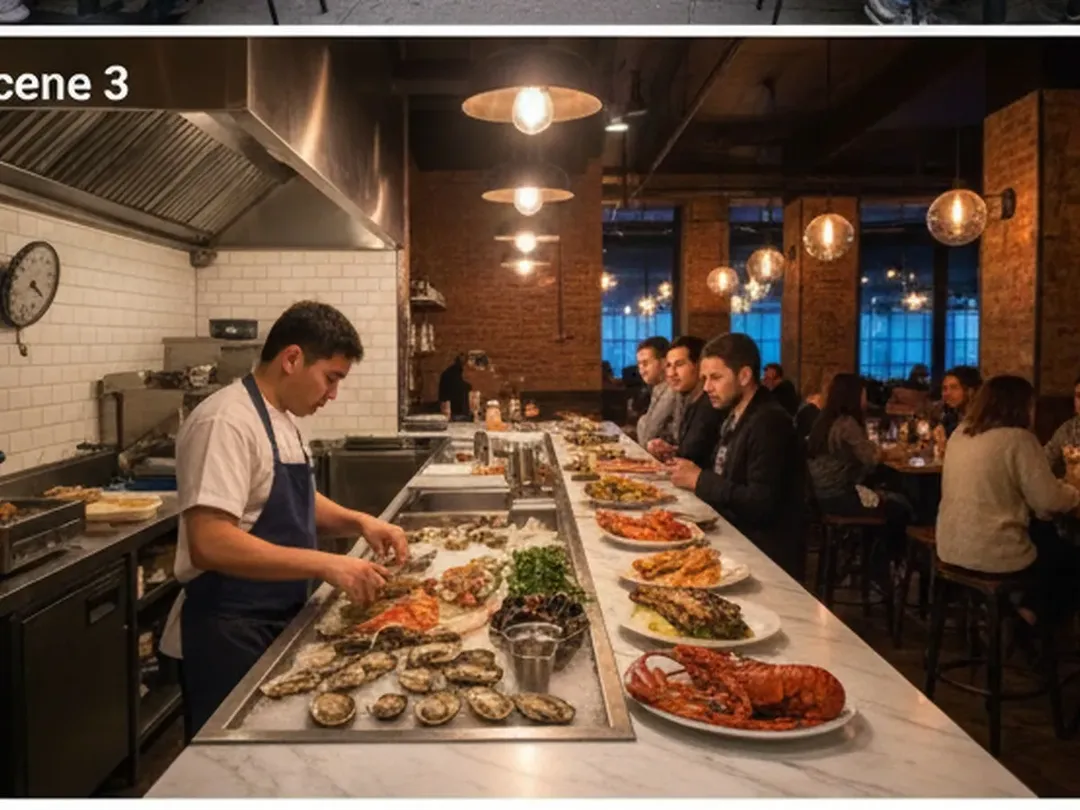
Timing, transit, and reservations: reality of planning in "seafood city"
Myth: You can walk into any good seafood spot in NYC without a plan. Reality: some seafood restaurants do accept walk-ins, but many of the city’s most popular places—especially those with raw bars or waterfront views—book up quickly, particularly on Thursday through Saturday evenings. To avoid disappointment, treat seafood nights like any other high-demand outing: check the restaurant’s official site for reservation options, cancellation policies, and any time limits on tables, and consider booking earlier in the week for more flexibility.
For transit, it’s easy to underestimate how long it takes to cross boroughs, especially if your seafood pick is near the waterfront or in a neighborhood with fewer express subways. Use the MTA’s official trip planner or service advisories page to check for planned work and real-time delays on your route the day you go. If you’re hopping between restaurant and market in one outing—for example, early oysters in Midtown followed by a fish-market run in Brooklyn—build in at least 30–45 minutes for subway transfers and walking. Late-night service changes are common, so confirm return options before settling into a long dinner.
Myth: Holiday and seasonal schedules don’t affect seafood plans. Reality: both markets and restaurants adjust hours around major holidays, severe weather, and special events. During winter storms or summer heat waves, some seafood spots may close early or limit outdoor seating, while fish markets may have shifted delivery schedules. Always recheck official pages the same week you plan to go, and remember that information from 2025 (or earlier) is now historical—use it only as background, and rely on 2026 updates for today’s hours, menus, and availability.
Budget, quality, and sustainability: separating myths from smart choices
Myth: Cheaper seafood in NYC is always lower quality or unsafe. Reality: price reflects many factors—rent, decor, service style, and portion size—not just freshness. Smaller, no-frills spots can serve excellent fish and shellfish at lower prices by focusing on simple preparations and high turnover. Your best indicators of quality are steady local customers, clear labeling of what’s being served, and staff who can answer basic questions about origin and preparation.
If sustainability matters to you, some restaurants and markets highlight eco-conscious sourcing, such as prioritizing certain wild or farmed fish based on environmental guidelines. These claims are typically explained on official sites or menus; because standards can change, look for specific language about certifications or partnerships rather than vague “sustainable” labels. You can also balance your own choices—like mixing higher-impact items (e.g., some shellfish) with lower-impact options when available—according to current public-interest guidance.
Myth: You must know every species and region to order well. Reality: in most NYC seafood restaurants, staff can walk you through flavor profiles and cooking methods if you tell them whether you prefer rich, mild, firm, or delicate fish. At markets, asking for a recommendation for grilling, baking, or ceviche is normal and expected. Planning ahead helps: decide your cooking method before you shop, check a few recipes, and then match your market purchase to your plan. This approach saves time, reduces stress, and makes it more likely you’ll enjoy your “seafood city” experiment at home.
Ask Karpo first
Before you dive into reservations or subway transfers, make Karpo your first stop: this NYC lifestyle sidekick can help you narrow down seafood options by borough, vibe, and budget, turning “seafood city” from a vague idea into a specific game plan for tonight or next weekend. Use Karpo to compare locations, timing, and backup plans, then verify details directly on each restaurant or market’s official page so you’re always working off the latest 2026 information.
ask_karpo
Tags: #seafood #nyc #brooklyn #queens #markets #oysters #dining #NYC #KarpoFinds #AskKarpo
All trademarks are the property of their respective owners.
Ask Karpo first
Not sure which seafood spot fits your vibe or budget, or want to build a whole “seafood city” crawl that hits dinner, drinks, and a fish market in one go? Drop Karpo a quick Ask Karpo message with your neighborhood, price range, and whether you’re feeling oysters, sushi, or a full-on feast—Karpo will send back a tailored shortlist, subway directions, and a backup option in case your first choice is booked.
Ask Karpo for more information.
Keep reading
- L'Industrie vs Lucali: Brooklyn's Best Pizza Compared
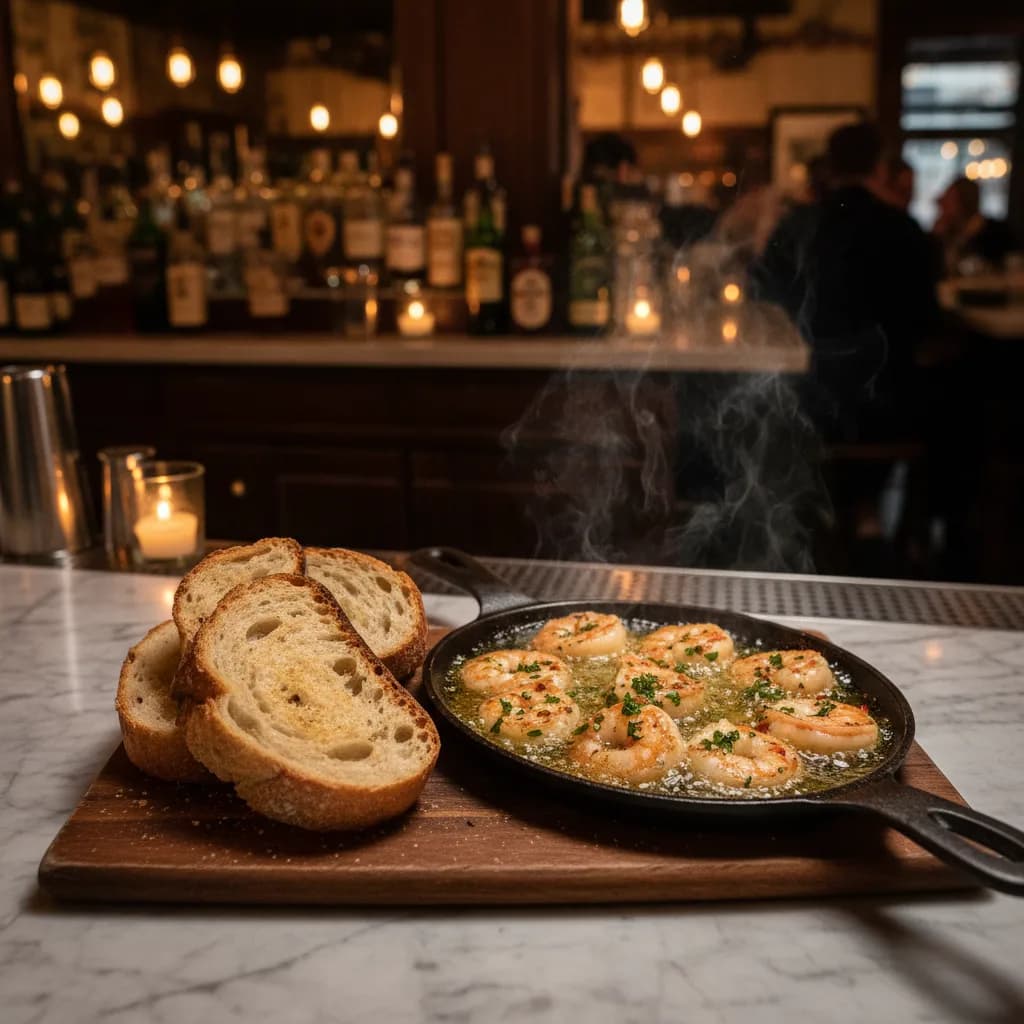 Cervo's on Division Street: Portuguese Seafood Without Reservations
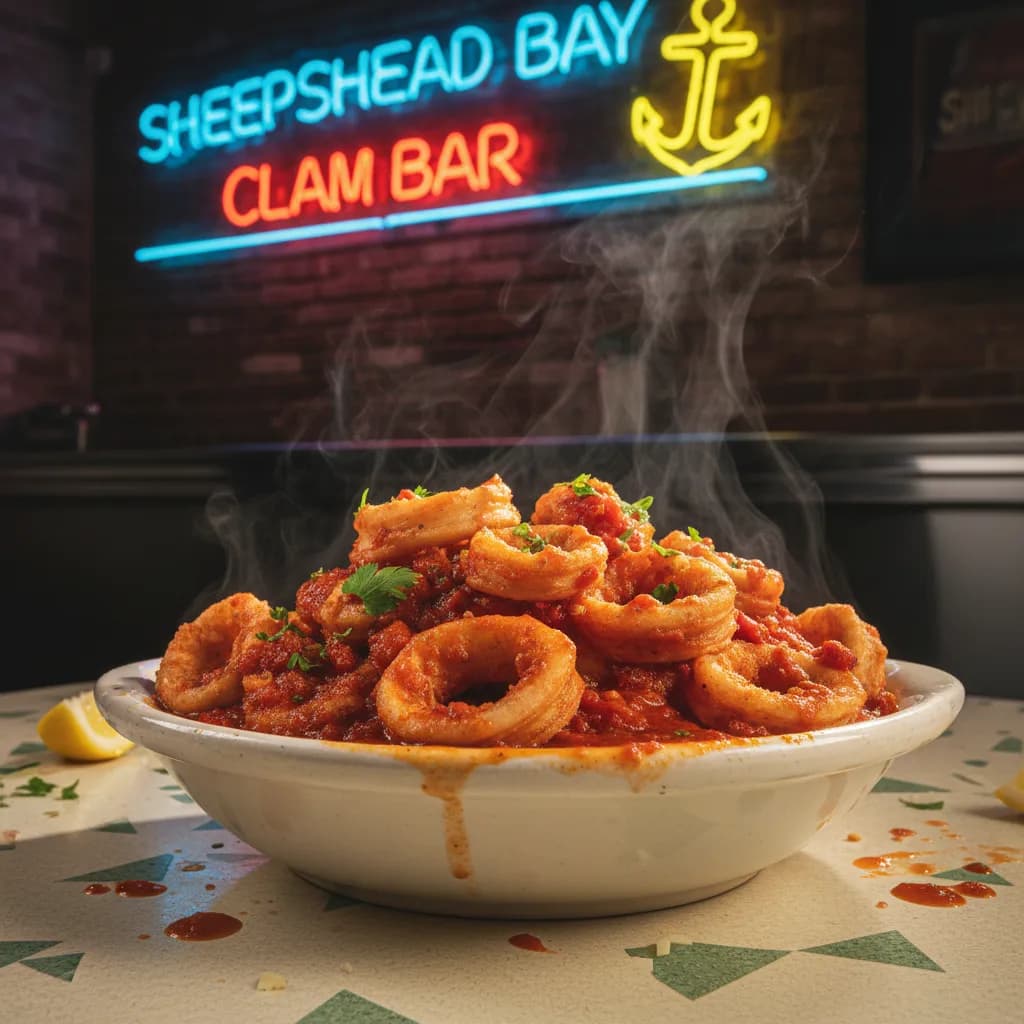 Randazzo's Clam Bar in Sheepshead Bay: Red Sauce Since 1932