 WORD Bookstore in Greenpoint Remains a Community-Focused Indie Bookstore Near Me
Hidden Gems & Odd Finds
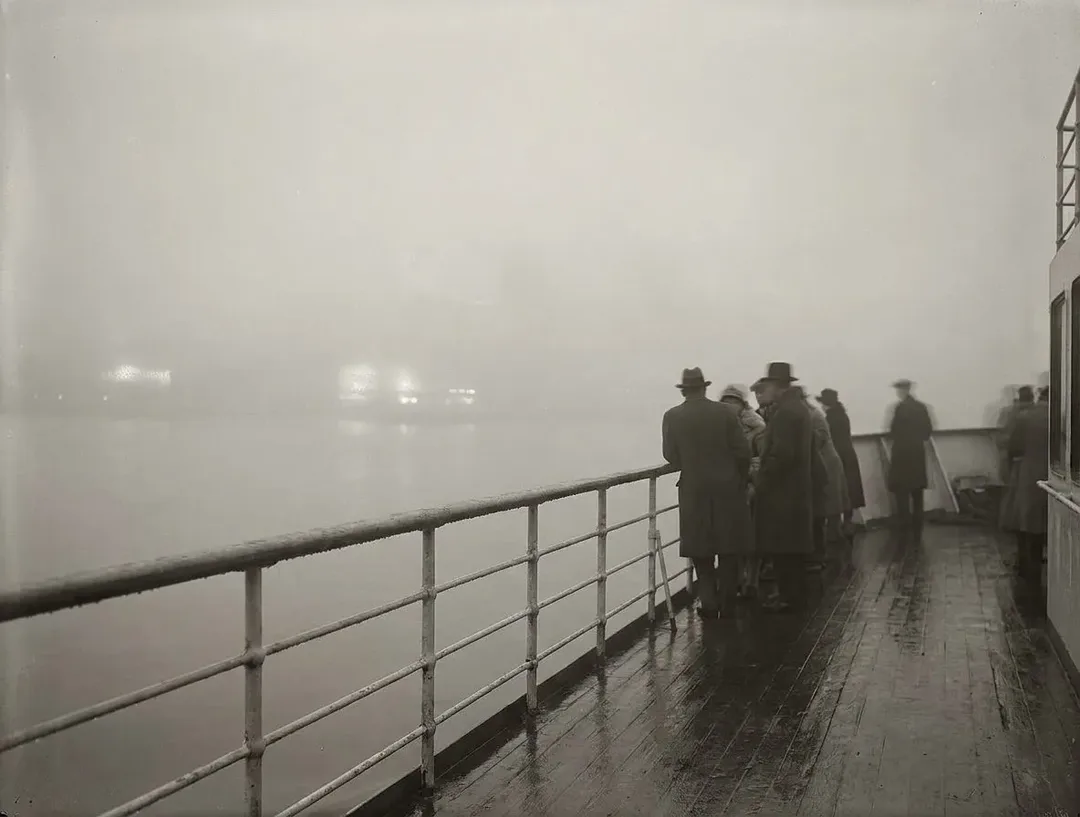
the seabus crossing to north vancouver when the inlet fog erases the city
Vancouver's utilitarian 12-minute ferry commute transforms on fog-bound winter mornings when the downtown skyline vanishes. The SeaBus becomes a brief passage through whiteness—a daily crossing that occasionally turns liminal.
Most mornings the SeaBus is pure function: a twin-hulled catamaran shuttling commuters and tourists across Burrard Inlet, the city skyline framed neatly in oversized windows, mountains rising behind North Vancouver like a screensaver. Then the fog arrives. Not every day, not predictably, but often enough through winter that regulars recognize the signs—that particular stillness over the water, the way the Canada Place sails appear to float without moorings, the muffled quality of sound on the Waterfront Station platform. On those mornings, the crossing stops being transportation and becomes something else entirely.
When the city disappears
Fog settles over Burrard Inlet with particular insistence in winter mornings, especially from November through February, when temperature inversions trap moisture over the water and transform the harbour into a study in monochrome. You board at Waterfront Station knowing the city is there behind you—the glass towers, the SkyTrain tracks, the cruise ship terminal—but by the time the SeaBus pulls away from the dock, it's all gone. Not obscured. Gone. The vessel pushes into whiteness so complete it feels like theatrical effect, like someone's manning a fog machine just off the bow.
The crossing takes exactly twelve minutes dock to dock, and on clear days you watch the gradual approach of North Vancouver's steep residential slopes, the shipyards, the forested backdrop of the North Shore mountains. In fog, there's no gradual anything. There's departure, then suspension in grey-white nothing, then the sudden materialization of Lonsdale Quay as if the boat has passed through a portal rather than traversed a body of water. It's disorienting enough that first-timers often pull out their phones to confirm they're still headed in the right direction, while commuters who've made this crossing five hundred times glance up from their screens, register the fog, and allow themselves a moment of appreciation before returning to email.
Two kinds of passengers
The SeaBus sorts its passengers on foggy mornings. There are those treating it as city transit—which, legally and functionally, it is—and those who've checked the marine forecast and chosen this exact crossing for what winter travel writers might call atmospheric conditions. The former cluster in the heated cabin, scrolling through transit apps or dozing with the particular skill of people who know exactly how long they have before their stop. The latter drift toward the windows, then inevitably toward the stairs.
The upper deck outdoor areas offer the most immersive experience, and they're often completely empty in winter while everyone else stays in the warmth below. Up here, the fog isn't something you observe through glass—it's texture and temperature, clinging to coat sleeves and beading on the metal railings. The vessel's running lights create halos in the whiteness. If there's other boat traffic, you hear fog horns before seeing anything, the sound arriving from no particular direction. It's cold enough that most people last five minutes before retreating inside, but those five minutes justify the crossing.
The liminal cabin
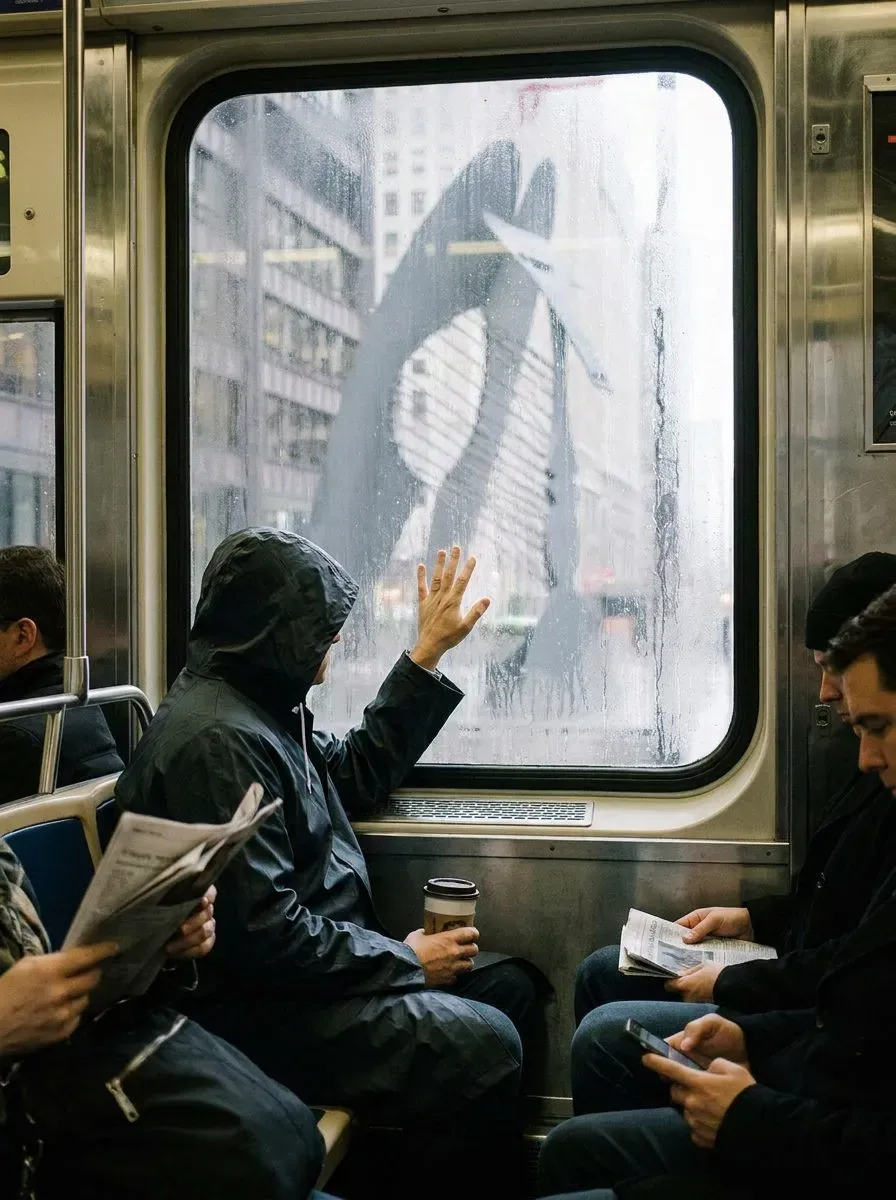
Back in the heated cabin, the fog does something particular to the light. The interior—all marine-grade pragmatism, built for throughput rather than charm—becomes almost beautiful. The overhead lighting reflects in fog-slicked windows, doubling and blurring. Passengers become silhouettes. The low thrum of the engines, usually background noise, becomes the only constant when visual reference points disappear. There's a strange intimacy to sharing space with strangers when you're all suspended together in whiteness, even if most people are determinedly ignoring the phenomenon in favor of their morning commute routines.
The vessel runs every fifteen minutes during peak hours and every thirty minutes off-peak, a frequency that makes the crossing feel less like a ferry journey and more like any other rapid transit link—except rapid transit doesn't usually involve this much water or weather. On particularly foggy mornings, departures might delay by a few minutes while the crew confirms radar visibility, but the system is engineered for reliability. The SeaBus crosses in fog that would ground smaller vessels, its catamaran hull stable even when the inlet is invisible, its navigation systems confident about paths the human eye can't track.

The arrival you never see coming
The disorientation peaks at landing. North Vancouver announces itself suddenly—the covered dock structure, the Lonsdale Quay Market building, the waiting SkyTrain connection—all materializing as if the fog is a curtain someone's pulled back at the last possible second. Passengers who've been staring into whiteness for twelve minutes blink at the abrupt return of solid geometry and architectural detail. Then the doors open, everyone files off, and the moment dissolves into the ordinary rhythms of a weekday morning: the coffee queue inside the market, the bus connections fanning out toward the residential neighborhoods climbing the North Shore slopes.
For visitors building a Vancouver city guide around weather-dependent experiences, the challenge is timing. Fog doesn't announce itself in advance. You can track temperature patterns and watch for inversion conditions, but ultimately you have to be willing to gamble on an early departure, to commit to the crossing without guarantees. Most mornings it won't happen. The inlet will be clear, the skyline will behave normally, and the SeaBus will be exactly what it claims to be: efficient passenger transport across a scenic harbour. But the mornings when the fog arrives feel like a secret the city's shared with you, a side effect of weather that transforms infrastructure into something briefly, accidentally transcendent.
After the crossing
Lonsdale Quay makes a logical pause point—the market building houses food vendors and shops, and the upstairs windows offer views back across the inlet on clear days, or views of nothing much on foggy ones. But the real reward for crossing to North Vancouver is the neighborhood itself, often overlooked by visitors who treat the city as a downtown-and-Stanley-Park proposition. The blocks climbing up from the waterfront mix working port infrastructure with residential quiet, brewery taprooms with mountain-gear outfitters, the kind of local texture that doesn't make glossy brochures but reads as actually lived-in.
Or you can simply ride back. The SeaBus is a round-trip experience, and on the foggiest mornings, plenty of people do exactly that—cross to North Van, stay on the boat, cross back to downtown, the whole circuit taking just under half an hour. It's one of the few pieces of urban infrastructure that doubles as a legitimate atmospheric experience, weather permitting. The fact that it costs the same as a regular transit fare feels like something the city has accidentally underpriced, though the tourists who realize this and the locals who still notice after years of commuting aren't complaining.
Practical notes
The SeaBus departs from Waterfront Station in downtown Vancouver and arrives at Lonsdale Quay in North Vancouver. Waterfront Station connects to SkyTrain Expo and Canada Lines, plus SeaBus; street parking downtown is scarce and expensive. Service runs roughly from early morning until late evening; verify current schedules with TransLink. Standard TransLink fares apply (Compass Card or contactless payment), subject to current fare rules. The vessels are fully accessible with elevator service to all decks. Dress warmly if you plan to spend time on the upper outdoor deck in winter. For fog conditions, check marine forecasts the night before, though conditions often shift by morning.
Tags: #SeaBus #NorthVancouver #BurrardInlet #VancouverCommute #WinterTravel #CityGuide #TheLongWayHome #VancouverTransit #FoggyMornings #UrbanExperience #PacificNorthwest #BCFerries #VancouverWinter #LonsdaleQuay #TransitAsExperience
All trademarks are the property of their respective owners.
Ask Karpo for more information.
Keep reading
- WORD Bookstore in Greenpoint Remains a Community-Focused Indie Bookstore Near Me
 The Corner Bookstore on Madison Avenue Is Carnegie Hill's Indie Bookstore Near Me
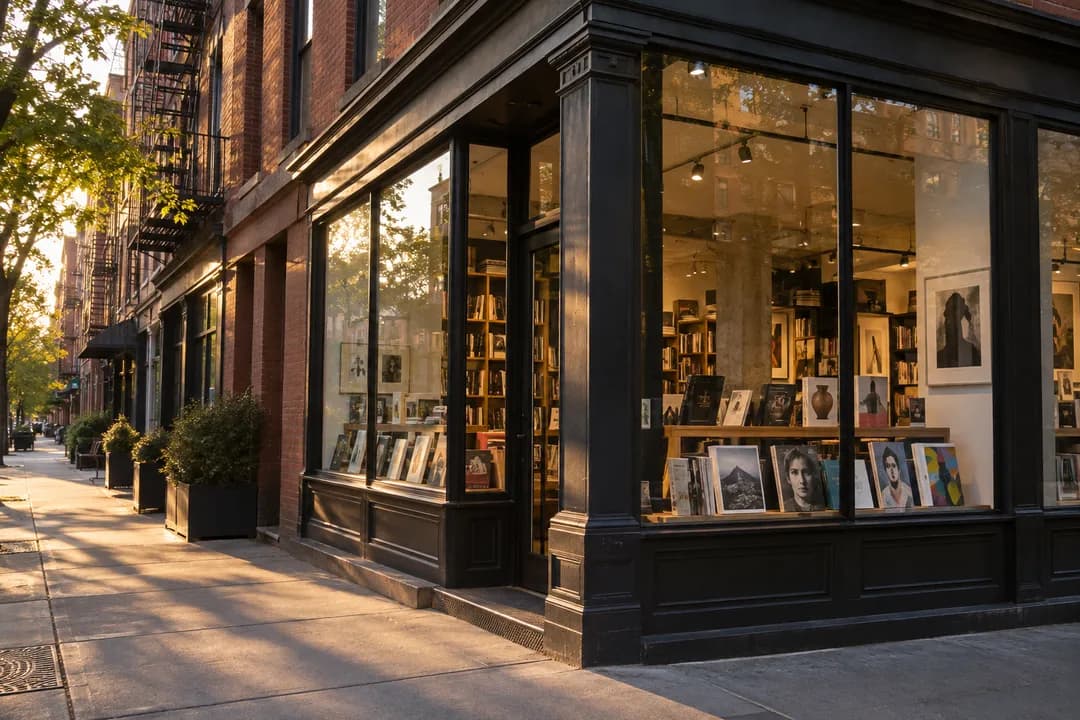 192 Books in Chelsea Brings Art and Fiction to Indie Bookstore Near Me