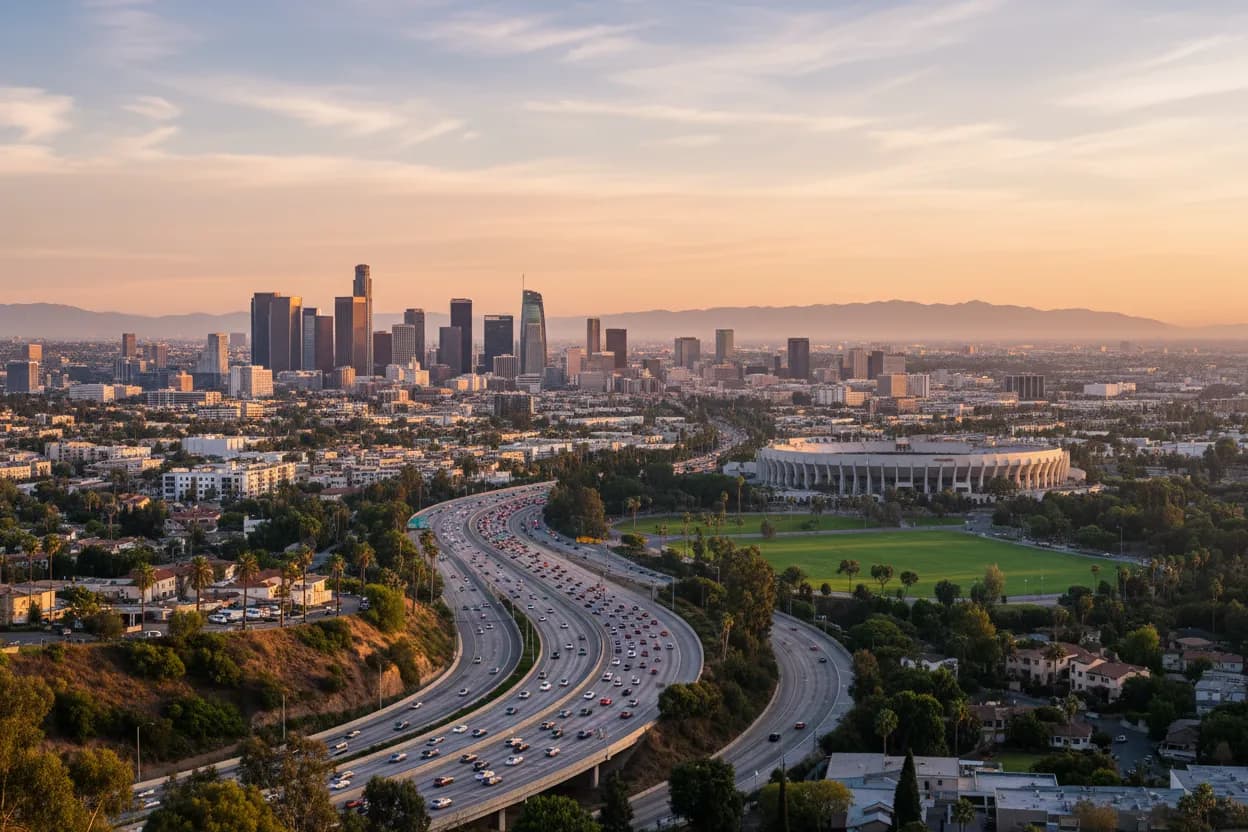
Los Angeles rewards people who plan by function, not by vague area names. If scott is the search term that landed you here, use it as a reminder to verify the page, the route, and the timing before you move. The city’s official tourism guide points to distinct neighborhood options across Downtown, Hollywood, Pasadena, Venice, Westwood, Brentwood, Larchmont Village, and Marina del Rey, while Metro gives riders real-time arrivals, step-by-step directions, and service alerts. That combination matters on any day, but especially when you are trying to cross a city this large for one public, ordinary errand and do not want the trip to become the problem.
Want a tighter LA plan built around your neighborhood task, transit stop, and backup choice? Text Karpo and ask for a public-page check before you cross town.

Translate the headline into a neighborhood question
The useful question is not “Where is the hot spot?” It is “Which Los Angeles neighborhood matches the thing I am actually trying to do?” If the task is eating, resting, walking, or making a quick stop, the right answer changes. Discover LA’s own neighborhood and itinerary pages frame the city as a set of distinct, usable areas rather than one generic downtown-versus-westside decision.
That is why a search like scott should be treated as a signal, not a location strategy. Before you head out, decide whether your goal fits a museum-heavy day, a beach day, a neighborhood meal, or a simple transit-linked transfer. The more specific the task, the less likely you are to waste time guessing between places that look similar on a map but behave very differently on the ground.
Choose the area by the actual task
For a public, no-drama city plan, start with the function. Discover LA highlights neighborhoods including Downtown, Hollywood, Pasadena, Venice, Westwood, Brentwood, Larchmont Village, and Marina del Rey, and each of those names implies a different kind of day. A walkable lunch, a museum stop, a coastline break, or a neighborhood wander all point in different directions, so the first filter should be purpose, not vibe.
Use that same logic to protect your time. If the plan is short and you need a predictable return, favor a neighborhood with a clear transit connection or an easy fallback. If the plan is looser, use one area as the main stop and one nearby district as the backup. That approach keeps you from turning a single search term into a citywide commitment.

Use transit exits as planning anchors
Metro’s current guidance is the cleanest way to reduce guesswork: use the official app for real-time arrivals, step-by-step directions, and service alerts. That is the practical layer many people skip. It is also the layer that tells you whether the plan still makes sense before you leave home, especially if you are trying to move across central Los Angeles without relying on luck.
For planning, Metro’s D Line extension stations at La Brea, Fairfax, and La Cienega are the kind of anchors that matter because they connect Mid-Wilshire with Koreatown and Downtown LA. Build the day around those public transit points, then confirm the station, the exit, and the final walk on the official map or app. If your route depends on a fare tap, Metro says riders can now pay with a credit or debit card in plastic or digital form at buses and train stations.
Add one indoor and one outdoor backup
A good Los Angeles plan always has a second version. If the primary neighborhood stop looks crowded, slow, or less useful than expected, choose one indoor backup and one outdoor backup that fit the same part of the city. Discover LA’s official content gives you both lanes: museums for an indoor shift, and beaches for an outdoor one.
That matters because LA is not short on alternatives. The city’s tourism guide points to museum-oriented itineraries and to the beach corridor that runs across its 75 miles of sunny coastline. If the first choice fails, do not restart the search from zero. Move to the backup you already checked, keep the transit path simple, and avoid a cross-town detour unless the new option clearly beats the original.
Avoid treating online attention as a local promise
A trending term can be useful because it gets attention, but attention is not access. If scott is showing up in your search, that does not mean a place is easier to enter, more relevant to your route, or worth extra time. Treat the term as a prompt to verify, not as evidence that the city has quietly rearranged itself around your plan.
This is where skepticism helps. Official pages can tell you what a neighborhood guide covers, what Metro is changing, and what trip tools are available. They cannot guarantee that a stop will feel lively, that a venue will suit your schedule, or that a last-minute detour will pay off. Keep the plan public, simple, and checkable, and ignore anything that sounds too certain to fail.

Verify conditions before crossing the city
Before you leave, do three checks: confirm the neighborhood page, confirm the Metro route, and confirm the time-sensitive details on the official source you are using. If you are riding Metro, use the app for arrivals and alerts. If you are paying by tap, verify that the payment method you plan to use is supported. If you think a free-ride benefit applies, Metro says LA County residents can get 20 free rides every month through LIFE, so eligibility still needs to be checked online.
That is the difference between a useful Los Angeles plan and a long, avoidable errand. The city is large, the options are many, and official information changes often enough that confidence without verification becomes expensive. Use the public pages first, then go. If anything feels uncertain, choose the shorter path, keep the backup ready, and let the verified route decide the day.
Tags: #AskKarpo #BeforeYouGo #LosAngeles #NeighborhoodGuides #Metro #PublicTransit #TravelSmart #LAPlanning #DiscoverLA #TransitTips #LocalLife #CityGuide #BackupPlan #scott
Sources consulted: discoverlosangeles.com · metro.net · laparks.org
All trademarks are the property of their respective owners.
Ask Karpo first
Ask Karpo first if you want the safest version of a Los Angeles plan: the neighborhood fit, the Metro anchor, and the backup that still works when the first choice gets crowded, delayed, or less useful than expected.


