 Mediterranean Food Near Me in Fort Greene: Miss Ada's Garden and Hummus
Neighborhood Guides
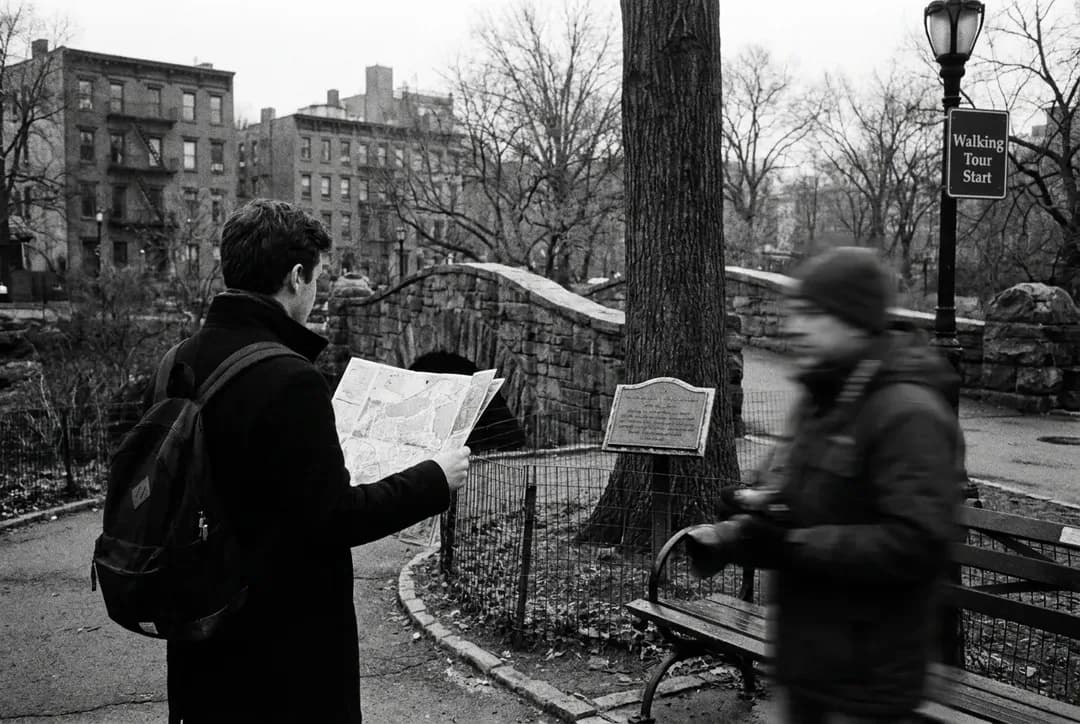
Scott Eastwood NYC Filming Neighborhoods: Location Scouting Walking Guide
Follow a self-guided walking route through Manhattan neighborhoods where Scott Eastwood films have been shot. This beginner-friendly tour connects publicly accessible locations ideal for weekend morning exploration.
For film location enthusiasts curious about where Hollywood meets New York City streets, tracking down neighborhoods associated with scott eastwood productions offers a unique way to experience Manhattan. While specific filming locations for many productions remain undocumented in public records, the broader neighborhoods where film crews typically work provide excellent walking routes that combine cinematic interest with authentic New York exploration. This guide focuses on publicly accessible areas where independent verification and personal discovery replace the need for official plaques or markers, making it ideal for solo explorers or film buff companions ready for a weekend morning adventure with basic map navigation skills.
Text Karpo your starting point, timing, group size, and priorities for a NYC plan tailored to this exact situation, with one realistic backup before you leave.
Planning Your Route Around Midtown Filming Zones
Midtown Manhattan consistently attracts film productions due to its iconic architecture and manageable permit processes, though verifying exact shoot dates or specific actor involvement requires checking production databases that may not be publicly accessible. When planning a walking route through this area, consider that most filming happens on weekdays when crews can control foot traffic, meaning weekend mornings offer clearer sightlines and photo opportunities without production barriers. The tradeoff involves walking through neighborhoods designed for commuter flow rather than leisurely exploration, so comfortable shoes and a willingness to navigate crowded sidewalks become essential.
Building your route around subway accessibility helps manage energy levels during a multi-hour walk, with the MTA system providing reliable connections between potential filming zones. Since the MTA website confirms real-time service alerts and elevator status, checking these details before departure prevents accessibility surprises that could derail your itinerary. The challenge lies in balancing efficient transit connections with enough street-level wandering to appreciate the architectural context that makes these neighborhoods attractive to location scouts, requiring flexibility in your timeline rather than rigid scheduling.
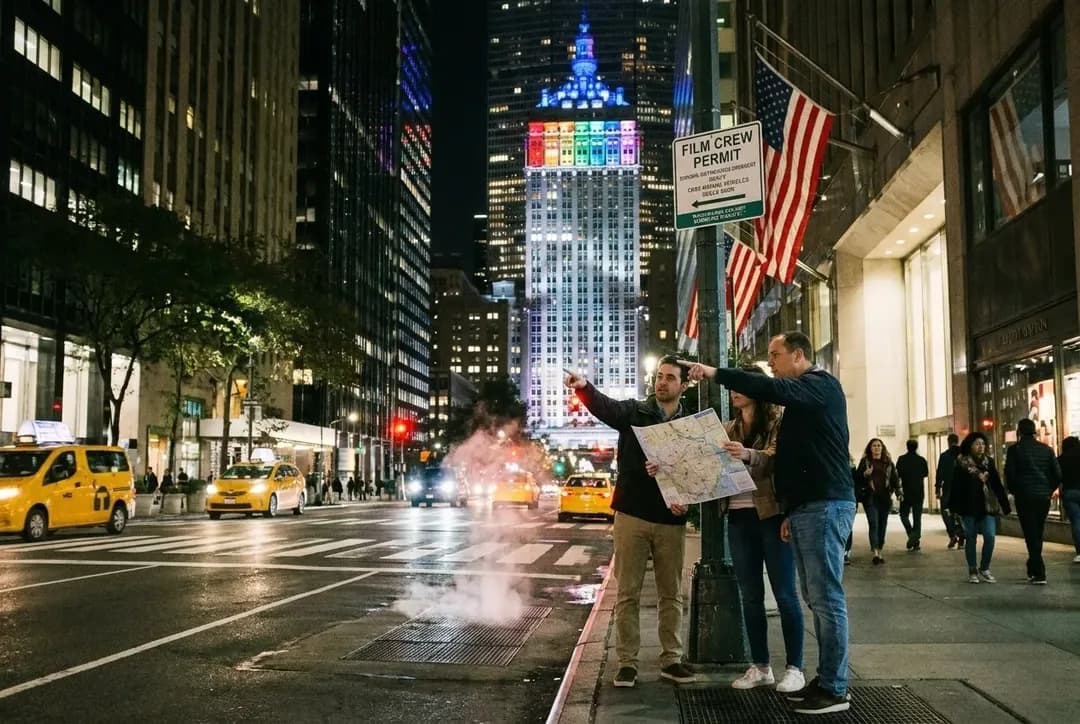
Verifying Location Accessibility and Photography Policies
Public sidewalks throughout New York City allow photography without special permits, but distinguishing between public space and private property requires attention to signage and building setbacks that aren't always obvious to visitors. Filming locations rarely feature commemorative plaques unless they're historically significant for other reasons, so your verification process depends on cross-referencing neighborhood characteristics with production design needs rather than finding explicit markers. This investigative approach suits curious explorers who enjoy detective work, though it may frustrate those seeking definitive confirmation at every stop.
Foot traffic levels vary dramatically by time and day, with weekend mornings generally offering the quietest conditions for photography in commercial districts that empty out after Friday evening. However, residential neighborhoods maintain consistent activity regardless of day, meaning your photo opportunities depend on choosing locations that match your tolerance for background pedestrians. The decision between chasing emptier frames in business districts versus accepting ambient activity in residential areas shapes both your route selection and departure time, with no universal solution that satisfies every filming enthusiast's priorities.
Navigating Between Multiple Neighborhood Filming Hubs
Connecting several potential filming neighborhoods in a single walk requires realistic assessment of distances and your physical stamina, since Manhattan's grid system can make three miles feel deceptively manageable on a map while proving exhausting on foot. A beginner-friendly approach involves selecting two or three concentrated zones rather than attempting comprehensive coverage, allowing time for spontaneous detours when you notice interesting architectural details or streetscapes that explain why location scouts favor certain blocks. This selective strategy trades completeness for depth, giving you actual neighborhood familiarity rather than superficial checklist completion.
The MTA system enables hub-and-spoke exploration patterns where you walk intensively in one neighborhood, then subway to another zone rather than walking the connecting distance, preserving energy for observation rather than transit. This approach requires comfort with subway navigation and willingness to adjust your route based on service changes, which the MTA posts through real-time alerts and planned work notifications. The flexibility to modify your plan when you discover an unexpectedly interesting block or need to rest distinguishes successful location scouting walks from rigid itineraries that prioritize coverage over experience.
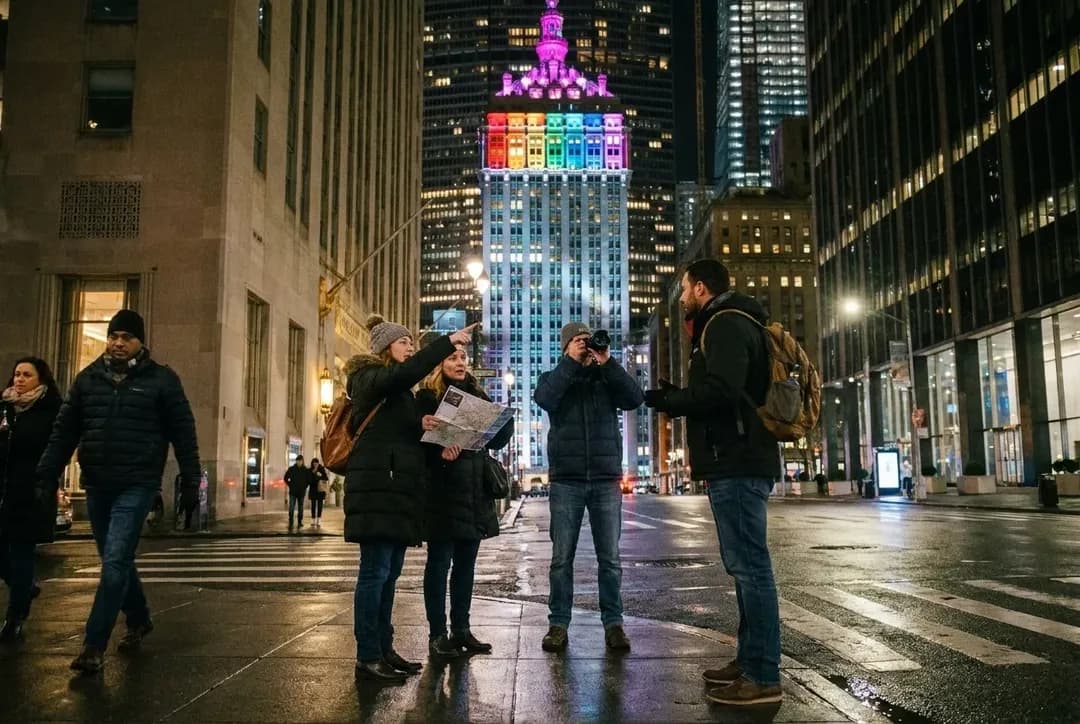
Understanding Seasonal and Timing Considerations
August in New York City brings heat and humidity that significantly impact multi-hour walking comfort, making early morning starts essential for completing your route before midday temperatures peak. This timing also captures better natural light for photography, with morning sun angles providing dimensional shadows that enhance architectural details in your location documentation. The tradeoff involves potentially missing certain neighborhood characteristics that only emerge later in the day, such as lunch-hour energy in commercial districts or afternoon residential activity that gives streets their lived-in character.
Film productions typically avoid extreme weather periods, so neighborhoods that hosted summer shoots likely offered specific seasonal advantages like leafy tree canopies or outdoor dining setups that change dramatically across the year. Your August walk captures a version of these locations that may differ substantially from what appeared on screen if filming occurred during other seasons, requiring mental adjustment to imagine winter bareness or spring bloom. This temporal dimension adds complexity to location verification but also enriches your understanding of how productions manipulate seasonal aesthetics through timing and post-production work.
Who This Walking Approach Suits Best
This self-guided exploration model works well for solo visitors or pairs who share film location curiosity and don't require constant entertainment or validation from official markers and tourist infrastructure. The investigative nature of identifying filming characteristics rather than checking off confirmed locations appeals to people who enjoy ambiguity and discovery, while potentially disappointing those seeking definitive answers and commemorative experiences. Your tolerance for uncertainty directly predicts your satisfaction, since much of the reward comes from developing your own eye for location scouting logic rather than following documented trails.
Beginner map navigation skills prove sufficient given smartphone GPS reliability and Manhattan's grid system, though comfort with occasional wrong turns and backtracking enhances the experience by reducing frustration when exploration leads to dead ends. Physical fitness requirements remain modest if you pace yourself and use subway connections strategically, making this accessible to most people willing to walk several miles with rest breaks. The primary prerequisite involves genuine curiosity about film production geography rather than celebrity tourism, since the focus stays on neighborhoods and their cinematic qualities rather than chasing specific star sightings or autograph opportunities.
Tags: #ScottEastwood #NYCfilminglocations #Manhattanwalkingtours #filmlocationscouting #neighborhoodguides #selfguidedtours #MidtownManhattan #movielocationsNYC #weekendactivities #urbanexploration
Sources consulted: Source 1: nycgovparks.org · Source 2: new.mta.info · Source 3: nypl.org · Source 4: a816-health.nyc.gov
All trademarks are the property of their respective owners.
Ask Karpo first
Ask Karpo to turn this NYC idea into a current plan for your date, budget, companion, transit preference, and energy level. Karpo can narrow the route and flag what to verify before you go.
Ask Karpo for more information.
Keep reading
- Mediterranean Food Near Me in Fort Greene: Miss Ada's Garden and Hummus
 Places To Eat Near Me in Chelsea: The Market Fills a Nabisco Factory
 Seafood Near Me in the East Village: The Mermaid Inn's Dollar Oysters