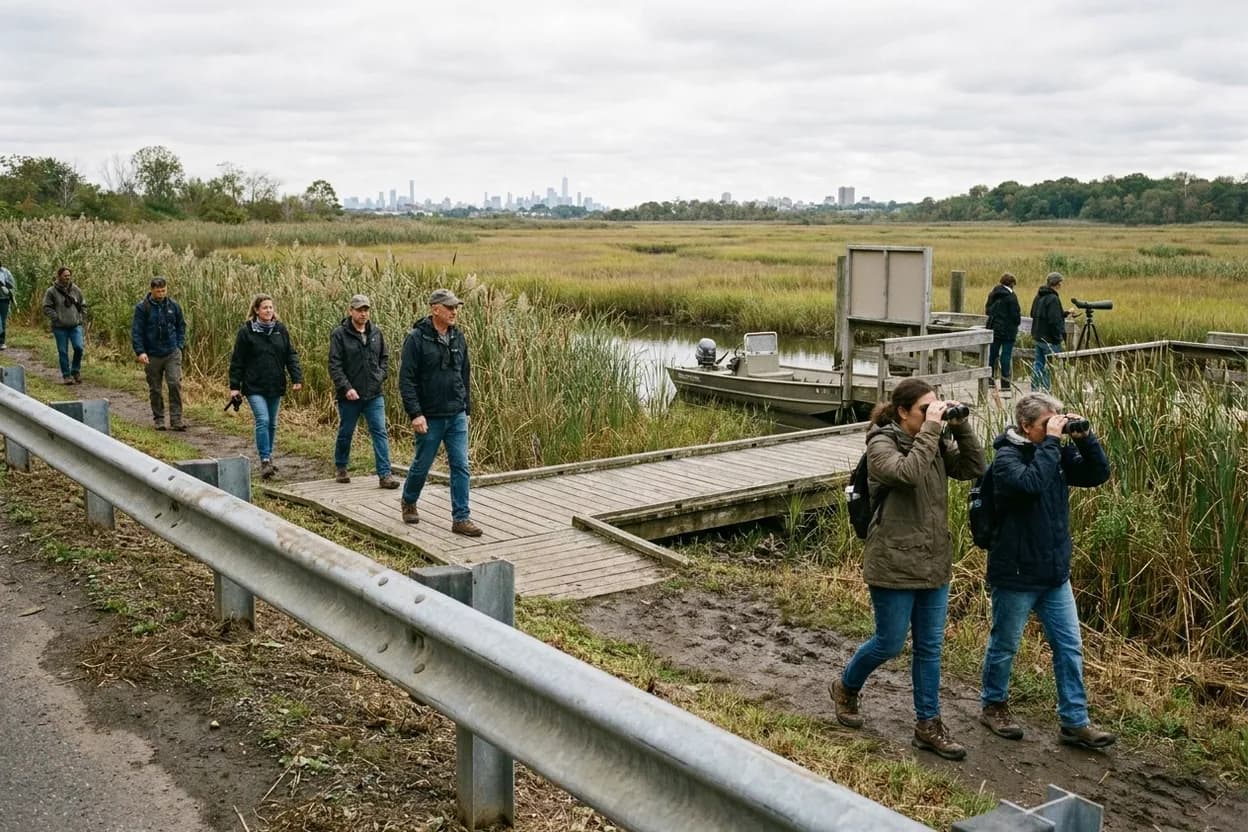
Amidst the urban sprawl of New York City, a surprising natural landscape thrives on Staten Island's West Shore: Saw Mill Creek Marsh. This area represents one of the city's last salt-marsh fringes, a vital ecological edge where tidal creeks and expansive marshland create a unique ecosystem. Far from the typical city itinerary, this preserve offers a chance to observe a side of New York rarely seen, appealing to those who appreciate natural beauty and environmental conservation. It’s an opportunity to connect with a thriving wetland environment, a testament to significant restoration efforts that have brought this habitat back to life.
Want to navigate NYC's hidden ecological gems and craft an itinerary that suits your pace? Text Karpo for personalized guidance on exploring unique natural preserves.
Unveiling Staten Island’s Largest West Shore Salt Marsh
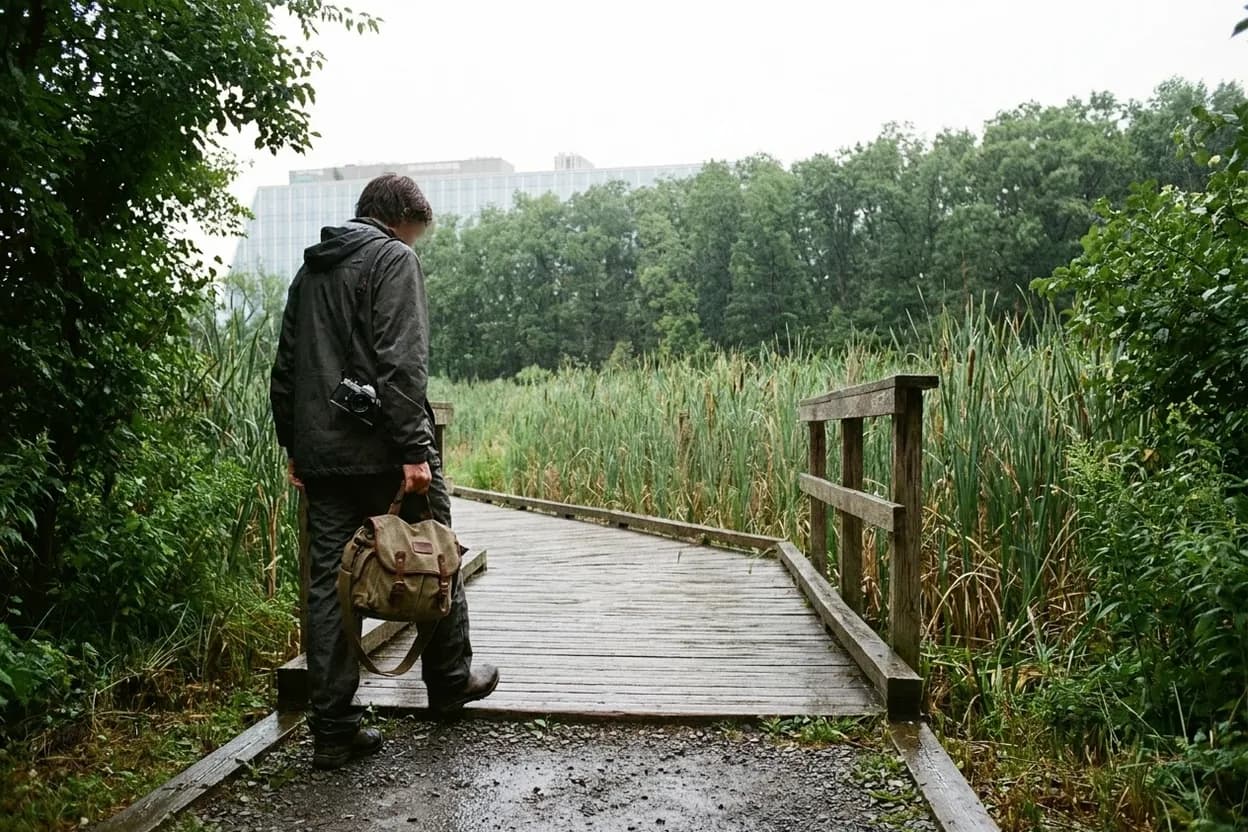
Saw Mill Creek Marsh, located on Staten Island’s West Shore, is a significant natural area identified by NYC Parks as containing the largest expanse of remaining salt marsh along the island’s western coastline. This critical ecosystem is situated near the West Shore Expressway and the Kill Van Kull/Arthur Kill waterfront corridor, a location that underscores its importance as a natural buffer within an industrialized zone. The marsh presents a stark, beautiful contrast to the surrounding urban infrastructure.
The New York State Department of Environmental Conservation (NYSDEC) further describes the Sawmill Creek Wetlands, which encompasses the marsh, as a diverse landscape featuring a mix of hardwood forests, wetlands, and expansive marshland. This rich biodiversity makes it a prime location for nature and wildlife observation, providing a habitat for numerous species that thrive in this unique estuarine environment. Its scale and ecological integrity are what make it a truly remarkable natural preserve within the five boroughs.
An Ecological Success Story: Restoration at Saw Mill Creek
Saw Mill Creek is recognized as a restored tidal wetland and a pioneering wetlands mitigation bank on Staten Island’s West Shore. Independent reports highlight extensive restoration efforts that have transformed degraded areas into thriving marshland. While the exact acreage cited in various project reports differs slightly—some indicating 54 acres and others approximately 68 acres of restoration—the consensus is that a substantial amount of ecological repair has taken place.
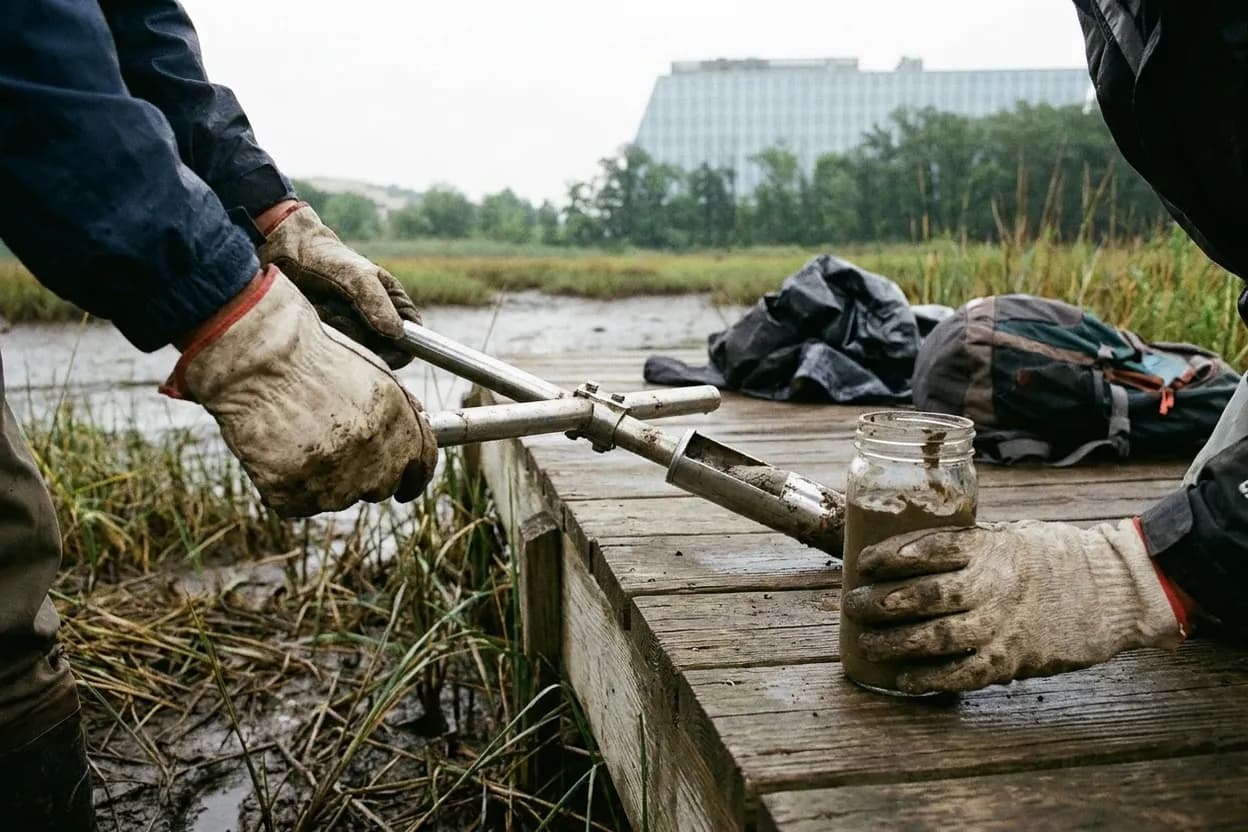
These restoration projects have aimed to enhance the marsh's ecological functions, such as filtering pollutants, providing flood protection, and creating crucial habitats for wildlife. The ongoing health of Saw Mill Creek Marsh serves as a powerful example of successful environmental stewardship and the potential for urban ecosystems to recover and flourish with dedicated conservation efforts. Visitors can observe the results of this significant ecological undertaking firsthand.
Visitor Activities and Wildlife Observation
The New York State Department of Environmental Conservation (NYSDEC) designates the Sawmill Creek Wetlands as open for recreation year-round and free of charge, encouraging public engagement with this vital natural area. Permitted activities within the wetlands include nature and wildlife observation, photography, hiking, and bird watching. These activities allow visitors to immerse themselves in the natural environment and appreciate the diverse flora and fauna.
For those interested in ornithology, the marsh provides extensive opportunities for bird watching, with its varied habitats attracting a wide range of avian species. Photography is also explicitly supported, allowing visitors to capture the unique landscapes and wildlife. If you are trying to photograph the marsh edge or specifically look for birds, these activities are well-suited to the Sawmill Creek Wetlands, offering a peaceful retreat for nature enthusiasts.
Navigating to the Wetlands: Access Points and Parking
Access to the Sawmill Creek Wetlands, as advised by NYSDEC, is via the West Shore Expressway (Route 440). Visitors should take either the Chelsea Road or Bloomfield Road exits, proceeding east of the railroad tracks to reach the entry points. These directions are essential for planning your visit and ensuring you arrive at the correct location to begin your exploration of the wetlands. It is advisable to consult a map app in advance to familiarize yourself with the specific routes.
Regarding parking, NYSDEC explicitly states that there are no designated parking areas at Sawmill Creek Wetlands. However, street-side parking is available in the vicinity. If you are planning a car visit, it is important to anticipate this and be prepared to find suitable street parking. This detail helps manage expectations and ensures a smoother arrival experience, allowing visitors to focus on enjoying the natural surroundings.
Understanding the Nuance of Access: NYC Parks vs. NYSDEC
It is important for visitors to understand the distinction in access information provided by different official sources. While NYC Parks identifies Saw Mill Creek Marsh Preserve, its official data file indicates that this specific preserve is not currently accessible to the public. This suggests that certain designated areas under NYC Parks management may have restricted entry, possibly due to ongoing restoration, sensitive ecological conditions, or lack of established public infrastructure.
Conversely, NYSDEC clearly states that the broader Sawmill Creek Wetlands are open for recreation year-round and free of charge. This implies that while the specific 'Preserve' managed by NYC Parks might be off-limits, the wider wetland area, which includes the marsh, offers public access for approved activities. Visitors should therefore align their expectations with the NYSDEC guidelines for recreational use and access points, focusing on the publicly available wetland areas.
Planning Your Visit: What to Expect
A visit to Saw Mill Creek Marsh offers an unvarnished experience of New York City's natural environment. Given that there are no designated visitor facilities or services, this destination is best suited for those who are self-sufficient and comfortable exploring natural settings. Pack essentials such as water, appropriate footwear for potentially uneven terrain, and binoculars for optimal wildlife viewing. The experience is about observation and appreciation of nature, rather than structured amenities.
For context on what you are seeing, remember that this preserve represents the largest remaining salt marsh expanse on Staten Island’s west shore. If your interest leans towards ecological restoration, identifying Saw Mill Creek as a wetland mitigation bank and noting the large-scale marsh restoration work can enrich your understanding. This perspective allows you to appreciate not just the beauty, but also the significant environmental efforts invested in this unique urban ecosystem.
Practical notes and current access verification
While NYSDEC confirms the Sawmill Creek Wetlands are open for recreation year-round and free, and outlines allowed activities like nature observation and hiking, it is crucial to verify current conditions directly before your visit. No official sources provide information on specific entry points into the NYC Parks preserve itself, any guided tours, reservation requirements, seasonal closures, or on-site visitor facilities. This information is dynamic and can change without immediate public notice.
Before departing, consult the official websites for both NYC Parks and NYSDEC for any updated advisories, closure notices, or changes to access policies. Pay particular attention to current conditions regarding street-side parking availability and any localized restrictions. This proactive verification ensures a smooth and informed visit to one of NYC's most significant and ecologically rich natural areas.
Tags: #SawMillCreekMarsh #StatenIsland #NYCNature #SaltMarsh #Wetlands #WildlifeObservation #BirdWatchingNYC #EcologicalRestoration #HiddenGemsNYC #UrbanNature #OutdoorNYC #KarpoNYC #AskKarpo #BeforeYouGo
Sources consulted: Source 1: nycgovparks.org · Source 2: nyc.gov · Source 3: dec.ny.gov · Source 4: freshkillspark.org · Source 5: silive.com · Source 6: landscape.coac.net · Source 7: njsea.com · Source 8: realestatesiny.com · Source 9: galvinbrothers.com
All trademarks are the property of their respective owners.
Ask Karpo first
Tell Karpo your date, group size, budget, and starting neighborhood. We’ll check current access, timing, transit, and the cleanest plan for Saw Mill Creek Marsh before you head out.