One Neighbourhood, Five Hundred Galleries
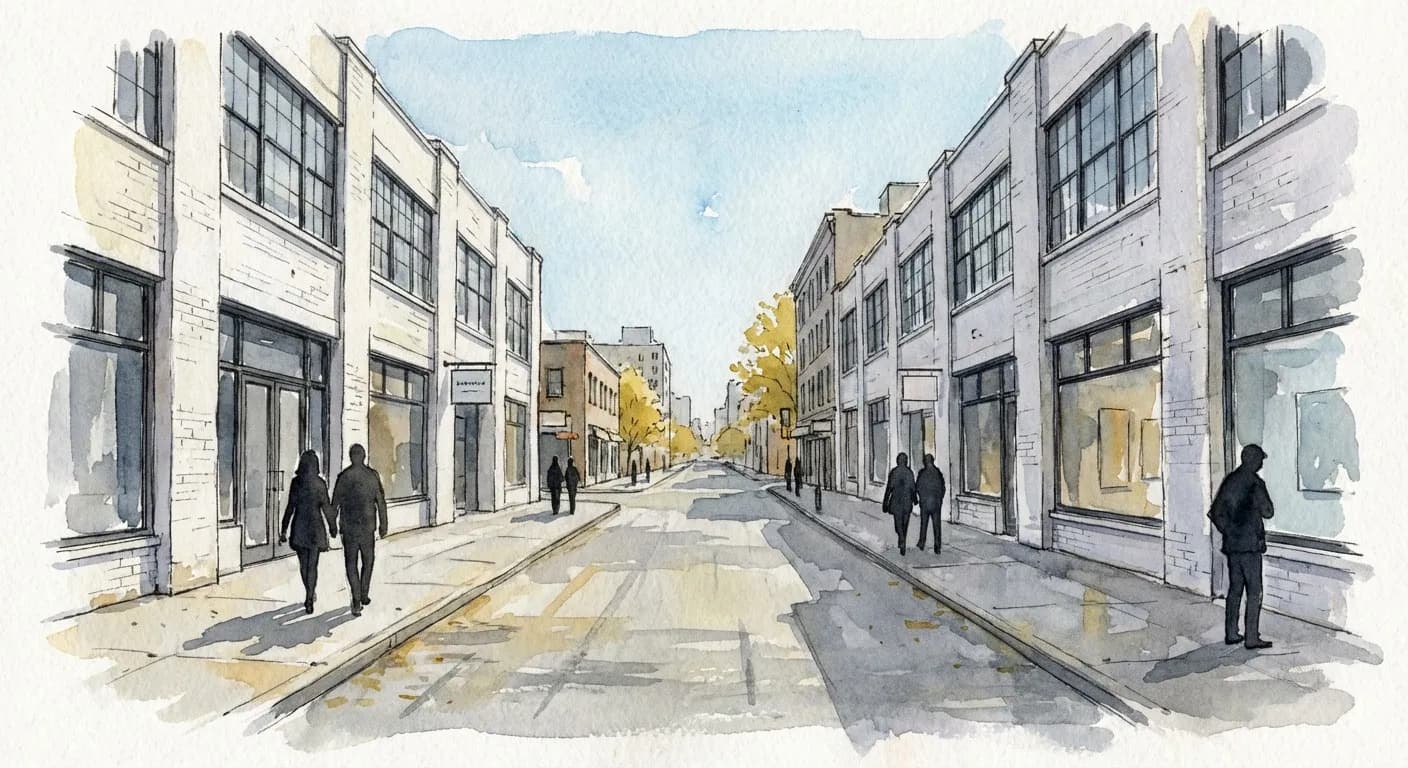
The concentration of galleries in Chelsea began in the early 1990s, when West 22nd Street became home to several galleries that had relocated from SoHo as rents there increased. Within a decade, the cluster had expanded to cover more than a dozen blocks. By the 2010s, galleries from virtually every significant market — New York, London, Zurich, Berlin, Seoul, Hong Kong — had opened Chelsea spaces. Today, on any given Saturday, you can walk between five or six major gallery shows without covering more than eight blocks.
The industrial buildings that house the galleries were built for scale rather than elegance. The ceilings run four, five, sometimes six metres. The loading-dock doors have been replaced by glass, but the structural bones remain — exposed steel, concrete floors, raw brick. The white-cube interior is a deliberate choice that arrived here, not a legacy of the architecture.
555 West 24th: Gagosian
Gagosian’s flagship Chelsea space, at 555 West 24th Street, has hosted some of the city’s most significant gallery shows of the past two decades: Richard Serra, Damien Hirst, Jenny Saville, Cy Twombly. The building was designed to accommodate monumental work — the ceilings clear five metres, and the floor plan is large enough that a single sculpture show can be installed with the generosity of a museum.
The gallery also maintains a second Chelsea space at 522 West 21st Street, which tends to run smaller, more focused shows — prints, drawings, works on paper. If you are visiting both on the same Saturday, do 21st Street first and end at the 555 space, which needs the most time.
542 West 22nd: Hauser & Wirth
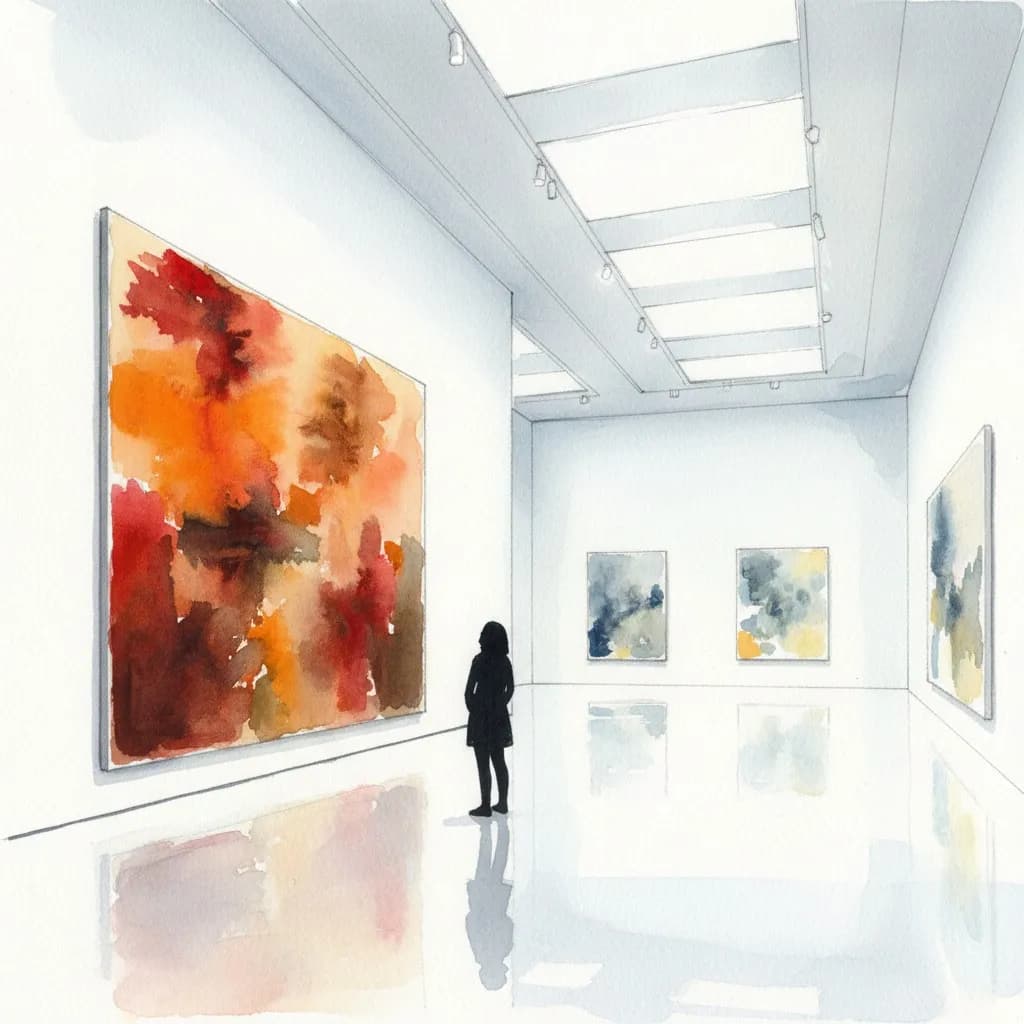
Hauser & Wirth, which opened its first gallery in Zurich in 1992, runs its Chelsea program out of 542 West 22nd Street. The gallery’s roster — Louise Bourgeois, Philip Guston, Mark Bradford, Rashid Johnson — leans toward artists whose work has entered the permanent conversation, alongside emerging figures whose exhibitions here tend to mark a shift in their career trajectory. The catalogues are produced to a standard that makes them worth picking up even if you are not buying art. They are also free.
540 West 25th: Pace
Pace Gallery opened its current headquarters at 540 West 25th Street in 2019, after sixty years of operation. The building is eight stories, 75,000 square feet, with a rooftop Sky Terrace offering views over the Hudson Yards and down toward the High Line. It is architecturally the most ambitious private gallery building in New York — the kind of structure that would qualify as a cultural institution if it charged for entry. It does not.
The exhibitions rotate across multiple floors simultaneously. Pace has represented Alexander Calder, Agnes Martin, and Lucas Samaras; current programming tends to mix historical depth with contemporary ambition. Pace also maintains a second Chelsea space at 510 West 25th Street.
519–533 West 19th: David Zwirner
David Zwirner occupies three adjacent buildings on West 19th Street — numbers 519, 525, and 533 — plus an additional space at 537 West 20th. The three 19th Street buildings connect internally during major exhibitions. Zwirner’s roster includes Yayoi Kusama, Donald Judd, Luc Tuymans, and Wolfgang Tillmans. The West 19th Street location makes it a natural starting point for a Chelsea loop.
The Sequence That Makes the Afternoon
One sequence works well: start at Zwirner on West 19th, then walk north to 22nd (Hauser & Wirth, Matthew Marks at 522), continue to 24th (Gagosian at 555, Lehmann Maupin at 501, Luhring Augustine at 531, 303 Gallery at 507), then north to 25th (Pace). Total walking time is about ten minutes. Between galleries, the blocks have a visual consistency — white stucco, steel frames, garage-door-width windows — that makes the district feel coherent.
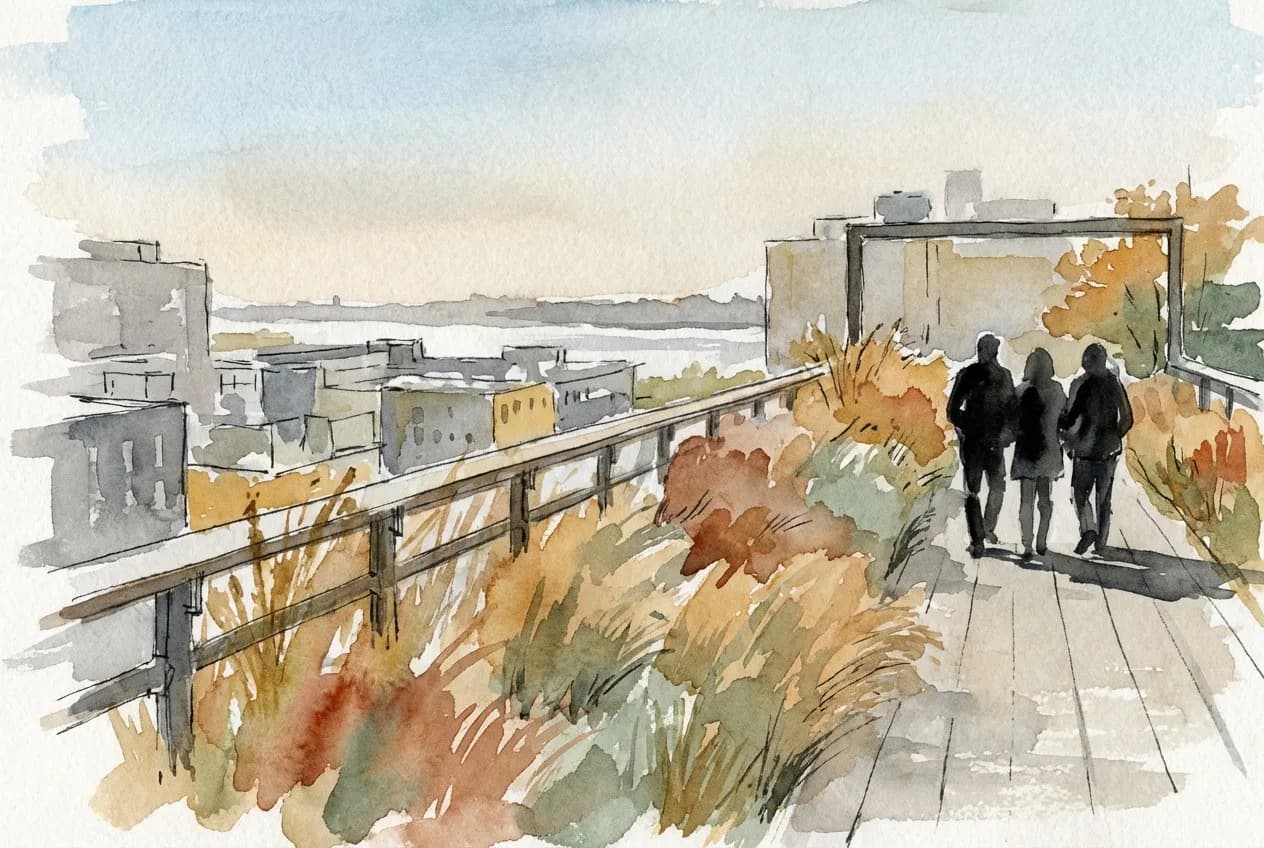
After Pace, the High Line is three minutes away via West 23rd or West 26th Street. Access is free. On a Saturday afternoon in autumn, the elevated park and the gallery district together make up one of the better eight-hour days New York reliably offers.
Practical notes
- Where: West 18th–29th Streets, Chelsea; galleries concentrated between 10th and 11th Avenues
- Admission: Free at all major galleries — Gagosian, Hauser & Wirth, Pace, David Zwirner, Matthew Marks, Lehmann Maupin, Luhring Augustine, 303 Gallery
- Hours: Most galleries Tue–Sat 10am–6pm; closed Sunday and Monday
- Best day: Saturday 11am–4pm; weekdays are quieter
- Getting there: C/E train to 23rd Street (2-minute walk); A/C/E to 14th Street (7-minute walk north)
- The High Line: Free; access via W 23rd or W 26th Street
- Which shows: All galleries post current listings online; check before going to prioritise
- What to do after: Cookshop on West 10th Street; or south on 10th Avenue toward the Meatpacking District
The point
The Chelsea gallery district exists because galleries needed large spaces with high ceilings and a critical mass of neighbours to make the circuit worth making for collectors and advisors flying in from London and Zurich. The business logic is entirely commercial. The side effect, unintended but permanent, is that anyone who shows up on a Saturday with functional legs and two hours can stand inside the best contemporary art in the world, for free, and then go for a walk in the park. The galleries will not be there forever — rents have already pushed smaller galleries out — but the flagship spaces are not moving soon. Go while the roster is still this strong.
Tags: #chelseagalleries #freenyc #contemporaryart #gagosian #hauserwirth #pacegallery #davidzwirner #westchelseaart #nycfreeart #artgallerynyc #highline #saturdaynyc #karpofinds #nicebutfreekarpo #chelseanyc
Sources consulted: nyctourism.com · hauserwirth.com · davidzwirner.com · pacegallery.com
All trademarks are the property of their respective owners.


