When a name spikes online, the practical NYC question is not whether every post feels plausible. It is what can be verified before you spend time, money, or attention. For sara gilson searches, start with official venue calendars, institutional pages, transit status, and publication dates, then separate confirmed appearances from lookalike names, reposted screenshots, and scraped listings. This guide is for New Yorkers who want a calm way to check possible cultural connections without turning curiosity into speculation. Use it before sharing a claim, buying a ticket, planning a meetup, or assuming a local appearance exists. If the record is thin, say so clearly.
Want a fast source check before acting on a trending claim? Text Karpo with the name, date, venue, and screenshot for a verification-first NYC read.

NYPL Schwarzman Building: Use the Catalog and Calendar as the First Filter
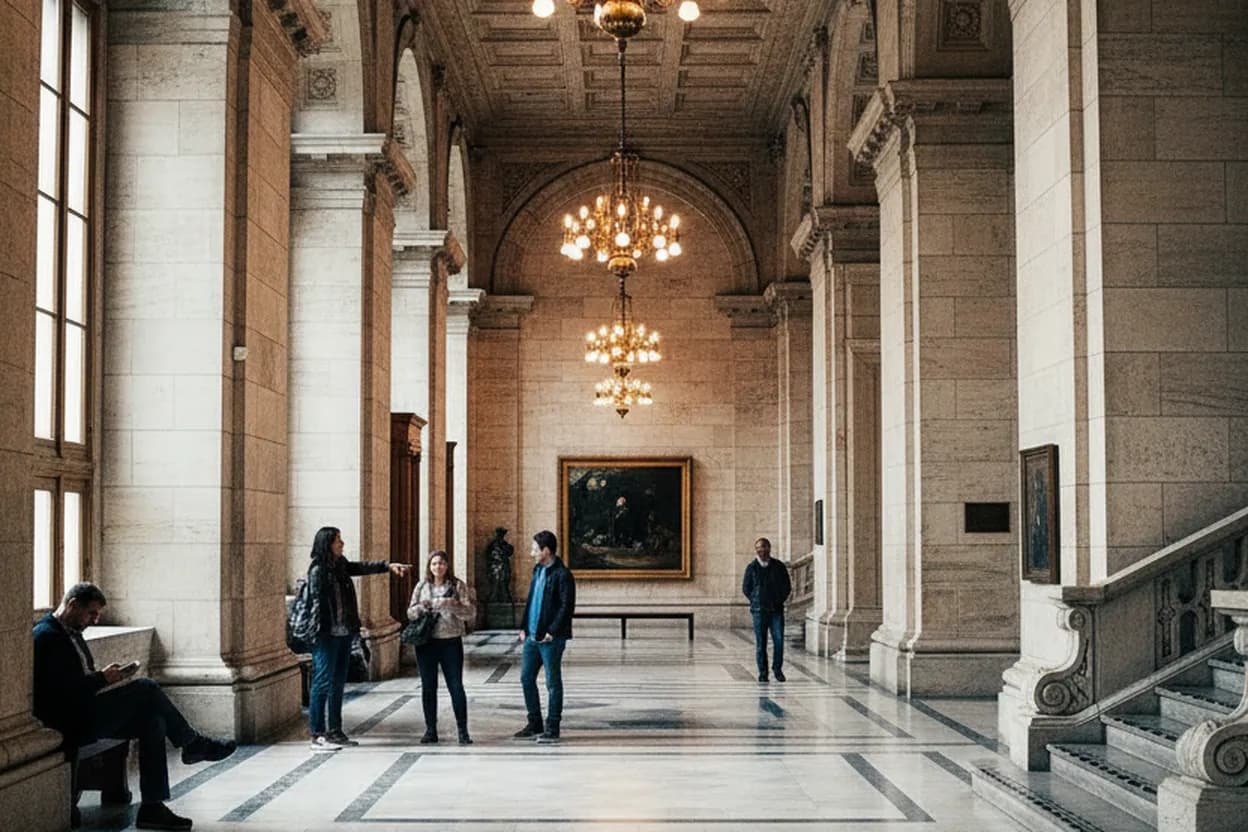
The Stephen A. Schwarzman Building is a logical starting point when a claim suggests publishing, research, archives, talks, or New York literary life. NYPL lists the flagship research building at Fifth Avenue and 42nd Street, with accessible entrances noted at Fifth Avenue, 40th Street, and 42nd Street. Treat the library as a verification workspace, not proof of a connection. Search the catalog and event pages for the exact spelling, then note whether the result is a person, subject record, book, lecture, or unrelated namesake.
Pacing matters because research spaces do not operate like a casual cafe. NYPL posts daily hours and says last entry is 15 minutes before closing, while some rooms and services can have separate rules. The failure mode is reading a catalog hit as an appearance. Before leaving, check the official location page again, confirm any division-specific access needs, and save the URL and time checked. If no current NYPL page names the person in context, describe the result as unconfirmed.
Lincoln Center Atrium: Match Free Programs to an Official Event Page
Lincoln Center's David Rubenstein Atrium is useful when a claim points to a public talk, performance, panel, or cultural gathering. The venue page shows current Atrium programming and identifies events by date, time, presenter, format, and location. Free entry can make a rumor feel low-risk, but it also makes unsourced posts travel quickly. Search Lincoln Center's own site for the exact name, not just the event theme, and compare the official title against the screenshot or post that started the search.
This is a good fit for a solo checker because it is central, indoor, and built around public cultural programming. The tradeoff is capacity and timing: free events may still involve lines, changes, or limited seating. If accessibility is part of the decision, use Lincoln Center's accessibility resources before travel instead of assuming the venue setup fits. If the official calendar does not name the person, use the Atrium only as a backup cultural stop, not as evidence of an appearance.
Museum of the Moving Image: Verify Film, TV, and Screening Claims by Role
If a post links Sara Gilson to film, television, a screening, or a Q&A, Museum of the Moving Image is a credible place to cross-check because its programming is tied to moving-image culture. The museum lists its Astoria location at 36-01 35 Avenue and separates general visits from screenings and events. Look for a specific official event page, then check whether the name appears as guest, filmmaker, moderator, performer, author, or merely in descriptive copy.
MoMI is better for a planned outing than a quick rumor chase. Tickets, admission rules, and screening availability can differ, so the practical move is to verify the event page before committing. The failure mode is treating a scraped calendar listing as equal to the museum's own site. If no current MoMI page names the person, keep the plan flexible: visit for exhibitions or a confirmed screening, and treat the trending query as research context rather than the reason to go.
Museum of the City of New York: Test Any Local-History Angle Against Current Listings
The Museum of the City of New York is useful when a claim suggests neighborhood history, photography, civic identity, writing, or a New York-specific biography. Its visit page lists 1220 Fifth Avenue at 103rd Street, daily public information, admission categories, and current exhibitions and events. A local-history institution can provide context, but it does not validate a viral connection by theme alone. Search the museum site for the exact name and check whether any result is current, archived, or unrelated.
This stop suits readers who want a structured afternoon rather than a high-pressure ticket decision. The museum's own page is also where to confirm pay-what-you-can or free-entry rules before arrival, since eligibility and group conditions can change. The tradeoff is that local context may be useful even when the person claim fails. Before going, confirm event availability, accessibility entrance details, and whether the source you found is actually on the museum domain, not a reposted listing.
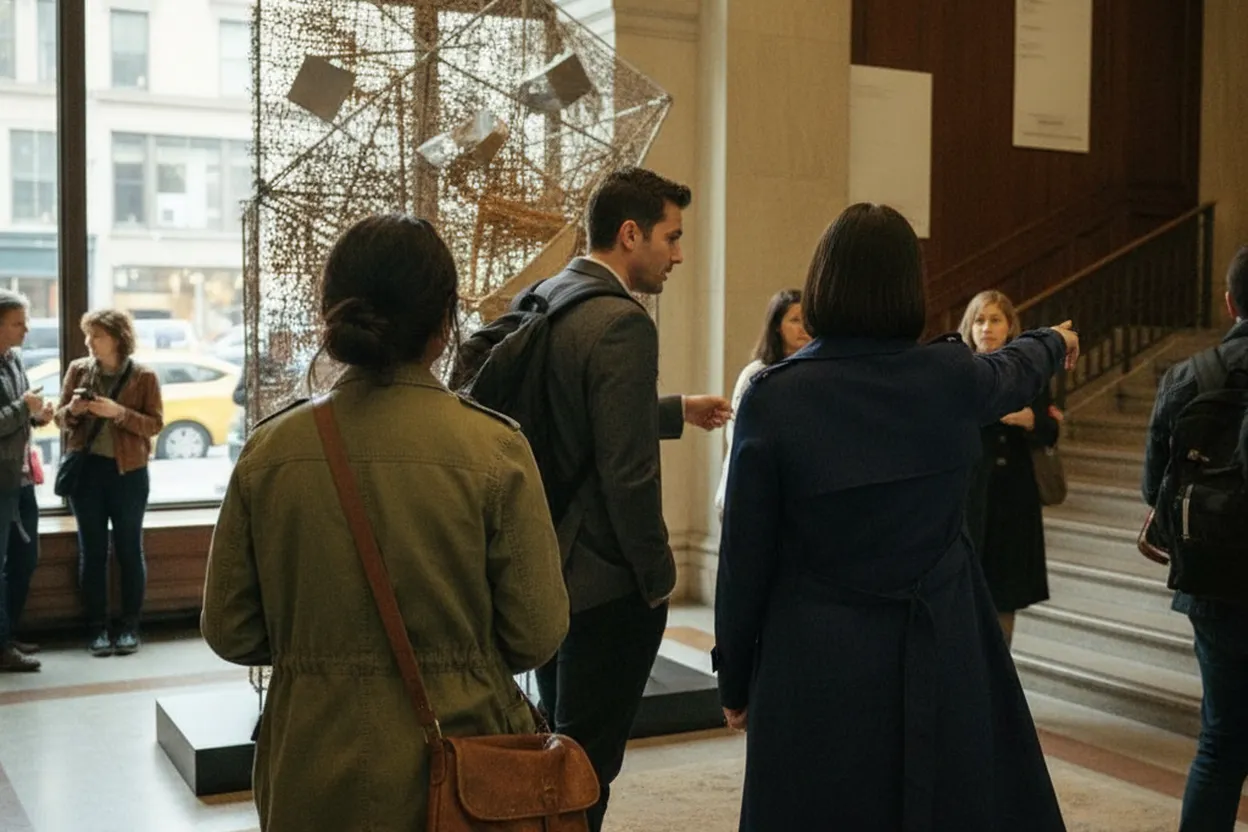
The Met Fifth Avenue: Separate Cultural Context From Confirmed Attendance
The Met can matter if a post connects a person to art, fashion, collecting, lectures, or a public program. The official visit page lists The Met Fifth Avenue at 1000 Fifth Avenue and provides current hours, ticket rules, and access information. Search the museum's exhibitions and events with the full name. If nothing appears, the museum may still be valuable for background, but it should not be described as a confirmed Sara Gilson appearance site.
This is a higher-commitment stop than a free public atrium, especially for visitors who do not qualify for local pay-what-you-wish admission. It works best when you already want the galleries and are using the trend as a prompt for careful source checking. The failure mode is confusing a broad cultural association with evidence. Check same-day hours, entry rules, and accessibility information, then rely only on a current Met event page or direct ticketing record for attendance claims.
Bryant Park: Use Midtown Public Space as a Low-Risk Backup Plan
Bryant Park is a sensible fallback when the online trail is messy and you still want an easy public place near Midtown research stops. The park's official hours and directions page places it behind NYPL between 40th and 42nd Streets and Fifth and Sixth Avenues. Posted hours and activities can shift with weather, maintenance, or seasonal operations. That makes Bryant Park useful for regrouping, not for confirming a person's local connection.
The audience fit is casual: solo readers, coworkers on lunch, or anyone comparing links before deciding whether a claim deserves attention. Check the Bryant Park calendar, lawn status, restroom information, and weather notes before treating it as the backup. The failure mode is turning a public gathering place into speculation about a private person. Do not use the park to search for or approach someone. Use it to verify sources, then pivot to a confirmed venue or transit route.
MTA Status Tools: Make Transit the Final Go-or-No-Go Check
Transit is part of verification because even a confirmed event can fail as a plan if the route is disrupted or inaccessible. MTA's homepage links to real-time alerts, elevator and escalator status, paratransit booking, and service-change information. Check these after you confirm the venue page, because transit status changes too quickly to rely on from an old screenshot. For NYPL, Lincoln Center, MoMI, Museum Mile, or Bryant Park, verify the route you will actually use.
The final decision rule is simple: go only when the claim, venue, date, entry rule, route, and access needs all survive same-day checking. If one piece is missing, downgrade the plan to research, not attendance. Save the official URL, note the time checked, and avoid sharing claims that depend on anonymous posts or cropped images. For a name-driven trend, the most useful NYC move is often stating clearly what is verified and what remains unresolved.
Tags: #AskKarpo #BeforeYouGo #SaraGilson #NYCEvents #NYCCulture #MediaLiteracy #VenueCheck #NYPL #LincolnCenter #MoMI #MuseumMile #BryantPark #MTA #NYCGuide
Sources consulted: Source 1: nypl.org · Source 2: lincolncenter.org · Source 3: movingimage.org · Source 4: mcny.org · Source 5: metmuseum.org · Source 6: bryantpark.org
All trademarks are the property of their respective owners.
Ask Karpo first
Tell Karpo your date, group size, budget, and starting neighborhood. We’ll check current access, timing, transit, and the cleanest plan for NYC Cultural Institutions before you head out.