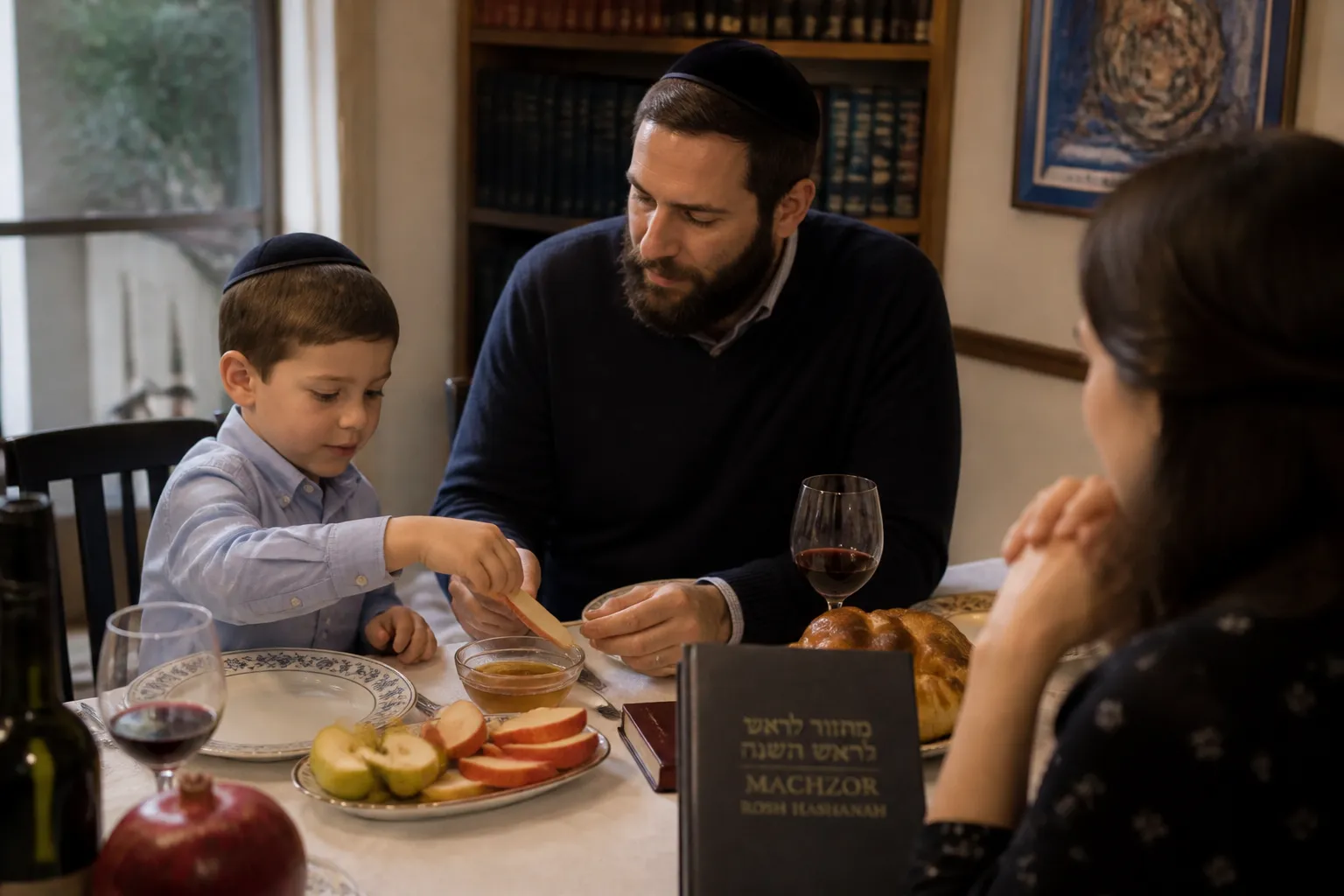
If you are searching for what is rosh hashanah, the short answer is that it is the Jewish New Year and one of the most important days on the calendar. In practical terms, it is not just a date on a page. The holiday begins at sunset, continues into the next day, and often shapes when people leave home, gather, eat, pray, rest, and travel. That sunset start matters in San Francisco because the city’s hills, microclimates, and traffic patterns can make a simple trip feel very different depending on the hour.
Map your route now and save one backup before sunset.
For SF planning, think in layers: the calendar date, the sunset time, and your actual transit or driving window. You do not need to know every detail of the religious practice to plan well. You do need to know when your evening or morning commitment starts, how long it takes to cross town, and whether the weather near the coast may be colder and foggier than the neighborhood you are leaving. A good plan starts by checking the live time of sunset, then working backward from that point.
How to choose a neighborhood that fits your timing
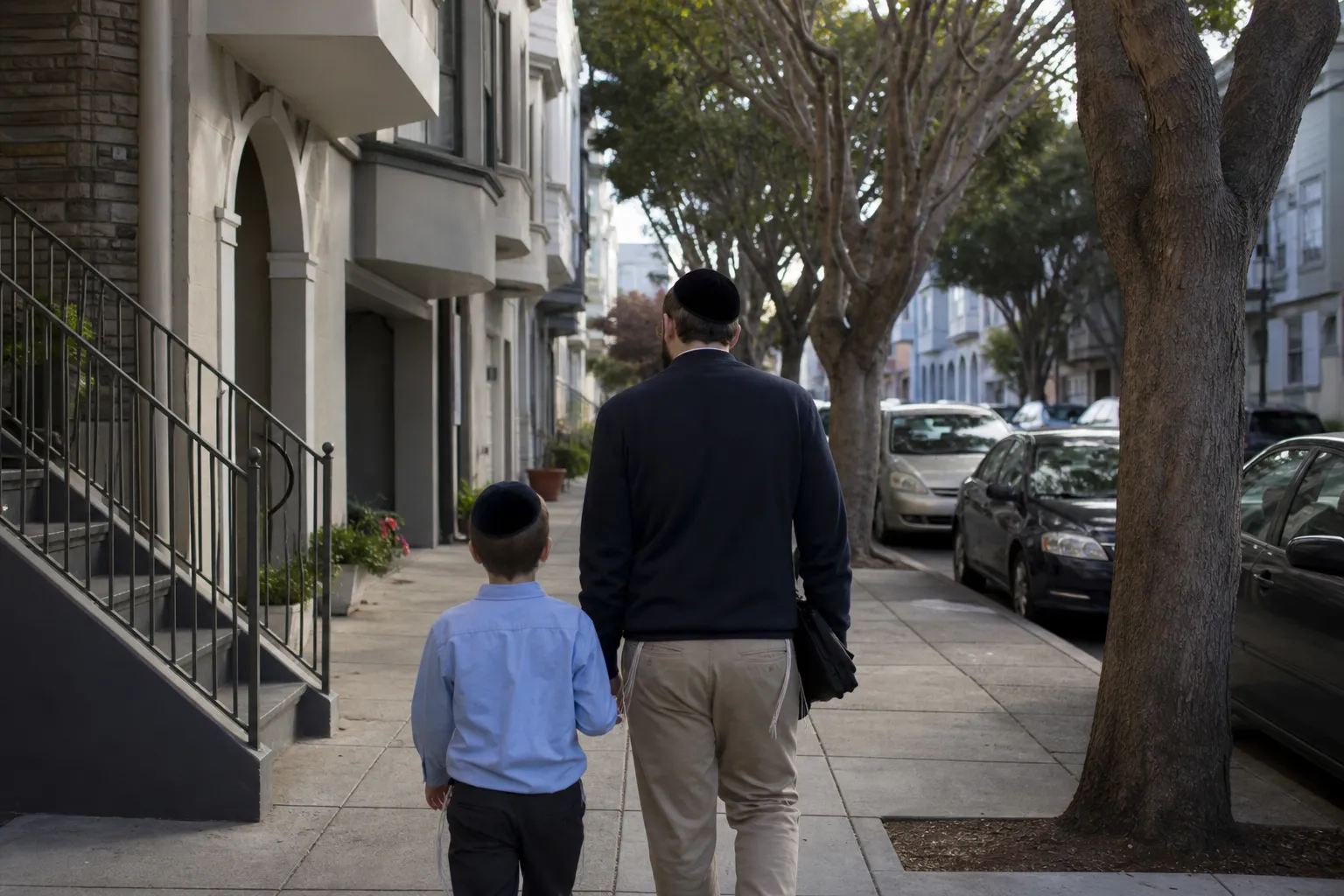
San Francisco neighborhoods behave differently on holiday evenings and mornings. Areas with stronger transit access and more direct street grids are easier if you want a low-stress arrival. Flatter or more centrally connected neighborhoods usually reduce the chance that a late start turns into a rushed walk up a steep hill. If you are deciding where to go, look at how close the area is to your home line, how many transfers you would need, and whether the final block is walkable with dress shoes, children, or someone who needs a slower pace.
A practical rule is to prefer a neighborhood that lets you arrive with only one major decision: one transit line, one simple parking option, or one manageable walk from a drop-off point. In SF, the same distance can feel easier or harder depending on the street pattern. A route through wide, flatter corridors is usually more predictable than one that ends in steep residential blocks. If you are unfamiliar with the area, use a map view and street view together so you can see curb cuts, crosswalks, and whether the last stretch looks exposed to wind or fog.
The timing checklist: what to check live before you leave
The most useful SF planning habit is to check live conditions shortly before departure. Start with sunset time, then check transit alerts, road conditions, and whether there are any large events that could slow your route. Even when a destination looks close on a map, a short delay can matter if the holiday start is tied to sunset or a specific service time. Build your schedule around a buffer, not a perfect arrival. If you think the trip takes 25 minutes, plan as if it takes 40 and then be happy if you arrive early.
Also check the weather where you actually are going, not just where you are standing. San Francisco can shift quickly from warm inland air to cold coastal wind. Fog can make the west side feel very different from neighborhoods farther east, and that affects walking comfort, parking ease, and whether waiting outside is reasonable. If you are bringing kids, older relatives, or anyone who should avoid a long exposed walk, confirm in advance how much outdoor time the route requires. A few extra minutes of checking can prevent a rushed or uncomfortable arrival.
A simple SF route that stays flexible
The simplest route strategy is to pick a straight path that avoids unnecessary turns. If you are coming from outside the city, choose one arrival corridor and one backup corridor rather than trying to improvise at the last minute. In many cases, that means connecting into a central neighborhood first, then continuing on a local line, bus, or short rideshare only if needed. The goal is not speed alone. It is to reduce surprises, especially when timing is tied to sunset and you do not want to arrive flustered.
A good route in San Francisco usually has three parts: a predictable approach into the city, a final segment with easy wayfinding, and a return plan that does not depend on perfect parking or a late-night street search. If you are driving, identify a place to stop that does not require circling steep blocks. If you are taking transit, save the service page in advance and note the next-best line if one vehicle is delayed. If you are walking, keep the route on flatter streets and avoid cutting through areas that are hard to cross after dark.
Backup logic for weather, accessibility, and last-minute change
Every strong holiday plan needs a backup, and SF makes that especially important. Fog, wind, event traffic, and parking pressure can all change your arrival time with little warning. Your backup should be close enough to use without resetting the whole evening. That may mean choosing a second nearby neighborhood, a second transit line, or a second arrival mode if your first choice starts to slip. Do not wait until you are already behind schedule to decide. Pick the fallback while you still have time to switch calmly.
Accessibility deserves the same attention as timing. Check whether the route has step-free access, elevators, curb ramps, or short walking distances from the stop to the entrance. If someone in your group cannot handle a steep hill, long wait, or crowded transfer, plan around that from the beginning. Bring layers, a charged phone, water, and any items that make a delay easier to handle. In San Francisco, comfort is part of punctuality: the more stable the route feels, the more likely everyone arrives ready for the holiday rather than worn out by the trip.
A simple plan before you go
- Check sunset, transit alerts, and weather within an hour of leaving.
- Favor flatter, more central neighborhoods when you need a low-stress arrival.
- Save one backup route that uses a different line, street, or mode.
- Build in a buffer so a delay does not turn into a missed start.

Tags: #watch_parties #sf
Sources consulted: Official city information · Google Maps · Karpo local search
All trademarks are the property of their respective owners.